

 プレビュー
プレビュー
 プリントを購入
 シェアする
シェアする シェアする
シェアする
 詳細を見る
詳細を見る

 ダウンロード
 似ている作品
 X線調査
X線調査 スライドショー
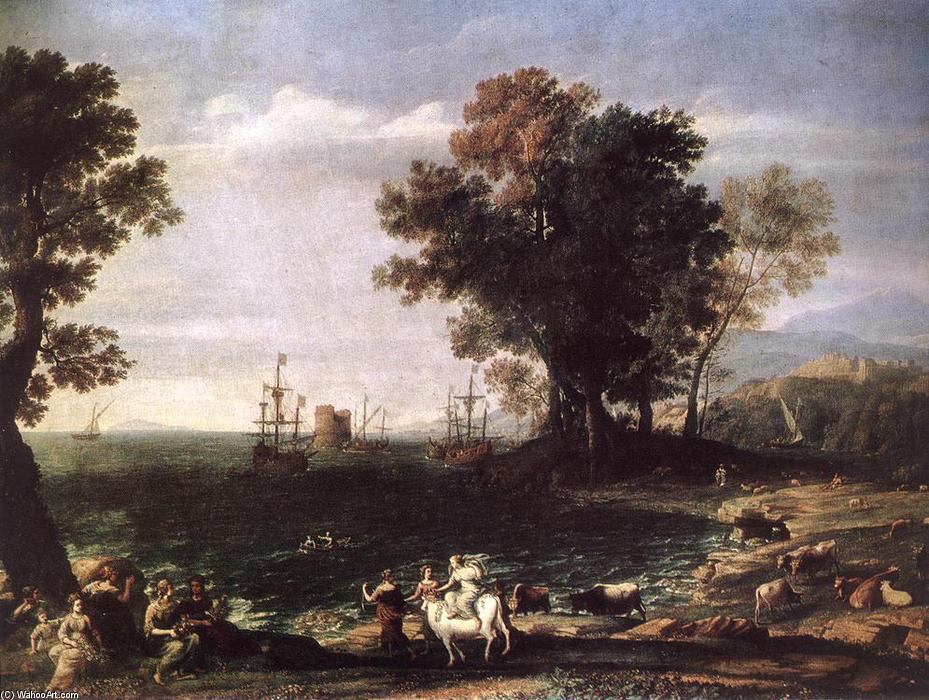
The Rape of Europa
 Acrylic On Canvas
- WallArt
- Baroque Landscape
 1655
1655 100.0 x 137.0 cm
 国立博物館群
 詳細を見る
詳細を見る
オンラインプレビューをはるかに凌ぐ、高解像度で鮮明なデジタル画像をご購入いただけます。
各ファイルは、社内の専門家が高度なツールと熟練した手作業によるレタッチを用いて、細心の注意を払って準備されています。すべての画像において、卓越した鮮明度、正確な色彩再現性、そして繊細なディテールを保証いたします。
最終ファイルは、プロフェッショナルな編集・印刷環境ですぐにご利用いただけるよう最適化された状態で、72時間以内にメールにてお届けいたします。これは、一流のデザインスタジオ、出版社、ギャラリーから信頼されているものと同等の品質です。
デジタル画像のご注文に付随する特典
高品質なデジタル画像配信を、確かな品質で。
ArtsDot.com を選ぶことは、単に画像を手に入れることではありません。それは、プロの手によって精密に仕上げられ、満足保証が付いた高品質なデジタルアートワークを受け取ることを意味します。ご注文いただいた際に自動的に付随する内容は、以下の通りです:

メールですぐにお届け
ご注文から72時間以内に、高解像度のデジタル画像ファイルがメールでお手元に届きます。すぐにそのままご利用いただけます。

AI技術で最適化されたデジタルファイル
お客様の作品は、高度なAIツールと専門家による手作業の編集を組み合わせてプロフェッショナルに最適化されており、細部のディテール、鮮明さ、そして正確な色再現性を最大限に引き出しています。

一生涯無料の再送サービス
ファイルを誤って削除したり、紛失してしまったりしましたか?ご安心ください。いつでも無料で再送いたします。

輸入手数料は一切かかりません
関税や手数料、配送料を気にすることなく、お気に入りのアートワークをすぐにお楽しみいただけます。デジタルダウンロードは常に免税です。

色彩再現の保証
プロ仕様のツールとカラーマネジメント技術を用いることで、デジタル画像が元の色を最大限に忠実に再現することを保証いたします。

60日間満足保証
ご購入いただいたデジタル画像にご満足いただけない場合は、60日以内であれば、修正または100%の返金(理由を問う必要はありません)をさせていただきます。

100% 返金保証
ご満足いただけない場合は、デジタルファイルを受け取ってから60日以内であれば、理由を問わず全額返金いたします。

まとめ買い割引
3枚購入で10%OFF - 5枚購入で15%OFF - 10枚以上購入で20%OFF。クリエイティブなプロジェクト、ギャラリー、エージェンシーに最適です。
作品の詳細
A Dramatic Encounter – The Genesis of *The Rape of Europa*
Claude Lorrain’s *The Rape of Europa*, painted in 1655, isn't merely a depiction of a classical myth; it’s a carefully orchestrated tableau brimming with Baroque drama and profound symbolism. Born in the Duchy of Lorraine, Lorrain established himself as a leading landscape painter in Rome, mastering the art of blending Italianate grandeur with the timeless narratives of antiquity. This particular work, commissioned for Pope Alexander VII, immediately establishes a powerful visual narrative – a moment frozen in time, charged with both beauty and unsettling tension. The scene unfolds on a sun-drenched shoreline, a carefully constructed landscape designed to heighten the emotional impact of the central event.
The painting’s genesis lies within Ovid's *Metamorphoses*, where Zeus, disguised as a magnificent white bull, lures the Phoenician princess Europa across the sea to Crete. Lorrain doesn’t portray the abduction as a violent act; instead, he captures the initial, almost innocent stage of the encounter. Europa, depicted with serene grace, is already upon the bull's back, her expression suggesting curiosity rather than fear. The composition cleverly avoids direct confrontation, focusing on the unfolding drama and the inherent vulnerability of the subject. This subtle approach elevates the painting beyond a simple mythological illustration, transforming it into a meditation on power, desire, and transformation.
Technique and Composition – A Symphony of Light and Shadow
Lorrain’s mastery of technique is immediately apparent in *The Rape of Europa*. He employs a masterful use of atmospheric perspective, creating a sense of depth and distance through subtle gradations of color and detail. The distant coastline fades into a hazy blue, while the foreground elements – the trees, the boats, and the figures – are rendered with meticulous precision. Lorrain’s brushwork is remarkably smooth and refined, contributing to the painting's overall sense of serenity and elegance, despite the dramatic subject matter.
The composition itself is meticulously balanced. The bull dominates the center of the canvas, its form idealized and majestic. Europa occupies a central position, her posture conveying both vulnerability and acceptance. The surrounding landscape – a carefully chosen selection of trees, water, and boats – serves to frame the scene and enhance its visual impact. Notice how Lorrain uses light to guide the viewer’s eye, illuminating Europa and the bull while casting shadows over the background, creating a dynamic interplay of light and shadow that adds depth and drama to the composition.
Symbolism and Historical Context – Echoes of Power and Transformation
Beyond its mythological subject matter, *The Rape of Europa* is rich in symbolic meaning. The bull represents Zeus’s divine power and his ability to transform and reshape reality. Europa's journey to Crete symbolizes a transition from one state of being to another—a loss of innocence coupled with the promise of new beginnings. The painting was created during a period of intense papal patronage, reflecting the Popes’ desire to associate themselves with classical mythology and demonstrate their authority as protectors of the faith.
Furthermore, the work can be interpreted as an allegory for the Church's role in guiding humanity towards salvation. The bull, a symbol of strength and fertility, represents God’s grace, while Europa’s journey to Crete symbolizes the path to spiritual enlightenment. Lorrain’s careful attention to detail and his masterful use of light and shadow create a visually stunning representation of this complex theological concept.
A Timeless Masterpiece – Inspiration for Interiors and Beyond
*The Rape of Europa* remains a profoundly moving work of art, captivating viewers with its dramatic composition, exquisite technique, and rich symbolism. Its enduring appeal lies in its ability to evoke a range of emotions—from awe and wonder to melancholy and contemplation. Reproductions of this masterpiece offer an opportunity to bring the beauty and drama of Lorrain’s vision into any space, serving as a powerful reminder of the timeless power of art to inspire and transform.
関連作品

作家の略歴
クロード・ロラン(クロード・ジェレ):光と風景の中の生涯
初期の生活と修行
紀元1600年頃、現在のフランスに位置するロレーヌ公国の小さな村、シャマニュで生まれたクロード・ロラン――本名はクロード・ジェレ――は、バロック期を代表する最も称賛される風景画家の一人であり続けています。彼の初期の生活はいくつかの謎に包まれており、修行に関する伝記には矛盾が見られます。ヨアヒム・フォン・ザンドラルトによる記録によれば、彼は菓子職人の徒弟としてささやかな日々を送り、その後ローマで芸術家たちと仕事を得たという説があります。一方、フィリッポ・バルディヌッチの記述は、彼がナポリでゴフレド・ワルスから学び、後にアゴスティーノ・タッシのもとローマで学んだ初期の訓練について詳述しています。
名声の確立
1630年代までには、クロード・ロランはイタリアにおける第一人者としての地位を確固たるものにしていました。彼の絵画は、その大気的な質によってすぐに注目を集め、高値で取引されるようになりました。彼は、イタリア風の風景と古典的、そして聖書のテーマを見事に融合させ、視覚的に息をのむほど美しく、知的好奇心を刺激する光景を創り出しました。
芸術様式と主要な特徴
- 輝く太陽の光: クロードの作品を定義づける要素は、光の巧みな描写にあります。彼は、風景を通り抜ける太陽の光を一貫して描いた初期の画家の一人であり、それまで見られなかった雰囲気とリアリズムの感覚を生み出しました。
- 古典的な影響: 彼の構図はしばしば古代の遺跡からインスピレーションを得ており、ローマの廃墟、神話上の人物、建築的要素が取り入れられています。
- 理想化された風景: クロードは厳密な地形的な正確さを目指したわけではありませんでした。むしろ、調和と静けさの感覚を呼び起こすような理想化された風景を描いたのです。
- 緻密な素描: 彼は多作な製図家であり、ペン、水彩、チョークを用いて数多くのスケッチや研究を残しました。その多くは彼の『真実の書』に保存されています。
影響と発展
クロードの初期の影響には、北ヨーロッパの風景の伝統、特にフランドル派の画家たちのものが含まれていました。彼はまた、ティツィアーノやラファエロといったイタリア・ルネサンスの巨匠たちの作品も研究しました。時が経つにつれ、彼の様式は、より暗く劇的な構図から、黄金色の輝きを特徴とする、より明るく空気感のある光景へと進化していきました。
代表作
- 羊飼いたちと群れを連れて帰る風景
- 洗練された女王の出航港の情景
- 日の出
- 牧歌的な風景:ローマのカンパニア地方
- タルサスにおけるクレオパトラの上陸
歴史的重要性とその遺産
クロード・ロランが風景画にもたらした影響は計り知れません。彼はこのジャンルを、それまで歴史的または宗教的な主題にのみ許されていた威信の高い領域へと引き上げました。彼の作品は、光と大気の儚い効果を捉えようとしたJ.M.W.ターナーや印象派の画家たちを含む何世代もの芸術家に影響を与えました。今日、彼の絵画は非常に高く評価されており、特にロンドンのナショナル・ギャラリーや南オーストラリア州美術館など、世界中の主要な美術館で見ることができます。
晩年と死
クロード・ロランは1682年11月23日にローマで亡くなりました。サン・ルイージ・デイ・フランチェージ教会にある彼の墓石には、「Claude / peintre de / rome / mort / le 23 novembre 1682」というシンプルな銘文が刻まれています。彼は、西洋美術史において最も重要で影響力のある風景画家の一人としての遺産を残しました。
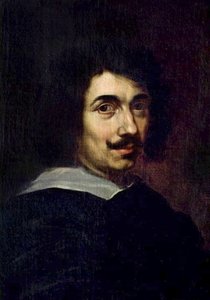
クロード・ロラン
1600 - 1682

