 プレビュー
プレビュー
 プリントを購入
 シェアする
シェアする シェアする
シェアする
 詳細を見る
詳細を見る

 ダウンロード
 似ている作品
 X線調査
X線調査 スライドショー
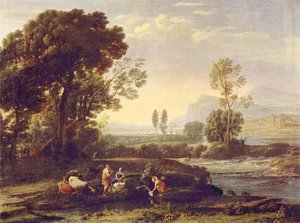
View of the Campagna


 詳細を見る
詳細を見る




P118B $10

P118H $10

P118W $10

P438Z $10

P508JH $12

P508YH $12

P805H $10

P805Z $10

P919BZ $10

P919G $10

P919XJ $10

P959ZH $10

P968JZ $12

W106C $8

W218G $10

W218JH $8

W218Y $10

W307PJ $10

W316G $10

W316PJ $8

W316Y $10

W398PJ $8

W4111J $10

W500HY $15

W500JH $15

W692G $12

W849H $8

W940BG $15

W953PJ $8




作品のオリジナル比率に合わせた、当店の規定サイズからお選びください。

特定のフレームやスペースに合わせて、ご希望のサイズをご入力いただけます。選択されたサイズが元の画像の比率と異なる場合、アートワークをトリミングするか、手描きで要素を追加して絵画を拡張いたします。デジタルモックアップ を制作し、制作開始前にご確認(承認)をいただきます。
画面上のプレビューは、実際のトリミングや拡張を正確に反映しているものではありません。最終的な構図は、モックアップによってのみ正確にご確認いただけます。
カスタムサイズもご利用いただけますが、元の比率を維持するためには、あらかじめ用意されたリストからサイズを選択することをお勧めいたします。
ご注文後、ArtsDot.com チームより詳細な指示をお送りするとともに、仕上がりイメージ(モックアップ)をご提供いたします。


 ガラスオプションは、110cm未満のサイズでのみご利用いただけます。

View of the Campagna
複製技法
複製画のサイズ
-


合計金額
$ 263
作品解説
A Masterpiece of Baroque Luminosity: Claude Lorrain’s ‘View of the Campagna’
Claude Lorrain (Claude Gellée), born around 1600 in Chamagne, Lorraine, stands as a titan amongst landscape painters of the Baroque era—a figure whose canvases continue to captivate audiences centuries later. Despite lingering uncertainties surrounding his formative years, biographical accounts converge on a trajectory marked by apprenticeship and artistic pilgrimage, beginning with humble beginnings as an assistant baker before securing patronage from artists residing in Rome and subsequently honing his craft under Agostino Tassi in Naples. This journey culminated in establishing himself as the undisputed leader of Italian landscape painting during the 1630s, where his works commanded exorbitant prices and swiftly garnered acclaim for their unparalleled atmospheric realism.The Essence of Baroque Landscape Painting
Lorrain’s artistic vision embodied the core tenets of Baroque aesthetics: dramatic lighting, idealized forms, and a masterful manipulation of perspective to convey grandeur and emotion. Unlike earlier Renaissance landscapes that prioritized geometric precision and meticulous detail, Lorrain embraced a looser brushstroke style—a technique characterized by soft, blended pigments—to achieve an ethereal quality reminiscent of moonlight or dawn. This deliberate eschewal of rigid formalism allowed him to capture the fleeting beauty of nature with breathtaking accuracy, imbuing his scenes with palpable warmth and serenity.A Roman Vista: Composition and Technique
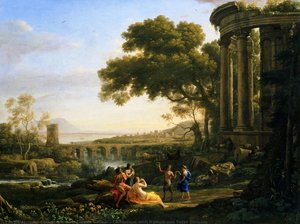
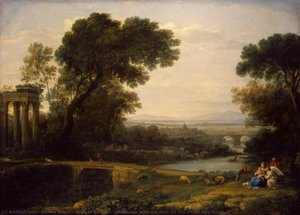
“View of the Campagna,” painted circa 1650-52, exemplifies Lorrain’s signature approach perfectly. The composition centers around a majestic cypress tree dominating the left foreground, its dark silhouette contrasting sharply against the radiant glow emanating from the distant hills. Further back, rolling slopes adorned with olive groves and scattered villas unfold beneath a luminous sky—a testament to Lorrain's meticulous observation of the natural world. He skillfully employed aerial perspective—the gradual blurring of colors and details as they recede into the distance—creating an illusion of depth that transports the viewer directly into the landscape. The artist’s masterful use of chiaroscuro – the interplay between light and shadow – further enhances the dramatic effect, sculpting forms with subtle gradations of tone and emphasizing textures to evoke a profound sense of atmosphere.Symbolism Within Beauty: Classical Ruins and Spiritual Reflection
Beyond its technical brilliance, “View of the Campagna” resonates with symbolic significance rooted in classical mythology and Christian piety. The inclusion of crumbling Roman ruins—specifically the Temple of Jupiter Optimus Maximus—serves as a poignant reminder of antiquity’s grandeur and inevitable decay, prompting contemplation on the passage of time and the enduring power of divine providence. Lorrain's deliberate positioning of these ruins against the backdrop of verdant hills subtly underscores the harmony between earthly beauty and spiritual transcendence – a hallmark of Baroque art’s ambition to inspire awe and elevate the human spirit.Emotional Resonance: Capturing Sublime Wonder
Ultimately, Lorrain’s “View of the Campagna” transcends mere visual representation; it aspires to evoke an emotional response in the viewer—a feeling akin to sublime wonder. The painting's luminous palette, combined with its masterful depiction of natural light and shadow, transports us to a realm of tranquility and contemplation. It invites us to appreciate the grandeur of the landscape while simultaneously prompting reflection on themes of mortality and eternity. This enduring appeal testifies to Lorrain’s unparalleled ability to capture not just what he saw but also what he felt—a legacy that continues to inspire artists and collectors alike.関連作品

アーティストの略歴
クロード・ロラン(クロード・ジェレ):光と風景の中の生涯
初期の生活と修行
紀元1600年頃、現在のフランスに位置するロレーヌ公国の小さな村、シャマニュで生まれたクロード・ロラン――本名はクロード・ジェレ――は、バロック期を代表する最も称賛される風景画家の一人であり続けています。彼の初期の生活はいくつかの謎に包まれており、修行に関する伝記には矛盾が見られます。ヨアヒム・フォン・ザンドラルトによる記録によれば、彼は菓子職人の徒弟としてささやかな日々を送り、その後ローマで芸術家たちと仕事を得たという説があります。一方、フィリッポ・バルディヌッチの記述は、彼がナポリでゴフレド・ワルスから学び、後にアゴスティーノ・タッシのもとローマで学んだ初期の訓練について詳述しています。
名声の確立
1630年代までには、クロード・ロランはイタリアにおける第一人者としての地位を確固たるものにしていました。彼の絵画は、その大気的な質によってすぐに注目を集め、高値で取引されるようになりました。彼は、イタリア風の風景と古典的、そして聖書のテーマを見事に融合させ、視覚的に息をのむほど美しく、知的好奇心を刺激する光景を創り出しました。
芸術様式と主要な特徴
- 輝く太陽の光: クロードの作品を定義づける要素は、光の巧みな描写にあります。彼は、風景を通り抜ける太陽の光を一貫して描いた初期の画家の一人であり、それまで見られなかった雰囲気とリアリズムの感覚を生み出しました。
- 古典的な影響: 彼の構図はしばしば古代の遺跡からインスピレーションを得ており、ローマの廃墟、神話上の人物、建築的要素が取り入れられています。
- 理想化された風景: クロードは厳密な地形的な正確さを目指したわけではありませんでした。むしろ、調和と静けさの感覚を呼び起こすような理想化された風景を描いたのです。
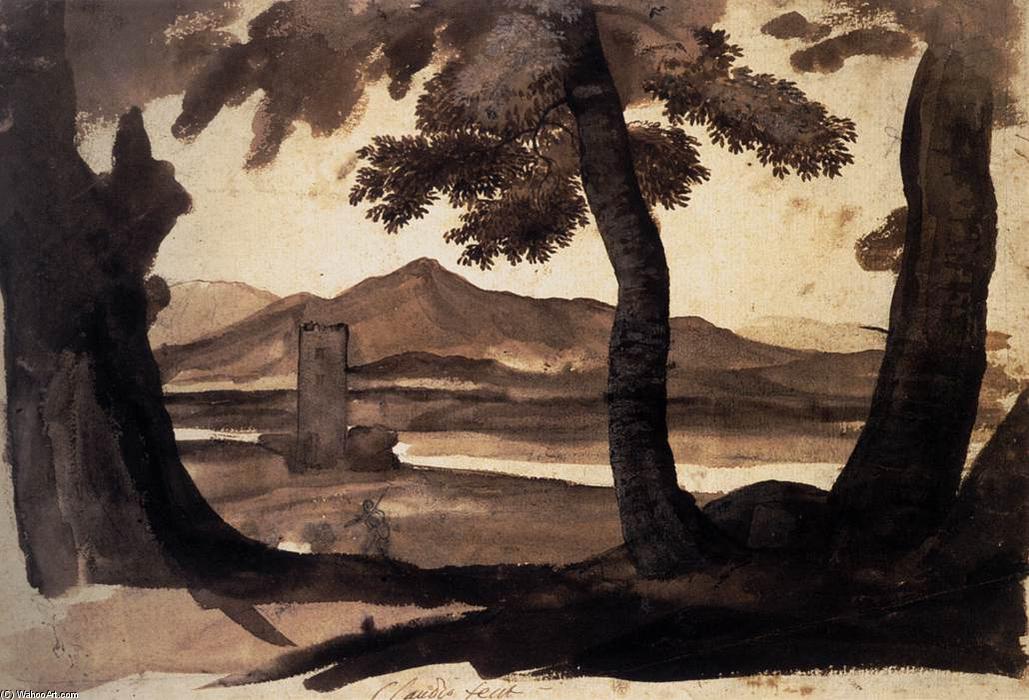
- 緻密な素描: 彼は多作な製図家であり、ペン、水彩、チョークを用いて数多くのスケッチや研究を残しました。その多くは彼の『真実の書』に保存されています。
影響と発展
クロードの初期の影響には、北ヨーロッパの風景の伝統、特にフランドル派の画家たちのものが含まれていました。彼はまた、ティツィアーノやラファエロといったイタリア・ルネサンスの巨匠たちの作品も研究しました。時が経つにつれ、彼の様式は、より暗く劇的な構図から、黄金色の輝きを特徴とする、より明るく空気感のある光景へと進化していきました。
代表作
- 羊飼いたちと群れを連れて帰る風景
- 洗練された女王の出航港の情景
- 日の出
- 牧歌的な風景:ローマのカンパニア地方
- タルサスにおけるクレオパトラの上陸
歴史的重要性とその遺産
クロード・ロランが風景画にもたらした影響は計り知れません。彼はこのジャンルを、それまで歴史的または宗教的な主題にのみ許されていた威信の高い領域へと引き上げました。彼の作品は、光と大気の儚い効果を捉えようとしたJ.M.W.ターナーや印象派の画家たちを含む何世代もの芸術家に影響を与えました。今日、彼の絵画は非常に高く評価されており、特にロンドンのナショナル・ギャラリーや南オーストラリア州美術館など、世界中の主要な美術館で見ることができます。
晩年と死
クロード・ロランは1682年11月23日にローマで亡くなりました。サン・ルイージ・デイ・フランチェージ教会にある彼の墓石には、「Claude / peintre de / rome / mort / le 23 novembre 1682」というシンプルな銘文が刻まれています。彼は、西洋美術史において最も重要で影響力のある風景画家の一人としての遺産を残しました。
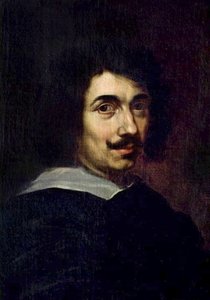
クロード・ロラン
1600 - 1682
関連記事
Claude Lorrain: Master of Light & Landscape in the Golden Age
Explore the luminous landscapes of Claude Lorrain, a Baroque master renowned for his masterful use of light & atmosphere. Discover his life, techniques, key works & enduring influence on art history.
クロード・モネ傑作25選:光と色彩の印象派を彩る名画の世界 | ArtsDot
クロード・モネの傑作25選。印象派を代表する光の画家、モネの世界を旅しませんか?睡蓮や風景画など、名画の背景にある物語と芸術技法をご紹介。ArtsDotで高品質な複製画とインテリアアートを見つけましょう。全コレクションはこちら。

ジョン・コンスタブルの傑作25選:英国風景画の巨匠が描く自然と光の詩 | ArtsDot
ジョン・コンスタブルの傑作25選。英国風景画の巨匠が描く自然と光の詩の世界へ。ロマン主義を代表する絵画、デダム・ヴェールやヘイ・ウェインなど、ArtsDotで高品質なアートプリントをお楽しみください。インテリアに深みと感動を。コレクションはこちら。

ロマン派ランドスケープ:時代を彩る巨匠の10選|アートとインテリアの世界
ロマン派絵画の時代を彩る10選。巨匠たちの風景が織りなす感動の世界へ。ターナー、ルーベンスなど、名作の裏話と高精細複製でアートをお部屋に。ArtsDot.comで至福のアート体験を。

Evocations of Place: A Historical Journey Through Landscape Art
Explore the rich history of landscape art with ArtsDot. Discover renowned artists, movements like Impressionism & Romanticism, and expert guidance for collecting timeless pieces. Find your perfect serene escape today!