

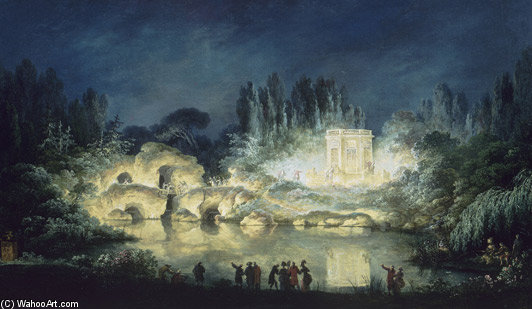
 プレビュー
プレビュー
 シェアする
シェアする シェアする
シェアする
 詳細を見る
詳細を見る

 ダウンロード
 似ている作品
 X線調査
X線調査 スライドショー
 Stats
StatsIllumination Belvedere
 詳細を見る
詳細を見る
オンラインプレビューをはるかに凌ぐ、高解像度で鮮明なデジタル画像をご購入いただけます。
各ファイルは、社内の専門家が高度なツールと熟練した手作業によるレタッチを用いて、細心の注意を払って準備されています。すべての画像において、卓越した鮮明度、正確な色彩再現性、そして繊細なディテールを保証いたします。
最終ファイルは、プロフェッショナルな編集・印刷環境ですぐにご利用いただけるよう最適化された状態で、72時間以内にメールにてお届けいたします。これは、一流のデザインスタジオ、出版社、ギャラリーから信頼されているものと同等の品質です。
デジタルアート
個人での鑑賞、印刷、クリエイティブなプロジェクト用に、高解像度ファイルをダウンロードできます。 ( Switch to Print 手描きの絵画を購入)
デジタル画像のご注文に付随する特典
高品質なデジタル画像配信を、確かな品質で。
ArtsDot.com を選ぶことは、単に画像を手に入れることではありません。それは、プロの手によって精密に仕上げられ、満足保証が付いた高品質なデジタルアートワークを受け取ることを意味します。ご注文いただいた際に自動的に付随する内容は、以下の通りです:

メールですぐにお届け
ご注文から72時間以内に、高解像度のデジタル画像ファイルがメールでお手元に届きます。すぐにそのままご利用いただけます。

AI技術で最適化されたデジタルファイル
お客様の作品は、高度なAIツールと専門家による手作業の編集を組み合わせてプロフェッショナルに最適化されており、細部のディテール、鮮明さ、そして正確な色再現性を最大限に引き出しています。

一生涯無料の再送サービス
ファイルを誤って削除したり、紛失してしまったりしましたか?ご安心ください。いつでも無料で再送いたします。

輸入手数料は一切かかりません
関税や手数料、配送料を気にすることなく、お気に入りのアートワークをすぐにお楽しみいただけます。デジタルダウンロードは常に免税です。

色彩再現の保証
プロ仕様のツールとカラーマネジメント技術を用いることで、デジタル画像が元の色を最大限に忠実に再現することを保証いたします。

100日間満足保証
ご購入いただいたデジタル画像にご満足いただけない場合は、100日以内であれば、理由を問わず修正または100%の返金対応をさせていただきます。

100% 返金保証
ご満足いただけない場合は、デジタルファイルを受け取ってから100日以内であれば、理由を問わず全額返金いたします。

まとめ買い割引
3枚購入で10%OFF - 5枚購入で15%OFF - 10枚以上購入で20%OFF。クリエイティブなプロジェクト、ギャラリー、エージェンシーに最適です。
関連作品
作家の略歴
Claude-Louis Chatelet: A Painter of Lost Worlds
The name Claude-Louis Chatelet might not immediately resonate with the casual art enthusiast, yet within the annals of 18th-century French painting lies a figure of quiet brilliance – a meticulous observer and skilled interpreter of a vanishing world. Born in Paris in 1753, Chatelet’s life was tragically cut short in 1795, but his artistic legacy endures through a captivating body of work that offers glimpses into the grandeur of pre-revolutionary France, particularly its opulent estates, meticulously rendered landscapes, and evocative depictions of historical ruins. He wasn't a flamboyant revolutionary painter; rather, he possessed a subtle yet profound talent for capturing atmosphere and detail, earning him recognition primarily as a topographical artist and illustrator.
Chatelet’s early life remains somewhat shrouded in obscurity, lacking the detailed biographical accounts afforded to many of his contemporaries. However, it's known that he received training within the established artistic circles of Paris, though the specifics of his formal education are largely undocumented. His career gained momentum through commissions for significant projects, most notably his involvement in Jean-Benjamin de la Borde’s monumental *Tableaux topographiques de la Suisse* (Topographical Pictures of Switzerland) and, crucially, the lavish *Voyage pittoresque ou Description des Royaumes de Naples et de Sicile* (Picturesque Journey or Description of the Kingdoms of Naples and Sicily). This latter undertaking, a four-volume series illustrating the beauty and history of Southern Italy, cemented his reputation as a skilled topographical artist. The project demanded an extraordinary level of detail – meticulously rendered views of castles, villas, gardens, and coastal landscapes – reflecting the tastes of the aristocracy who commissioned such elaborate travelogues.
Chatelet’s artistic style is often described as a refined blend of Neoclassicism and the more atmospheric tendencies of artists like Vernet and Robert. He eschewed dramatic gestures or overtly emotional scenes, instead favoring a cool, measured approach to composition and color. His landscapes are characterized by an almost photographic precision – he paid meticulous attention to light, shadow, and perspective, creating remarkably realistic depictions of natural settings. His interest in ruins, particularly those of Roman villas and temples, speaks to a fascination with the past and a sense of melancholy for a lost era. These scenes weren’t merely decorative; they seemed to carry within them echoes of a bygone civilization, prompting contemplation on the passage of time and the impermanence of human endeavors.
A significant aspect of Chatelet's life unfolded during the tumultuous years of the French Revolution. He was an ardent supporter of Robespierre and the Jacobins, aligning himself with the revolutionary cause and even serving as a member of the Revolutionary Tribunal. This political commitment ultimately led to his arrest in 1794 following the Thermidorian Reaction – a period of intense purges within the revolutionary government. Despite his loyalty, Chatelet’s radical views proved to be his undoing; he was tried, convicted, and executed on May 7, 1795, marking a tragic end for an artist who had dedicated his life to capturing the beauty of France.
Key Works & Artistic Techniques
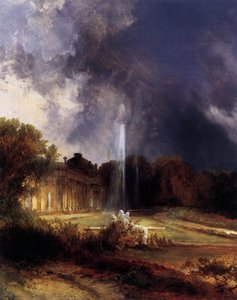
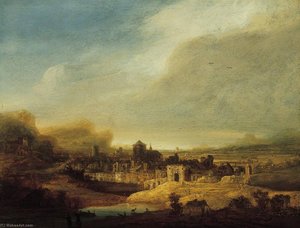
Chatelet’s oeuvre is relatively small, but each piece offers a valuable insight into his artistic sensibilities. Among his most celebrated works are depictions of Swiss landscapes – particularly those showcasing the dramatic peaks and valleys of the Alps – which demonstrate his mastery of perspective and light. His views of Italy, especially the coastal scenes around Naples and Sicily, reveal a keen eye for detail and an appreciation for the region’s rich history and architectural heritage. The “Figures Among Ruins at Tivoli” exemplifies this perfectly; it's not just a landscape painting but a meditation on decay, memory, and the enduring power of ancient structures.
His technique involved extensive sketching *en plein air* (outdoors), meticulously studying the natural world before committing his observations to canvas. He employed a delicate palette, favoring muted tones and subtle gradations of color to create a sense of atmosphere and depth. Chatelet’s use of light was particularly noteworthy – he skillfully captured the interplay of sunlight and shadow, imbuing his landscapes with a palpable sense of realism. The meticulous detail evident in his work—the texture of stone, the foliage of trees, the folds of drapery—suggested a deep commitment to accuracy and observation.
Historical Context & Influences
Chatelet’s artistic development occurred during a period of significant change in France. The late 18th century witnessed the rise of Neoclassicism, which emphasized order, reason, and classical ideals. However, Chatelet's work also reflects the influence of earlier landscape painters like Vernet, who pioneered the use of light and shadow to create atmospheric effects. Robert’s interest in ruins and picturesque landscapes further informed his artistic vision.
The *Voyage pittoresque* project itself was a product of its time – a reflection of the Enlightenment fascination with travel, exploration, and the dissemination of knowledge. Commissioned by Queen Marie Antoinette, the illustrated journey aimed to showcase the beauty and grandeur of Italy and Sicily, reinforcing the monarchy’s image as patrons of art and culture. Chatelet's role in this ambitious undertaking highlights his importance within the artistic landscape of pre-revolutionary France.
Legacy & Significance
Despite his untimely death, Claude-Louis Chatelet left behind a body of work that continues to fascinate art historians and collectors alike. His meticulous landscapes and evocative depictions of historical ruins offer a poignant glimpse into a lost world – a world of opulent estates, grand palaces, and ancient civilizations. Chatelet’s legacy lies not in revolutionary fervor or dramatic gestures, but in his quiet dedication to capturing the beauty and complexity of the natural world with remarkable precision and sensitivity. His work serves as a reminder that even in times of upheaval, art can offer a window into the past and a means of preserving our cultural heritage.
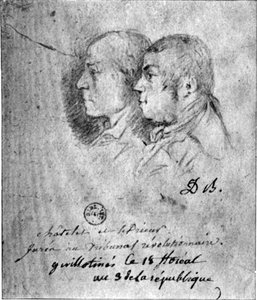
claude louis chatelet
1753 - 1795