 プレビュー
プレビュー
 プリントを購入
 シェアする
シェアする シェアする
シェアする
 詳細を見る
詳細を見る

 ダウンロード
 似ている作品
 X線調査
X線調査 スライドショー
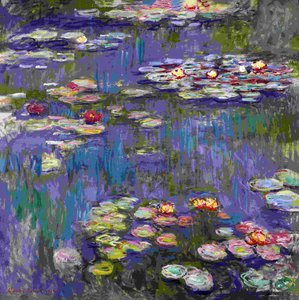
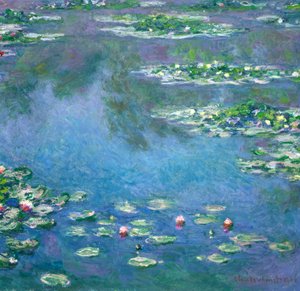
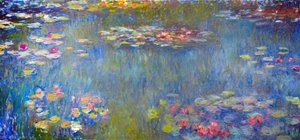
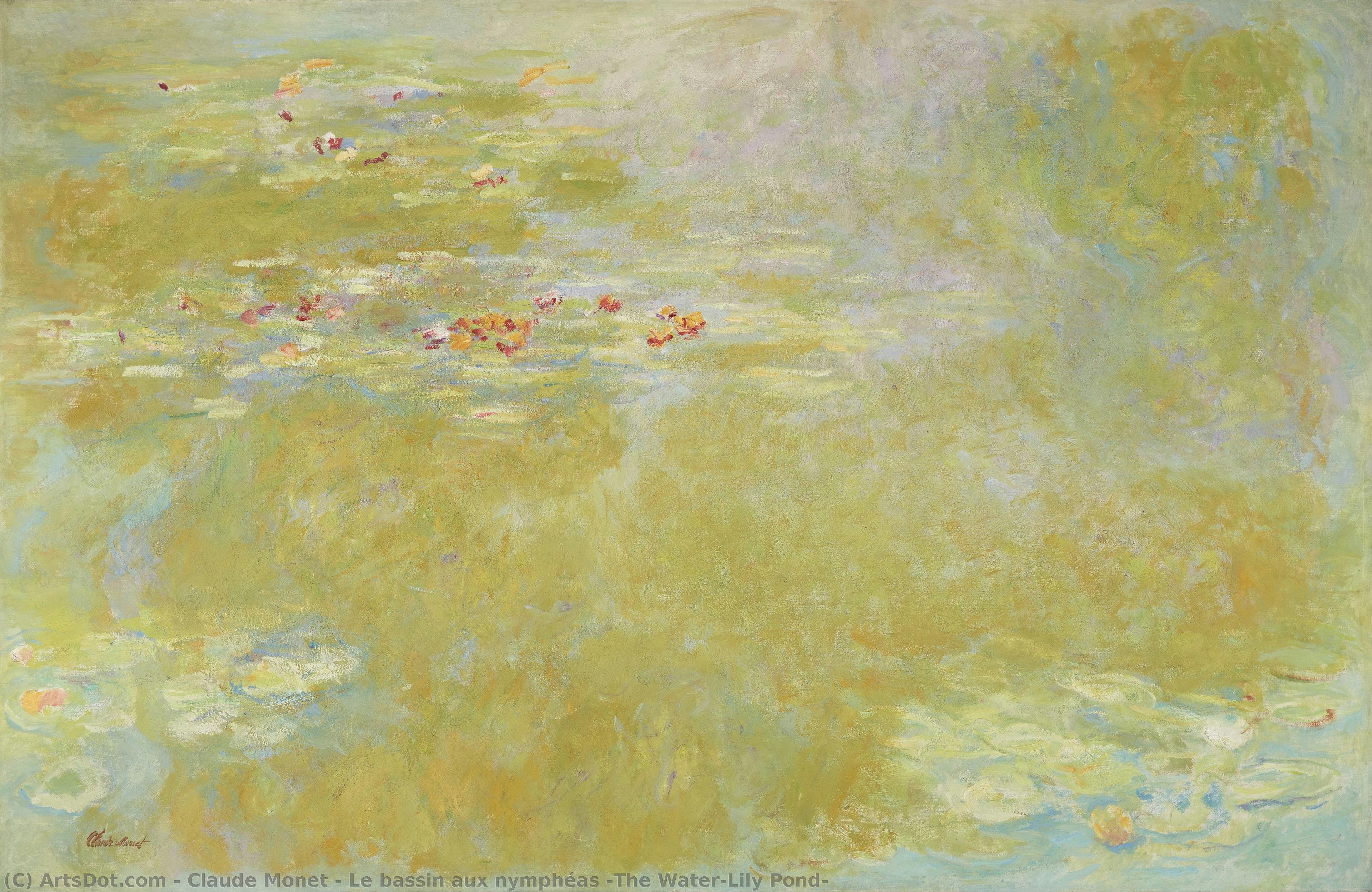
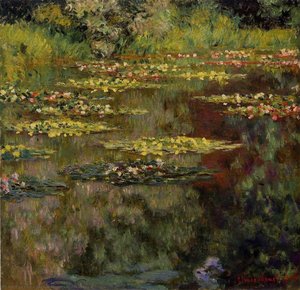
Le bassin aux nymphéas (The Water-Lily Pond)


 詳細を見る
詳細を見る




P118B $10

P118H $10

P118W $10

P438Z $10

P508JH $12

P508YH $12

P805H $10

P805Z $10

P919BZ $10

P919G $10

P919XJ $10

P959ZH $10

P968JZ $12

W106C $8

W218G $10

W218JH $8

W218Y $10

W307PJ $10

W316G $10

W316PJ $8

W316Y $10

W398PJ $8

W4111J $10

W500HY $15

W500JH $15

W692G $12

W849H $8

W940BG $15

W953PJ $8




作品のオリジナル比率に合わせた、当店の規定サイズからお選びください。

特定のフレームやスペースに合わせて、ご希望のサイズをご入力いただけます。選択されたサイズが元の画像の比率と異なる場合、アートワークをトリミングするか、手描きで要素を追加して絵画を拡張いたします。デジタルモックアップ を制作し、制作開始前にご確認(承認)をいただきます。
画面上のプレビューは、実際のトリミングや拡張を正確に反映しているものではありません。最終的な構図は、モックアップによってのみ正確にご確認いただけます。
カスタムサイズもご利用いただけますが、元の比率を維持するためには、あらかじめ用意されたリストからサイズを選択することをお勧めいたします。
ご注文後、ArtsDot.com チームより詳細な指示をお送りするとともに、仕上がりイメージ(モックアップ)をご提供いたします。


 ガラスオプションは、110cm未満のサイズでのみご利用いただけます。

Le bassin aux nymphéas (The Water-Lily Pond)
複製技法
複製画のサイズ
-


合計金額
$ 263
作品解説
A Symphony of Light and Reflection: Monet’s *Le bassin aux nymphéas*
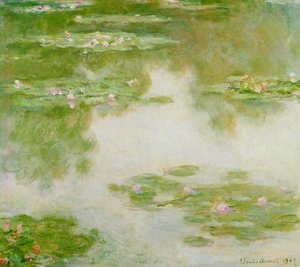
Claude Monet's *Le bassin aux nymphéas*, often simply referred to as “The Water-Lily Pond,” isn’t merely a painting; it’s an immersion. Completed around 1887, this iconic work represents the culmination of decades spent meticulously observing and translating the ephemeral beauty of his Giverny garden into paint. More than just a depiction of water lilies – though they are undeniably central – the canvas captures a fleeting moment in time, a distillation of light, color, and atmosphere that defines Monet’s revolutionary approach to painting. It's a testament to his belief that capturing the *impression* of a scene was far more valuable than striving for photographic realism.
The genesis of this series lies within Monet’s own sanctuary: the pond he created at his home in Giverny, just north of Paris. This carefully cultivated space, with its strategically placed weeping willows and meticulously chosen plants, became a laboratory for his artistic explorations. He wasn't simply painting flowers; he was investigating how light interacts with water, how color shifts with the changing sky, and how these elements combine to create an illusion of depth and movement. The vibrant yellows of the sky, mirroring the reflections in the pond, are particularly striking – Monet masterfully employed broken brushstrokes and juxtaposed hues to evoke a sense of shimmering heat and atmospheric haze.
Impressionism’s Dance with Nature
Monet's dedication to *plein air* painting—working directly from nature—is paramount to understanding *Le bassin aux nymphéas*. He abandoned the traditional studio practice, embracing the challenges and rewards of capturing a scene in its immediate context. This commitment is evident in the loose, visible brushstrokes that define the work; they aren’t meant to conceal the artist's hand but rather to reveal the process of observation itself. The painting isn’t about precise detail, but about conveying the *feeling* of being present within this tranquil space.
The technique employed is a cornerstone of Impressionism. Monet utilized layering of thin washes of color – often applied in rapid succession – to build up the image gradually. He focused on capturing the transient effects of light and shadow, prioritizing optical perception over meticulous rendering. The water’s surface acts as a mirror, reflecting not just the surrounding foliage but also the sky above, creating an infinite depth that draws the viewer into the scene. He deliberately blurred edges and softened forms, contributing to the overall sense of atmospheric perspective.
Symbolism and Emotional Resonance
Beyond its technical brilliance, *Le bassin aux nymphéas* is rich in symbolic meaning. The water lilies themselves represent purity, rebirth, and the cyclical nature of life – themes frequently explored by Monet throughout his career. The pond itself can be interpreted as a metaphor for the subconscious mind, a space of reflection and contemplation. The painting’s serene atmosphere evokes a sense of tranquility and escape, inviting the viewer to momentarily step away from the complexities of modern life.
Monet's lifelong struggle with eye disease profoundly influenced his artistic vision. As he lost his sight, he became increasingly reliant on color and light as his primary means of perceiving the world. *Le bassin aux nymphéas* exemplifies this shift – it’s a painting that speaks not to the eye alone but to the soul, capturing the essence of beauty through its luminous colors and evocative atmosphere. It remains a powerful reminder of Monet's ability to transform a simple garden scene into an enduring masterpiece.
A Timeless Reflection for Your Space
Reproductions of *Le bassin aux nymphéas* offer a remarkable opportunity to bring this iconic work into your home or office. ArtsDot’s hand-painted reproductions meticulously recreate Monet's delicate brushwork and vibrant color palette, ensuring that you experience the painting’s full emotional impact. Whether adorning a living room wall or gracing a corporate lobby, this timeless image will serve as a constant source of inspiration and tranquility. Consider how the serene blues and greens can complement your existing décor, creating a space that embodies the beauty and serenity of Monet's vision.
アーティストの略歴
光と色彩の詩人:クロード・モネの世界
印象派という言葉と同義語とも言えるオスカー=クロード・モネ。彼は単なる風景画家ではなく、一瞬のきらめきを記録する克明な観察者であり、光と色彩の詩人でした。1840年11月14日、パリで生まれ、5歳の時に一家がノルマンディー地方のローヌ=リヴィエールに移り住ったことが、彼の人生に予想外の変化をもたらしました。当初は父親の意向により商業的なキャリアを歩むことになっていましたが、若きモネの内なる芸術的才能はすぐに開花し、まず地元の市場で売られた風刺画として現れました。これは彼の技術と起業家精神の両方を証明するものでした。しかし、彼にとって転機となったのは、エウジェーヌ・ブーダンとの出会いでした。ブーダンはモネに絵を描き方だけでなく、En plein air(直接自然の中で描く)という革命的なアイデアを植え付けました。この実践こそが、彼の芸術的探求全体を定義づけることになったのです。
モネの正式な訓練はパリで始まり、まずアカデミー・スイスで、その後シャルル・グレールのもとで学びました。ここで彼はピエール=オーギュスト・ルノワールといった同時代の芸術家たちとの間に固い友情を築き、共通の芸術的苦悩と伝統的な学術絵画からの解放への欲求によって結ばれました。初期の作品は技術的な熟練さを示していましたが、やがて彼のスタイルを特徴づけることになる独特の声には欠けていました。その後、普仏戦争によりモネはロンドンに避難し、そこでJ.M.W.ターナーといったイギリスの風景画家たちの作品に没頭しました。大気効果と色彩の革新的な使用法を吸収したのです。
美学革命の誕生
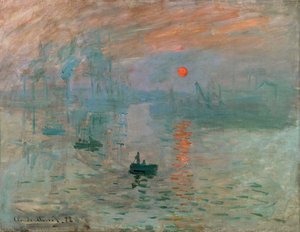
フランスに戻ったモネは、新たな芸術的叛乱の中心人物となりました。保守的なサロンの基準に不満を持っていた彼は、志を同じくする芸術家たちと共に独立展覧会を開催しました。1874年の展覧会は、モネだけでなく、美術界全体にとって転換点となりました。この際、彼の作品「印象、日の出」が展示され、そこから「印象派」という名称が生まれました。この作品はローヌ河口の日の出のぼやけた描写であり、正確な再現ではなく、シーンに対する主観的な印象を捉えようとする運動の名声を決定づけました。
モネのシグネチャー・スタイルは、この時期に花開きました。大胆で目に見える筆致、隣接して配置された鮮やかでしばしば混ざり合っていない色彩(「分割色彩」として知られる技法)、そして変化する条件がシーンを変化させる前に、一瞬の認識を記録するために迅速に作業するという揺るぎない光への集中。これは芸術的慣習からの根本的な逸脱でした。彼はEn plein airの実践を熱心に行い、変化する状況によってシーンが変化する前に、その即時的な知覚を記録するために急速に作業しました。この献身は彼が見たものを描くことだけでなく、それに応答して感じたことを表現することでした。
ヴェルニー:光と反射の楽園
1883年、モネはパリ北西部のヴェルニーに定住し、家と庭を彼の聖域であり、最大のインスピレーション源となるように変貌させました。彼は注意深く敷地を整備し、異国の花々、垂れ柳、そして最も有名な水仙池に架かる日本式の橋などを配置しました。これは単なる装飾的な庭ではなく、光が水、葉、反射に及ぼす影響を制御された条件下で研究できる生きた実験室でした。
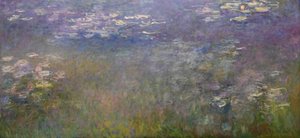
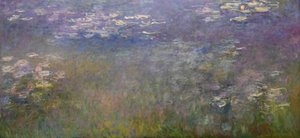
彼の人生の最後の数十年はほぼ完全に水仙池の絵画に捧げられました。睡蓮シリーズという壮大な作品に取り組み、水面の絶え間なく変化する色彩と光のタペストリーを描写した広大なキャンバスを制作しました。これらは単なる花々を描いた絵ではなく、鑑賞者を穏やかな美しさと瞑想的な静けさの世界に包み込む没入型の体験でした。これらの作品の規模は息を呑むほどで、伝統的な絵画の境界線を押し広げ、抽象表現主義を予感させます。
遺産:美術史への永続的な影響
クロード・モネの影響力は計り知れません。彼は印象派の創始者であるだけでなく、芸術家たちが世界を取り囲むものをどのように認識し、表現したかを根本的に変えました。主観的経験への重点、En plein airでの絵画の採用、そして革新的な技術は、現代美術における抽象化と非描写形態の探求への道を開きました。
モネは彼の時代のアバンギャルドな芸術家にとってまれなことですが、生涯にわたってかなりの商業的成功を収めました。彼の作品は今日でも世界中の観客を魅了し、畏敬の念を起こさせ、西洋美術における最も重要な人物の一人としての地位を確固たるものにしています。彼は1926年12月5日に亡くなり、世代を超えて芸術家や美術愛好家の心に響き渡る遺産を残しました。彼の傑作の重要なコレクションは、パリのオルセー美術館やモネ美術館などの著名な機関で保管されており、彼のビジョンが世界を照らし続けています。
主要な芸術的技法
- En plein airでの絵画: 彼の発展の中心であり、光と大気の状態を直接観察することを可能にしました。
- 分割色彩: 光学的なブレンドのために、小さな筆致で純粋な色を隣接して適用します。
- シリーズ絵画: 同じ主題を異なる照明条件や天候条件下で描くことで、時間と光の変革力を示します。
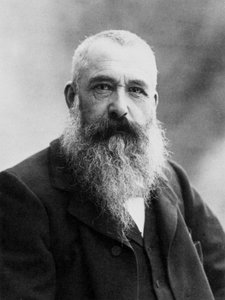
クロード・モネ
1840 - 1926 , フランス
基本情報
- フルネーム: クロード・モネ
- 主な作品:
- 印象、日の出
- 睡蓮
- 干し草
- ルーアン大聖堂
- 出生地: パリ、フランス
- 国籍: フランス人
- 影響を与えたアーティストまたは運動: ['近代美術']
- 影響を受けたアーティスト:
- ユージェン・ブーダン
- J.M.W.ターナー
- 死亡年月日: 1926年12月5日
- 生年月日: 1840年11月14日
- 芸術運動またはスタイル: 印象派
関連記事
クロード・モネ傑作25選:光と色彩の印象派を彩る名画の世界 | ArtsDot
クロード・モネの傑作25選。印象派を代表する光の画家、モネの世界を旅しませんか?睡蓮や風景画など、名画の背景にある物語と芸術技法をご紹介。ArtsDotで高品質な複製画とインテリアアートを見つけましょう。全コレクションはこちら。

印象派風景を彩った至宝:アート史に名を刻む10選
印象派風景の革新を彩った10選。モネ、ルノワールら巨匠の名作を紐解き、色彩と光が生み出す感動の世界へ。アートの歴史とインテリアのインスピレーションをArtsDot.comで。高品質な複製画で、あなただけの空間を創造しましょう。

Impressionistic Landscapes: 10 Masterpieces That Changed Art & Decor
Journey into the heart of Impressionism! Explore 10 masterpieces by Monet, Renoir & Degas that revolutionized landscape art. Discover their stories, techniques & find museum-quality reproductions to elevate your home decor on ArtsDot.com.
Fluid Reflections: Exploring Water's Symbolism in Art History – From Myth to Impressionism
Explore the rich symbolism of water in art history – from ancient myths to Impressionism's fleeting beauty. Discover masterpieces & find your perfect serene artwork with ArtsDot.com.
パリ・オルセー美術館の至宝25選:印象派とポスト印象派の名作を巡る旅 | ArtsDot
パリ・オルセー美術館の至宝25選。モネ、デガ、ゴッホ…印象派とポスト印象派の名作を紐解き、その感動的な物語と色彩に触れる旅へ。ArtsDotで高品質な複製画やアートプリントを見つけ、お部屋に名画の輝きを。今すぐコレクションをご覧ください。