 プレビュー
プレビュー
 プリントを購入
 シェアする
シェアする シェアする
シェアする
 詳細を見る
詳細を見る

 ダウンロード
 似ている作品
 X線調査
X線調査 スライドショー
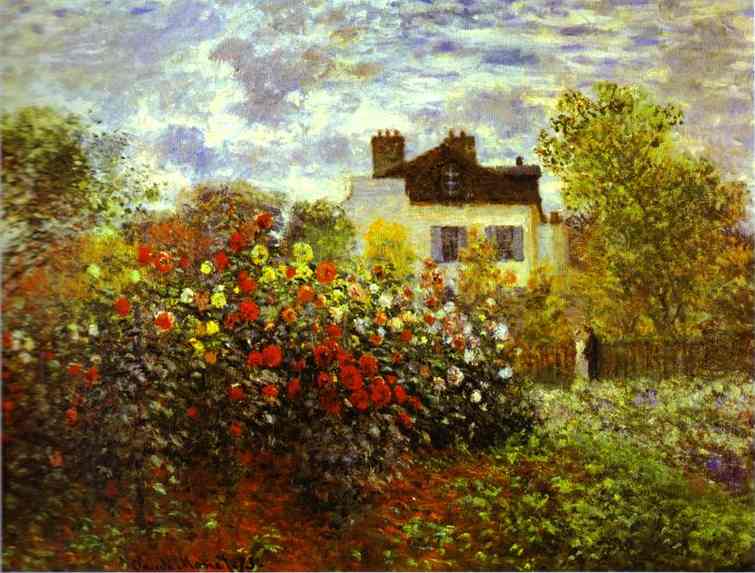
Monet's Garden at Argenteuil


 詳細を見る
詳細を見る




P118B $10

P118H $10

P118W $10

P438Z $10

P508JH $12

P508YH $12

P805H $10

P805Z $10

P919BZ $10

P919G $10

P919XJ $10

P959ZH $10

P968JZ $12

W106C $8

W218G $10

W218JH $8

W218Y $10

W307PJ $10

W316G $10

W316PJ $8

W316Y $10

W398PJ $8

W4111J $10

W500HY $15

W500JH $15

W692G $12

W849H $8

W940BG $15

W953PJ $8




作品のオリジナル比率に合わせた、当店の規定サイズからお選びください。

特定のフレームやスペースに合わせて、ご希望のサイズをご入力いただけます。選択されたサイズが元の画像の比率と異なる場合、アートワークをトリミングするか、手描きで要素を追加して絵画を拡張いたします。デジタルモックアップ を制作し、制作開始前にご確認(承認)をいただきます。
画面上のプレビューは、実際のトリミングや拡張を正確に反映しているものではありません。最終的な構図は、モックアップによってのみ正確にご確認いただけます。
カスタムサイズもご利用いただけますが、元の比率を維持するためには、あらかじめ用意されたリストからサイズを選択することをお勧めいたします。
ご注文後、ArtsDot.com チームより詳細な指示をお送りするとともに、仕上がりイメージ(モックアップ)をご提供いたします。


 ガラスオプションは、110cm未満のサイズでのみご利用いただけます。

Monet's Garden at Argenteuil
複製技法
複製画のサイズ
-


合計金額
$ 263
作品解説
Claude Monet's Garden at Argenteuil: A Symphony of Light and Impression
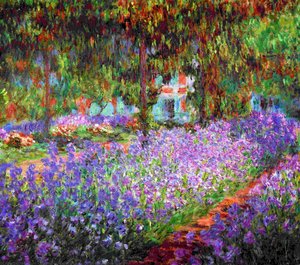
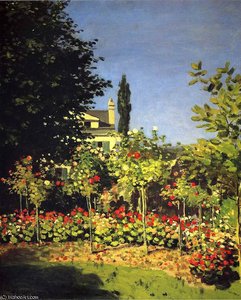
Claude Monet’s *Monet’s Garden at Argenteuil*, painted in 1873, stands as an emblem of Impressionism—a movement that sought to capture fleeting moments of sensory experience rather than meticulously documenting reality. More than just a picturesque depiction of Monet's own garden alongside the Seine River, it embodies a radical shift in artistic perception and technique, forever altering the landscape of painting history. The scene itself is deceptively simple: a sprawling lawn dotted with vibrant flowers—primarily dahlias—underneath a grand house reminiscent of a château, perched atop a gentle slope overlooking the river. Scattered amongst the blossoms are smaller buildings, hinting at the burgeoning resort town of Argenteuil and its allure for Parisian artists and leisure seekers. Yet, within this apparent tranquility lies an astonishing dynamism – a palpable energy conveyed through Monet’s masterful use of color and brushstrokes. Monet's technique—characterized by loose, visible strokes of pigment applied directly to the canvas—was deliberately antithetical to the academic conventions prevalent at the time. Rejecting the smooth blending favored by traditional painters, he embraced the immediacy of plein air painting, striving to reproduce exactly what his eye perceived. The resulting surface is textured and shimmering, capturing the dappled sunlight filtering through the trees and reflecting off the water’s surface—a feat that would have been impossible with conventional methods. He layered colors upon colors, creating an optical illusion that vibrates with luminosity, prioritizing atmospheric effects over precise representation. The painting's significance extends far beyond its aesthetic qualities. It represents a pivotal moment in artistic history, marking the birth of Impressionism and signaling a decisive break from Romantic idealism. Monet’s decision to depict nature as he experienced it—rather than imposing upon it preconceived notions of beauty—challenged the established order and paved the way for subsequent artistic innovations. Furthermore, *Monet's Garden at Argenteuil* speaks powerfully to themes of leisure, domesticity, and the transformative power of observation – concepts that resonated deeply with the artists and intellectuals of the era. The color palette is dominated by reds—particularly in the dahlias—contrasting sharply with greens and blues, mirroring the interplay of light and shadow across the garden landscape. Monet’s meticulous attention to detail—evident in the rendering of individual flowers and foliage—is balanced by a broader compositional strategy that prioritizes capturing the overall mood and atmosphere. The painting invites contemplation, prompting viewers to consider not just what they see but how it feels – a testament to Monet's profound understanding of the human condition and his unwavering commitment to artistic experimentation.- Artist: Claude Monet
- Year: 1873
- Medium: Oil on Canvas
- Location: Musée Marmottan Monet, Paris
- Visit our website to explore our collection of Monet's paintings
- Browse our selection of frames and finishes to customize your reproduction
- Order your hand-painted reproduction of *Monet’s Garden at Argenteuil* today
You can also learn more about Claude Monet and his artwork on Claude Monet page, or visit the National Gallery of Art to discover more about his life and work.
関連作品
アーティストの略歴
光と色彩の詩人:クロード・モネの世界
印象派という言葉と同義語とも言えるオスカー=クロード・モネ。彼は単なる風景画家ではなく、一瞬のきらめきを記録する克明な観察者であり、光と色彩の詩人でした。1840年11月14日、パリで生まれ、5歳の時に一家がノルマンディー地方のローヌ=リヴィエールに移り住ったことが、彼の人生に予想外の変化をもたらしました。当初は父親の意向により商業的なキャリアを歩むことになっていましたが、若きモネの内なる芸術的才能はすぐに開花し、まず地元の市場で売られた風刺画として現れました。これは彼の技術と起業家精神の両方を証明するものでした。しかし、彼にとって転機となったのは、エウジェーヌ・ブーダンとの出会いでした。ブーダンはモネに絵を描き方だけでなく、En plein air(直接自然の中で描く)という革命的なアイデアを植え付けました。この実践こそが、彼の芸術的探求全体を定義づけることになったのです。
モネの正式な訓練はパリで始まり、まずアカデミー・スイスで、その後シャルル・グレールのもとで学びました。ここで彼はピエール=オーギュスト・ルノワールといった同時代の芸術家たちとの間に固い友情を築き、共通の芸術的苦悩と伝統的な学術絵画からの解放への欲求によって結ばれました。初期の作品は技術的な熟練さを示していましたが、やがて彼のスタイルを特徴づけることになる独特の声には欠けていました。その後、普仏戦争によりモネはロンドンに避難し、そこでJ.M.W.ターナーといったイギリスの風景画家たちの作品に没頭しました。大気効果と色彩の革新的な使用法を吸収したのです。
美学革命の誕生
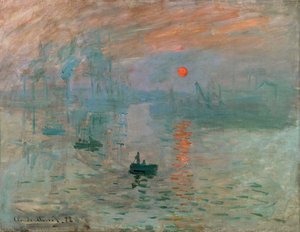
フランスに戻ったモネは、新たな芸術的叛乱の中心人物となりました。保守的なサロンの基準に不満を持っていた彼は、志を同じくする芸術家たちと共に独立展覧会を開催しました。1874年の展覧会は、モネだけでなく、美術界全体にとって転換点となりました。この際、彼の作品「印象、日の出」が展示され、そこから「印象派」という名称が生まれました。この作品はローヌ河口の日の出のぼやけた描写であり、正確な再現ではなく、シーンに対する主観的な印象を捉えようとする運動の名声を決定づけました。
モネのシグネチャー・スタイルは、この時期に花開きました。大胆で目に見える筆致、隣接して配置された鮮やかでしばしば混ざり合っていない色彩(「分割色彩」として知られる技法)、そして変化する条件がシーンを変化させる前に、一瞬の認識を記録するために迅速に作業するという揺るぎない光への集中。これは芸術的慣習からの根本的な逸脱でした。彼はEn plein airの実践を熱心に行い、変化する状況によってシーンが変化する前に、その即時的な知覚を記録するために急速に作業しました。この献身は彼が見たものを描くことだけでなく、それに応答して感じたことを表現することでした。
ヴェルニー:光と反射の楽園
1883年、モネはパリ北西部のヴェルニーに定住し、家と庭を彼の聖域であり、最大のインスピレーション源となるように変貌させました。彼は注意深く敷地を整備し、異国の花々、垂れ柳、そして最も有名な水仙池に架かる日本式の橋などを配置しました。これは単なる装飾的な庭ではなく、光が水、葉、反射に及ぼす影響を制御された条件下で研究できる生きた実験室でした。
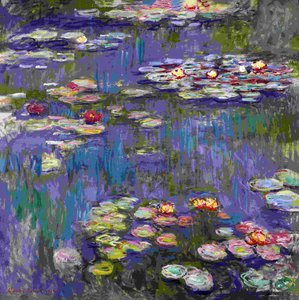
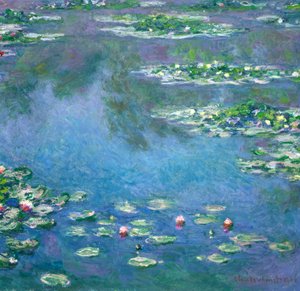
彼の人生の最後の数十年はほぼ完全に水仙池の絵画に捧げられました。睡蓮シリーズという壮大な作品に取り組み、水面の絶え間なく変化する色彩と光のタペストリーを描写した広大なキャンバスを制作しました。これらは単なる花々を描いた絵ではなく、鑑賞者を穏やかな美しさと瞑想的な静けさの世界に包み込む没入型の体験でした。これらの作品の規模は息を呑むほどで、伝統的な絵画の境界線を押し広げ、抽象表現主義を予感させます。
遺産:美術史への永続的な影響
クロード・モネの影響力は計り知れません。彼は印象派の創始者であるだけでなく、芸術家たちが世界を取り囲むものをどのように認識し、表現したかを根本的に変えました。主観的経験への重点、En plein airでの絵画の採用、そして革新的な技術は、現代美術における抽象化と非描写形態の探求への道を開きました。
モネは彼の時代のアバンギャルドな芸術家にとってまれなことですが、生涯にわたってかなりの商業的成功を収めました。彼の作品は今日でも世界中の観客を魅了し、畏敬の念を起こさせ、西洋美術における最も重要な人物の一人としての地位を確固たるものにしています。彼は1926年12月5日に亡くなり、世代を超えて芸術家や美術愛好家の心に響き渡る遺産を残しました。彼の傑作の重要なコレクションは、パリのオルセー美術館やモネ美術館などの著名な機関で保管されており、彼のビジョンが世界を照らし続けています。
主要な芸術的技法
- En plein airでの絵画: 彼の発展の中心であり、光と大気の状態を直接観察することを可能にしました。
- 分割色彩: 光学的なブレンドのために、小さな筆致で純粋な色を隣接して適用します。
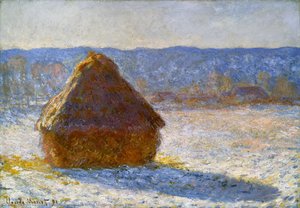
- シリーズ絵画: 同じ主題を異なる照明条件や天候条件下で描くことで、時間と光の変革力を示します。
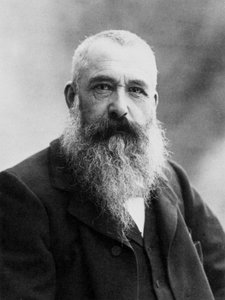
クロード・モネ
1840 - 1926 , フランス
基本情報
- フルネーム: クロード・モネ
- 主な作品:
- 印象、日の出
- 睡蓮
- 干し草
- ルーアン大聖堂
- 出生地: パリ、フランス
- 国籍: フランス人
- 影響を与えたアーティストまたは運動: ['近代美術']
- 影響を受けたアーティスト:
- ユージェン・ブーダン
- J.M.W.ターナー
- 死亡年月日: 1926年12月5日
- 生年月日: 1840年11月14日
- 芸術運動またはスタイル: 印象派
関連記事
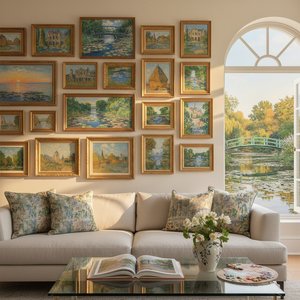
クロード・モネ傑作25選:光と色彩の印象派を彩る名画の世界 | ArtsDot
クロード・モネの傑作25選。印象派を代表する光の画家、モネの世界を旅しませんか?睡蓮や風景画など、名画の背景にある物語と芸術技法をご紹介。ArtsDotで高品質な複製画とインテリアアートを見つけましょう。全コレクションはこちら。
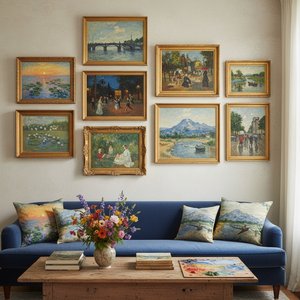
Impressionistic Landscapes: 10 Masterpieces That Changed Art & Decor
Journey into the heart of Impressionism! Explore 10 masterpieces by Monet, Renoir & Degas that revolutionized landscape art. Discover their stories, techniques & find museum-quality reproductions to elevate your home decor on ArtsDot.com.

印象派風景を彩った至宝:アート史に名を刻む10選
印象派風景の革新を彩った10選。モネ、ルノワールら巨匠の名作を紐解き、色彩と光が生み出す感動の世界へ。アートの歴史とインテリアのインスピレーションをArtsDot.comで。高品質な複製画で、あなただけの空間を創造しましょう。
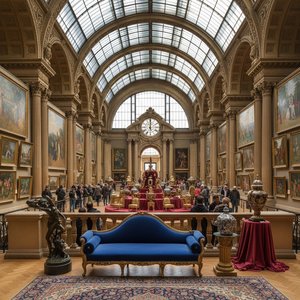
パリ・オルセー美術館の至宝25選:印象派とポスト印象派の名作を巡る旅 | ArtsDot
パリ・オルセー美術館の至宝25選。モネ、デガ、ゴッホ…印象派とポスト印象派の名作を紐解き、その感動的な物語と色彩に触れる旅へ。ArtsDotで高品質な複製画やアートプリントを見つけ、お部屋に名画の輝きを。今すぐコレクションをご覧ください。
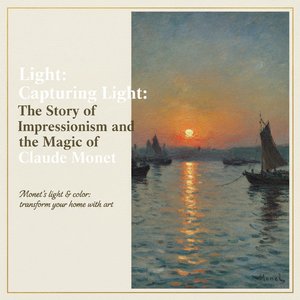
Capturing Light: The Revolution of Impressionism and the Eternal Legacy of Claude Monet
Explore the revolutionary world of Claude Monet and Impressionism. Discover how the mastery of light and color transformed art history, from plein air landscapes to the iconic Water Lilies series, and learn how to bring this timeless elegance into your home decor.