

 プレビュー
プレビュー
 シェアする
シェアする シェアする
シェアする
 詳細を見る
詳細を見る

 ダウンロード
 似ている作品
 X線調査
X線調査 スライドショー
 Stats
StatsAlaïa Fashion Drawing


 詳細を見る
詳細を見る
ジークレー/アートプリント
迅速な制作と多彩な仕上げオプションを備えた、ミュージアムクオリティのジークレーまたはキャンバスプリント。 ( 手描きの絵画を購入 Switch to Digital Image)




P118B $10

P118H $10

P118W $10

P438Z $10

P508JH $12

P508YH $12

P805H $10

P805Z $10

P919BZ $10

P919G $10

P919XJ $10

P959ZH $10

P968JZ $12

W106C $8

W218G $10

W218JH $8

W218Y $10

W307PJ $10

W316G $10

W316PJ $8

W316Y $10

W398PJ $8

W4111J $10

W500HY $15

W500JH $15

W692G $12

W849H $8

W940BG $15

W953PJ $8




作品のオリジナル比率に合わせた、当店の規定サイズからお選びください。

特定のフレームやスペースに合わせて、ご自身でサイズを指定することも可能です。選択されたサイズが元の画像の比率と一致しない場合、作品をトリミングするか、鏡面反射または単色での塗りつぶしによって画像を拡張いたします。制作を開始する前に、ご確認用のデジタルモックアップをお送りいたします。
画面上のプレビューには、実際のトリミングや拡張は反映されませんのでご注意ください。最終的な構図を正確に確認できるのは、モックアップのみとなります。
カスタムサイズも承っておりますが、元の比率を維持するためには、あらかじめ用意されたリストからサイズを選択することをお勧めいたします。


 ガラスオプションは、110cm未満のサイズでのみご利用いただけます。

Alaïa Fashion Drawing
ジークレー/アートプリント
複製画のサイズ
-


合計金額
$ 62
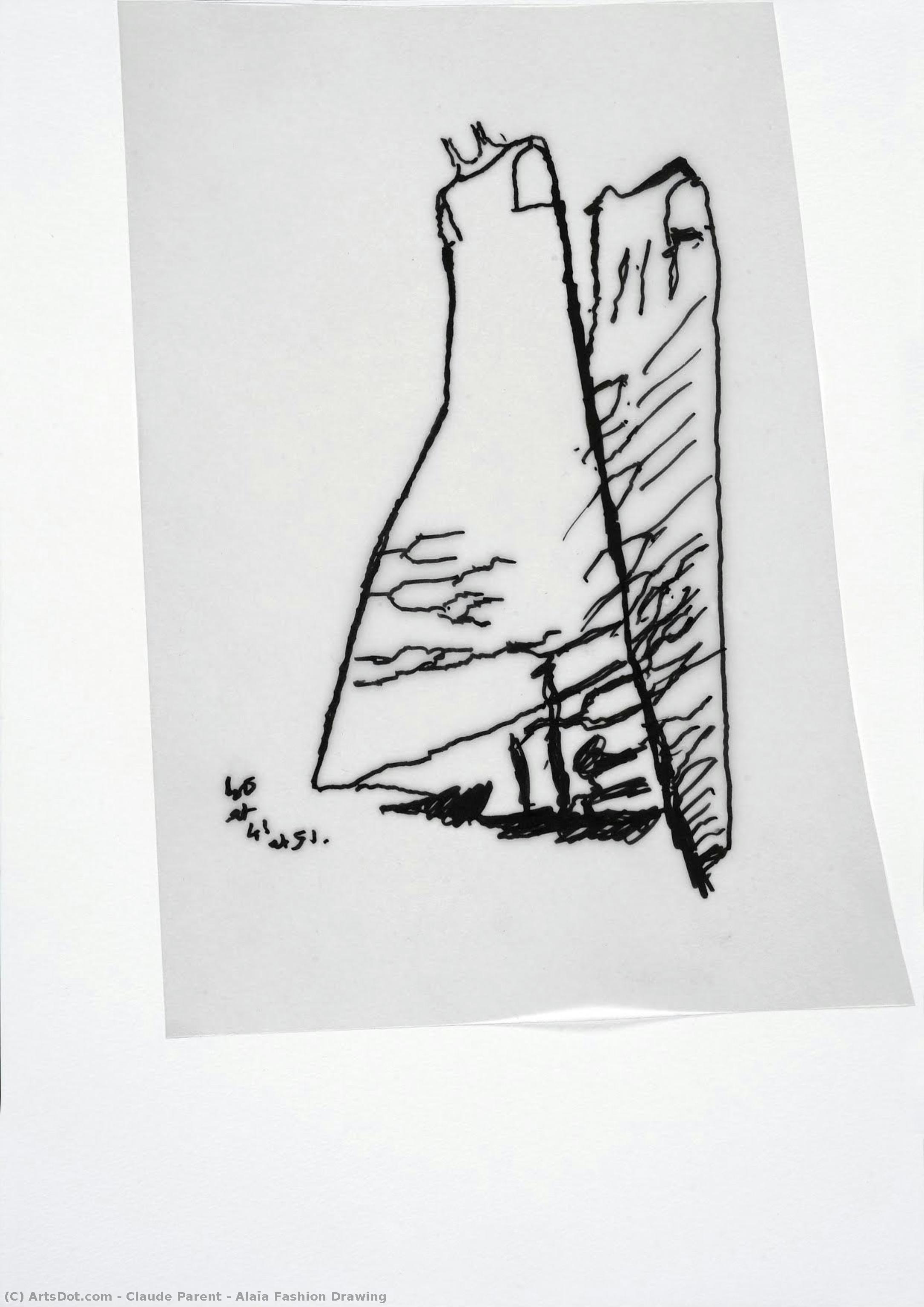
A Moment of Fluidity: Decoding the Oblique Line of Claude Parent’s Alaïa Sketch
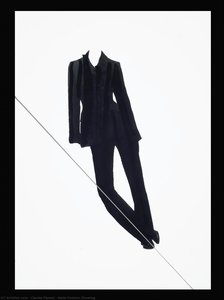
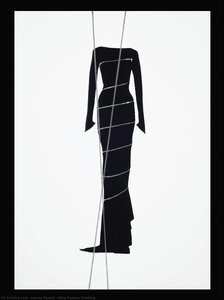
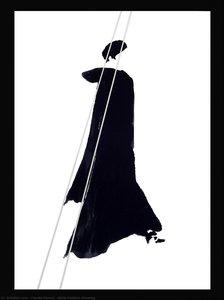
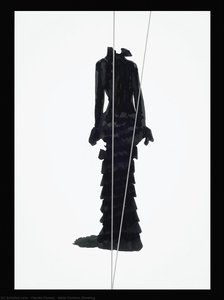
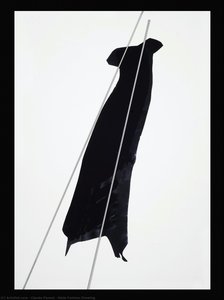
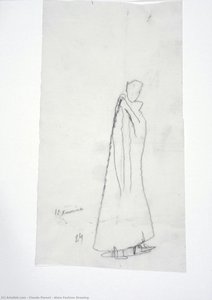
Claude Parent's 2016 sketch, “Alaïa Fashion Drawing,” isn’t merely a depiction of clothing; it’s a distilled essence of movement, an architectural impulse captured on paper. Born in Neuilly-sur-Seine, France, in 1923 and passing away in 2016, Parent was a radical architect who fundamentally challenged the rigid geometries of Modernism, advocating instead for spaces that responded organically to human experience – a philosophy vividly embodied in this deceptively simple drawing. It’s a testament to his belief that architecture should be dynamic, not static, and that clothing, too, could embody this principle of constant flux.
The piece immediately commands attention with its stark simplicity: a predominantly black-and-white composition dominated by a vertical form suggestive of a flowing dress or gown. Yet, within this apparent minimalism lies a complex interplay of lines and gestures. Parent eschews precise representation, opting instead for a loose, gestural style reminiscent of fashion illustration but imbued with the intellectual rigor of an architect. The drawing isn’t about replicating a garment; it's about capturing its *feeling*, its inherent movement as it drapes and flows across the body.
The Language of the Oblique: Line, Form, and Gesture
Parent’s technique is characterized by a masterful use of hatching and cross-hatching to create an illusion of texture and volume. Bold, decisive lines delineate the primary form, while delicate, sketchy strokes suggest the folds and wrinkles of fabric. The varying line weights contribute significantly to the drawing's dynamism, creating a sense of depth and movement that transcends mere representation. Notice how the lines don’t simply outline the garment; they *become* its essence – a visual embodiment of its flowing form.
The composition itself is deliberately asymmetrical, reflecting Parent’s core architectural principle: the “Oblique Function.” Rather than adhering to strict horizontal and vertical alignments, he sought to introduce angles and curves into space, creating a sense of disorientation and surprise. This principle is mirrored in the drawing; the figure extends vertically, yet its lines curve and twist, disrupting any expectation of static equilibrium. The deliberate imbalance creates visual tension and invites the viewer to actively engage with the image.
A Dialogue Between Fashion and Architecture
Parent’s collaboration with Azzedine Alaïa in creating this sketch reveals a fascinating dialogue between two creative minds. Alaïa, a renowned fashion designer known for his sculptural silhouettes and innovative use of materials, provided the subject matter – a representation of his designs. Parent, in turn, translated these forms into a visual language that reflected his architectural philosophy. The drawing isn’t simply a portrait of a dress; it's an architectural interpretation of fashion, demonstrating how design principles can be applied to both clothing and space.
The monochrome palette – shades of black on white – further emphasizes the drawing’s conceptual core. By stripping away color, Parent focuses entirely on form and texture, allowing the viewer to appreciate the intricacies of line and gesture. It's a deliberate choice that elevates the sketch beyond a mere illustration, transforming it into a study in spatial relationships and dynamic movement.
Beyond the Sketch: A Legacy of Discomfort and Innovation
Claude Parent’s work was often provocative, challenging conventional notions of architecture and design. He sought to disrupt established norms, creating spaces that were unsettling yet exhilarating – spaces that demanded active engagement from their occupants. “Alaïa Fashion Drawing” serves as a poignant example of this approach, offering a glimpse into the mind of an architect who dared to question everything. It’s a reminder that true innovation often lies in embracing discomfort and challenging the status quo.
関連作品

アーティストの略歴
斜めの異端児:クロード・パレントの革命的なヴィジョン
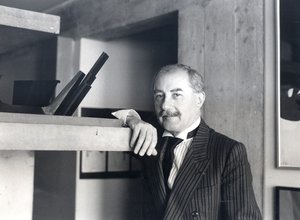
1923年にフランスのヌイイ=シュル=ブレンで生まれ、2016年にその生涯を閉じたクロード・パレントは、単なる建築家ではありませんでした。彼は、モダニズム建築思想の根幹に対して根本的な問いを投げかけた、哲学的な挑発者だったのです。直角や静止した形態が支配する世界に敢えて異議を唱え、代わりに動き続ける人体に呼応するダイナミックな建築を構想しました。そのヴィジョンは、彼の画期的な概念である「斜めの機能(Oblique Function)」の中に具現化されています。パレントの歩みは、1949年から1955年にかけてのイオネル・シャインによる修行を通じて、確かな技術的基盤を築くことから始まりました。しかし、この時期は同時に、既成の規範からの解放への渇望を彼の中に燃え上がらせる時期でもありました。その情熱は、1951年には前衛的な「エスパース・グループ」へと彼を導き、芸術家アンドレ・ブロックやフェリックス・デル・マルレと共に、空間と形態に関する急進的な新しい思想に触れることとなったのです。この初期の経験が決定的な転換点となり、彼の建築的反逆への軌道を形作ることになりました。「斜めの機能」の誕生
1950年代半ばまでには、パレントは独自の道を切り拓き始めていました。モダニズム建築の多くを定義づけていた硬直した直交性を拒絶し、彼は静的な安定よりも動きとダイナミズムを優先させる原理、「斜めの機能」を開発しました。これは単なる審美的な選択ではなく、人間がいかに空間と関わるかという哲学的な表明でもありました。パレントは、建築は身体に対して押し付けられるものではなく、むしろ自然な人間の動きを受け入れ、促すものであるべきだと信じていました。彼は、傾斜し、ずれていくボリュームを構想し、床や壁という伝統的な概念を打ち破る不連続な空間を作り出すことで、あえて方向感覚を失わせ、建築を体験するための新たな手法を促そうとしたのです。この急進的なアプローチは孤立して生まれたものではありません。哲学者ポール・ヴィリリオとの知的なパートナーシップと深く結びついていました。二人は1963年に「アルシュテクチュール・プランスィプ(Architecture Principe)」グループを結成し、速度、テクノロジー、そして動きが建築空間に与える影響を探求しました。この共同作業は、パレントの最も象徴的な作品群を生み出すことになります。金字塔となるプロジェクトと挑発的なコラボレーション
ヴィリリオとのコラボレーションは、彼らの最も輝かしい成果といえる、ヌヴェールにある「サント=ベルナデッタ=デュ=バンレー教会(1966年)」において頂点に達しました。斜めの機能の鮮烈なモニュメントであるこのコンクリート造の教会は、劇的に傾斜した床と、従来の宗教建築の常識を覆す形態を備えています。それは単なる建造物ではなく、一つの「体験」なのです。方向感覚を揺さぶり、深い思索へと誘うために設計された空間といえるでしょう。この画期的なプロジェクトに留まらず、パレントは一貫して自身の原理を他の作品にも適用していきました。「メゾン・ドルシュ(1963年)」は、住宅デザインにおける斜めの機能の初期の例として知られ、一方で打ち放しコンクリートを用いた「サンスのスーパーマーケット(197な年)」などのプロジェクトは、これらの思想を商業空間へと翻訳する彼の能力を示しました。パレントの多才さは建築の枠を超えていました。彼は1970年のヴェネツィア・ビエンナーレにおいてフランス館のキュレーターを務め、そこを斜めの空間へと変貌させ、芸術家たちにこの型破りな環境での表現を促しました。さらにはファッション・イラストレーションの世界にも足を踏み入れ、アズディン・アライアのために衝撃的なデザインを手がけるなど、その適応力と芸術的レンジの広さを証明したのです。破壊が遺した永続的なレガシー
1968年にヴィリリオとのパートナーシップは解消されましたが、パレントはキャリアを通じて「斜めの機能」を洗練させ、実践し続けました。彼は確立された規範に挑戦し続ける不屈の提唱者であり続け、知的刺激と体験的な没入感を兼ね備えた空間を創出し続けました。彼の仕事はデコンストラクティヴィズム(脱構築主義)の発展に深い影響を与え、既成の制約から解き放たれようとする現代の建築家やデザイナーたちの心に、今なお響き続けています。パレントの遺産は、単に彼が建てた建造物によって定義されるだけではありません。それは、建築的言説の境界を押し広げた彼の理論的な貢献や、挑発的なマニフェストとしてのドローイング、そして現状に疑問を投げかけ続けた揺るぎない姿勢の中に存在しています。彼は、建築が単なる避難所以上のものになり得ることを証明しました。それは思考の触媒となり、知覚への挑戦となり、そして人間存在のダイナミックな性質を映し出す鏡となり得るのです。彼の作品は、私たちの周囲の世界に対する理解を形作る、建築が持つ力の証として今もなお輝き続けています。クロード・パレントの作品を探る
- アライアのファッション・ドローイング:エレガントなラインと大胆なコントラストを見せる、ミニマリズム溢れるファッション・ドローイング。アライアのシルエットを反映した、唯一無二のグラフィックデザインです。
- サント=ベルナデッタ=デュ=バンレー教会 (1966年):「斜めの機能」とその空間体験への影響を体現した記念碑的なプロジェクト。劇的に傾斜した床を持つコンクリートの教会です。
- メゾン・ドルシュ (1963年):パレントの斜めの原理を用いた初期の住宅建築例であり、居住空間に対する彼の革新的なアプローチを示しています。
クロード・パレント
1923 - 2016 , フランス
基本情報
- Artistic Movement Or Style: 斜動建築 (Oblique Architecture)
- Artists Or Movements Influenced By This Artist:
- 脱構築主義
- ポール・ヴィリリオ
- Artists Who Influenced This Artist:
- イオネル・シャイン
- アンドレ・ブロック
- フェリックス・デル・マル
- Date Of Birth: 1923-02-26
- Date Of Death: 2016-02-27
- Full Name: クロード・パレント
- Nationality: フランス
- Notable Artworks:
- サント=ベルナデット=デュ=バンレー教会
- ドリュシュ邸
- アライア・ファッション・ドローイング
- Place Of Birth: フランス、ヌイイ=シュル=セーヌ
関連記事

Dark Masterpieces: 10 Iconic Paintings Dominated by Black Tones |
Explore 10 iconic paintings dominated by black tones, from Rembrandt’s chiaroscuro to Goya's dark expressions. Discover the stories behind these masterpieces & find museum-quality art reproductions for your home at .

The Nuances of Graphite: Exploring Emotional Depth & Technical Mastery in Pencil Drawing
Explore the captivating world of graphite drawing! Discover its rich history, master essential techniques like chiaroscuro, and learn how artists evoke emotion through this timeless medium. Expert insights for art enthusiasts.
Timeless Elegance: Unveiling the Chic Allure and Artistic Legacy of Black Dress Artworks
Immerse yourself in the timeless allure of black dress artworks. Explore a curated collection of fine art reproductions and bespoke oil paintings that blend fashion history with modern elegance. Discover how ArtsDot.com transforms memories into exquisite, hand-painted masterpieces.
Minimalist Masterpieces: 10 Artworks for Serene Home Decor | ArtsDot
Find serenity with 10 minimalist masterpieces! Explore Agnes Martin, Rothko & more. Discover the stories behind iconic abstract art, neutral palettes & calming designs. Museum-quality reproductions at ArtsDot.com – elevate your home decor today!
クロード・モネ傑作25選:光と色彩の印象派を彩る名画の世界 | ArtsDot
クロード・モネの傑作25選。印象派を代表する光の画家、モネの世界を旅しませんか?睡蓮や風景画など、名画の背景にある物語と芸術技法をご紹介。ArtsDotで高品質な複製画とインテリアアートを見つけましょう。全コレクションはこちら。