

 プレビュー
プレビュー
 プリントを購入
 シェアする
シェアする シェアする
シェアする
 詳細を見る
詳細を見る

 ダウンロード
 似ている作品
 X線調査
X線調査 スライドショー
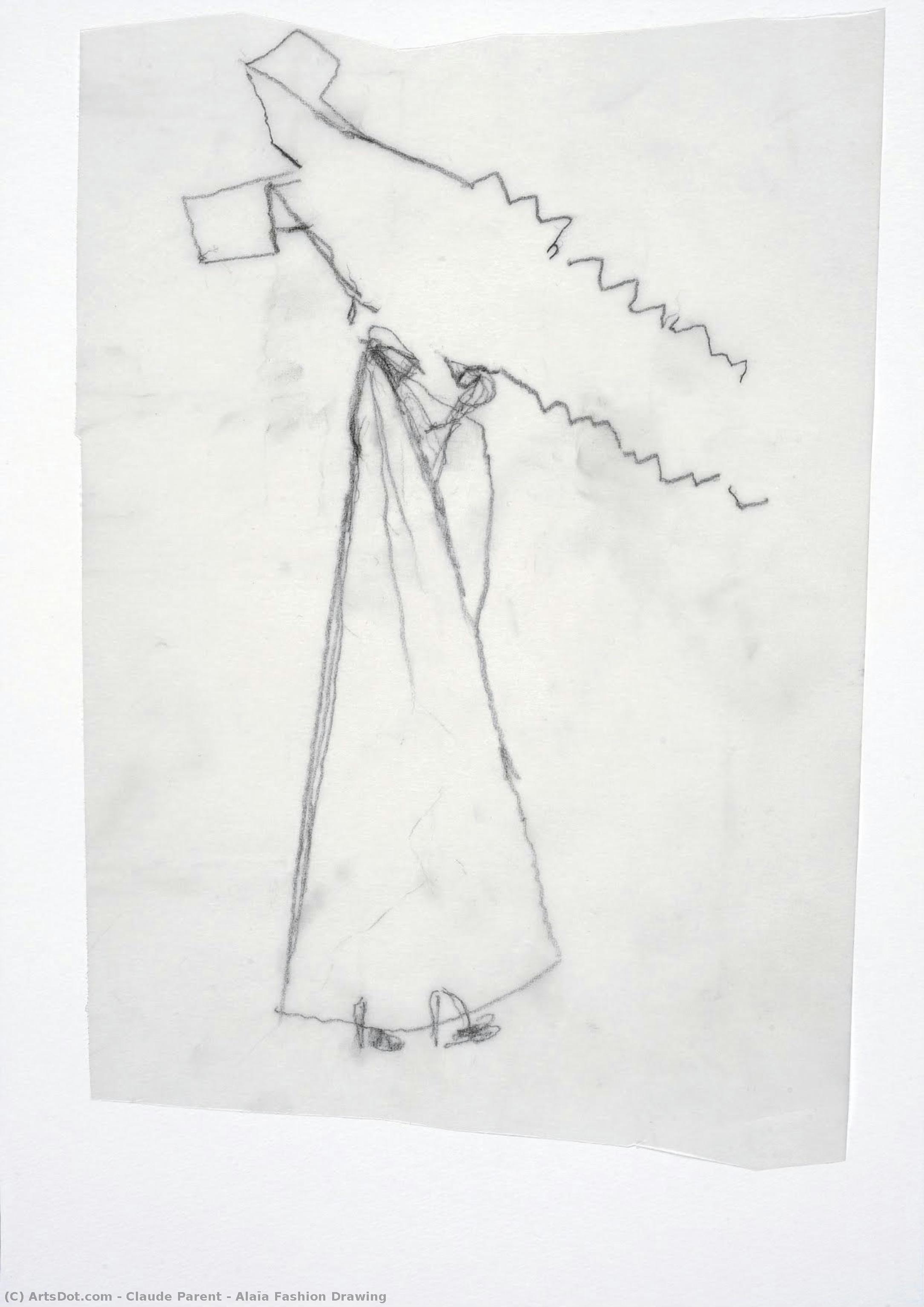
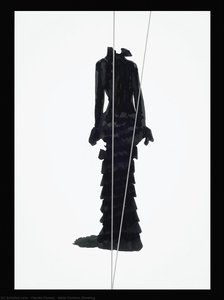
Alaïa Fashion Drawing


 詳細を見る
詳細を見る




P118B $10

P118H $10

P118W $10

P438Z $10

P508JH $12

P508YH $12

P805H $10

P805Z $10

P919BZ $10

P919G $10

P919XJ $10

P959ZH $10

P968JZ $12

W106C $8

W218G $10

W218JH $8

W218Y $10

W307PJ $10

W316G $10

W316PJ $8

W316Y $10

W398PJ $8

W4111J $10

W500HY $15

W500JH $15

W692G $12

W849H $8

W940BG $15

W953PJ $8




作品のオリジナル比率に合わせた、当店の規定サイズからお選びください。

特定のフレームやスペースに合わせて、ご希望のサイズをご入力いただけます。選択されたサイズが元の画像の比率と異なる場合、アートワークをトリミングするか、手描きで要素を追加して絵画を拡張いたします。デジタルモックアップ を制作し、制作開始前にご確認(承認)をいただきます。
画面上のプレビューは、実際のトリミングや拡張を正確に反映しているものではありません。最終的な構図は、モックアップによってのみ正確にご確認いただけます。
カスタムサイズもご利用いただけますが、元の比率を維持するためには、あらかじめ用意されたリストからサイズを選択することをお勧めいたします。
ご注文後、ArtsDot.com チームより詳細な指示をお送りするとともに、仕上がりイメージ(モックアップ)をご提供いたします。


 ガラスオプションは、110cm未満のサイズでのみご利用いただけます。

Alaïa Fashion Drawing
複製技法
複製画のサイズ
-


合計金額
$ 263
Claude Parent: Alaïa Fashion Drawing – A Minimalist Echo of Rebellion
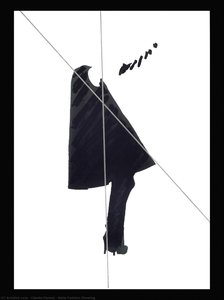
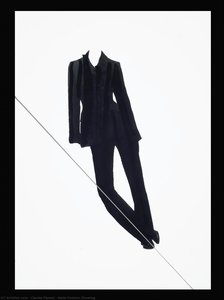
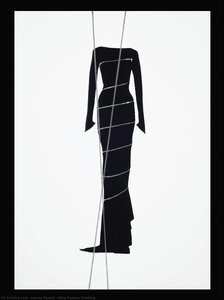
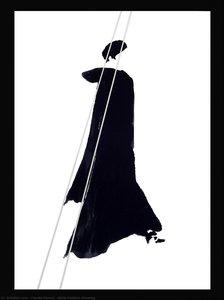
Claude Parent’s “Alaïa Fashion Drawing,” created in 2016, isn't merely an image; it’s a crystallized embodiment of the artist’s radical philosophy—a defiant rejection of architectural conventions and a passionate embrace of dynamism. Produced by ArtsDot.com, this piece represents more than just a depiction of Alaïa’s couture dress; it encapsulates Parent’s groundbreaking concept of “the oblique function,” which fundamentally questioned the dominance of straight lines and static forms in architecture.
At first glance, the drawing appears deceptively simple—a monochrome sketch rendered on tracing paper using pencil. However, beneath this apparent austerity lies a profound intellectual engagement with space and movement. Parent’s meticulous attention to detail isn't focused on replicating every contour of the garment; instead, he prioritizes capturing its essence – the way it interacts with the human body in motion.
Composition & Technique: Embracing Discontinuity
- Centered Figure: The woman’s silhouette is positioned precisely at the center of the frame, emphasizing balance and stability while simultaneously hinting at a subtle tension.
- Dominant Dress: Alaïa's dress occupies almost the entire canvas, its flowing lines extending outwards from the shoulders to create an expansive visual horizon.
- Line Work: Parent’s masterful linework employs hatching and cross-hatching techniques to generate tonal variations that convey depth and volume—a deliberate departure from traditional architectural rendering methods. Varying line weights contribute to a dynamic interplay of light and shadow, mirroring the movement inherent in fabric drapery.
- Tracing Paper: The use of tracing paper lends an immediacy and spontaneity to the drawing process, reflecting Parent’s belief that architecture should be responsive to human experience rather than rigidly imposed upon it.
Historical Context & Philosophical Influence
Parent's artistic vision emerged from a rejection of Modernist dogma—a reaction against the perceived sterility of rectilinear structures and the suppression of natural forms. Influenced by thinkers like Ionel Schein and André Bloc, he championed the “oblique function,” arguing that architecture should embrace asymmetry and instability to stimulate creativity and challenge conventional perceptions of space.
This drawing aligns perfectly with Parent’s broader philosophical stance—a conviction that architecture must transcend mere functionality to engage in a dialogue with human movement. It embodies his desire to disrupt established norms and provoke contemplation, mirroring the spirit of Deconstructivism and echoing the pioneering explorations of Jean Nouvel.
Symbolism & Emotional Resonance
"Alaïa Fashion Drawing" transcends its visual representation; it speaks to themes of elegance, fluidity, and liberation. The monochrome palette underscores Parent’s commitment to stripping away superfluous ornamentation—leaving only the fundamental form and texture of the dress exposed.
The drawing's understated simplicity serves as a powerful reminder that true beauty resides in embracing imperfection and challenging preconceived notions. Like many of Parent’s artworks, it invites viewers to consider the role of architecture in shaping human experience—a quest for dynamism and discontinuity that continues to inspire artists and designers today.
Further Exploration
Discover more about Claude Parent's groundbreaking work on ArtsDot.com. Explore his iconic Alaïa Fashion Drawing alongside other exceptional pieces showcasing minimalist lines and bold contrast.
関連作品

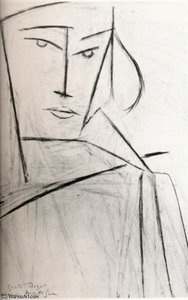
アーティストの略歴
斜めの異端児:クロード・パレントの革命的なヴィジョン
1923年にフランスのヌイイ=シュル=ブレンで生まれ、2016年にその生涯を閉じたクロード・パレントは、単なる建築家ではありませんでした。彼は、モダニズム建築思想の根幹に対して根本的な問いを投げかけた、哲学的な挑発者だったのです。直角や静止した形態が支配する世界に敢えて異議を唱え、代わりに動き続ける人体に呼応するダイナミックな建築を構想しました。そのヴィジョンは、彼の画期的な概念である「斜めの機能(Oblique Function)」の中に具現化されています。パレントの歩みは、1949年から1955年にかけてのイオネル・シャインによる修行を通じて、確かな技術的基盤を築くことから始まりました。しかし、この時期は同時に、既成の規範からの解放への渇望を彼の中に燃え上がらせる時期でもありました。その情熱は、1951年には前衛的な「エスパース・グループ」へと彼を導き、芸術家アンドレ・ブロックやフェリックス・デル・マルレと共に、空間と形態に関する急進的な新しい思想に触れることとなったのです。この初期の経験が決定的な転換点となり、彼の建築的反逆への軌道を形作ることになりました。「斜めの機能」の誕生
1950年代半ばまでには、パレントは独自の道を切り拓き始めていました。モダニズム建築の多くを定義づけていた硬直した直交性を拒絶し、彼は静的な安定よりも動きとダイナミズムを優先させる原理、「斜めの機能」を開発しました。これは単なる審美的な選択ではなく、人間がいかに空間と関わるかという哲学的な表明でもありました。パレントは、建築は身体に対して押し付けられるものではなく、むしろ自然な人間の動きを受け入れ、促すものであるべきだと信じていました。彼は、傾斜し、ずれていくボリュームを構想し、床や壁という伝統的な概念を打ち破る不連続な空間を作り出すことで、あえて方向感覚を失わせ、建築を体験するための新たな手法を促そうとしたのです。この急進的なアプローチは孤立して生まれたものではありません。哲学者ポール・ヴィリリオとの知的なパートナーシップと深く結びついていました。二人は1963年に「アルシュテクチュール・プランスィプ(Architecture Principe)」グループを結成し、速度、テクノロジー、そして動きが建築空間に与える影響を探求しました。この共同作業は、パレントの最も象徴的な作品群を生み出すことになります。金字塔となるプロジェクトと挑発的なコラボレーション
ヴィリリオとのコラボレーションは、彼らの最も輝かしい成果といえる、ヌヴェールにある「サント=ベルナデッタ=デュ=バンレー教会(1966年)」において頂点に達しました。斜めの機能の鮮烈なモニュメントであるこのコンクリート造の教会は、劇的に傾斜した床と、従来の宗教建築の常識を覆す形態を備えています。それは単なる建造物ではなく、一つの「体験」なのです。方向感覚を揺さぶり、深い思索へと誘うために設計された空間といえるでしょう。この画期的なプロジェクトに留まらず、パレントは一貫して自身の原理を他の作品にも適用していきました。「メゾン・ドルシュ(1963年)」は、住宅デザインにおける斜めの機能の初期の例として知られ、一方で打ち放しコンクリートを用いた「サンスのスーパーマーケット(197な年)」などのプロジェクトは、これらの思想を商業空間へと翻訳する彼の能力を示しました。パレントの多才さは建築の枠を超えていました。彼は1970年のヴェネツィア・ビエンナーレにおいてフランス館のキュレーターを務め、そこを斜めの空間へと変貌させ、芸術家たちにこの型破りな環境での表現を促しました。さらにはファッション・イラストレーションの世界にも足を踏み入れ、アズディン・アライアのために衝撃的なデザインを手がけるなど、その適応力と芸術的レンジの広さを証明したのです。破壊が遺した永続的なレガシー
1968年にヴィリリオとのパートナーシップは解消されましたが、パレントはキャリアを通じて「斜めの機能」を洗練させ、実践し続けました。彼は確立された規範に挑戦し続ける不屈の提唱者であり続け、知的刺激と体験的な没入感を兼ね備えた空間を創出し続けました。彼の仕事はデコンストラクティヴィズム(脱構築主義)の発展に深い影響を与え、既成の制約から解き放たれようとする現代の建築家やデザイナーたちの心に、今なお響き続けています。パレントの遺産は、単に彼が建てた建造物によって定義されるだけではありません。それは、建築的言説の境界を押し広げた彼の理論的な貢献や、挑発的なマニフェストとしてのドローイング、そして現状に疑問を投げかけ続けた揺るぎない姿勢の中に存在しています。彼は、建築が単なる避難所以上のものになり得ることを証明しました。それは思考の触媒となり、知覚への挑戦となり、そして人間存在のダイナミックな性質を映し出す鏡となり得るのです。彼の作品は、私たちの周囲の世界に対する理解を形作る、建築が持つ力の証として今もなお輝き続けています。クロード・パレントの作品を探る
- アライアのファッション・ドローイング:エレガントなラインと大胆なコントラストを見せる、ミニマリズム溢れるファッション・ドローイング。アライアのシルエットを反映した、唯一無二のグラフィックデザインです。
- サント=ベルナデッタ=デュ=バンレー教会 (1966年):「斜めの機能」とその空間体験への影響を体現した記念碑的なプロジェクト。劇的に傾斜した床を持つコンクリートの教会です。
- メゾン・ドルシュ (1963年):パレントの斜めの原理を用いた初期の住宅建築例であり、居住空間に対する彼の革新的なアプローチを示しています。
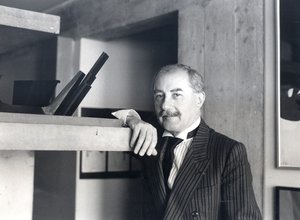
クロード・パレント
1923 - 2016 , フランス
基本情報
- Artistic Movement Or Style: 斜動建築 (Oblique Architecture)
- Artists Or Movements Influenced By This Artist:
- 脱構築主義
- ポール・ヴィリリオ
- Artists Who Influenced This Artist:
- イオネル・シャイン
- アンドレ・ブロック
- フェリックス・デル・マル
- Date Of Birth: 1923-02-26
- Date Of Death: 2016-02-27
- Full Name: クロード・パレント
- Nationality: フランス
- Notable Artworks:
- サント=ベルナデット=デュ=バンレー教会
- ドリュシュ邸
- アライア・ファッション・ドローイング
- Place Of Birth: フランス、ヌイイ=シュル=セーヌ
関連記事
クロード・モネ傑作25選:光と色彩の印象派を彩る名画の世界 | ArtsDot
クロード・モネの傑作25選。印象派を代表する光の画家、モネの世界を旅しませんか?睡蓮や風景画など、名画の背景にある物語と芸術技法をご紹介。ArtsDotで高品質な複製画とインテリアアートを見つけましょう。全コレクションはこちら。
The Nuances of Graphite: Exploring Emotional Depth & Technical Mastery in Pencil Drawing
Explore the captivating world of graphite drawing! Discover its rich history, master essential techniques like chiaroscuro, and learn how artists evoke emotion through this timeless medium. Expert insights for art enthusiasts.
Gianfranco Ferré: Deconstructing Haute Couture – A Legacy of Architectural Form
Explore the revolutionary world of Gianfranco Ferré, 'the architect of fashion.' Discover his architectural approach to haute couture, iconic Dior designs, and lasting influence on luxury style. A deep dive for collectors & enthusiasts.
Draped Narratives: Fashion as Symbol & Subject in Historical Art
Explore the fascinating history of fashion as a symbol of power & status in art! Discover masterpieces from Gainsborough to Tissot and learn how clothing shaped societal narratives. Find museum-quality reproductions at ArtsDot.

Claude Lorrain: Master of Light & Landscape in the Golden Age
Explore the luminous landscapes of Claude Lorrain, a Baroque master renowned for his masterful use of light & atmosphere. Discover his life, techniques, key works & enduring influence on art history.