

 プレビュー
プレビュー
 プリントを購入
 シェアする
シェアする シェアする
シェアする
 詳細を見る
詳細を見る

 ダウンロード
 似ている作品
 X線調査
X線調査 スライドショー
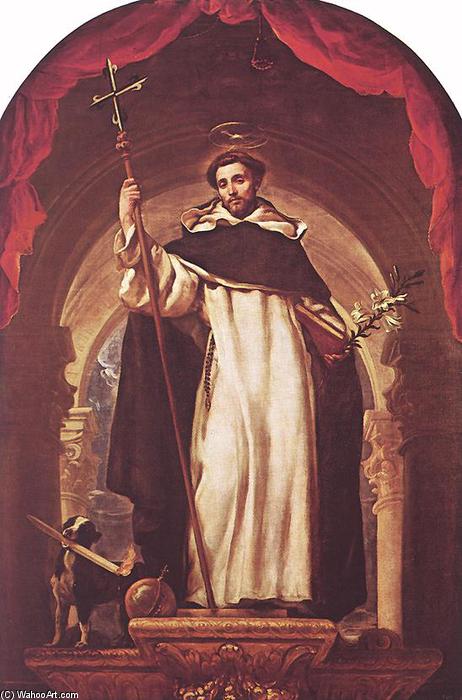
St Dominic of Guzman
 Oil On Canvas
- WallArt
- Baroque
 1685
1685 240.0 x 160.0 cm
 プラド美術館
 詳細を見る
詳細を見る




P118B $10

P118H $10

P118W $10

P438Z $10

P508JH $12

P508YH $12

P805H $10

P805Z $10

P919BZ $10

P919G $10

P919XJ $10

P959ZH $10

P968JZ $12

W106C $8

W218G $10

W218JH $8

W218Y $10

W307PJ $10

W316G $10

W316PJ $8

W316Y $10

W398PJ $8

W4111J $10

W500HY $15

W500JH $15

W692G $12

W849H $8

W940BG $15

W953PJ $8




作品のオリジナル比率に合わせた、当店の規定サイズからお選びください。

特定のフレームやスペースに合わせて、ご希望のサイズをご入力いただけます。選択されたサイズが元の画像の比率と異なる場合、アートワークをトリミングするか、手描きで要素を追加して絵画を拡張いたします。デジタルモックアップ を制作し、制作開始前にご確認(承認)をいただきます。
画面上のプレビューは、実際のトリミングや拡張を正確に反映しているものではありません。最終的な構図は、モックアップによってのみ正確にご確認いただけます。
カスタムサイズもご利用いただけますが、元の比率を維持するためには、あらかじめ用意されたリストからサイズを選択することをお勧めいたします。
ご注文後、ArtsDot.com チームより詳細な指示をお送りするとともに、仕上がりイメージ(モックアップ)をご提供いたします。


 ガラスオプションは、110cm未満のサイズでのみご利用いただけます。

St Dominic of Guzman
複製技法
複製画のサイズ
-


合計金額
$ 263
作品解説
A Gaze Across Centuries: Claudio Coello’s “St Dominic of Guzman”
Claudio Coello's "St Dominic of Guzman," painted in 1685, is more than just a depiction of a religious figure; it’s a window into the heart of Baroque Spain – a realm of fervent faith, dramatic light, and meticulously rendered detail. This vertical canvas, measuring a substantial 240 x 160 cm, immediately commands attention with its imposing scale and the saint's direct, unwavering gaze. Coello, considered the last great master of the Spanish Baroque, doesn’t shy away from portraying Dominic as a figure of profound authority and spiritual intensity, imbuing the scene with an atmosphere of solemn reverence.
The painting unfolds within a richly textured niche, its deep red curtain acting as both a physical barrier and a symbolic representation of the sacred. The muted tones of the drapery – browns, ochres, and subtle greens – contrast sharply with the vibrant crimson, drawing the eye directly to St. Dominic’s figure. His pose is deliberately upright, conveying a sense of stability and unwavering conviction. Below him, carefully placed elements—a small bucket and a dog statue—add layers of symbolic meaning, hinting at themes of charity, devotion, and the saint's connection to the Franciscan tradition (Dominic founded the Dominican Order, closely allied with the Franciscans). The meticulous brushwork, particularly evident in the folds of his robe and the texture of the stone archway, speaks volumes about Coello’s technical mastery – a hallmark of his style.
The Baroque Embrace: Light, Shadow, and Dramatic Composition
Coello was deeply influenced by the principles of Baroque art, a movement characterized by its theatrical use of light and shadow, dynamic compositions, and emotional intensity. Here, this is powerfully evident. The lighting, seemingly emanating from within the arched space, sculpts Dominic’s form, highlighting his face and emphasizing the solemnity of the scene. Notice how Coello masterfully employs chiaroscuro – the dramatic contrast between light and dark – to create a sense of depth and volume, lending a three-dimensional quality to the painting. The composition itself is carefully balanced, with the figure dominating the central space while the surrounding elements contribute to the overall narrative.
The vertical orientation of the canvas further reinforces this sense of stability and grandeur. Lines converge towards the saint, drawing the viewer’s eye upwards and creating a feeling of awe and reverence. The subtle use of perspective—a relatively shallow depth—focuses attention on the immediate foreground, inviting us to contemplate Dominic's presence within his sacred space.
A Window into 18th-Century Spain
“St Dominic of Guzman” offers a fascinating glimpse into the religious and cultural landscape of 18th-century Spain. The painting was commissioned during a period when the Catholic Church held immense power and influence, and religious art served as a vital means of communicating faith to a largely illiterate population. Coello’s work reflects this context, portraying St. Dominic not merely as a saint but as a powerful symbol of spiritual guidance and devotion. The inclusion of details like the bucket and dog statue—elements that might seem commonplace today—were likely intended to convey specific moral lessons and reinforce the values of charity and piety.
Furthermore, Coello’s artistic style – characterized by its rich colors, dramatic lighting, and meticulous detail – aligns with the prevailing trends of the Spanish Baroque. He was a student of Rubens, Titian, and Van Dyck, absorbing their techniques and incorporating them into his own distinctive vision. His work stands as a testament to the enduring legacy of these masters.
Symbolism and Emotional Resonance
Beyond its technical brilliance, “St Dominic of Guzman” resonates with profound symbolic meaning. The halo above St. Dominic’s head signifies his holiness, while the cross he carries represents his sacrifice and faith. The dog statue, often associated with Saint Francis, symbolizes loyalty, devotion, and the importance of compassion. The entire composition evokes a sense of reverence, solemnity, and spiritual contemplation – inviting viewers to connect with the saint's story and reflect on their own beliefs.
Reproductions of this powerful artwork can bring a touch of timeless elegance and spiritual depth to any interior space, serving as a constant reminder of faith, devotion, and the enduring beauty of Baroque art.
関連作品


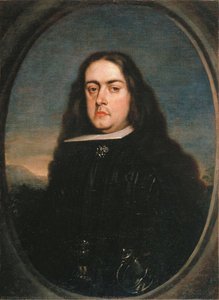
アーティストの略歴
クラウディオ・コエッロの生涯と芸術:光の中に描かれた遺産
1642年にマドリードで生まれたクラウディオ・コエッロは、スペイン絵画における後期バロック様式から萌芽するロココ様式をつなぐ重要な人物として知られています。17世紀のスペイン絵画最後の巨匠と称される彼のキャリアは、変化し続ける芸術的嗜好と複雑な政治的背景の中で展開されました。多くの画家が国際的な名声を得ていた一方で、コエッロの重要性は、彼の技術力だけでなく、宮廷の華麗さと深い宗教的信念という時代が衰退していく本質を捉える能力にあります。
コエッロの血統そのものが、彼を形作った芸術的な潮流を物語っています。父親のファウスティノ・コエッロはポルトガルの著名な彫刻家であり、息子に形態と職人技への初期の理解を与えました。この基盤により、彼はフランシスコ・リジの工房に入り、絵画とデッサンの正式な訓練を受けました。しかし、幸運にもフアン・カレニョ・デ・ミランダとのつながりを通じて、若きクラウディオはティツィアーノ、ルーベンス、ファン・ダイクの傑作が収められた王室コレクションへのアクセスを得ました。これらの作品は彼を変革し、豊かな色彩パレット、ダイナミックな構図、そして人間性の微妙な表現に対する情熱を点火しました。
宮廷画家と宗教への献身
コエッロの台頭は、ますます権威のある依頼によって特徴づけられました。彼は当初、マドリードのサン・プラシドのための祭壇画で注目を集め、フランドルとヴェネツィアの影響を初期に示しました。彼の才能はすぐにサラゴサ大司教の目に留まり、その地域で重要な宗教作品につながりました。しかし、1683年にチャールズ2世国王の宮廷画家として任命されたことが、彼の評判を確固たるものにしました。この地位は彼にスペイン貴族を描く比類のない機会を与え、彼の最も野心的なプロジェクトの1つであるエル・エスコリアルのサクリスティのための巨大な祭壇画へとつながりました。
*奇跡の聖体礼拝*(Adoration of the Miraculous Host)は、コエッロの技術と野心の証です。7年間の細心の作業を費やして完成したこの記念碑的な構図には、スペイン王室と著名な宮廷人50人以上の肖像画が描かれています—まさにスペインの誰が誰であるかのリストです。単なる肖像画の展示ではなく、宗教的熱意と象徴的な重みが込められた慎重に構成された物語です。この絵画は聖なるものと世俗的なものをシームレスに融合させ、17世紀のスペインにおける信仰と権力の密接な関係を反映しています。コエッロは単に似姿を描くだけでなく、微妙な表情や姿勢という個性を捉える能力が、この作品を単なる表現を超えたものに高めています。
影響と芸術的発展
コエッロのスタイルは孤立して生まれたものではありません。それは多様な影響の総合であり、彼独自のビジョンに合わせて巧みに適応されました。カラヴァッジョの劇的なキアロスクーロは彼の構図に共鳴し、それに劇的な強度を与えました。しかし、彼はこれをヴェネツィアの巨匠たち—ティツィアーノやヴェロネーゼのような人々の流動的な筆致と鮮やかな色彩主義で抑制しました。アンソニー・ファン・ダイクのエレガンスと洗練された肖像画も彼の作品に消えない痕跡を残し、特にチャールズ2世の描写に顕著です。
これらの先駆者たちに深く負債を負いながらも、コエッロは単なる模倣者ではありませんでした。彼は大胆な構図、細心の注意を払ったディテール、そして雰囲気と感情的なインパクトを生み出す光の巧みな使用を特徴とする独特のアプローチを開発しました。彼のフレスコ画は悲劇的に失われたものが多いですが、*trompe l'oeil*効果—絵画の知覚空間を拡大する錯視効果—への傾向が明らかになっています。また、彼は織物、宝石、肌の色に触覚的なリアリズムをもたらす並外れた能力を持っていました。
落胆のフィナーレと永続的な遺産
コエッロはかなりの才能と王室のパトロンシップを持っていたにもかかわらず、彼の晩年は失望の色合いを帯びていました。1692年にルカ・ジョルダーノがスペインに到着したことは転換点となりました—イタリア人画家のより華やかで大胆なスタイルはすぐに宮廷で支持され、コエッロの洗練されたアプローチを覆い隠しました。エル・エスコリアルの大階段の依頼がジョルダーノに与えられたという決定は、コエッロを深く傷つけ、しばしば彼の1693年の早すぎる死の一因として挙げられています。
しかし、コエッロの遺産は残っています。彼は依然として17世紀のスペイン絵画最後の巨匠と称されており、ベラスケスのバロック様式の壮大さと新興のロココ感性の間の橋渡しをしています。彼の作品—プラド美術館やペンブローク・カレッジ・オックスフォードのような博物館で見られるもの—は、その技術的な輝き、感情的な深み、そして過ぎ去った時代の鮮やかな描写で観客を魅了し続けています。彼の影響は後世のスペイン人芸術家の作品に追跡でき、スペイン美術史における彼の地位を確固たるものにしています。
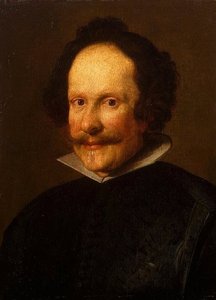
クラウディオ・コエッロ
1642 - 1693 , 日本
基本情報
- Artistic Movement Or Style: バロック絵画
- Artists Or Movements Influenced By This Artist: ['後世スペイン画家']
- Artists Who Influenced This Artist:
- ディエゴ・ベラスケス
- ルーベンス
- ティツィアーノ
- Date Of Birth: 1642年3月2日
- Date Of Death: 1693年4月20日
- Full Name: クラウディオ・コエッロ
- Nationality: スペイン・ポルトガル人
- Notable Artworks:
- 「ホストの崇拝」
- シャルル2世の肖像
- Place Of Birth (City And Country): スペイン、マドリード
関連記事
The Golden Age Reforged: Dramatic Realism & Religious Zeal in Spanish Baroque Art
Explore the dramatic world of Spanish Baroque art! Discover masters like Zurbarán & the powerful influence of religious zeal on painting techniques – a guide for collectors and enthusiasts.
Decoding Baroque Grandeur: A Guide to the Drama and Emotion of 17th-Century Art
Explore the breathtaking drama of 17th-century Baroque art. Our expert guide decodes the use of chiaroscuro, emotional intensity, and historical grandeur to help you appreciate and curate timeless masterpieces for your collection.

The Dramatic Flourish: Exploring the Baroque Movement's Enduring Legacy in Art History
Explore the dramatic world of Baroque art! Discover iconic artists like Caravaggio & Rubens, defining techniques, and its lasting impact on art history. Expert insights for collectors & enthusiasts at ArtsDot.
Baroque Classicism: Reconciling Drama & Order in 17th-Century Art
Explore the captivating world of Baroque Classicism! Discover its history, key artists like Caravaggio & Rubens, and defining characteristics. Expert insights & high-quality reproductions at ArtsDot.
The Dramatic Flourish: Exploring Themes of Power, Faith & Emotion in Baroque Artworks
Explore the dramatic world of Baroque art! Discover masters like Zurbarán & the powerful influence of religious zeal on painting techniques. Expert insights for collectors and enthusiasts.

