

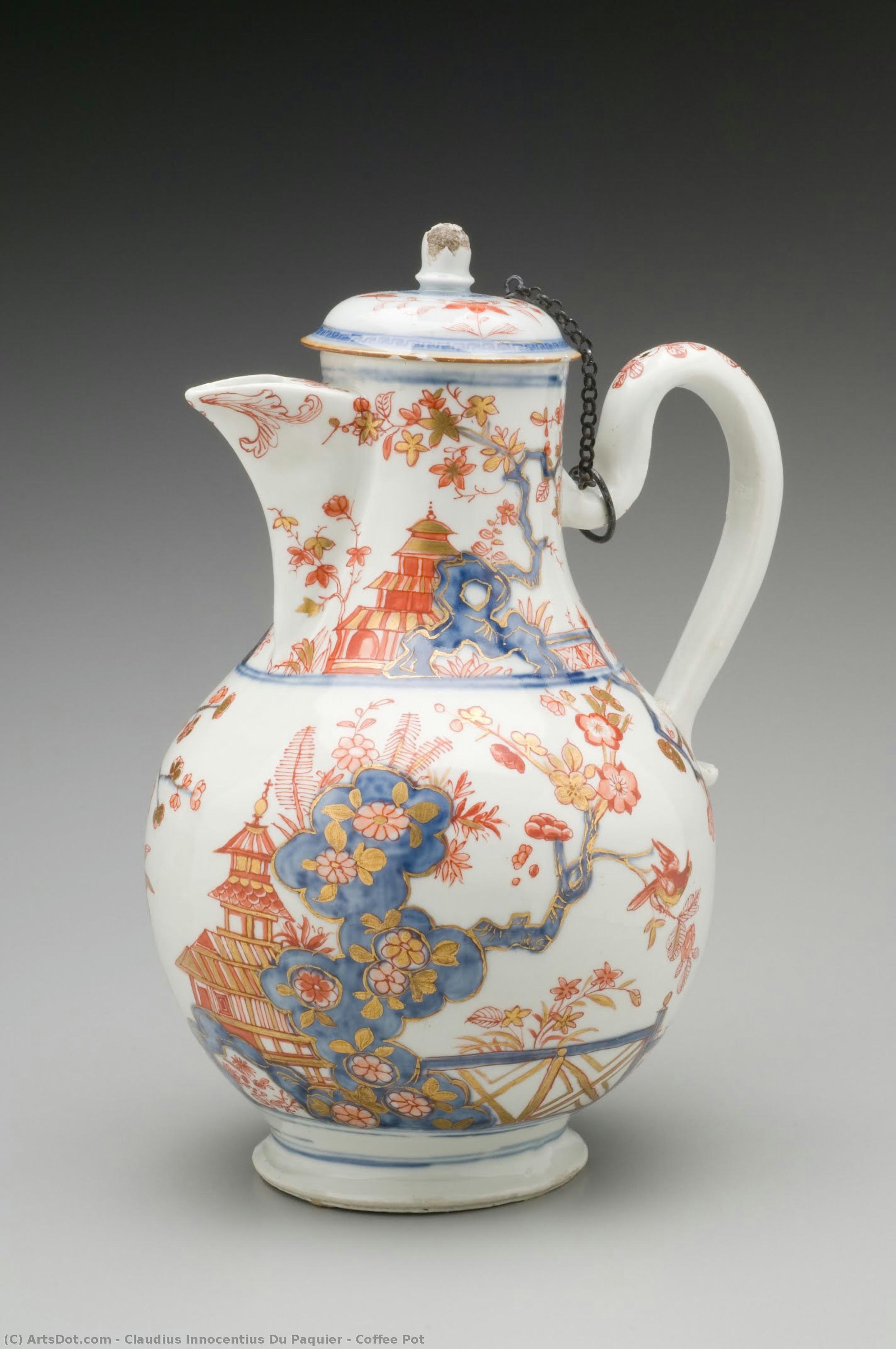
 プレビュー
プレビュー
 シェアする
シェアする シェアする
シェアする
 詳細を見る
詳細を見る

 ダウンロード
 似ている作品
 X線調査
X線調査 スライドショー
 Stats
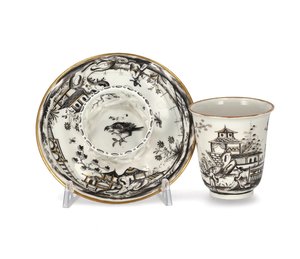
StatsCoffee Pot

 詳細を見る
詳細を見る
手描き油彩複製画
当社のアーティストが、お客様のご希望のサイズと額縁に合わせて、キャンバスに手描きで制作する油彩画です。 ( Switch to Print Switch to Digital Image)




































作品のオリジナル比率に合わせた、当店の規定サイズからお選びください。

特定のフレームやスペースに合わせて、ご希望のサイズをご入力いただけます。選択されたサイズが元の画像の比率と異なる場合、アートワークをトリミングするか、手描きで要素を追加して絵画を拡張いたします。デジタルモックアップ を制作し、制作開始前にご確認(承認)をいただきます。
画面上のプレビューは、実際のトリミングや拡張を正確に反映しているものではありません。最終的な構図は、モックアップによってのみ正確にご確認いただけます。
カスタムサイズもご利用いただけますが、元の比率を維持するためには、あらかじめ用意されたリストからサイズを選択することをお勧めいたします。
ご注文後、ArtsDot.com チームより詳細な指示をお送りするとともに、仕上がりイメージ(モックアップ)をご提供いたします。


 ガラスオプションは、110cm未満のサイズでのみご利用いただけます。

Coffee Pot
複製技法
複製画のサイズ
-


合計金額
$ 263
関連作品







アーティストの略歴
The Entrepreneur of Elegance: Claudius Innocentius du Paquier and the Birth of Viennese Porcelain
Claudius Innocentius du Paquier, a name perhaps unfamiliar to many, occupies a pivotal position in the history of European ceramics. Born in Amsterdam around 1679, he wasn’t a potter himself, but rather an astute entrepreneur whose vision transformed Vienna into a significant center for porcelain production during the early 18th century. His story is one of ambition, imperial patronage, and a determined effort to replicate – and ultimately refine – the coveted artistry of Asian porcelain within European borders. Du Paquier arrived in Vienna around 1718, a period when the city was flourishing as a cosmopolitan hub, attracting artists, merchants, and nobility eager to bask in the glow of the Habsburg court. Recognizing the immense demand for porcelain—a material then exclusively sourced from the East—he saw an opportunity not merely to trade in luxury goods but to *create* them. Through skillful diplomacy, he secured a remarkable 25-year monopoly from Emperor Charles VI, granting him exclusive rights to manufacture porcelain throughout the Austrian territories. This royal charter was the foundation upon which the Du Paquier Manufactory would rise.From Military Agent to Porcelain Pioneer
Before his foray into ceramics, du Paquier served as an agent in the Imperial Council of War, a position that undoubtedly honed his administrative skills and provided valuable connections within the Habsburg administration. This background proved crucial in navigating the complex world of imperial bureaucracy and securing the necessary support for his ambitious undertaking. The establishment of the manufactory wasn’t simply about replicating porcelain; it was about challenging the existing dominance of China and the burgeoning, but closely guarded, secrets of Meissen—the first European factory to successfully produce hard-paste porcelain in Germany. Du Paquier understood that success hinged on acquiring expertise, and he embarked on a daring recruitment campaign, poaching key artisans directly from his German rival. Among those lured to Vienna were Christoph Conrad Hunger, a talented porcelain painter; Just Friedrich Tiemann, an expert in kiln construction; and most importantly, Samuel Stöltzel, the kiln master from Meissen who possessed intimate knowledge of the crucial porcelain paste recipe—the “arcanum” that had eluded European potters for centuries.A Style Inspired by Rococo and the Orient
The Du Paquier Manufactory quickly distinguished itself through its distinctive aesthetic, a blend of Rococo elegance, influences from Jean Berain’s designs commissioned by Louis XIV, and a deep appreciation for traditional Chinese and Japanese decorative motifs. Unlike the more austere styles emerging elsewhere, du Paquier's porcelain embraced floral patterns, delicate pastel hues, and graceful curves that resonated with the opulent tastes of the Habsburg court. The factory specialized in tableware—plates, cups, saucers, and elaborate serving pieces—but also produced decorative vases and sculptures intended to adorn the palaces and homes of Vienna’s elite. The emphasis was on meticulous quality control; du Paquier even imported kaolin clay from Stoke-on-Trent in England, a significant step towards achieving the consistency and brilliance that characterized his porcelain. The result wasn't merely imitation but an innovative style uniquely Viennese, reflecting the city’s cosmopolitan spirit and artistic sensibilities.Imperial Patronage and Lasting Legacy
The success of the Du Paquier Manufactory was inextricably linked to imperial patronage. Empress Maria Theresa and Joseph II were enthusiastic supporters, commissioning pieces for royal palaces and ceremonial occasions. This support elevated du Paquier’s porcelain to a symbol of Austrian grandeur and cultural prowess on the European stage. However, despite its flourishing reputation, du Paquier faced financial challenges. In 1744, he sold the manufactory to the Austrian state, marking the end of his direct involvement but not the end of the factory's legacy. The state continued to operate the porcelain works—under various names and with evolving styles—until 1864, ensuring that du Paquier’s pioneering spirit lived on for over a century. His contribution wasn’t simply in establishing a successful business; it was in laying the foundation for a thriving Austrian ceramic tradition, one that continues to inspire artists and collectors today. The delicate beauty of Du Paquier porcelain remains a testament to his vision, ambition, and unwavering commitment to artistic excellence.Historical Significance
- Du Paquier’s factory was the second in Europe to successfully produce hard-paste porcelain, breaking Meissen's monopoly.
- He actively recruited skilled artisans from rival factories, contributing to the spread of ceramic knowledge and techniques.
- The manufactory’s distinctive style—a blend of Rococo, Oriental influences, and imperial tastes—established Vienna as a major center for porcelain production.
- His patronage helped elevate Austrian porcelain to international prominence.
- Du Paquier's commitment to quality control, including the importation of kaolin clay, improved the consistency and brilliance of Viennese porcelain.
claudius innocentius du paquier
1679 - 1751 , Austria
基本情報
- Artistic Movement Or Style: Hard-paste porcelain
- Artists Or Movements Influenced By This Artist: ['European Porcelain Art']
- Artists Who Influenced This Artist: ['Meissen']
- Date Of Birth: 1679
- Date Of Death: 1751
- Full Name: Claudius Innocentius du Paquier
- Nationality: Dutch
- Place Of Birth: Vienna, Austria