

 プレビュー
プレビュー
 プリントを購入
 シェアする
シェアする シェアする
シェアする
 詳細を見る
詳細を見る

 ダウンロード
 似ている作品
 X線調査
X線調査 スライドショー
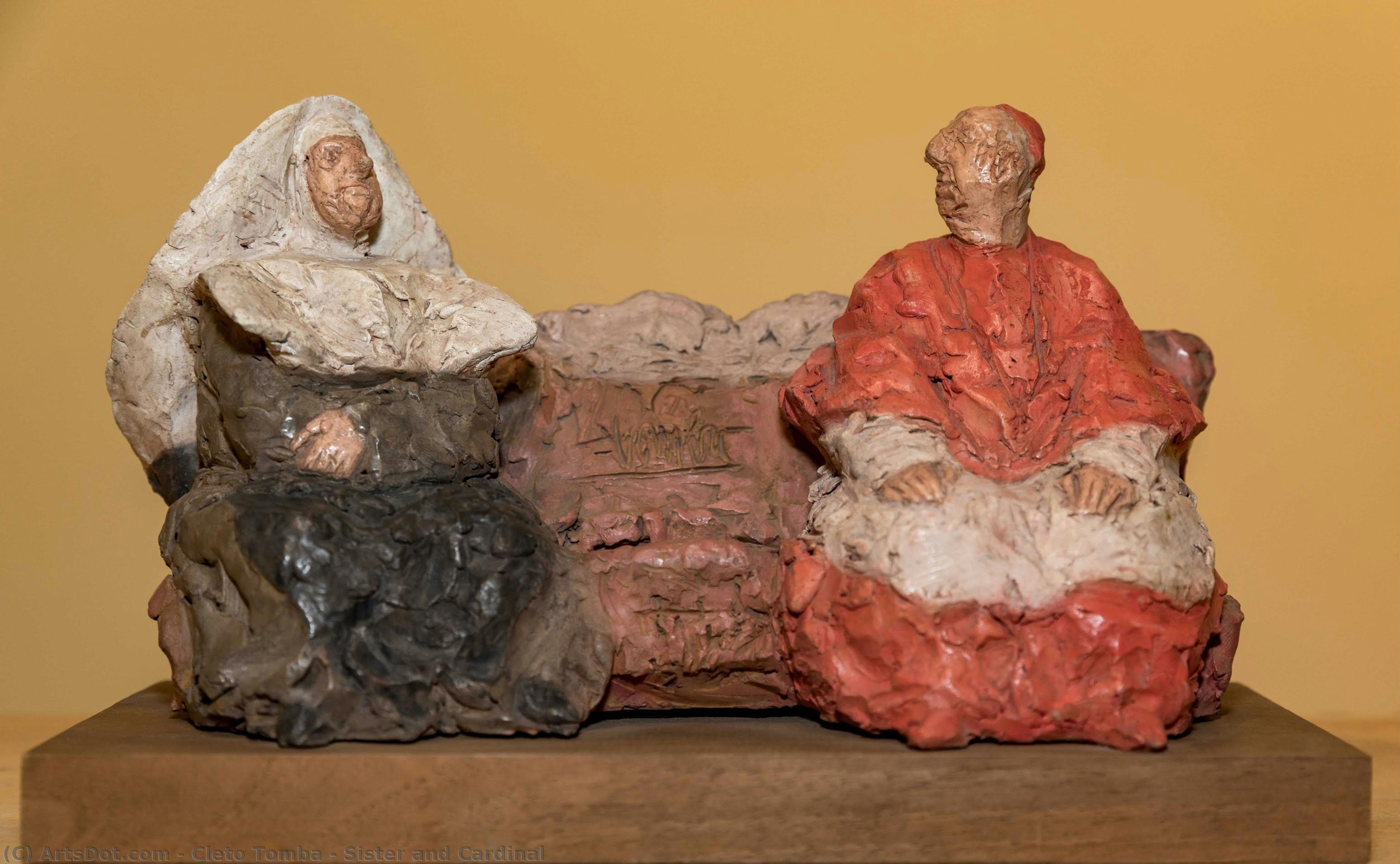
Sister and Cardinal
 5.0 x 11.0 cm
 Accademia di San Luca
 詳細を見る
詳細を見る
オンラインプレビューをはるかに凌ぐ、高解像度で鮮明なデジタル画像をご購入いただけます。
各ファイルは、社内の専門家が高度なツールと熟練した手作業によるレタッチを用いて、細心の注意を払って準備されています。すべての画像において、卓越した鮮明度、正確な色彩再現性、そして繊細なディテールを保証いたします。
最終ファイルは、プロフェッショナルな編集・印刷環境ですぐにご利用いただけるよう最適化された状態で、72時間以内にメールにてお届けいたします。これは、一流のデザインスタジオ、出版社、ギャラリーから信頼されているものと同等の品質です。
デジタル画像のご注文に付随する特典
高品質なデジタル画像配信を、確かな品質で。
ArtsDot.com を選ぶことは、単に画像を手に入れることではありません。それは、プロの手によって精密に仕上げられ、満足保証が付いた高品質なデジタルアートワークを受け取ることを意味します。ご注文いただいた際に自動的に付随する内容は、以下の通りです:

メールですぐにお届け
ご注文から72時間以内に、高解像度のデジタル画像ファイルがメールでお手元に届きます。すぐにそのままご利用いただけます。

AI技術で最適化されたデジタルファイル
お客様の作品は、高度なAIツールと専門家による手作業の編集を組み合わせてプロフェッショナルに最適化されており、細部のディテール、鮮明さ、そして正確な色再現性を最大限に引き出しています。

一生涯無料の再送サービス
ファイルを誤って削除したり、紛失してしまったりしましたか?ご安心ください。いつでも無料で再送いたします。

輸入手数料は一切かかりません
関税や手数料、配送料を気にすることなく、お気に入りのアートワークをすぐにお楽しみいただけます。デジタルダウンロードは常に免税です。

色彩再現の保証
プロ仕様のツールとカラーマネジメント技術を用いることで、デジタル画像が元の色を最大限に忠実に再現することを保証いたします。

100日間満足保証
ご購入いただいたデジタル画像にご満足いただけない場合は、100日以内であれば、理由を問わず修正または100%の返金対応をさせていただきます。

100% 返金保証
ご満足いただけない場合は、デジタルファイルを受け取ってから100日以内であれば、理由を問わず全額返金いたします。

まとめ買い割引
3枚購入で10%OFF - 5枚購入で15%OFF - 10枚以上購入で20%OFF。クリエイティブなプロジェクト、ギャラリー、エージェンシーに最適です。
関連作品




作家の略歴
Sarah Biffin: A Pioneer of Disability and Art in the Early Nineteenth Century
The story of Sarah Biffin (1784-1850) is a remarkable testament to resilience, ingenuity, and the enduring human spirit. Born without arms or legs in Somerset, England, her life unfolded against significant societal constraints, yet she defied expectations by becoming a celebrated miniaturist artist – a profession typically reserved for men of privilege. Her journey, marked by both hardship and opportunity, offers a poignant glimpse into the realities faced by disabled individuals during the early 19th century and reveals an extraordinary talent that blossomed despite overwhelming obstacles.
Biffin’s early life was humble, shaped by her parents' laboring existence. While details of her childhood remain sparse, it is clear she received a basic education, learning to write and sew – skills crucial for her future endeavors. Her unique physical condition led to her being exhibited at Bartholomew Fair in London, a popular spectacle where curiosities and unusual individuals drew crowds. Initially presented as a ‘wonder,’ Biffin’s performances provided a means of survival, but also highlighted the societal attitudes towards disability prevalent at the time – often characterized by fascination mixed with pity or exploitation.
A pivotal moment in her life occurred when she encountered George Douglas, Earl of Morton, who recognized her artistic potential. He became her patron and art instructor, providing her with formal training that significantly elevated her skills. This mentorship proved transformative, allowing Biffin to hone her talent and establish herself as a professional artist. She began taking commissions, producing miniature portraits for the British royal family and the wealthy elite – a surprising achievement considering her circumstances.
Biffin’s artistic style was characterized by delicate detail and an acute observation of her subjects. Her miniatures often featured elegant ladies in fashionable attire, capturing their likenesses with remarkable precision. While influenced by prevailing trends of the era, particularly the Regency style, she developed a distinctive approach marked by subtle shading and a refined sense of composition. Her self-portraits are particularly noteworthy, offering intimate glimpses into her personality and reflecting both her vulnerability and her quiet determination.
The Context of 1850: Art and Society
To understand Biffin’s story fully, it's essential to consider the broader artistic landscape of 1850. This period witnessed a surge in artistic innovation across Europe, fueled by the rise of Romanticism and burgeoning interest in realism. The Royal Academy Exhibition in London, a cornerstone of the art world, was a particularly significant event, showcasing both established masters and emerging talents. The exhibition of 1850, featuring works by artists like Alexandre Cabanel and John Everett Millais, exemplified the era’s fascination with historical subjects, mythology, and scenes from nature – themes that would later influence Biffin's own work.
However, the art world was largely dominated by men. Women faced significant barriers to entry, often relegated to roles as assistants or patrons rather than recognized artists in their own right. Biffin’s success, therefore, represents a remarkable exception – a testament to her talent and determination within a restrictive environment.
Furthermore, the Victorian era was deeply preoccupied with notions of disability and social propriety. Individuals with physical impairments were often viewed as objects of pity or curiosity, their lives subject to considerable scrutiny and judgment. Biffin’s public performances at fairs served not only as a means of income but also as a way to challenge these prevailing attitudes – albeit within the confines of her limited visibility.
Influences and Artistic Development
While Biffin's artistic development is difficult to trace precisely, several influences can be identified. Her early training under George Douglas exposed her to the techniques of portraiture prevalent at the time, including the use of miniature painting – a popular medium for capturing likenesses on small scales. Her self-portraits demonstrate an awareness of contemporary fashion and artistic trends, reflecting the elegance and refinement of the Regency era.
The influence of William Wordsworth’s *The Prelude* is also noteworthy. The poet's description of Bartholomew Fair – a chaotic spectacle filled with curiosities and wonders – provides valuable insight into the context in which Biffin performed and was viewed by the public. Wordsworth’s portrayal of the fair as a place of ‘perpetual flow / Of trivial objects... that have no law, no meaning, and no end’ captures the sensory overload experienced by visitors, including Biffin herself.
Moreover, her self-portraits reveal an evolving artistic style. Early works are characterized by a more literal representation of her physical condition, while later portraits demonstrate a greater emphasis on capturing her personality and conveying a sense of dignity and grace.
Legacy and Historical Significance
Sarah Biffin’s legacy extends far beyond her artistic achievements. Her story serves as an important reminder of the challenges faced by disabled individuals in the 19th century and the often-overlooked contributions made by those marginalized by society. Her success as a professional artist, despite her physical limitations, challenged prevailing stereotypes and demonstrated the power of human resilience.
Biffin’s work is now recognized for its historical significance and artistic merit. Her miniatures offer valuable insights into Victorian fashion, social customs, and the lives of the wealthy elite. Furthermore, her story has inspired artists and advocates to celebrate diversity and challenge societal barriers – ensuring that her remarkable life continues to be remembered and appreciated.
Her work is held in collections such as the Wellcome Collection and the National Gallery of Scotland, testament to its enduring value and artistic merit.
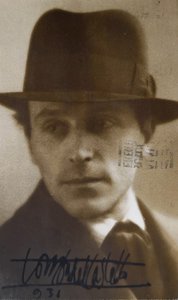
cleto tomba
1850 - 1941 , Italy
プロフィール概要
- Artistic Movement Or Style: Miniaturist
- Artists Or Movements Influenced By This Artist: ['Pre-Raphaelite Brotherhood']
- Artists Who Influenced This Artist: ['Henry Wyatt']
- Date Of Birth: 1784
- Date Of Death: 1850
- Full Name: Sarah Biffin
- Nationality: British
- Notable Artworks:
- Lady Godiva
- Self-Portrait (1830)
- Self-Portrait (1850)
- Place Of Birth: East Quantoxhead, Somerset