

 プレビュー
プレビュー
 シェアする
シェアする シェアする
シェアする
 詳細を見る
詳細を見る

 ダウンロード
 似ている作品
 X線調査
X線調査 スライドショー
 Stats
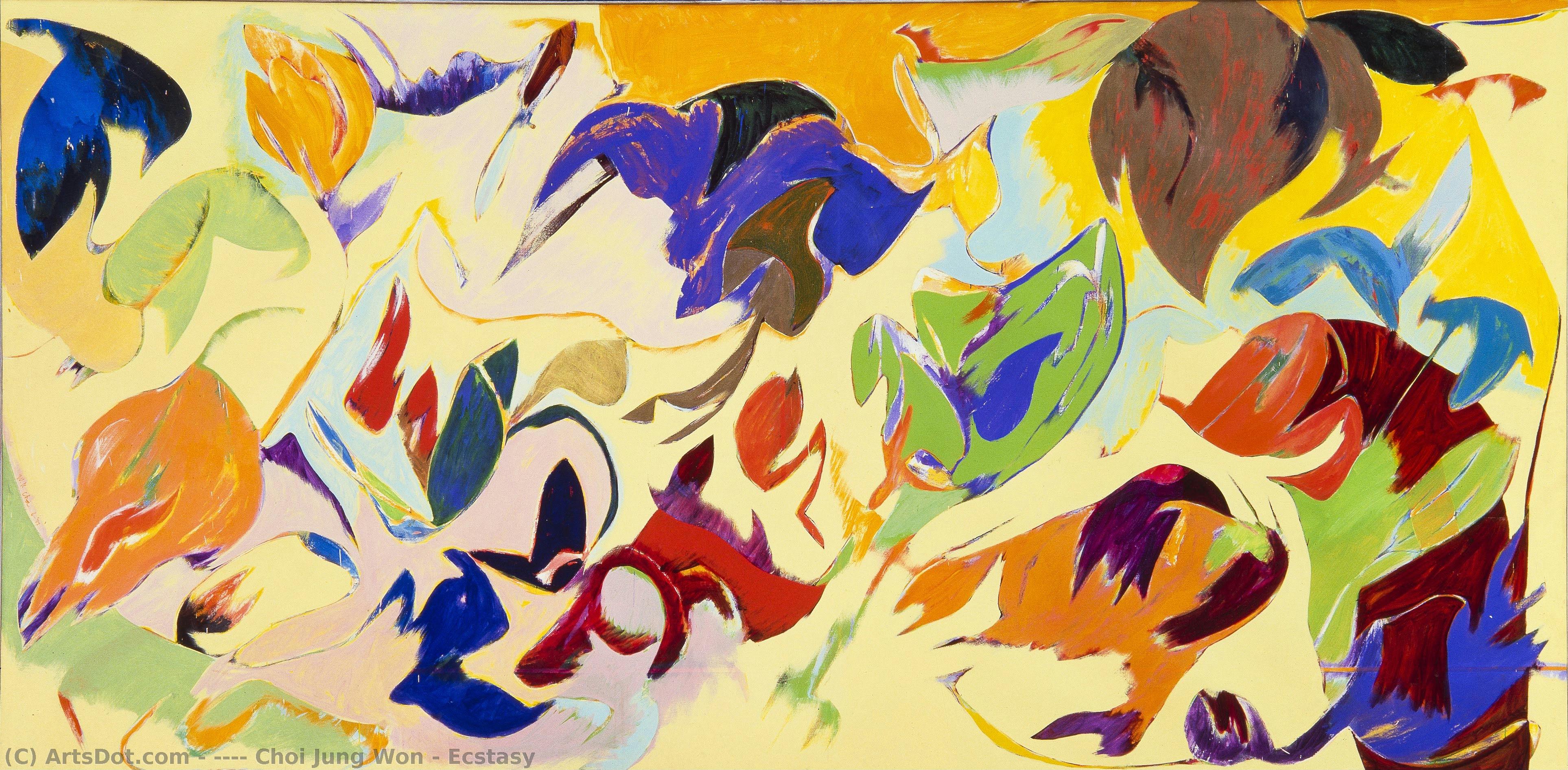
StatsEcstasy
 456.0 x 227.0 cm
 詳細を見る
詳細を見る
オンラインプレビューをはるかに凌ぐ、高解像度で鮮明なデジタル画像をご購入いただけます。
各ファイルは、社内の専門家が高度なツールと熟練した手作業によるレタッチを用いて、細心の注意を払って準備されています。すべての画像において、卓越した鮮明度、正確な色彩再現性、そして繊細なディテールを保証いたします。
最終ファイルは、プロフェッショナルな編集・印刷環境ですぐにご利用いただけるよう最適化された状態で、72時間以内にメールにてお届けいたします。これは、一流のデザインスタジオ、出版社、ギャラリーから信頼されているものと同等の品質です。
デジタルアート
個人での鑑賞、印刷、クリエイティブなプロジェクト用に、高解像度ファイルをダウンロードできます。 ( Switch to Print 手描きの絵画を購入)
デジタル画像のご注文に付随する特典
高品質なデジタル画像配信を、確かな品質で。
ArtsDot.com を選ぶことは、単に画像を手に入れることではありません。それは、プロの手によって精密に仕上げられ、満足保証が付いた高品質なデジタルアートワークを受け取ることを意味します。ご注文いただいた際に自動的に付随する内容は、以下の通りです:

メールですぐにお届け
ご注文から72時間以内に、高解像度のデジタル画像ファイルがメールでお手元に届きます。すぐにそのままご利用いただけます。

AI技術で最適化されたデジタルファイル
お客様の作品は、高度なAIツールと専門家による手作業の編集を組み合わせてプロフェッショナルに最適化されており、細部のディテール、鮮明さ、そして正確な色再現性を最大限に引き出しています。

一生涯無料の再送サービス
ファイルを誤って削除したり、紛失してしまったりしましたか?ご安心ください。いつでも無料で再送いたします。

輸入手数料は一切かかりません
関税や手数料、配送料を気にすることなく、お気に入りのアートワークをすぐにお楽しみいただけます。デジタルダウンロードは常に免税です。

色彩再現の保証
プロ仕様のツールとカラーマネジメント技術を用いることで、デジタル画像が元の色を最大限に忠実に再現することを保証いたします。

100日間満足保証
ご購入いただいたデジタル画像にご満足いただけない場合は、100日以内であれば、理由を問わず修正または100%の返金対応をさせていただきます。

100% 返金保証
ご満足いただけない場合は、デジタルファイルを受け取ってから100日以内であれば、理由を問わず全額返金いたします。

まとめ買い割引
3枚購入で10%OFF - 5枚購入で15%OFF - 10枚以上購入で20%OFF。クリエイティブなプロジェクト、ギャラリー、エージェンシーに最適です。
関連作品
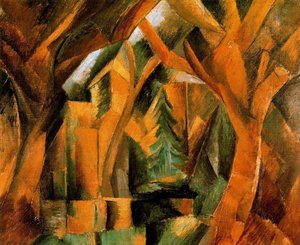
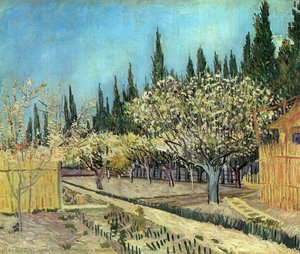

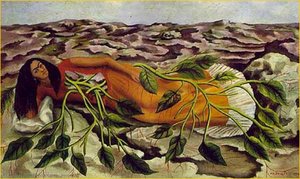
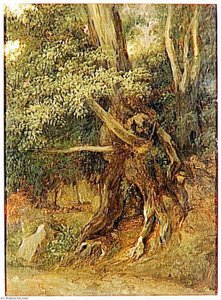
作家の略歴
The Enduring Spirit of Choi Jung Won: A Life Woven in Ink and Brush
Choi Jung Won, a contemporary Korean master, stands as a vital link to the rich traditions of East Asian painting while simultaneously forging a uniquely personal artistic voice. Though biographical details remain somewhat elusive – a deliberate choice perhaps, reflecting his focus on the work itself rather than celebrity – it is understood that Choi was born in Korea and continues to live and create there. This intentional privacy allows for an unburdened appreciation of his art, free from the distractions of personality cults or sensational narratives. His journey has been one of deep immersion in classical techniques, followed by a subtle yet profound evolution towards a style that is both deeply rooted in history and strikingly modern in its sensibility.A Foundation in Tradition: Calligraphy, Landscape, and the Scholar’s Brush
Choi Jung Won's artistic lineage traces back through centuries of Korean painting, heavily influenced by the scholar-artist tradition. This is immediately apparent in his masterful calligraphy, which isn’t merely decorative but integral to the composition of his works. He doesn’t simply *add* text; he allows the energy and form of the characters to interact with the imagery, creating a harmonious balance between word and visual representation. His early training focused on the “Four Gentlemen” – plum blossom, orchid, bamboo, and chrysanthemum – symbolic plants representing virtues like perseverance, refinement, resilience, and integrity. These motifs recur throughout his oeuvre, not as tired tropes but as vehicles for exploring deeper philosophical themes. Equally central to his development was a rigorous study of landscape painting, specifically in the traditions of ink wash (sumukhwa or suibokuga). He absorbed the techniques of creating atmospheric depth through varying shades of ink, employing both bold washes and delicate brushstrokes to evoke the spirit of nature. The influence of earlier masters like Jeong Seon and Kim Hongdo is discernible, but Choi never simply replicates; he internalizes these lessons and transforms them into something distinctly his own.Evolving a Personal Language: Minimalism, Abstraction, and Emotional Resonance
While deeply respectful of tradition, Choi Jung Won’s work isn't defined by strict adherence to it. Over time, his paintings have moved towards increasing abstraction, stripping away unnecessary detail in favor of capturing the *essence* of a subject. This is not an abandonment of representation but rather a refinement – a distillation of form and energy. His landscapes, for example, often feature simplified mountains, trees reduced to their skeletal structures, and vast expanses of empty space. These aren’t depictions of specific places; they are meditations on the power and tranquility of nature, inviting viewers to project their own emotions and experiences onto the canvas. The use of negative space is particularly significant, creating a sense of stillness and contemplation. He often works in monochromatic palettes – shades of black ink on white paper or silk – further emphasizing the importance of line, texture, and tonal variation. This minimalist approach isn’t cold or sterile; it's imbued with a profound emotional resonance, conveying a sense of quietude, solitude, and spiritual awakening.Themes and Symbolism: Nature, Zen Buddhism, and the Search for Harmony
Recurring themes in Choi Jung Won’s work reveal his deep engagement with philosophical concepts, particularly those found within Zen Buddhism. Nature is not simply a subject to be depicted but a pathway to enlightenment – a mirror reflecting the impermanence of all things. The mountains he paints often symbolize strength and stability, while flowing water represents change and adaptability. Bamboo, in particular, holds special significance, embodying resilience, humility, and moral integrity. His paintings frequently evoke a sense of harmony between humanity and nature, suggesting that true peace can only be found through aligning oneself with the natural order. The deliberate simplicity of his compositions encourages viewers to slow down, quiet their minds, and connect with the present moment – a core tenet of Zen practice. He doesn’t offer explicit narratives or moral lessons; instead, he creates visual poems that invite contemplation and self-discovery.Historical Significance and Contemporary Relevance
Choi Jung Won occupies a unique position within contemporary Korean art. He is not part of any particular avant-garde movement, yet his work has garnered significant critical acclaim both domestically and internationally.- His paintings represent a powerful counterpoint to the often frenetic pace of modern life.
- He demonstrates that tradition doesn’t have to be static or irrelevant; it can be a source of inspiration and renewal.
- His minimalist aesthetic resonates with contemporary sensibilities, appealing to viewers seeking quietude and contemplation in an increasingly chaotic world.
プロフィール概要
- Artistic Movement Or Style: Korean Painting
- Date Of Death: Living
- Full Name: Choi Jung Won
- Nationality: Korean