

 プレビュー
プレビュー
 プリントを購入
 シェアする
シェアする シェアする
シェアする
 詳細を見る
詳細を見る

 ダウンロード
 似ている作品
 X線調査
X線調査 スライドショー
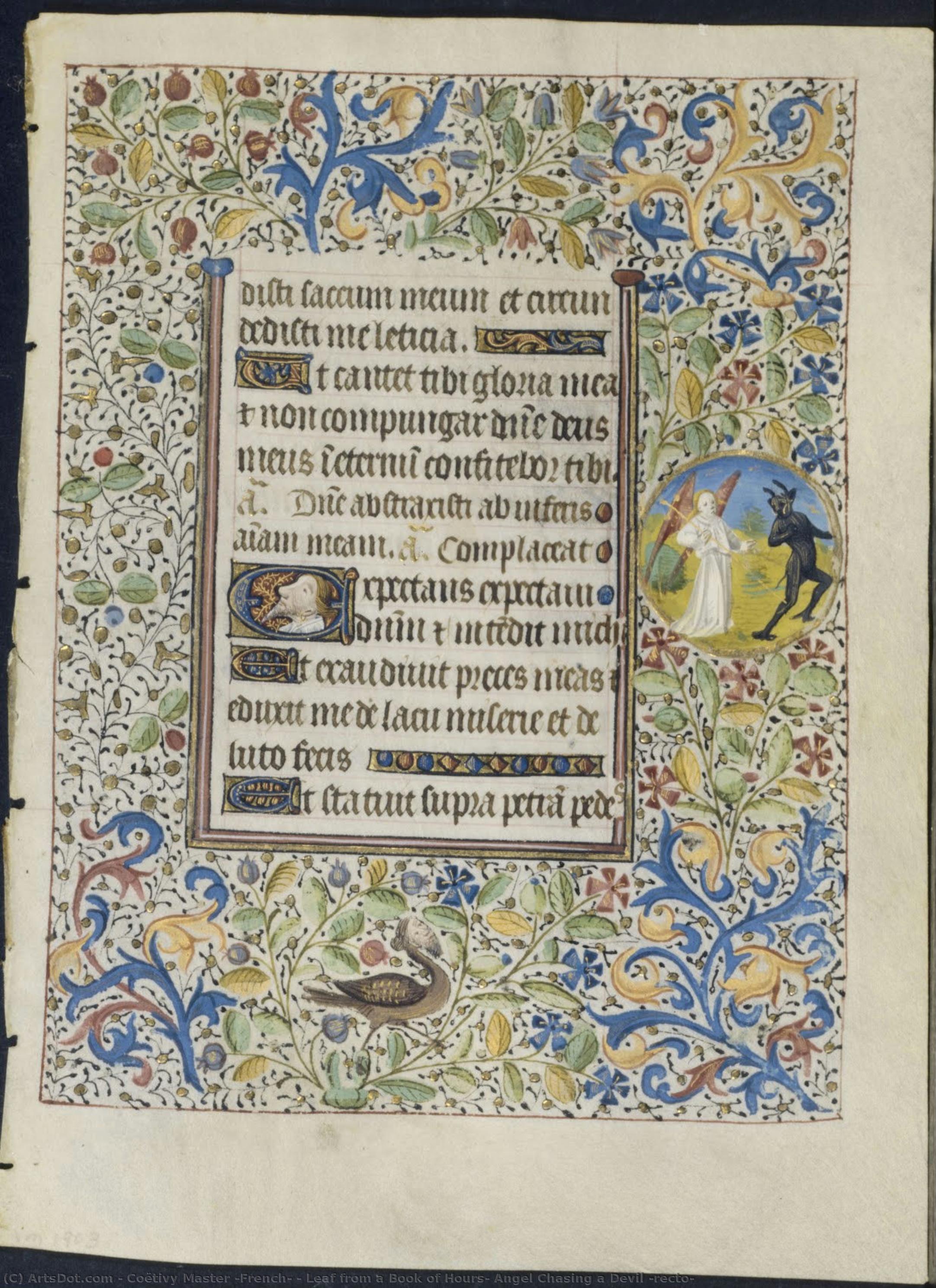
Leaf from a Book of Hours: Angel Chasing a Devil (recto)
 Manuscript
- International Gothic
 1460
1460- Late Medieval
 19.0 x 14.0 cm
 クリーブランド美術館
 詳細を見る
詳細を見る
オンラインプレビューをはるかに凌ぐ、高解像度で鮮明なデジタル画像をご購入いただけます。
各ファイルは、社内の専門家が高度なツールと熟練した手作業によるレタッチを用いて、細心の注意を払って準備されています。すべての画像において、卓越した鮮明度、正確な色彩再現性、そして繊細なディテールを保証いたします。
最終ファイルは、プロフェッショナルな編集・印刷環境ですぐにご利用いただけるよう最適化された状態で、72時間以内にメールにてお届けいたします。これは、一流のデザインスタジオ、出版社、ギャラリーから信頼されているものと同等の品質です。
デジタル画像のご注文に付随する特典
高品質なデジタル画像配信を、確かな品質で。
ArtsDot.com を選ぶことは、単に画像を手に入れることではありません。それは、プロの手によって精密に仕上げられ、満足保証が付いた高品質なデジタルアートワークを受け取ることを意味します。ご注文いただいた際に自動的に付随する内容は、以下の通りです:

メールですぐにお届け
ご注文から72時間以内に、高解像度のデジタル画像ファイルがメールでお手元に届きます。すぐにそのままご利用いただけます。

AI技術で最適化されたデジタルファイル
お客様の作品は、高度なAIツールと専門家による手作業の編集を組み合わせてプロフェッショナルに最適化されており、細部のディテール、鮮明さ、そして正確な色再現性を最大限に引き出しています。

一生涯無料の再送サービス
ファイルを誤って削除したり、紛失してしまったりしましたか?ご安心ください。いつでも無料で再送いたします。

輸入手数料は一切かかりません
関税や手数料、配送料を気にすることなく、お気に入りのアートワークをすぐにお楽しみいただけます。デジタルダウンロードは常に免税です。

色彩再現の保証
プロ仕様のツールとカラーマネジメント技術を用いることで、デジタル画像が元の色を最大限に忠実に再現することを保証いたします。

60日間満足保証
ご購入いただいたデジタル画像にご満足いただけない場合は、60日以内であれば、修正または100%の返金(理由を問う必要はありません)をさせていただきます。

100% 返金保証
ご満足いただけない場合は、デジタルファイルを受け取ってから60日以内であれば、理由を問わず全額返金いたします。

まとめ買い割引
3枚購入で10%OFF - 5枚購入で15%OFF - 10枚以上購入で20%OFF。クリエイティブなプロジェクト、ギャラリー、エージェンシーに最適です。
関連作品
作家の略歴
The Enigmatic Coëtivy Master: A Pioneer of Parisian Manuscript Illumination
In the golden, flickering light of the mid-15th century, the workshops of Paris breathed life into some of the most exquisite treasures of the Renaissance. At the heart of this luminous era stood a figure whose identity remains as much a mystery as the shadows in his intricate borders: the Coëtivy Master. While history often remembers the grand titles of the nobility, it is through the delicate brushstrokes of this anonymous illuminator that we truly encounter the soul of the French court. Scholars have long debated the true identity behind this moniker, with many suggesting a connection to Jean de Coëtivy, the Admiral of France, or even the figure known as Henri de Vulcop. Regardless of his true name, the Master’s presence is felt in every vibrant pigment and gilded vine that adorns the sacred pages of the period's most prestigious manuscripts.
The origins of this master’s hand are rooted in the rich artistic traditions of France, likely emerging from the rugged landscapes of Brittany. It is widely believed by art historians that his early training may have occurred within the atelier of Jean Bourdieu, a titan of French illumination. This lineage is evident in the Master's command over form and his ability to marry meticulous craftsmanship with profound emotional resonance. Under such influence, he developed a style that transcended mere decoration, transforming the margins of Books of Hours into windows onto a celestial and courtly realm. His work serves as a bridge between the structured Gothic traditions and the burgeoning humanism that would soon redefine European art.
A Symphony of Color and Devotion
To gaze upon a leaf produced by the Coëtivy Master is to witness a masterclass in tempera and gold. His technique was characterized by an extraordinary luminosity, achieved through a sophisticated palette of rich reds, deep ultramarine blues, and brilliant golds. He did not merely apply color; he sculpted with it. The way he rendered the heavy folds of velvet drapery or the soft, organic textures of ivy vines suggests a profound understanding of light and weight. His borders are particularly legendary, often featuring elaborate floral and foliated designs where blue and gold acanthus leaves dance alongside grotesque figures and delicate sprays of fruit. These margins were not mere ornaments but carefully constructed environments that framed the sacred narratives within.
The symbolic depth of his work often centered on the profound philosophical and religious themes of the age. One of his most breathtaking achievements, preserved in the collections of the Getty Museum, is the depiction of Philosophy Consoling Boethius and Fortune Turning the Wheel. In this piece, the Master uses personification to explore the volatility of human existence. Through the figure of a fashionably dressed Philosophy visiting the despondent Boethius, he captures the tension between earthly instability and eternal truth. The inclusion of Fortune spinning her wheel serves as a poignant reminder of the shifting tides of power and fate—a theme that would have resonated deeply with the aristocratic patrons who commissioned his work.
Legacy in the Pages of History
The historical significance of the Coëtivy Master lies in his role as a primary architect of the Parisian manuscript style. His commissions, often intended for the most powerful figures of the French nobility—such as the celebrated Marguerite de Navarre—helped establish a visual language of elegance and refinement that defined the Burgundian influence on French art. His ability to blend the spiritual with the secular, placing biblical scenes alongside depictions of courtly life, mirrored the shifting social structures of the 15th century.
Though his biography remains fragmented, his artistic legacy is remarkably intact. The surviving fragments of his Books of Hours continue to captivate modern observers, offering a glimpse into a world where every stroke of a lance and every petal of a flower was imbued with meaning. His contributions ensure that even if the man himself remains shrouded in the mists of time, his vision continues to illuminate the history of Western art:
- Mastery of Illumination: Revolutionized the use of vibrant pigments and gold leaf to create depth and light in manuscript borders.
- Cultural Influence: Played a pivotal role in shaping the aesthetic standards of the French and Burgundian courts.
- Symbolic Innovation: Successfully integrated complex philosophical allegories into devotional texts, bridging the gap between medieval piety and Renaissance humanism.
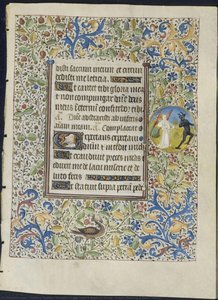
coëtivy master (french)
France
プロフィール概要
- Artistic Movement Or Style: Medieval Book Art
- Artists Or Movements Influenced By This Artist: ['Jean de Coëtivy']
- Full Name: Henri de Vulcop?
- Nationality: French
- Notable Artworks: ['Angel Chasing a Devil']
- Place Of Birth: Paris

