

 プレビュー
プレビュー
 プリントを購入
 シェアする
シェアする シェアする
シェアする
 詳細を見る
詳細を見る

 ダウンロード
 似ている作品
 X線調査
X線調査 スライドショー
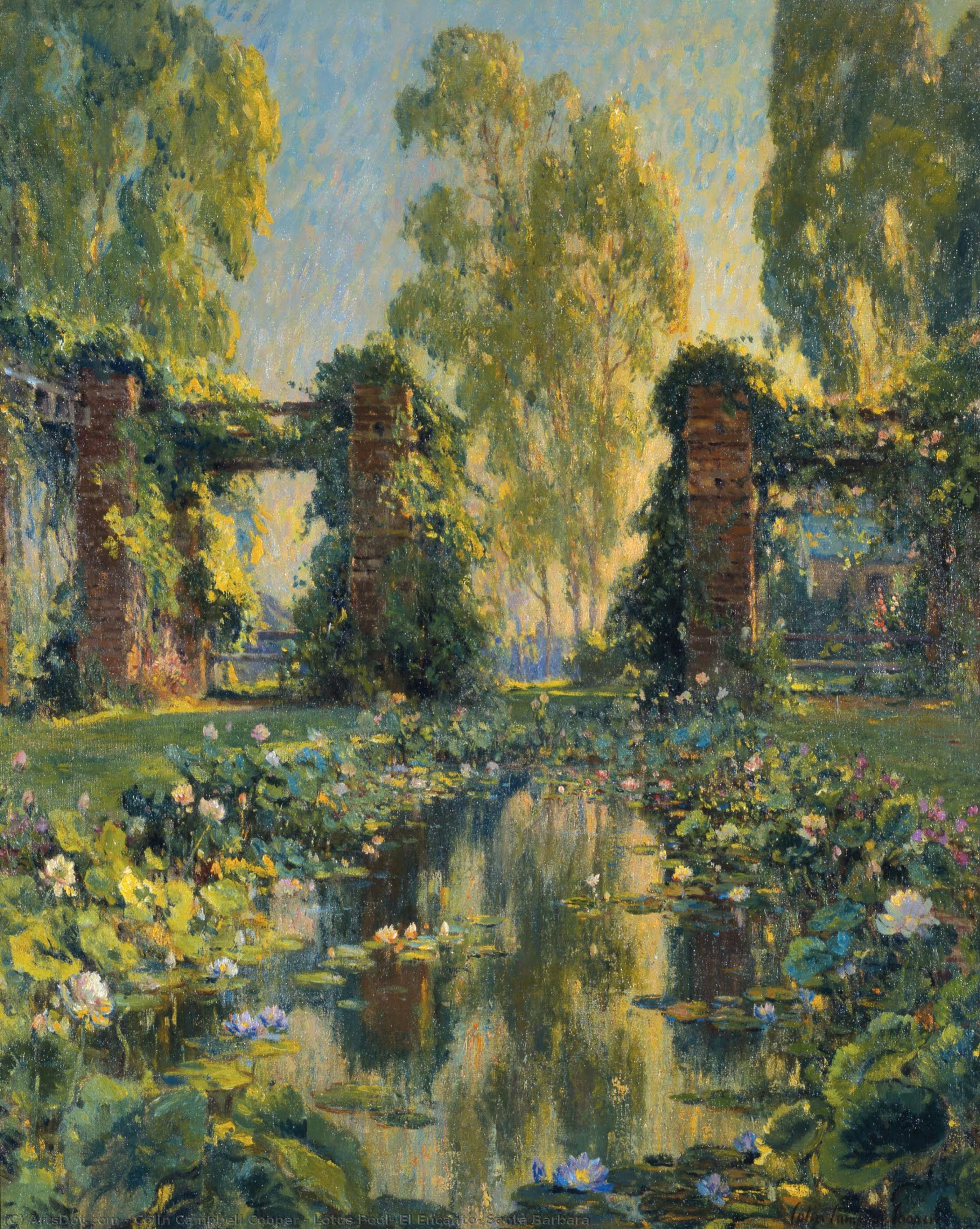
Lotus Pool, El Encanto, Santa Barbara


 詳細を見る
詳細を見る




P118B $10

P118H $10

P118W $10

P438Z $10

P508JH $12

P508YH $12

P805H $10

P805Z $10

P919BZ $10

P919G $10

P919XJ $10

P959ZH $10

P968JZ $12

W106C $8

W218G $10

W218JH $8

W218Y $10

W307PJ $10

W316G $10

W316PJ $8

W316Y $10

W398PJ $8

W4111J $10

W500HY $15

W500JH $15

W692G $12

W849H $8

W940BG $15

W953PJ $8




作品のオリジナル比率に合わせた、当店の規定サイズからお選びください。

特定のフレームやスペースに合わせて、ご希望のサイズをご入力いただけます。選択されたサイズが元の画像の比率と異なる場合、アートワークをトリミングするか、手描きで要素を追加して絵画を拡張いたします。デジタルモックアップ を制作し、制作開始前にご確認(承認)をいただきます。
画面上のプレビューは、実際のトリミングや拡張を正確に反映しているものではありません。最終的な構図は、モックアップによってのみ正確にご確認いただけます。
カスタムサイズもご利用いただけますが、元の比率を維持するためには、あらかじめ用意されたリストからサイズを選択することをお勧めいたします。
ご注文後、ArtsDot.com チームより詳細な指示をお送りするとともに、仕上がりイメージ(モックアップ)をご提供いたします。


 ガラスオプションは、110cm未満のサイズでのみご利用いただけます。

Lotus Pool, El Encanto, Santa Barbara
複製技法
複製画のサイズ
-


合計金額
$ 263
作品解説
A Tranquil Reflection: Exploring "Lotus Pool, El Encanto" by Colin Campbell Cooper
Colin Campbell Cooper’s “Lotus Pool, El Encanto, Santa Barbara,” painted in 1922, is more than just a picturesque garden scene; it's a carefully constructed meditation on beauty, leisure, and the restorative power of nature. Executed with a meticulous realism characteristic of his training under Thomas Eakins, the painting transports the viewer to the opulent grounds of El Encanto, a historic estate nestled in the Santa Barbara hills. The scene unfolds as a harmonious blend of observation and artistic interpretation, reflecting Cooper’s commitment to capturing the essence of his subject rather than merely replicating its appearance.
- Subject Matter: The painting centers around a serene pond – the “Lotus Pool” – surrounded by a profusion of flowering trees and plants. A graceful bridge arches across the water, inviting contemplation and offering multiple vantage points for observing the scene’s intricate details.
- Composition: Cooper skillfully employs atmospheric perspective, with objects in the foreground rendered with greater detail and sharpness while those receding into the distance soften and become less defined, creating a convincing sense of depth. The placement of figures – some engaged in quiet observation near the bridge, others scattered throughout the garden – adds to the feeling of a lived-in space, suggesting a moment of leisurely enjoyment.
The Influence of Eakins and Realist Tradition
Cooper’s artistic journey began with a solid grounding in realism, heavily influenced by his studies under Thomas Eakins at the Pennsylvania Academy of the Fine Arts. Eakins' rigorous approach to anatomy, composition, and direct observation is palpably present in “Lotus Pool.” Cooper’s attention to detail – from the individual petals of the flowers to the subtle variations in light and shadow – speaks to this influence. However, Cooper quickly developed his own distinctive style, moving beyond strict realism towards a more evocative representation of nature's beauty. The painting isn't simply a photographic record; it’s an interpretation imbued with a sense of quiet grandeur.
- Technique: Cooper utilized oil paints on canvas, employing layering and glazing techniques to achieve the luminous quality of light and color that characterizes the scene. His brushwork is precise yet fluid, contributing to the painting's overall sense of tranquility.
- Color Palette: The artist’s palette leans towards a harmonious blend of greens, blues, and pinks, reflecting the natural colors of the garden while subtly enhancing their beauty.
Symbolism and the Pursuit of Idyllic Beauty
The inclusion of the lotus flower itself carries significant symbolic weight, representing purity, enlightenment, and rebirth – themes frequently explored in Eastern art and philosophy. The pond, a mirror-like surface, reflects not only the surrounding beauty but also invites introspection. “Lotus Pool” embodies the American ideal of leisure and refinement during the early 20th century, a time when grand estates like El Encanto offered an escape from the hustle and bustle of urban life. It’s a scene designed to evoke feelings of peace, serenity, and appreciation for the natural world.
A Timeless Masterpiece – Perfect for Your Space
“Lotus Pool, El Encanto” remains a captivating work of art, offering a glimpse into a bygone era of opulent gardens and refined sensibilities. ArtsDot.com offers meticulously crafted hand-painted reproductions that faithfully capture the essence of Cooper’s original vision. Whether you're an admirer of American Impressionism, a collector seeking to expand your collection, or an interior designer searching for a touch of timeless elegance, this artwork is sure to bring beauty and tranquility to any space.
関連作品


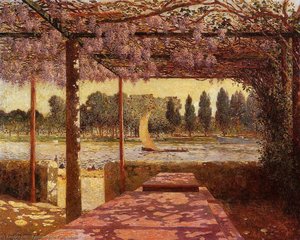
アーティストの略歴
フィラデルフィアの黎明とヨーロッパへの礎
1856年、コリン・キャンベル・クーパー・ジュニアは、裕福なフィラデルフィアのイングランド系アイルランド系の家庭に生まれました。彼の父親は外科医であり、法律家でもあり、芸術を深く理解していました。母親はアマチュアの水彩画家でした。幼い頃から絵を描く才能を示し、1876年のフィラデルフィア博覧会で出会った芸術が、彼の中に創造的な表現への欲求を呼び起こしました。この最初のきっかけが、1879年に名門ペンシルベニア・アカデミー・オブ・ファイン・アートに入学するきっかけとなり、3年間、影響力のあるリアリスト画家トーマス・エイキンズのもとで学びました。エイキンズの解剖学的正確さと直接観察への重点は、クーパーのアプローチに永続的な足跡を残し、彼のスタイルが進化しても変わることはありませんでした。さらに技術を磨くために、1886年にパリへ渡り、アカデミー・ジュリアンとアカデミー・ドラクルーズの芸術的環境に浸りました。そこでブーグローやレフェーブルのような著名な画家たちから学びました。これらの年々は、彼の技術的なスキルを磨き、バルビゾン派の風景画伝統など、ヨーロッパ絵画のより広範な潮流に彼をさらす上で非常に重要でした。アメリカ印象派の台頭
クーパーの芸術的発展は直線的なものではなく、むしろ影響と経験のダイナミックな相互作用でした。彼の初期の絵画はバルビゾン派のスタイルを反映しており、自然の風景に焦点を当てていましたが、ヨーロッパやその先への広範な旅行(大陸全体からアジアまでスケッチや絵を描く)が彼の視点を広げ、様式的転換を促しました。1896年の壊滅的な火災により、これらの初期作品の多くが失われましたが、皮肉にも新しい芸術的方向性を作り出すきっかけとなりました。この頃からクーパーは建築物に焦点を当て始め、特にアメリカ都市の芽生えつつあるスカイラインに注目しました。これが彼のシグネチャー・スタイルである、都市生活のダイナミズムと現代性をユニークに捉えたアメリカ印象派の始まりでした。彼は単に建物を記録していたのではなく、光、雰囲気、鮮やかな色彩を通してそれらを解釈していました。彼の技術は印象主義的な原則に根ざしていましたが、同時に独特の建築的感性を持っており、同時代のハッサムなど、より伝統的な風景や人物画を好んだ画家たちと彼を区別していました。エイキンズの影響はかすかに残っていましたが、それは構造への理解を知らせるものであり、今では印象主義の特徴である大気効果と筆致と融合していました。摩天楼と都市の交響曲
コリン・キャンベル・クーパーは、ニューヨーク市、フィラデルフィア、シカゴの摩天楼を描いたことで知られるようになりました。この主題は、20世紀初頭のアメリカの精神に深く共鳴しました。彼は単に建物を描いたのではなく、急速に進化する都市景観の中にいることや観察することの*経験*を描きました。彼のキャンバスはエネルギーに満ち溢れ、ガラスと鋼鉄に光が戯れる様子、下の賑やかな通り、そして新しい建築的野心の垂直性を捉えていました。1902年にニューヨーク水彩クラブからW.T.エヴァンス賞を受賞した『タイムズ・スクエアのブロードウェイ』は、この習熟を例証しています。印象主義的なタッチで描かれた活気に満ちた都市景観であり、都市生活の壮大さと一瞬の変化を伝えています。フランス政府がルーブル美術館のために『ニューヨークのフィフスアベニュー』を購入したことは、彼の国際的な評価を確固たるものにしました。クーパーの建築物を中心としたユニークな焦点は、多くの同時代の人々とは異なり、田園風景や社会人物の肖像画には興味がなく、彼は現代の大都市とその芸術的表現の可能性に魅了されていました。彼は建物そのものだけでなく、変化する世界を反映している美しさを見ました。遺産と永続的な影響
絵画活動に加えて、クーパーは教育にも献身し、ドレクセル工科大学(旧ドレクセル工科大学)で水彩クラスや建築レンダリングの授業を行っていました。1897年に同じ芸術家のエマ・ラムパート・クーパーと結婚し、両方の人生を豊かにする創造的なパートナーシップを築きました。1904年にニューヨーク市に移り住んだことで、アメリカ美術界における彼の地位が確固たるものになり、その後1921年にサンタバーバラ(カリフォルニア州)に移り住み、サンタバーバラ・スクール・オブ・ザ・アーツの学部長を務めました。クーパーの作品は、その美的品質だけでなく、歴史的な重要性も認識されています。彼は、摩天楼の台頭と都市景観の変化というアメリカ史における重要な瞬間を捉え、革新的でありながら伝統に根ざした芸術的ビジョンで描きました。ニューヨーク・タイムズは彼を「アメリカの卓越した摩天楼画家」と適切に表現しました。彼の絵画は今日でも共鳴し続けており、過ぎ去った時代の一瞥を提供すると同時に、現代建築の永続的な力と都市環境における美しさの祝典となっています。彼は20世紀初頭の急速に変化する都市景観を表現するための視覚言語を定義するのに役立ち、現代生活のエネルギーとダイナミズムを捉えようとした後世の芸術家に影響を与えました。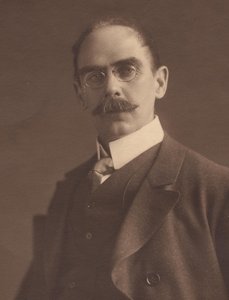
コリン・キャンベル・クーパー
1856 - 1937 , アメリカ合衆国
基本情報
- Artistic Movement Or Style: アメリカ印象派
- Artists Or Movements Influenced By This Artist:
- 都市絵画
- アメリカ印象派
- Artists Who Influenced This Artist:
- トーマス・エイキンズ
- バルビゾン派
- ブーグロー
- ルフェーブル
- Date Of Birth: 1856年3月8日
- Date Of Death: 1937年11月6日
- Full Name: コリン・キャンベル・クーパーJr.
- Nationality: アメリカ人
- Notable Artworks:
- タイムズ広通りの戦時風景
- ハドソン川河岸
- 旧グランド・セントラル駅
- ブロードウェイ
- Place Of Birth (City And Country): フィラデルフィア、アメリカ合衆国
関連記事
Cultivating Paradise: A Historical & Artistic Exploration of Gardens in Painting
Explore the rich history of gardens in painting! Discover masterpieces from Renaissance to Impressionism & beyond. Learn about symbolism, artists like Monet & Klimt, and find your perfect artwork at ArtsDot.

Giclée Prints: Archival Quality & Aesthetic Nuances for the Discerning Collector
Explore the world of giclée prints with ArtsDot. Learn about archival quality, aesthetic nuances & investment potential. Expert guidance for discerning art collectors seeking museum-quality reproductions and lasting value.

Echoes of Time: Exploring the Enduring Appeal & Historical Context of Vintage Art Prints
Explore the captivating world of vintage art prints! Discover their history, collecting tips & enduring appeal. Expert insights on chromolithography and building a legacy collection with ArtsDot.
Transforming Spaces: A Comprehensive Exploration of Wall Decor Through Art History & Contemporary Practice
Explore the art of transforming spaces with our comprehensive guide to wall decor. From historical movements to contemporary trends, discover how to curate impactful interiors and commission bespoke artwork for a truly personalized aesthetic.
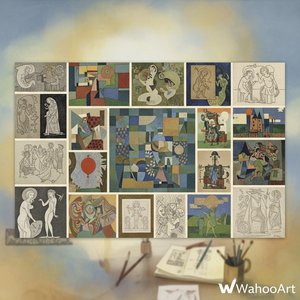
パウル・クレー傑作25選:色彩と象徴に満ちた芸術の世界 | ArtsDot
パウル・クレーの傑作25選🎨 色彩と象徴に満ちた抽象絵画の世界を旅。ドイツ表現主義からバウハウスまで、クレーの革新的な技法と感動的な作品群をArtsDotで。高品質な美術品複製やインテリアアートも豊富です。オンラインストアで全コレクションをご覧ください。

