

 プレビュー
プレビュー
 プリントを購入
 シェアする
シェアする シェアする
シェアする
 詳細を見る
詳細を見る

 ダウンロード
 似ている作品
 X線調査
X線調査 スライドショー
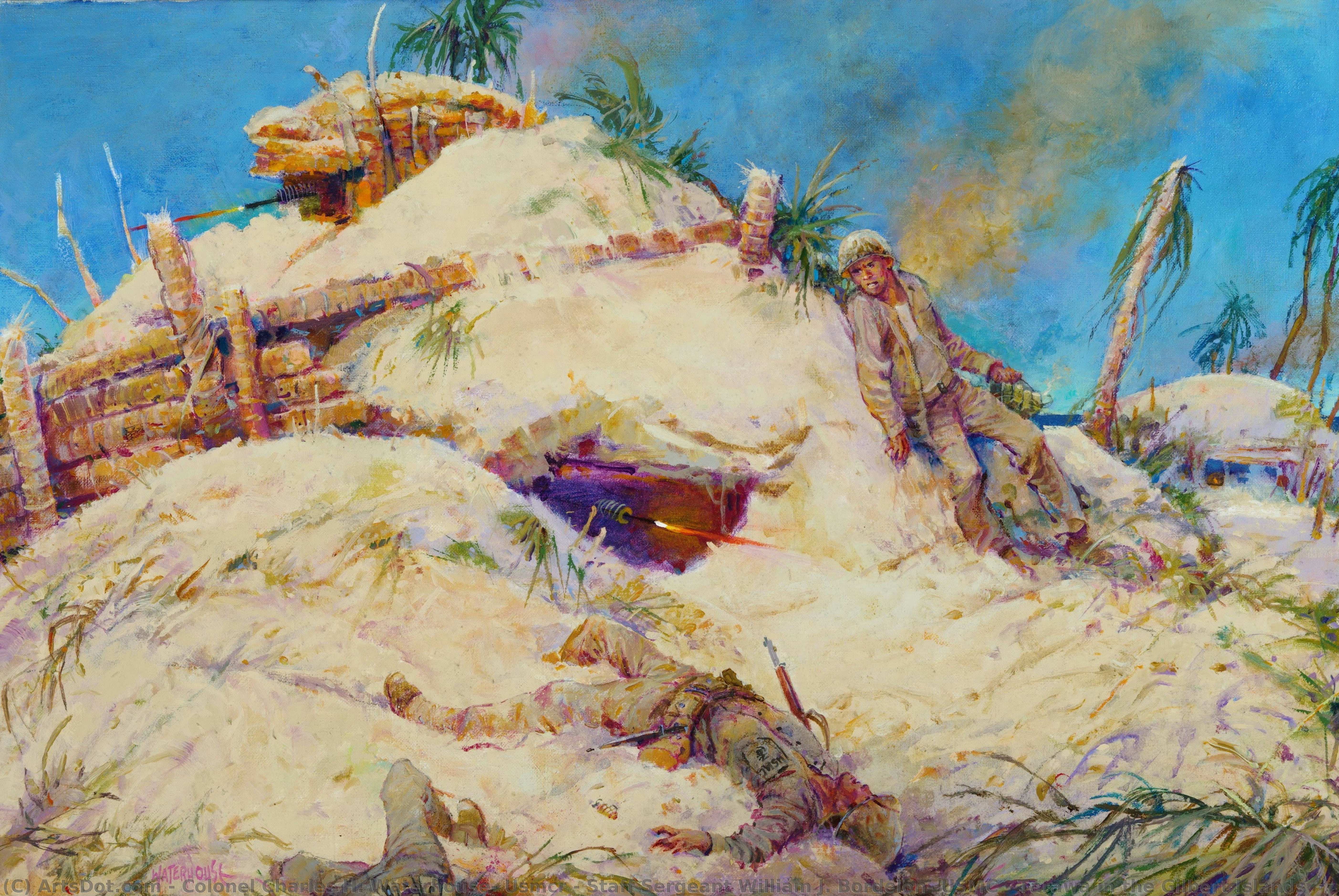
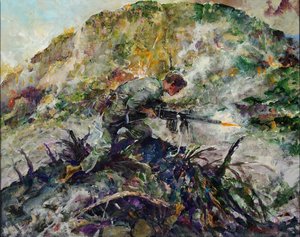
Staff Sergeant William J. Bordelon, USMC - Tarawa in the Gilbert Islands


 詳細を見る
詳細を見る




P118B $10

P118H $10

P118W $10

P438Z $10

P508JH $12

P508YH $12

P805H $10

P805Z $10

P919BZ $10

P919G $10

P919XJ $10

P959ZH $10

P968JZ $12

W106C $8

W218G $10

W218JH $8

W218Y $10

W307PJ $10

W316G $10

W316PJ $8

W316Y $10

W398PJ $8

W4111J $10

W500HY $15

W500JH $15

W692G $12

W849H $8

W940BG $15

W953PJ $8




作品のオリジナル比率に合わせた、当店の規定サイズからお選びください。

特定のフレームやスペースに合わせて、ご希望のサイズをご入力いただけます。選択されたサイズが元の画像の比率と異なる場合、アートワークをトリミングするか、手描きで要素を追加して絵画を拡張いたします。デジタルモックアップ を制作し、制作開始前にご確認(承認)をいただきます。
画面上のプレビューは、実際のトリミングや拡張を正確に反映しているものではありません。最終的な構図は、モックアップによってのみ正確にご確認いただけます。
カスタムサイズもご利用いただけますが、元の比率を維持するためには、あらかじめ用意されたリストからサイズを選択することをお勧めいたします。
ご注文後、ArtsDot.com チームより詳細な指示をお送りするとともに、仕上がりイメージ(モックアップ)をご提供いたします。


 ガラスオプションは、110cm未満のサイズでのみご利用いただけます。

Staff Sergeant William J. Bordelon, USMC - Tarawa in the Gilbert Islands
複製技法
複製画のサイズ
-


合計金額
$ 263
作品解説
A Moment Frozen in Valor: The Battle of Tarawa
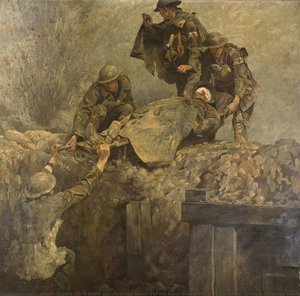
In the visceral masterpiece Staff Sergeant William J. Bordelon, USMC - Tarawa in the Gilbert Islands, the viewer is not merely an observer but a witness to the raw, unyielding intensity of the Pacific Theater during World War II. Created by the esteemed Colonel Charles H. Waterhouse, this work captures a pivotal moment of combat where the atmosphere is thick with the scent of salt, sand, and the heavy weight of duty. The composition is dominated by a massive, imposing sand dune that acts as both a physical barrier and a psychological anchor for the scene. Through Waterhouse’s lens, we see the chaos of the battlefield rendered with a profound sense of immediacy; a fallen soldier rests at the base of the dune, a silent testament to the cost of conflict, while another stands in vigilant, focused defense against an unseen adversary. The landscape itself feels alive and unstable, mirroring the precarious nature of life during the invasion of the Gilbert Islands.
The technique employed by Waterhouse is a masterful display of romantic realism, characterized by expressive, textured brushwork that breathes movement into the static canvas. Using what appears to be the rich, layered application of oil paint, the artist utilizes broad, swirling strokes to define the shifting sands of the dune, giving it a sense of geological force and wind-swept instability. This tactile quality extends to the figures of the Marines, whose musculature and concentrated expressions are rendered with enough detail to convey their physical strain and mental fortitude. The lighting is intentionally harsh and dramatic, casting deep, obsidian shadows that carve out the geometric forms of the soldiers and the makeshift wooden fortifications. This high-contrast approach creates a cinematic tension, pulling the eye across the battlefield and forcing an encounter with the grit and grime of war.
Beyond its technical prowess, the painting serves as a profound symbolic narrative. The contrast between the vibrant, serene blue of the sky and the scorched, earthy tones of the combat zone creates a jarring juxtaposition—a reminder of the indifferent beauty of nature amidst human devastation. The fallen soldier becomes a powerful symbol of sacrifice and the heavy toll of heroism, while the standing Marine embodies the indomitable spirit of resilience. For collectors and enthusiasts of military history, this piece offers more than just a depiction of a battle; it provides an emotional gateway into the psyche of the United States Marine Corps. It is a work that demands attention in any curated collection, offering a somber yet inspiring reflection on courage that resonates deeply within the walls of a home or a gallery.
For interior designers and art lovers seeking to anchor a space with a sense of history and gravity, this reproduction offers an unparalleled opportunity. The artwork’s dynamic composition and powerful emotional resonance make it a commanding focal point, capable of sparking conversation and evoking deep contemplation. Whether placed in a study, a library, or a formal living area, the piece brings with it a legacy of service and a masterful command of light and shadow, making it an essential acquisition for those who value art that tells a story of profound human endurance.
関連作品

アーティストの略歴
**献身と芸術が織りなす生涯**
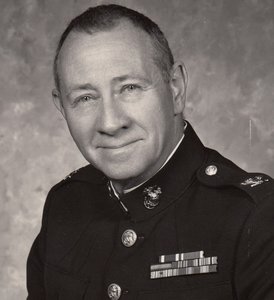
チャールズ・H・ウォーターハウス大佐(USMCR)は、アメリカを代表する画家、イラストレーター、そして彫刻家として、芸術界に消えることのない足跡を残しました。特に、アメリカ海兵隊の歴史的テーマを描き出したその作品群は、見る者の魂を揺さぶります。1922年に生まれたウォーターハウスの生涯は、まさに献身、犠牲、そして芸術的表現が一体となった、気高き物語そのものでした。**若き日の記憶と軍務の軌跡**
1943年、ウォーターハウスは海兵隊に入隊し、第二次世界大戦中には第5海兵師団に身を投じました。太平洋戦域での激戦、とりわけ硫黄島の戦いに参戦した彼は、そこで瀕死の重傷を負い、パープルハート勲章を授与されることとなります。この壮絶な実体験は、後に彼が描く芸術的テーマに、逃れようのない深みと真実味を与えることとなりました。**芸術家としての歩み**
戦後、彼はニューアーク美術・工業学校にて本格的な芸術修行の道へと進みます。スティーブン・R・キッドやW・T・エイルワードといった師の指導の下、彼はロマンティック・リアリズムに根ざした独自のスタイルを確立していきました。その卓越した技法は数多くの出版物を通じて世に知られるようになり、需要の高いイラストレーターとしての地位を確固たるものにしました。- フレデリック・レミントンがアメリカ西部の芸術に与えた影響は極めて大きいものですが、海兵隊の歴史的テーマに対するウォーターハウス独自の貢献は、他に類を見ないほど比類なきものです。
- ベトナム戦争において民間戦闘画家として従軍した経験は、戦争の複雑さと、その題材となる人々への理解をさらに深めることとなりました。
- 1971年、彼は海兵隊歴史局から、独立戦争時代の海兵隊を描く絵画制作の依頼を受けました。これは彼のキャリアにおける決定的な転換点となりました。
**受け継がれる遺産と名作の数々**
ウォーターハウスの最も有名な作品である「最高級の伝統において——第二次世界大戦メダル・オブ・オナー作品:チャールズ・H・ウォーターハウス大佐による絵画」は、海兵隊の伝説、ジョン・バシローニ軍曹へ捧げられた痛切な賛歌です。この傑作をはじめとする数々の作品は、彼の献身の証として、国立海兵隊博物館に大切に収蔵されています。- フレデリック・レミントンによる「ザ・スタンプディ(疾走)」は、ウォーターハウスと直接的な繋がりはありませんが、アメリカの画家たちが歴史的テーマに与えた影響を象徴しています。
- ArtsDot.comにおけるウォーターハウス自身のプロフィールでは、彼の膨大なコレクションと、海兵隊の歴史に与えた影響を詳しく紹介しています。
- チャールズ・ウォーターハウス(芸術家)に関するWikipediaの項目では、彼の生涯、軍務、そして芸術的功績について詳細な記録を見ることができます。
**結び**
チャールズ・H・ウォーターハウス大佐が遺したレガシーは、献身、芸術、そしてアメリカ海兵隊の不屈の精神が溶け合ったものです。彼の作品は今もなお、人々にインスピレーションを与え、教育し、そして任務に捧げられた人々の犠牲を称え続けています。- さらなる詳細やコレクションの探索については、ArtsDot.comのウォーターハウス・プロフィールをご覧ください。
- 彼の生涯と作品の包括的な概要については、Wikipediaのチャールズ・ウォーターハウス(芸術家)の項目を深く掘り下げてみてください。
チャールズ・H・ウォーターハウス大佐 (Usmcr)
1922 - 2013 , アメリカ合衆国
関連記事

The Enduring Legacy of Oil on Canvas: Technique, History & Aesthetic Impact
Explore the rich history & techniques of oil painting – from Renaissance masters to Impressionism. Discover pigments, layering methods, and why this timeless medium endures. Expert insights for artists & art enthusiasts.

Oil on Canvas: A Historical & Technical Exploration of a Timeless Artistic Medium
Explore the rich history & enduring techniques of oil painting on canvas. Discover the science behind its longevity, conservation practices, and contemporary relevance. Expert insights for art enthusiasts.

The Enduring Power of Painting: A Historical & Contemporary Exploration of Form and Emotion
Explore the rich history & enduring techniques of oil painting with ArtsDot. Discover masterpieces, learn about art collecting, and find authentic handmade reproductions crafted by skilled artists.

油彩のキャンバス:技法、歴史、そして現代の実践 - 古典美術愛好家へ
油彩の技法、歴史、巨匠たちの秘密を徹底解説。古典美術愛好家向けに、初期フランドル絵画から現代の実践まで深く掘り下げます。ArtsDotで高品質な複製画やカスタムオーダーも承ります。
Oil on Board Masters: 10 Paintings That Redefined Art | ArtsDot
Explore 10 legendary 'Oil on Board' masterpieces by Van Gogh, Monet & more! Discover art history, iconic styles like Impressionism, and find museum-quality reproductions to elevate your home decor. Explore the full collection online at ArtsDot.com.

