

 プレビュー
プレビュー
 シェアする
シェアする シェアする
シェアする
 詳細を見る
詳細を見る

 ダウンロード
 似ている作品
 X線調査
X線調査 スライドショー
 統計情報
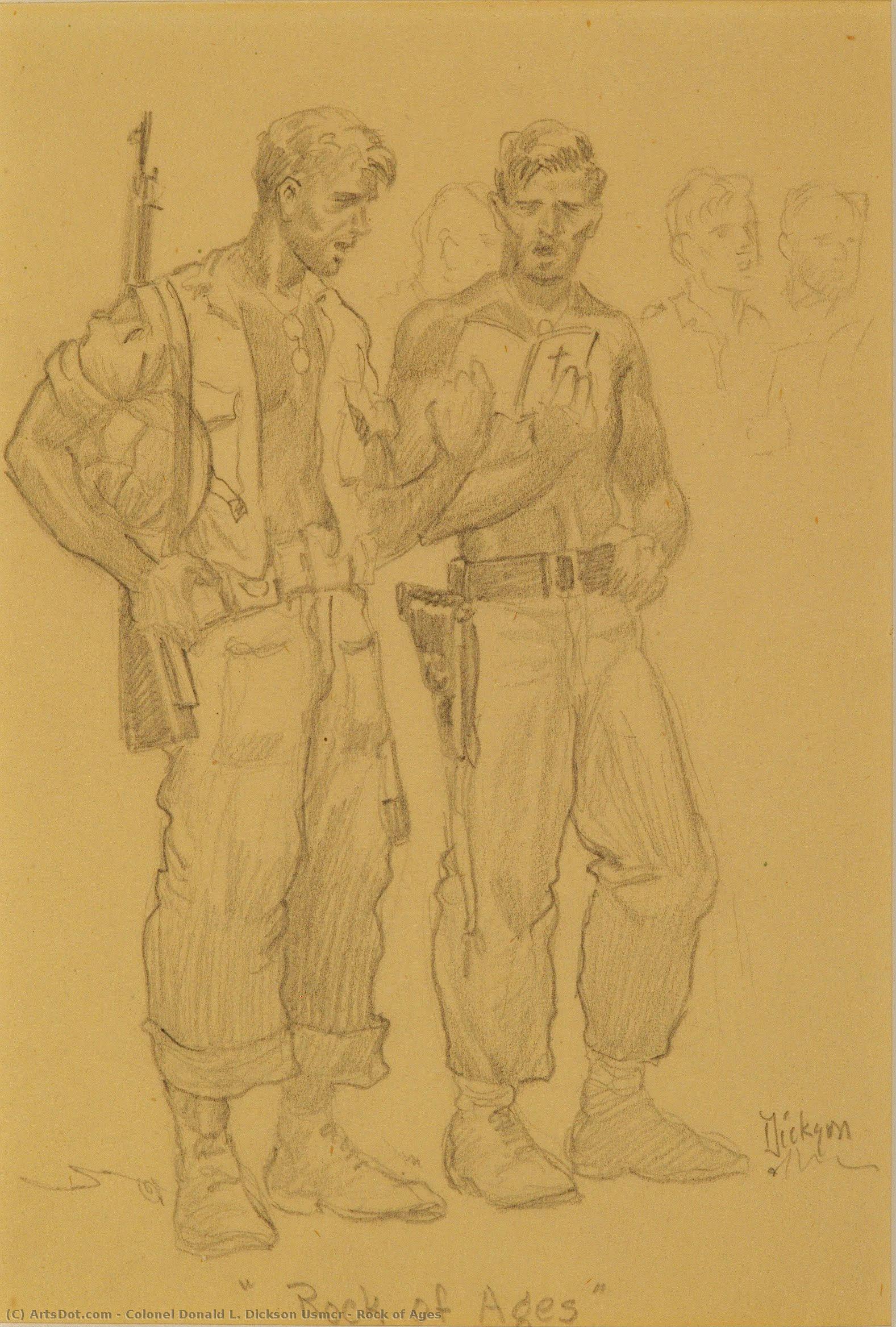
統計情報Rock of Ages


 詳細を見る
詳細を見る
ジークレー/アートプリント
迅速な制作と多彩な仕上げオプションを備えた、ミュージアムクオリティのジークレーまたはキャンバスプリント。 ( 手描きの絵画を購入 デジタル画像販売へ切り替え)




































作品のオリジナル比率に合わせた、当店の規定サイズからお選びください。

特定のフレームやスペースに合わせて、ご自身でサイズを指定することも可能です。選択されたサイズが元の画像の比率と一致しない場合、作品をトリミングするか、鏡面反射または単色での塗りつぶしによって画像を拡張いたします。制作を開始する前に、ご確認用のデジタルモックアップをお送りいたします。
画面上のプレビューには、実際のトリミングや拡張は反映されませんのでご注意ください。最終的な構図を正確に確認できるのは、モックアップのみとなります。
カスタムサイズも承っておりますが、元の比率を維持するためには、あらかじめ用意されたリストからサイズを選択することをお勧めいたします。


 ガラスオプションは、110cm未満のサイズでのみご利用いただけます。

Rock of Ages
ジークレー/アートプリント
複製画のサイズ
-


合計金額
$ 62
関連作品
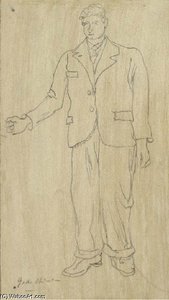
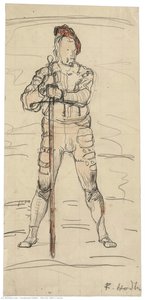
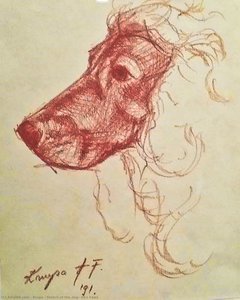
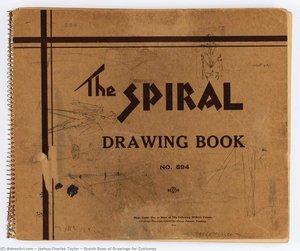
アーティストの略歴
Paul Cézanne: Bridging Impressionism and Modernity
Born in Aix-en-Provence, France, on January 19, 1839, Paul Cézanne remains a pivotal figure in the transition from late 19th-century Impressionism to the burgeoning movements of early 20th-century modern art. His life was one of quiet dedication to his craft, marked by a relentless pursuit of formal structure and an innovative approach to color and perspective. While initially influenced by the vibrant palettes and fleeting moments captured by Impressionists like Monet and Renoir, Cézanne ultimately forged a unique path, laying the groundwork for Cubism and other radical developments in art history. His legacy lies not just in his individual paintings but in the profound impact he had on subsequent generations of artists.
Early Influences and Artistic Development
Cézanne’s early artistic training was somewhat conventional, studying at the École des Beaux-Arts in Paris. However, it was his time spent observing the landscapes around Aix – particularly Mont Sainte-Victoire, a towering peak that dominated the horizon – which profoundly shaped his artistic vision. He meticulously studied this subject throughout his career, creating hundreds of variations on its form and color. Initially, Cézanne’s work reflected the Impressionist emphasis on capturing light and atmosphere. However, he soon began to move beyond mere representation, experimenting with a more structured approach to composition and drawing. He sought to capture not just what he *saw*, but also the underlying geometric forms that constituted the world around him.
- Impressionism’s Influence: Cézanne initially admired Impressionist painters like Monet, absorbing their techniques for capturing light and color.
- The Mont Sainte-Victoire Series: This iconic subject became central to his artistic development, allowing him to explore form, perspective, and the effects of light.
- Breaking with Academic Tradition: Cézanne deliberately rejected the rigid rules of academic art, prioritizing personal observation and expressive representation over strict adherence to established conventions.
Formal Innovations and a New Pictorial Language
Cézanne’s most significant contribution was his revolutionary approach to painting technique. He systematically dismantled traditional notions of perspective, flattening space and employing multiple viewpoints within a single composition. He did this not through illusionistic depth, but by building up forms with small, broken brushstrokes—a technique he famously described as “putting in the black.” This method created a sense of solidity and structure, transforming his landscapes into dynamic arrangements of planes and volumes. His use of color was equally innovative; he moved away from the bright, pure hues favored by Impressionists, opting for earth tones, muted greens, and ochres to create a more subdued and atmospheric effect.
- Multiple Perspectives: Cézanne frequently depicted objects and landscapes from multiple viewpoints simultaneously, challenging traditional notions of spatial representation.
- Broken Brushstrokes: His distinctive technique involved applying small, separate brushstrokes that built up forms and created a sense of texture and depth.
- Earth Tones and Muted Colors: He favored a palette of subdued colors to create atmospheric effects and emphasize the formal qualities of his compositions.
Key Works and Lasting Legacy
Among Cézanne’s most celebrated works are *The Card Players* (1898), *The Bathers* (c. 1906-1907), and the numerous paintings depicting Mont Sainte-Victoire. These works exemplify his innovative approach to composition, color, and form. His influence extended far beyond his own lifetime, inspiring artists such as Van Gogh, Matisse, Picasso, and Braque—the very figures who would pioneer Cubism. Cézanne’s emphasis on structure, simplification, and the exploration of underlying forms paved the way for a radical shift in artistic representation, fundamentally altering the course of modern art. He died in Aix-en-Provence on October 22, 1906, leaving behind a body of work that continues to captivate and challenge viewers today.
Cézanne’s Place in Art History
Paul Cézanne is often considered a pivotal figure between Impressionism and Cubism. He didn't simply reject the Impressionist style, but rather built upon its foundations to create something entirely new. His work demonstrated that art could be more than just a representation of reality; it could also be an exploration of form, structure, and color. Cézanne’s legacy is one of innovation, experimentation, and profound influence—a testament to the enduring power of his artistic vision.
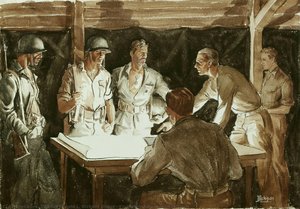
colonel donald l. dickson usmcr
1906 - 1974 , United States of America
基本情報
- Artistic Movement Or Style: Post-Impressionism
- Artists Or Movements Influenced By This Artist:
- Cubism
- Impressionism
- Artists Who Influenced This Artist:
- Jean-Auguste–Dominique Ingres
- William-Adolphe Bouguereau
- Date Of Birth: 19 January 1839
- Date Of Death: 22 October 1906
- Full Name: Paul Cézanne
- Nationality: French
- Notable Artworks:
- The Card Players
- The Bathers
- Mont Sainte-Victoire
- Place Of Birth: Paris, France
関連記事
Echoes of War & Hope: Top 10 Artworks Reflecting the 1940s | ArtsDot
Journey through a decade of resilience & change with our Top 10 artworks of the 1940s. Explore iconic paintings by Rockwell, Hopper & more—reflecting WWII's impact and post-war hope. Find museum-quality reproductions at ArtsDot.com
ジョアン・ミロ傑作25選:夢と色彩が織りなす芸術の世界|ArtsDot
ジョアン・ミロの傑作25選🎨 シュルレアリスムを代表する巨匠、ミロの世界へ。色彩と象徴に満ちた絵画の物語を紐解き、インテリアアートのインスピレーションを得ましょう。ArtsDotで高品質なアートプリントをお探しください✨
William Owen: A Poetic Vision of War & Landscape in British Modernism
Explore the poignant war poetry of Wilfred Owen, a key figure in British Modernism. Discover his innovative style, themes of loss & camaraderie, and lasting impact on 20th-century literature. Analysis & historical context included.
The Eloquent Line: Exploring the Artistic Significance of Sketches Across Movements and Media
Explore the profound artistic significance of sketches throughout history. From Renaissance masters to modern innovators like Van Gogh & Guston, discover how these foundational works reveal technique, emotion, and vision. Learn more at ArtsDot.
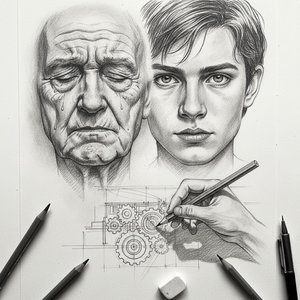
The Nuances of Graphite: Exploring Emotional Depth & Technical Mastery in Pencil Drawing
Explore the captivating world of graphite drawing! Discover its rich history, master essential techniques like chiaroscuro, and learn how artists evoke emotion through this timeless medium. Expert insights for art enthusiasts.