 プレビュー
プレビュー
 プリントを購入
 シェアする
シェアする シェアする
シェアする
 詳細を見る
詳細を見る

 ダウンロード
 似ている作品
 X線調査
X線調査 スライドショー
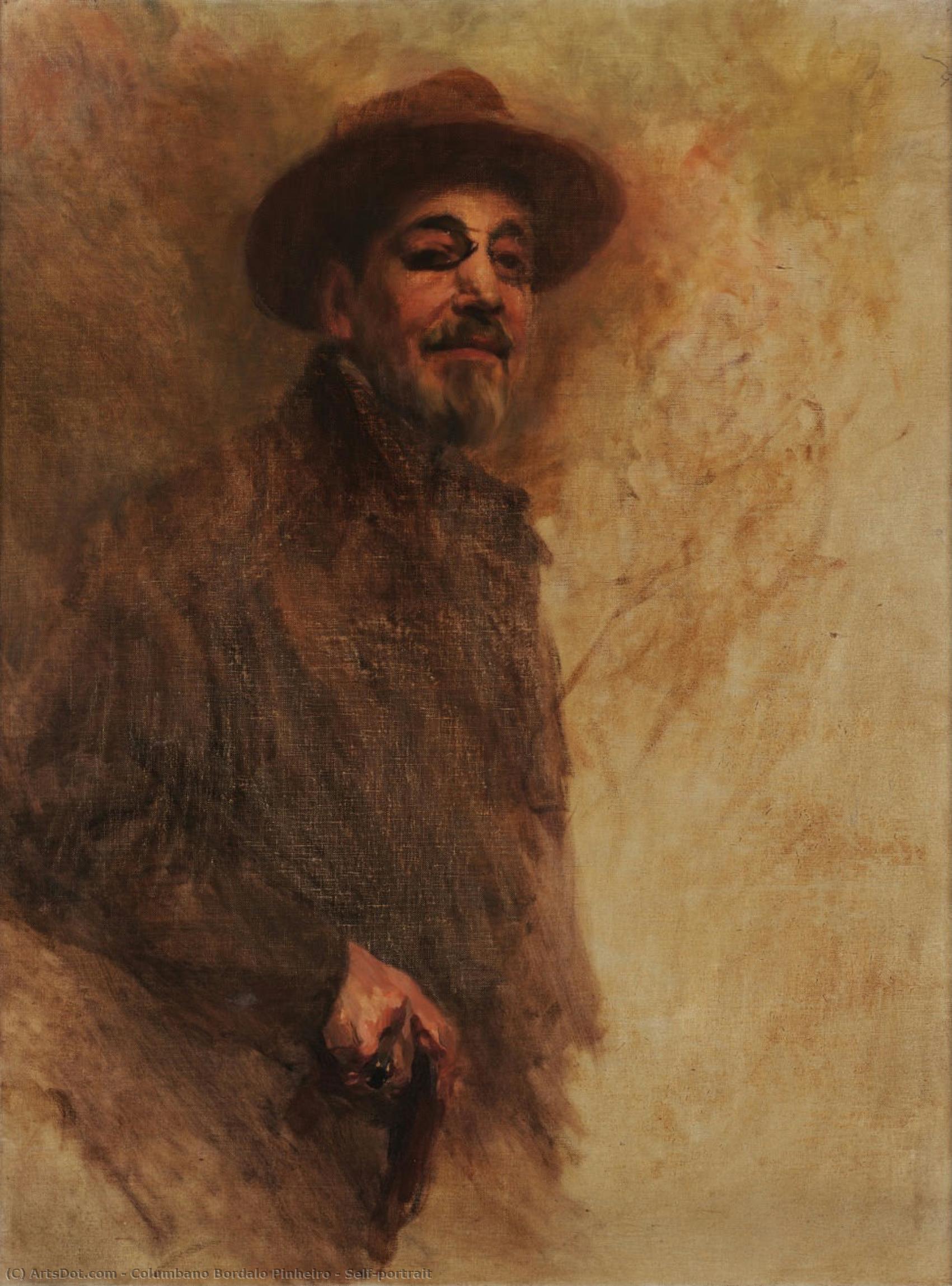
Self-portrait


 詳細を見る
詳細を見る




































作品のオリジナル比率に合わせた、当店の規定サイズからお選びください。

特定のフレームやスペースに合わせて、ご希望のサイズをご入力いただけます。選択されたサイズが元の画像の比率と異なる場合、アートワークをトリミングするか、手描きで要素を追加して絵画を拡張いたします。デジタルモックアップ を制作し、制作開始前にご確認(承認)をいただきます。
画面上のプレビューは、実際のトリミングや拡張を正確に反映しているものではありません。最終的な構図は、モックアップによってのみ正確にご確認いただけます。
カスタムサイズもご利用いただけますが、元の比率を維持するためには、あらかじめ用意されたリストからサイズを選択することをお勧めいたします。
ご注文後、ArtsDot.com チームより詳細な指示をお送りするとともに、仕上がりイメージ(モックアップ)をご提供いたします。


 ガラスオプションは、110cm未満のサイズでのみご利用いただけます。

Self-portrait
複製技法
複製画のサイズ
-


合計金額
$ 263
作品解説
A Window Into Portuguese Soul: Examining Columbano Bordalo Pinheiro’s “Self-Portrait”
Columbano Bordalo Pinheiro stands as Portugal's undisputed champion of Realism during the late 19th and early 20th centuries, a legacy cemented by his profound understanding of human psychology and masterful execution. His oeuvre transcends mere representation; it’s an invitation into the artist’s inner world—a realm meticulously rendered on canvas with unwavering precision.
- Subject Matter: Bordalo Pinheiro's “Self-Portrait,” painted in 1929, is a strikingly honest depiction of his own visage. Unlike many portraits of his era that prioritized idealized beauty, this work confronts viewers with unflinching realism—a gaze directed slightly off camera, hinting at contemplation and introspection.
- Style & Technique: The painting embodies the tenets of Naturalism, championed by artists like Émile Zola and Jules Bastien-Lepage. Bordalo Pinheiro employed a meticulous layering technique—thin glazes applied over underdrawings—to achieve luminous tonal gradations and capture subtle nuances of skin texture. This painstaking process reflects his dedication to capturing the essence of human experience.
- Historical Context: Created during Portugal’s Belle Époque, “Self-Portrait” speaks to a period marked by intellectual ferment and artistic experimentation. Bordalo Pinheiro absorbed influences from Impressionism and Symbolism, blending them into his distinctive style—a testament to the dynamism of European art at the time.
- Symbolism: Beyond its visual qualities, the portrait carries symbolic weight. The artist’s gaze embodies a desire for self-awareness and an acknowledgement of mortality—themes prevalent in Symbolist art. Furthermore, the inclusion of his wife on the right side of the canvas suggests a celebration of domestic harmony and familial bonds.
- Emotional Impact: Viewing Bordalo Pinheiro's “Self-Portrait” evokes a sense of quiet contemplation and empathy. The artist’s gaze invites viewers to consider their own identities and experiences—a powerful reminder that art can transcend mere aesthetics to illuminate the human condition.
The painting itself is displayed on a wall, showcasing its artistic qualities. The background features some trees, adding depth and interest to the composition. Overall, this self-portrait captures the artist’s unique style and character in a visually appealing manner.
Exploring Bordalo Pinheiro's Artistic Vision
Bordalo Pinheiro’s approach to portraiture wasn’t simply about capturing likeness; it was about conveying inner life—a feat accomplished through careful observation and masterful brushwork. His canvases are imbued with a palpable sense of atmosphere, reflecting his belief that art should engage all the senses.
- Influence: Bordalo Pinheiro's work owes considerable debt to Wilhelm Leibl, whose portraits prioritized psychological realism above all else. Leibl’s insistence on capturing the sitter’s emotional state—a characteristic found throughout Bordalo Pinheiro’s oeuvre—demonstrates the artist’s commitment to portraying human vulnerability.
- Materials & Process: Bordalo Pinheiro utilized oil paints mixed with turpentine and linseed oil, applying them in thin glazes over underdrawings. This technique allowed him to achieve remarkable tonal accuracy and luminosity—a hallmark of his artistic style.
A Legacy of Portuguese Realism
Columbano Bordalo Pinheiro’s “Self-Portrait” remains a cornerstone of Portuguese art history, embodying the ideals of Naturalism and Symbolism while simultaneously elevating portraiture to new heights of psychological insight. Its enduring appeal lies in its ability to resonate with viewers across generations—a testament to the artist's timeless vision.
- Museum Display: The painting is housed in the Museu Nacional de Arte Contemporânea – Museu do Chiado, Lisbon, Portugal, where it continues to inspire admiration and scholarly debate. Its prominent position within the museum’s collection underscores its significance as a masterpiece of Portuguese Realism.
The artist's outfit includes a jacket, which adds an element of formality to the scene. The painting itself is displayed on a wall, showcasing its artistic qualities. The background features some trees, adding depth and interest to the composition. Overall, this self-portrait captures the artist’s unique style and character in a visually appealing manner.
関連作品

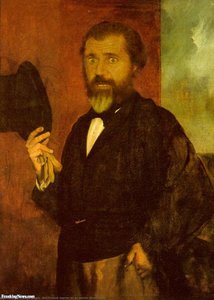
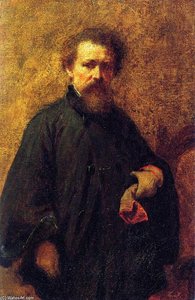
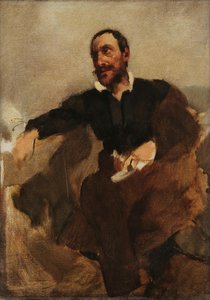
アーティストの略歴
写実主義のポルトガル巨匠:コルンバノ・ボルド・ピニェイロの生涯と芸術
1857年、芸術的な熱気に包まれたポルトガルに生を受けたコルンバノ・ボルド・ピニェイロは、国家の美術史における極めて重要な人物として君臨しています。彼は単なる画家ではありませんでした。激動の時代における時代の記録者であり、社会が深い変革期を迎える中で、ポルトガル社会の魂そのものへと深く踏み込んだ心理肖像画家でもあったのです。父マヌエル・マリア・ボルド・ピニェイロは名高いロマン派の画家であり、弟ラファエルは著名な風刺画家という、すでに確立された芸術的家系に生まれたコルンバノは、後に比類なき独自のヴィジョンへと開花することになる創造的な精神を受け継ぎました。父の下での初期修行に加え、シモンイス・デ・アルメイダやミゲル・アンジェロ・ルピといった彫刻家たちとの交流は、緻密な観察眼と卓越した技術を基盤とした彼のキャリアの礎となりました。しかし、彼の芸術的軌道を真に加速させたのは、1881年のフランス留学でした。そこで彼は、勃興しつつあった自然主義、写実主義、そして印象派といった運動に触れることになります。クールベ、マネ、ドガといった巨匠たちの影響を吸収しながらも、ボルド・エ・ピニェイロが単なる模倣に陥ることはありませんでした。彼は、しばしば沈鬱なパレットと内省的な質感を特徴とし、ポルトガル人の気質と深く共鳴する、彼独自のスタイルを築き上げたのです。「グルポ・ド・レオ」と自然主義の受容
ボルド・ピニェイロは、アトリエの境界内に留まるだけでは満足しませんでした。彼は当時の知的な潮流に積極的に関わり、影響力を持った「グルポ・ド・レオ(獅子のグループ)」の共同創設者となりました。リスボンのレストラン「レイ・デ・オウロ」に集まった芸術家、作家、思想家たちのこの集まりは、議論と芸術的革新のための活気ある拠点として機能しました。ここで、アカデミックな芸術が持つ制約への対抗策として、自然主義が情熱的に宣言されたのです。理想化やロマン主義的な装飾を排し、生命をありのままに表現しようとするこの献身的な姿勢は、ボルド・ピニェイロの作品の決定的な特徴となりました。彼は被写体の外見だけでなく、その内面的な生活、不安、そして複雑な葛藤をも捉えようと試みました。その真価は彼の肖像画において顕著に現れており、それらは単なる似顔絵を遥かに超えた、鋭い心理学的研究といえます。彼は人々が「どのように見えるか」を描いたのではなく、彼らが「何者であるか」――その脆弱さ、野心、そして顔に刻み込まれた経験の重みまでも描き出したのです。魂への窓としての肖像画
ボルド・ピニェイロの卓越した技量は、肖像画において真に輝きを放ちました。彼はポルトガルの主要な知識人や作家、文化人たちから寵愛される画家となり、ジョゼ・マリア・デ・エッサ・デ・ケイロス、テオフィロ・ブラガ、ラウル・ブランダンといった面々が彼の前にモデルとして座りました。これらの依頼は決して軽い気持ちで行われたものではありません。ボルド・ピニェイロは各被写体に対して深い責任感を持って向き合い、身体的な特徴だけでなく、その人物の精神の本質を捉えようと心血を注ぎました。おそらく彼の最も有名な肖像画は、1889年に完成した詩人アンテロ・デ・クエンタルのものです。この作品には、その直後に起こるクエンタの悲劇的な自殺を予感させるような、不穏な予兆が漂っています。これは、人間の精神の隠された深淵を見抜き、描き出すボルド・ピニェイロの驚異的な能力の証左といえるでしょう。「クンニャ・ヴァスコの肖像」などの作品では、光と影の劇的な使い方が、被写体の知的な強烈さと内なる葛藤を際立たせています。彼は欠点や脆さを描くことを避けるどころか、むしろそれらを個々人を唯一無二のものとする不可欠な要素として受け入れたのです。肖像画を超えて:共和主義の遺産と芸術的指導力
ボルド・ピニェイロの影響は、キャンバスを遥かに超えて広がっていました。熱烈な共和主義者であった彼は、ポルトガルの政治生活にも積極的に関与し、1910年に宣言されたばかりの共和国の国旗までもデザインしました。国家への献身は、リスボンの国立現代美術館(現在のシアード美術館)の館長任命へと繋がり、彼は1914年から1927年までその職を務めました。在任中、彼は近代芸術を擁護し、進化し続けるポルトガルの芸術的景観を反映したコレクションを構築するためにたゆまぬ努力を続けました。「フォンテーヌブローの農夫」や「困難な試練」といった彼自身の絵画は、その技術的な熟練度だけでなく、社会問題に関わり、労働、内省、そして人間存在というテーマを探求しようとする彼の意志を示しています。彼は、芸術とは単なる美学の問題ではなく、周囲の世界――その美しさ、苦闘、そして複雑さを反映させるものであることを理解していた画家でした。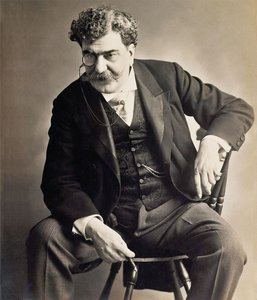
コルンバノ・ボルド・ピニェイロ
1857 - 1929 , ポルトガル
基本情報
- Artistic Movement Or Style: 写実主義、自然主義
- Artists Who Influenced This Artist:
- クールベ
- マネ
- ドガ
- Date Of Birth: 1857年11月21日
- Date Of Death: 1929年
- Full Name: コルンバノ・ボルド・ピニェイロ
- Nationality: ポルトガル
- Notable Artworks:
- アンテロ・デ・ケンタル肖像画
- クニャ・ヴァスコ肖像画
- フォンテーヌブローの農夫
- 困難な試練
- Place Of Birth: ポルトガル、ファロ
関連記事
Romantic Realism's Finest: 10 Masterpieces for Your Home | ArtsDot
Explore 10 defining masterpieces of Romantic Realism! Discover Courbet, Millet & Daumier's powerful paintings—capturing emotion and social realities. Find museum-quality reproductions for your home at ArtsDot.com.
Reflecting the Self: A History of Portraiture & Psychological Insight
Explore the fascinating history of self-portraiture from Renaissance masters like Dürer & Rembrandt to modern interpretations. Discover the psychological insights and artistic techniques behind these iconic works. Expert analysis for art enthusiasts.

Echoes of Society: Exploring Social Realism's Enduring Legacy in Art
Explore the powerful world of Social Realism art! Discover key artists, masterpieces & its profound social commentary. Expert insights into this influential movement's history and enduring legacy.

The Inner Landscape: Exploring Themes of Introspection in Visual Art Across Movements & Eras
Explore the captivating world of introspective art! Discover how artists across eras – from Rembrandt to Kahlo – used self-portraiture to reveal their inner worlds and emotional depths. A journey through art history & psychology.
The Echo of Self: Reflectivity as a Core Theme in Art History & Contemporary Practice
Explore the rich history of self-representation in art, from Renaissance masters to modern innovators. Discover how artists use portraiture to reveal identity, emotion & the depths of the human psyche. Expert insights for collectors.