

 シェアする
シェアする シェアする
シェアする
 詳細を見る
詳細を見る

 ダウンロード
 似ている作品
 スライドショー
 統計情報
統計情報Two Flower Bouquet on Latticinio Paperweight


 詳細を見る
詳細を見る
手描き油彩複製画
当社のアーティストが、お客様のご希望のサイズと額縁に合わせて、キャンバスに手描きで制作する油彩画です。 ( プリント版に切り替え デジタル画像販売へ切り替え)




































作品のオリジナル比率に合わせた、当店の規定サイズからお選びください。

特定のフレームやスペースに合わせて、ご希望のサイズをご入力いただけます。選択されたサイズが元の画像の比率と異なる場合、アートワークをトリミングするか、手描きで要素を追加して絵画を拡張いたします。デジタルモックアップ を制作し、制作開始前にご確認(承認)をいただきます。
画面上のプレビューは、実際のトリミングや拡張を正確に反映しているものではありません。最終的な構図は、モックアップによってのみ正確にご確認いただけます。
カスタムサイズもご利用いただけますが、元の比率を維持するためには、あらかじめ用意されたリストからサイズを選択することをお勧めいたします。
ご注文後、ArtsDot.com チームより詳細な指示をお送りするとともに、仕上がりイメージ(モックアップ)をご提供いたします。


 ガラスオプションは、110cm未満のサイズでのみご利用いただけます。

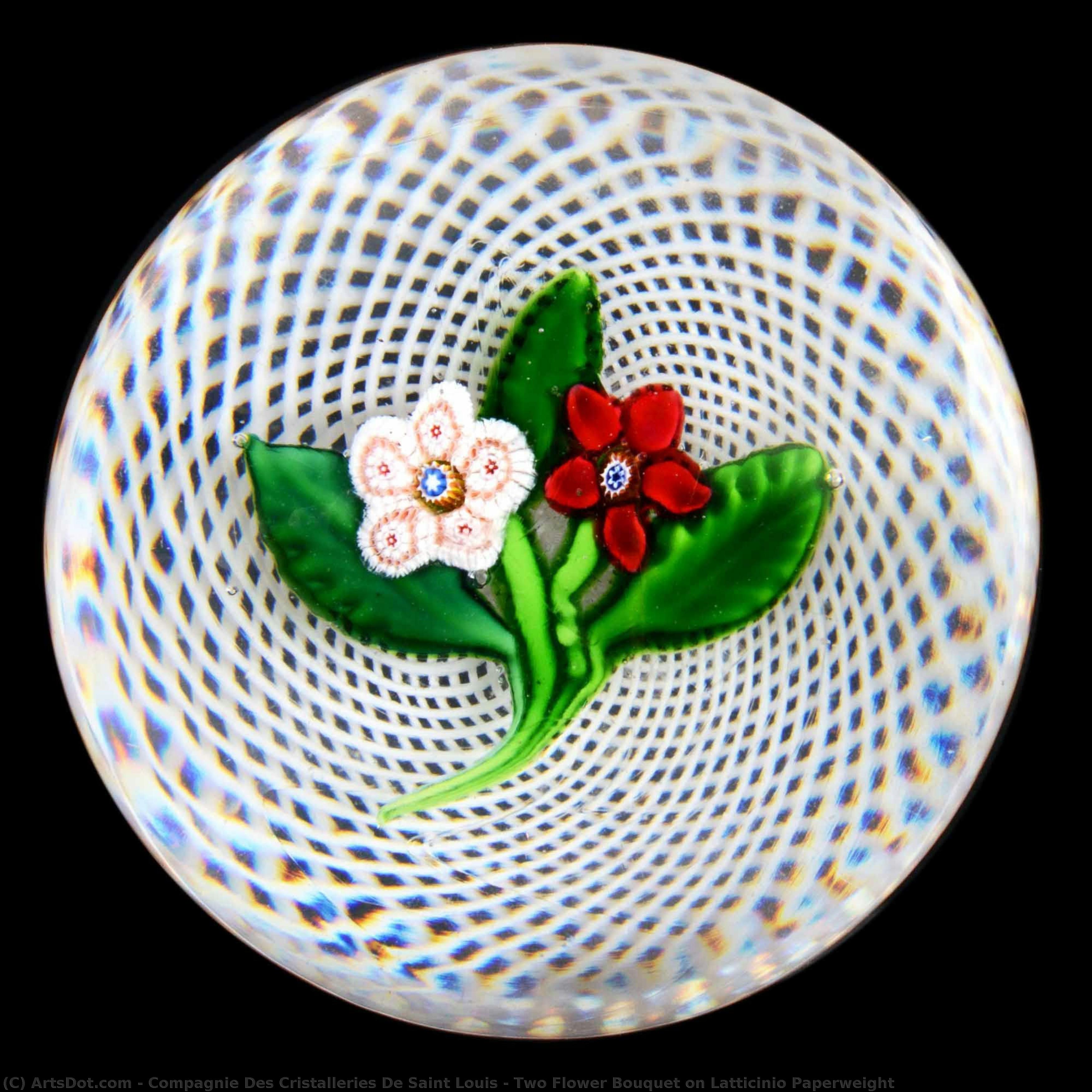
Two Flower Bouquet on Latticinio Paperweight
複製技法
複製画のサイズ
-


合計金額
$ 263
A Miniature Masterpiece of Light and Glass
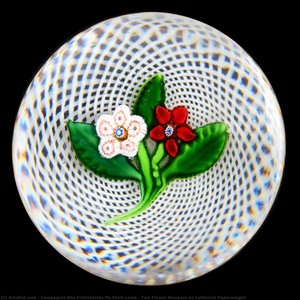
In the delicate realm of fine glasswork, few objects capture the ephemeral beauty of nature as profoundly as the Two Flower Bouquet on Latticinio Paperweight. This exquisite piece, crafted by the legendary Compagnie des Cristalliment de Saint-Louis, serves as a breathtaking window into a miniature botanical world. At first glance, the viewer is drawn into a deep, cerulean blue expanse that acts as an infinite sky, providing a striking stage for the floral protagonists. Two blossoms, characterized by their pristine white petals and vibrant red hearts, emerge from the depths of the glass with a startling sense of vitality. The surrounding verdant leaves are rendered with such precision that they seem to sway within their crystalline prison, creating a mesmerizing illusion of three-dimensional life that defies the physical boundaries of the 5 x 7 cm form.
The technical mastery required to achieve such depth is nothing short of miraculous. Utilizing the ancient and complex technique of latticinio, the artisans have woven fine threads of white glass into the structure, creating a delicate lace-like effect that enhances the paperweight's internal complexity. This method, perfected by the masters of Saint-Louis, involves the meticulous manipulation of molten silica and alkali metals at extreme temperatures. The result is a seamless fusion where the flowers do not merely sit upon the surface but appear to grow from within the very soul of the crystal. For the discerning collector or interior designer, this piece represents the pinnacle of cristallisation, where light is not just reflected but captured and refracted through layers of artistry.
A Legacy of French Elegance
To hold such a piece is to touch a lineage of French excellence dating back to 1586. The Compagnie des Cristalleries de Saint-Louis stands as the oldest crystal glass maker in France, a venerable institution that has transitioned from a humble workshop in Lorraine to a global symbol of luxury. This paperweight is more than a decorative object; it is a fragment of history. The craftsmanship reflects centuries of innovation and an unwavering commitment to the transformative power of glass. When placed in a curated space—perhaps atop a mahogany desk or nestled within a sunlit vitrine—the piece acts as a focal point of quiet sophistication, inviting onlookers to pause and contemplate the intricate dance of color and light.
Beyond its physical beauty, the artwork carries a profound emotional resonance. The contrast between the cool, tranquil blue background and the warm, passionate red centers of the flowers evokes a sense of balanced harmony. It speaks to the eternal cycle of growth and the preservation of fleeting moments. For those seeking to infuse their surroundings with a sense of timelessness and grace, this reproduction offers an unparalleled opportunity to own a piece of decorative history. It is an invitation to experience the enchantment of a permanent spring, captured forever in the heart of French crystal.
関連作品
アーティストの略歴
A Legacy of Light: The Eternal Brilliance of Saint-Louis
To hold a piece of crystal from the Compagnie des Cristalleries de Saint-Louis is to touch a lineage of French excellence that has endured for over four centuries. Founded in 1586 in the serene landscape of Münzthal, within the Lorraine region, this venerable institution stands as France’s oldest crystal glass maker. Its story is not merely one of industrial manufacturing, but a profound saga of artistic evolution and technical mastery. From its humble origins as a small workshop producing decorative glassware, Saint-Louis ascended to global prominence through an unwavering commitment to the art of cristallisation—the transformative, high-temperature alchemy of fusing silica sand with alkali metals to create glass of unparalleled clarity and brilliance.
The history of the factory is deeply woven into the cultural fabric of France. One of its most poignant chapters involves the connection to Philippe Pinel, the pioneering psychiatrist who revolutionized mental healthcare during the Napoleonic era. Believing that beauty and tranquility were essential components of healing, Pinel commissioned Saint-Louis artisans to craft exquisite chandeliers and decorative objects for his Salpètrière Hospital. This collaboration elevated the glassmaker’s reputation beyond mere luxury; it transformed their work into an emblem of Enlightenment ideals, where art served a compassionate, humanistic purpose.
Mastery of Form and the Art of Innovation
As the centuries progressed, Saint-Louis became a conduit for European artistic movements, constantly absorbing and refining new techniques. The factory’s ability to innovate allowed it to move beyond simple glassblowing into the realm of complex, multi-layered sculptural art. A hallmark of their achievement was the mastery of millefiori glass—a mesmerizing technique where molten glass rods are layered to create intricate, permanent floral patterns within a single piece. This method, while rooted in Italian tradition, was elevated by Saint-Louis artisans to new heights of precision and depth.
The technical repertoire of the masters at Saint-Louis is vast and breathtaking, characterized by several signature styles:
- Latticinio: The delicate weaving of fine white glass threads into a structure to create a lace-like, ethereal effect.
- Sulphide Portraiture: The use of opaque white enamel to create detailed, miniature portraits within the crystal, such as the celebrated depictions of Empress Josephine.
- Carpet Ground Techniques: The creation of dense, textured backgrounds that provide a dramatic stage for central motifs like coiled snakes or floral bouquets.
- Faceted Precision: The meticulous cutting and polishing of surfaces to manipulate light, turning a solid object into a prism of dancing reflections.
A Timeless Symbol of French Elegance
The historical significance of the Compagnie des Cristalleries de Saint-Louis lies in its ability to remain at the vanguard of luxury while preserving ancient traditions. As part of the prestigious Hermès International S.A., the factory continues to represent the pinnacle of French craftsmanship. Whether it is a heavy, diamond-faceted paperweight or a delicate, light-catching chandelier, each creation serves as a window into a miniature botanical or mythological world. The works of Saint-Louis do not merely reflect light; they capture and refract it, creating an illusion of three-dimensional life that defies the physical boundaries of glass. For collectors and historians alike, the factory remains a living museum of technical development, embodying four centuries of dedication to the pursuit of perfection.
compagnie des cristalleries de saint louis
1586 - , France
基本情報
- Artistic Movement Or Style: Latticinio Glass
- Artists Or Movements Influenced By This Artist: ['Art Nouveau']
- Artists Who Influenced This Artist: ['Jean Baptiste Rousseau']
- Full Name: compagnie des cristalleries de saint louis
- Nationality: French
- Notable Artworks:
- Blue Gentian Bouquet on Latticinio Paperweight
- Patterned Millefiori Paperweight on Carpet Ground
- Place Of Birth: Münzthal (Saint-Louis-lès-Bitche)
関連記事

Crimson Threads of Narrative: Exploring Symbolism & Representation in Artworks Featuring the Red Dress
Explore the rich symbolism of the red dress in art history! From ancient power displays to iconic portraits like Cézanne’s 'Madame Cezanne', discover the cultural and artistic significance behind this captivating color. Expert analysis & insights.
Slate Blue Masterpieces: 10 Iconic Paintings & Timeless Home Decor Ideas
Immerse yourself in the captivating world of slate blue! Explore 10 iconic paintings by Monet, Van Gogh & Renoir. Discover their stories, techniques & find museum-quality art reproductions for your home at .
マーク・ロスコ傑作25選:色彩が織りなす深遠な世界|ArtsDot
マーク・ロスコの傑作25選。抽象表現主義を代表する巨匠、色彩が織りなす深遠な世界を探求します。絵画の背景や技法、感動的なストーリーを紐解き、ArtsDotで高品質なアートプリントをお楽しみください。リビングやオフィスにモダンアートを飾るなら!
The Allure of Azure: Exploring the Symbolic & Aesthetic Depths of Blue in Art History
Explore the rich history of blue in art! Discover its symbolism, from ancient pigments to modern masterpieces by Kandinsky & Seurat. Uncover the psychological impact and cultural meanings behind this captivating hue.

White on Canvas: 10 Masterpieces & Timeless Elegance for Your Home Decor
Explore 10 iconic white paintings by Monet, Whistler & Rothko! Discover the stories behind these serene masterpieces and their impact on art history. Find museum-quality reproductions for your home decor at .