 プレビュー
プレビュー
 プリントを購入
 シェアする
シェアする シェアする
シェアする
 詳細を見る
詳細を見る

 ダウンロード
 似ている作品
 X線調査
X線調査 スライドショー
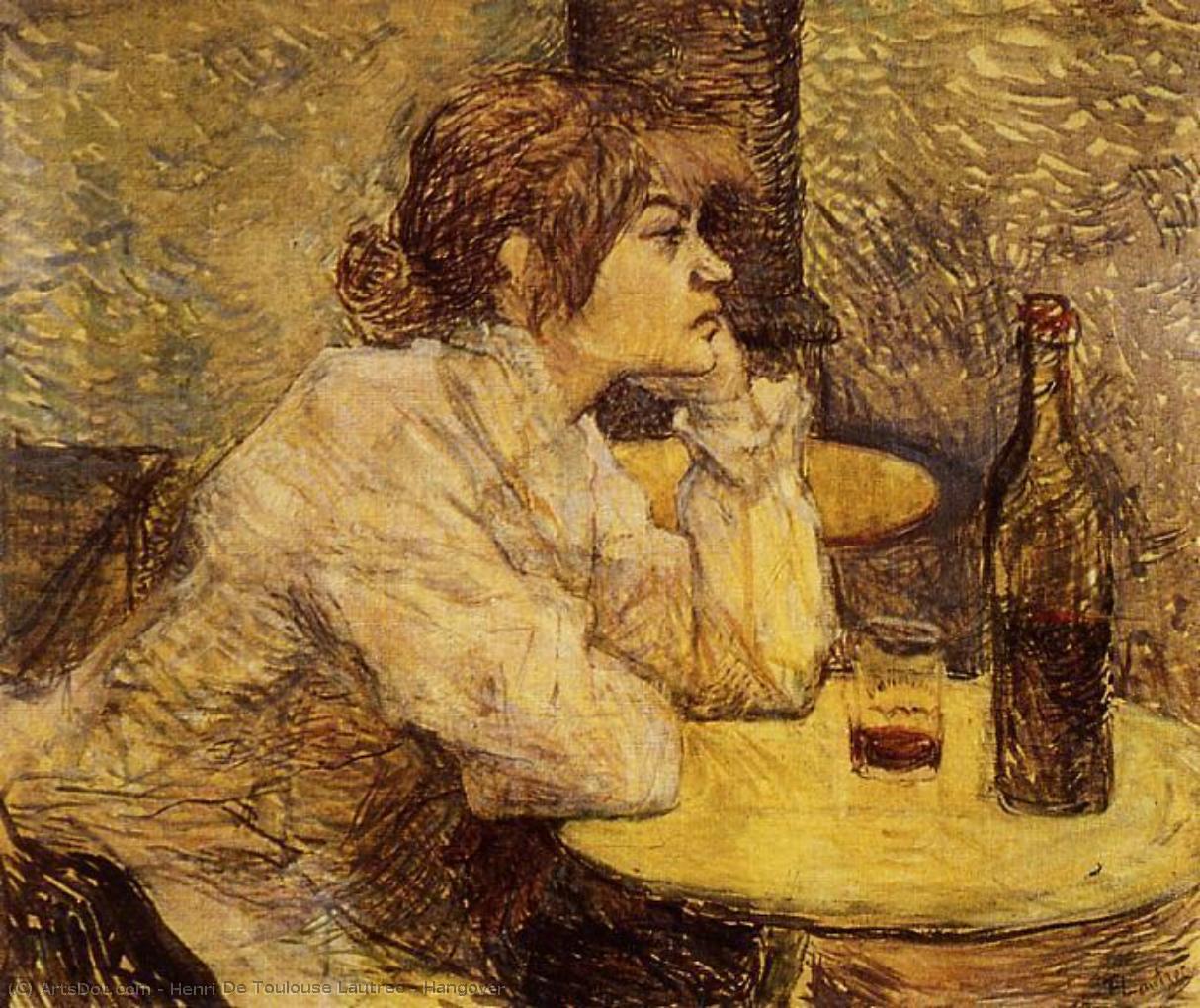
Hangover


 詳細を見る
詳細を見る




P118B $10

P118H $10

P118W $10

P438Z $10

P508JH $12

P508YH $12

P805H $10

P805Z $10

P919BZ $10

P919G $10

P919XJ $10

P959ZH $10

P968JZ $12

W106C $8

W218G $10

W218JH $8

W218Y $10

W307PJ $10

W316G $10

W316PJ $8

W316Y $10

W398PJ $8

W4111J $10

W500HY $15

W500JH $15

W692G $12

W849H $8

W940BG $15

W953PJ $8




作品のオリジナル比率に合わせた、当店の規定サイズからお選びください。

特定のフレームやスペースに合わせて、ご希望のサイズをご入力いただけます。選択されたサイズが元の画像の比率と異なる場合、アートワークをトリミングするか、手描きで要素を追加して絵画を拡張いたします。デジタルモックアップ を制作し、制作開始前にご確認(承認)をいただきます。
画面上のプレビューは、実際のトリミングや拡張を正確に反映しているものではありません。最終的な構図は、モックアップによってのみ正確にご確認いただけます。
カスタムサイズもご利用いただけますが、元の比率を維持するためには、あらかじめ用意されたリストからサイズを選択することをお勧めいたします。
ご注文後、ArtsDot.com チームより詳細な指示をお送りするとともに、仕上がりイメージ(モックアップ)をご提供いたします。


 ガラスオプションは、110cm未満のサイズでのみご利用いただけます。

Hangover
複製技法
複製画のサイズ
-


合計金額
$ 263
作品解説
A Night’s Embrace: Toulouse-Lautrec's "The Hangover"
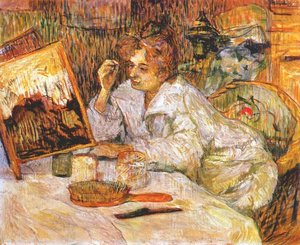
“The Hangover,” painted between 1887 and 1889 by Henri de Toulouse-Lautrec, isn’t merely a depiction of revelry; it’s a poignant snapshot of Parisian nightlife filtered through the artist’s uniquely observant and often melancholic gaze. This intimate portrait captures Suzanne Valadon, a young model who frequented Montmartre's studios, in a moment of quiet contemplation amidst the boisterous energy of the era. The painting immediately draws the viewer into a dimly lit interior, dominated by rich, saturated colors—deep reds, blues, and greens—that evoke the smoky atmosphere of a late-night café or salon. Toulouse-Lautrec masterfully employs a technique that blends realism with impressionistic brushstrokes, creating a sense of both immediacy and atmospheric depth.
Toulouse-Lautrec’s approach to capturing light is particularly striking. He utilizes broken color and loose brushwork to suggest the diffused glow of gaslight filtering through the window, casting long shadows across Valadon's face and clothing. The artist’s deliberate blurring of edges contributes to a dreamlike quality, as if the scene exists partially within memory or imagination. Notice how he renders her hair – a dark cascade falling around her shoulders – with a delicate touch, contrasting sharply with the bolder strokes used for the background details. This careful balance between precision and spontaneity is characteristic of his style.
The Model and Montmartre’s Bohemian Heart
Suzanne Valadon herself was an intriguing figure within Toulouse-Lautrec's circle. She began her career as a model, posing for numerous artists, including Renoir and Degas. Her unconventional beauty – often described as having a “wild” quality – captivated the artist, who frequently depicted her in his work. "The Hangover" is one of the most celebrated portraits of Valadon, offering a rare glimpse into her personality beyond the purely aesthetic. It’s believed that Toulouse-Lautrec saw in her a reflection of his own outsider status—a young woman navigating the complexities and contradictions of Parisian society.
Montmartre at this time was a crucible of artistic innovation and social upheaval. The area, once a quiet village on the outskirts of Paris, had become a magnet for artists, writers, musicians, and performers seeking refuge from bourgeois constraints. Toulouse-Lautrec fully embraced this bohemian spirit, immersing himself in its vibrant chaos and documenting it with unflinching honesty. "The Hangover" serves as a microcosm of this world—a scene of quiet intimacy set against the backdrop of a bustling urban landscape.
Symbolism and Emotional Resonance
Beyond its technical brilliance, “The Hangover” is rich in symbolic meaning. Valadon’s posture – seated slightly forward, her gaze lowered – suggests introspection and perhaps a hint of weariness. The muted lighting and the absence of overt activity create an atmosphere of quiet melancholy, hinting at the loneliness that can accompany even the most exhilarating social scenes. The painting isn't about depicting a party; it’s about capturing a fleeting moment of solitude within a world overflowing with noise.
Furthermore, the composition itself is carefully constructed to draw attention to Valadon’s face—her eyes, in particular, are rendered with remarkable sensitivity. They convey a depth of emotion that transcends the simple depiction of a model. The subtle play of light and shadow across her features invites us to contemplate her inner life, prompting questions about her dreams, her aspirations, and her place within this rapidly changing world. The painting’s enduring power lies in its ability to evoke a sense of shared human experience—the quiet moments of reflection that punctuate the frenetic pace of modern life.
A Legacy of Parisian Vision
Toulouse-Lautrec's "The Hangover" remains one of his most beloved and enduring works, exemplifying his unique ability to capture the essence of Parisian society. It’s a testament to his artistic skill, his keen observation, and his profound empathy for the marginalized figures who populated his world. Reproductions of this captivating portrait continue to resonate with art lovers today, offering a window into a bygone era and a poignant reminder of the enduring power of human connection.
関連作品

アーティストの略歴
モンマルトルの夜を切り取った画家:ヘンリ・ド・トゥールーズ=ロートレック
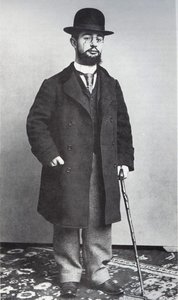
1864年、フランスのアルビで生まれたアンリ・マリー・レイモン・ド・トゥールーズ=ロートレック=モンファ。通称ヘンリ・ド・トゥールーズ=ロートレックは、華やかなパリの夜を鮮やかに切り取った画家として、19世紀美術史にその名を刻んでいます。貴族階級の生まれでありながら、幼少期の病がもたらした身体的なハンディキャップは、彼を社会の主流から外し、モンマルトルの歓楽と退廃の世界へと深く没入させました。それは、彼の芸術的才能を開花させる原動力となったのです。
ロートレックの初期の教育は伝統的なものでした。レオン・ボナやフェルナン・コルモンといった著名な画家のもとで技を磨きましたが、アカデミックな絵画の世界に留まることはありませんでした。彼は、モンマルトルのキャバレーや劇場、そしてそこで繰り広げられる人々の生活に魅せられ、独自の視点からそれらを捉えようと試みました。舞踏者、娼婦、道化師…社会の片隅で生きる人々を、偏見なく、むしろ愛情深く描き出しました。彼の作品には、日本の浮世絵の影響が色濃く見て取れます。大胆な構図、平面的な表現、そして鮮やかな色彩は、浮世絵から学んだものが具現化されたものであり、当時のヨーロッパ美術に新たな風を吹き込みました。
「ムラン・ルージュ」とポスター芸術の革新
ロートレックの名を一躍有名にしたのは、キャバレー「ムラン・ルージュ」との深い関わりです。彼は、このキャバレーの常連となり、そこで繰り広げられる華やかなショーや人々を数多く描き出しました。「ムラン・ルージュの舞踏者たち」などの作品は、その独特な雰囲気と鮮烈な色彩で、見る者を魅了します。しかし、ロートレックが真に革新的な業績を残したのは、ポスター芸術の分野でした。彼は、単なる広告媒体としてではなく、芸術作品としてのポスターを創造しました。イヴ・ギルベールやジャンヌ・アヴリルといった人気歌手のポスターは、その大胆な構図と洗練されたデザインで、瞬く間にパリの街を彩りました。これらのポスターは、現代のデザインにも大きな影響を与え続けています。
内面の葛藤と晩年の苦悩
華やかなモンマルトルの世界に身を置きながらも、ロートレックの内面には常に孤独と葛藤が渦巻いていました。身体的なハンディキャップに加え、アルコール依存症や梅毒といった病魔に苦しみ、その人生は悲劇的なものでした。しかし、それらの苦悩こそが、彼の作品に深みを与え、見る者の心を揺さぶる力となったのかもしれません。晩年、彼は故郷のアルビに戻り、静かに余生を過ごしました。
ロートレックの遺産:現代美術への影響
1901年、36歳の若さでこの世を去ったロートレックですが、彼の作品は時代を超えて多くの人々に愛され続けています。印象派から近代美術へと移行する過程において、彼は独自のスタイルを確立し、その後の芸術家たちに多大な影響を与えました。彼の描く人物の表情や姿勢、そしてモンマルトルの喧騒と退廃を描き出した作品群は、現代社会においても色褪せることなく、私たちに新たな視点を与えてくれます。ロートレックの遺産は、単なる絵画作品にとどまらず、芸術に対する革新的な姿勢、そして人間の内面を深く洞察する力として、今もなお輝き続けているのです。
さらなる探求のために
- ロートレックの作品を詳細に鑑賞するには、以下のサイトをご覧ください:/en/artists/comte-henri-marie-raymond-de-toulouse-lautrec-monfa
- 印象派美術とその影響についてさらに学ぶには、こちらのページをご参照ください:/en/art-movements/post-impressionism
- 彼の生涯と芸術的功績に関する詳細な情報は、ウィキペディアでも確認できます: https://en.wikipedia.org/wiki/Henri_de_Toulouse-Lautrec
トゥールーズ=ロートレック
1864 - 1901 , フランス
基本情報
- フルネーム: トゥールーズ=ロー トレック伯アンリ・マリー・レイモン
- 主な作品:
- 女洗濯業者
- 舞台袖の道化師
- 眠れる女性
- 出生地: アルビ (フランス)
- 国籍: フランス人
- 影響を与えたアーティスト:
- エドヴァルド・ムンク
- アメデオ・モディリアーニ
- 影響を受けたアーティスト:
- レオン・ボナ
- フェルナン・コルモン
- 死亡年月日: 1901年9月9日
- 生年月日: 1864年11月24日
- 芸術運動: 後期印象派
関連記事
The Gilded Age Reimagined: Exploring the Aesthetic Principles & Enduring Legacy of Art Deco
Explore the captivating world of Art Deco! Discover its origins, defining features, cultural impact & enduring legacy. Expert insights for collectors and design enthusiasts. Shop handmade reproductions at ArtsDot.
The Gleaming Geometry of Desire: Exploring Art Deco's Enduring Influence on Visual Culture
Explore the captivating world of Art Deco! Discover its history, key characteristics, enduring influence on design & collecting with expert insights from ArtsDot.com.
The Gilded Age Revisited: Art Deco's Modernity & Luxury
Explore the captivating world of Art Deco paintings & the Gilded Age's enduring legacy. Discover iconic artists like Tamara de Lempicka & invest in museum-quality reproductions with ArtsDot.
The Roaring Twenties Revisited: Art Deco & Modernist Expressions for the Discerning Collector
Explore the glamour of Art Deco & the innovation of Modernism! Discover key artists, investment potential, and expert guidance for collecting 1920s art. Enhance your space with timeless masterpieces.
Tamara de Lempicka: Art Deco Iconoclasm & the Construction of Modern Femininity
Explore the captivating world of Tamara de Lempicka, Art Deco icon. Discover her life, groundbreaking paintings, and lasting influence on modern art. Expert insights for collectors.