 プレビュー
プレビュー
 シェアする
シェアする シェアする
シェアする
 詳細を見る
詳細を見る

 ダウンロード
 似ている作品
 X線調査
X線調査 スライドショー
 統計情報
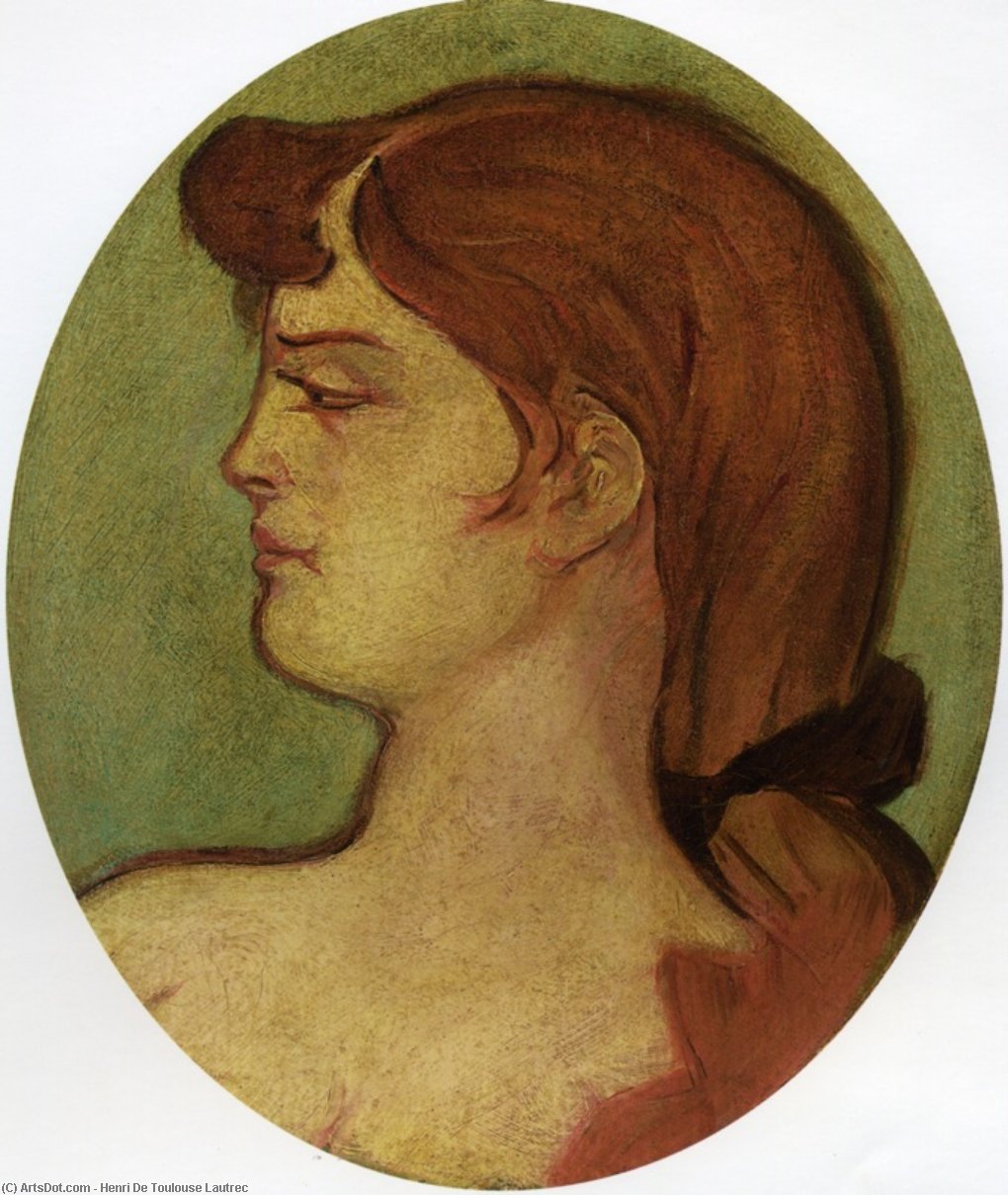
統計情報Portrait of a Woman of the House on the Rue d'Amboise


 詳細を見る
詳細を見る
手描き油彩複製画
当社のアーティストが、お客様のご希望のサイズと額縁に合わせて、キャンバスに手描きで制作する油彩画です。 ( プリント版に切り替え デジタル画像販売へ切り替え)




P118B $10

P118H $10

P118W $10

P438Z $10

P508JH $12

P508YH $12

P805H $10

P805Z $10

P919BZ $10

P919G $10

P919XJ $10

P959ZH $10

P968JZ $12

W106C $8

W218G $10

W218JH $8

W218Y $10

W307PJ $10

W316G $10

W316PJ $8

W316Y $10

W398PJ $8

W4111J $10

W500HY $15

W500JH $15

W692G $12

W849H $8

W940BG $15

W953PJ $8




作品のオリジナル比率に合わせた、当店の規定サイズからお選びください。

特定のフレームやスペースに合わせて、ご希望のサイズをご入力いただけます。選択されたサイズが元の画像の比率と異なる場合、アートワークをトリミングするか、手描きで要素を追加して絵画を拡張いたします。デジタルモックアップ を制作し、制作開始前にご確認(承認)をいただきます。
画面上のプレビューは、実際のトリミングや拡張を正確に反映しているものではありません。最終的な構図は、モックアップによってのみ正確にご確認いただけます。
カスタムサイズもご利用いただけますが、元の比率を維持するためには、あらかじめ用意されたリストからサイズを選択することをお勧めいたします。
ご注文後、ArtsDot.com チームより詳細な指示をお送りするとともに、仕上がりイメージ(モックアップ)をご提供いたします。


 ガラスオプションは、110cm未満のサイズでのみご利用いただけます。

Portrait of a Woman of the House on the Rue d'Amboise
複製技法
複製画のサイズ
-


合計金額
$ 263
Portrait of a Woman of the House on the Rue d'Amboise: A Parisian Reverie
Henri de Toulouse-Lautrec’s “Portrait of a Woman of the House on the Rue d’Amboise” is more than just a depiction of a woman; it’s a meticulously crafted snapshot of late 19th-century Parisian life, imbued with the artist's unique vision and deeply rooted in the vibrant atmosphere of Montmartre. Painted during a period of intense artistic experimentation and social change, this work exemplifies Lautrec’s masterful ability to capture not just physical likeness but also the very essence – the mood, the character, and the spirit – of his subjects.
The painting immediately draws the eye with its striking composition. The woman, identified as a resident of the Rue d'Amboise (a street famously associated with Lautrec’s frequent visits to the Moulin Rouge and brothels), is presented in a direct gaze, engaging the viewer with an almost unsettling intensity. Her red hair, styled in a deliberate ponytail, adds a touch of rebellious glamour against the backdrop of the muted green dress. The artist's use of color is particularly noteworthy – the dominant greens are not merely decorative; they subtly evoke the dampness and shadows characteristic of Parisian streets at night, contributing to the painting’s overall sense of realism and atmosphere.
Art Nouveau Elegance and Bohemian Soul
Lautrec’s style here firmly aligns with the tenets of Art Nouveau. Characterized by flowing lines, organic forms, and a celebration of natural beauty, Art Nouveau sought to move beyond the rigid academic traditions of the time. Notice the delicate curves in the woman's dress, the graceful rendering of her hair, and the overall sense of fluidity that permeates the composition. This is not a formal portrait; it’s an intimate observation rendered with a distinctly bohemian sensibility.
The background, deliberately blurred and indistinct, serves to further emphasize the subject – the woman herself. It's a technique frequently employed by Lautrec to draw attention to his primary focus and to create a sense of depth within the frame. The subtle use of light and shadow adds to the painting’s dramatic effect, highlighting the contours of her face and creating a captivating interplay between form and space.
A Window into Parisian Society
Created in 1882, this portrait reflects Lautrec's fascination with the marginalized figures of Parisian society – prostitutes, dancers, musicians, and other inhabitants of the city’s underbelly. His work offers a rare glimpse into a world often ignored or dismissed by mainstream art. The woman depicted here represents a segment of the population that was both fascinating and controversial at the time.
The painting's historical context is crucial to its understanding. Lautrec was documenting a rapidly changing Paris, one grappling with industrialization, urbanization, and social upheaval. His work captures this dynamism, offering a poignant commentary on the lives of ordinary people navigating the complexities of modern urban life. Interestingly, research reveals that Lautrec frequently visited a brothel located in Rue d'Amboise, where he had a favourite client, further solidifying the painting’s connection to his personal experiences and artistic obsessions.
Symbolism and Emotional Resonance
Beyond its technical brilliance, “Portrait of a Woman of the House on the Rue d’Amboise” possesses a profound emotional resonance. The woman's direct gaze invites contemplation, prompting us to consider her story, her struggles, and her place in the bustling metropolis. Lautrec’s ability to convey such depth of feeling through a relatively simple composition is a testament to his artistic skill and sensitivity.
This reproduction offers an unparalleled opportunity to own a piece of art history – a window into the captivating world of Henri de Toulouse-Lautrec and the vibrant spirit of late 19th-century Paris. Its enduring appeal lies not only in its aesthetic beauty but also in its ability to evoke a sense of nostalgia, intrigue, and profound human connection.
関連作品
アーティストの略歴
モンマルトルの夜を切り取った画家:ヘンリ・ド・トゥールーズ=ロートレック
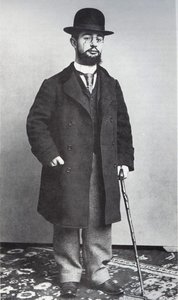
1864年、フランスのアルビで生まれたアンリ・マリー・レイモン・ド・トゥールーズ=ロートレック=モンファ。通称ヘンリ・ド・トゥールーズ=ロートレックは、華やかなパリの夜を鮮やかに切り取った画家として、19世紀美術史にその名を刻んでいます。貴族階級の生まれでありながら、幼少期の病がもたらした身体的なハンディキャップは、彼を社会の主流から外し、モンマルトルの歓楽と退廃の世界へと深く没入させました。それは、彼の芸術的才能を開花させる原動力となったのです。
ロートレックの初期の教育は伝統的なものでした。レオン・ボナやフェルナン・コルモンといった著名な画家のもとで技を磨きましたが、アカデミックな絵画の世界に留まることはありませんでした。彼は、モンマルトルのキャバレーや劇場、そしてそこで繰り広げられる人々の生活に魅せられ、独自の視点からそれらを捉えようと試みました。舞踏者、娼婦、道化師…社会の片隅で生きる人々を、偏見なく、むしろ愛情深く描き出しました。彼の作品には、日本の浮世絵の影響が色濃く見て取れます。大胆な構図、平面的な表現、そして鮮やかな色彩は、浮世絵から学んだものが具現化されたものであり、当時のヨーロッパ美術に新たな風を吹き込みました。
「ムラン・ルージュ」とポスター芸術の革新
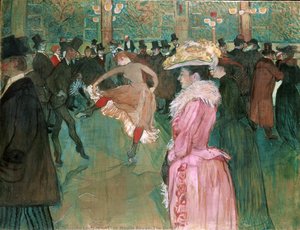
ロートレックの名を一躍有名にしたのは、キャバレー「ムラン・ルージュ」との深い関わりです。彼は、このキャバレーの常連となり、そこで繰り広げられる華やかなショーや人々を数多く描き出しました。「ムラン・ルージュの舞踏者たち」などの作品は、その独特な雰囲気と鮮烈な色彩で、見る者を魅了します。しかし、ロートレックが真に革新的な業績を残したのは、ポスター芸術の分野でした。彼は、単なる広告媒体としてではなく、芸術作品としてのポスターを創造しました。イヴ・ギルベールやジャンヌ・アヴリルといった人気歌手のポスターは、その大胆な構図と洗練されたデザインで、瞬く間にパリの街を彩りました。これらのポスターは、現代のデザインにも大きな影響を与え続けています。
内面の葛藤と晩年の苦悩
華やかなモンマルトルの世界に身を置きながらも、ロートレックの内面には常に孤独と葛藤が渦巻いていました。身体的なハンディキャップに加え、アルコール依存症や梅毒といった病魔に苦しみ、その人生は悲劇的なものでした。しかし、それらの苦悩こそが、彼の作品に深みを与え、見る者の心を揺さぶる力となったのかもしれません。晩年、彼は故郷のアルビに戻り、静かに余生を過ごしました。
ロートレックの遺産:現代美術への影響
1901年、36歳の若さでこの世を去ったロートレックですが、彼の作品は時代を超えて多くの人々に愛され続けています。印象派から近代美術へと移行する過程において、彼は独自のスタイルを確立し、その後の芸術家たちに多大な影響を与えました。彼の描く人物の表情や姿勢、そしてモンマルトルの喧騒と退廃を描き出した作品群は、現代社会においても色褪せることなく、私たちに新たな視点を与えてくれます。ロートレックの遺産は、単なる絵画作品にとどまらず、芸術に対する革新的な姿勢、そして人間の内面を深く洞察する力として、今もなお輝き続けているのです。
さらなる探求のために
- ロートレックの作品を詳細に鑑賞するには、以下のサイトをご覧ください:/en/artists/comte-henri-marie-raymond-de-toulouse-lautrec-monfa
- 印象派美術とその影響についてさらに学ぶには、こちらのページをご参照ください:/en/art-movements/post-impressionism
- 彼の生涯と芸術的功績に関する詳細な情報は、ウィキペディアでも確認できます: https://en.wikipedia.org/wiki/Henri_de_Toulouse-Lautrec
トゥールーズ=ロートレック
1864 - 1901 , フランス
基本情報
- フルネーム: トゥールーズ=ロー トレック伯アンリ・マリー・レイモン
- 主な作品:
- 女洗濯業者
- 舞台袖の道化師
- 眠れる女性
- 出生地: アルビ (フランス)
- 国籍: フランス人
- 影響を与えたアーティスト:
- エドヴァルド・ムンク
- アメデオ・モディリアーニ
- 影響を受けたアーティスト:
- レオン・ボナ
- フェルナン・コルモン
- 死亡年月日: 1901年9月9日
- 生年月日: 1864年11月24日
- 芸術運動: 後期印象派
関連記事

Crimson Threads of Narrative: Exploring Symbolism & Representation in Artworks Featuring the Red Dress
Explore the rich symbolism of the red dress in art history! From ancient power displays to iconic portraits like Cézanne’s 'Madame Cezanne', discover the cultural and artistic significance behind this captivating color. Expert analysis & insights.
Chrome Green Masterpieces: 10 Famous Paintings & Their Alluring Hues |
Explore 10 famous paintings where 'Chrome Green' reigns supreme! Discover Monet, Manet & Van Gogh’s masterpieces. Learn the stories behind these iconic artworks and find museum-quality art reproductions for your home at .

Emerald Visions: Top 10 Paintings Dominated by Cadmium Green |
Explore 10 iconic paintings where cadmium green reigns supreme! From Monet to Van Gogh, discover the stories behind these masterpieces & the power of color. Find museum-quality art reproductions and elevate your home decor on .
Sage Green Masterpieces: 10 Famous Paintings & Timeless Decor Inspiration
Explore 10 famous paintings dominated by serene sage green tones! Discover Monet, Renoir & Manet masterpieces. Learn art history & find museum-quality reproductions for your home decor on .
Verdant Visions: Exploring the Symbolism & Aesthetic Impact of Green in Art History
Explore the rich history & symbolism of green in art! Discover iconic paintings, techniques, and how to bring verdant harmony into your home with ArtsDot's expert guide.