

 プレビュー
プレビュー
 シェアする
シェアする シェアする
シェアする
 詳細を見る
詳細を見る

 ダウンロード
 似ている作品
 X線調査
X線調査 スライドショー
 統計情報
統計情報Philibert of Savoy


 詳細を見る
詳細を見る
オンラインプレビューをはるかに凌ぐ、高解像度で鮮明なデジタル画像をご購入いただけます。
各ファイルは、社内の専門家が高度なツールと熟練した手作業によるレタッチを用いて、細心の注意を払って準備されています。すべての画像において、卓越した鮮明度、正確な色彩再現性、そして繊細なディテールを保証いたします。
最終ファイルは、プロフェッショナルな編集・印刷環境ですぐにご利用いただけるよう最適化された状態で、72時間以内にメールにてお届けいたします。これは、一流のデザインスタジオ、出版社、ギャラリーから信頼されているものと同等の品質です。
デジタルアート
個人での鑑賞、印刷、クリエイティブなプロジェクト用に、高解像度ファイルをダウンロードできます。 ( プリント版に切り替え 手描きの絵画を購入)
デジタル画像のご注文に付随する特典
高品質なデジタル画像配信を、確かな品質で。
ArtsDot.com を選ぶことは、単に画像を手に入れることではありません。それは、プロの手によって精密に仕上げられ、満足保証が付いた高品質なデジタルアートワークを受け取ることを意味します。ご注文いただいた際に自動的に付随する内容は、以下の通りです:

メールですぐにお届け
ご注文から72時間以内に、高解像度のデジタル画像ファイルがメールでお手元に届きます。すぐにそのままご利用いただけます。

AI技術で最適化されたデジタルファイル
お客様の作品は、高度なAIツールと専門家による手作業の編集を組み合わせてプロフェッショナルに最適化されており、細部のディテール、鮮明さ、そして正確な色再現性を最大限に引き出しています。

一生涯無料の再送サービス
ファイルを誤って削除したり、紛失してしまったりしましたか?ご安心ください。いつでも無料で再送いたします。

輸入手数料は一切かかりません
関税や手数料、配送料を気にすることなく、お気に入りのアートワークをすぐにお楽しみいただけます。デジタルダウンロードは常に免税です。

色彩再現の保証
プロ仕様のツールとカラーマネジメント技術を用いることで、デジタル画像が元の色を最大限に忠実に再現することを保証いたします。

100日間満足保証
ご購入いただいたデジタル画像にご満足いただけない場合は、100日以内であれば、理由を問わず修正または100%の返金対応をさせていただきます。

100% 返金保証
ご満足いただけない場合は、デジタルファイルを受け取ってから100日以内であれば、理由を問わず全額返金いたします。

まとめ買い割引
3枚購入で10%OFF - 5枚購入で15%OFF - 10枚以上購入で20%OFF。クリエイティブなプロジェクト、ギャラリー、エージェンシーに最適です。
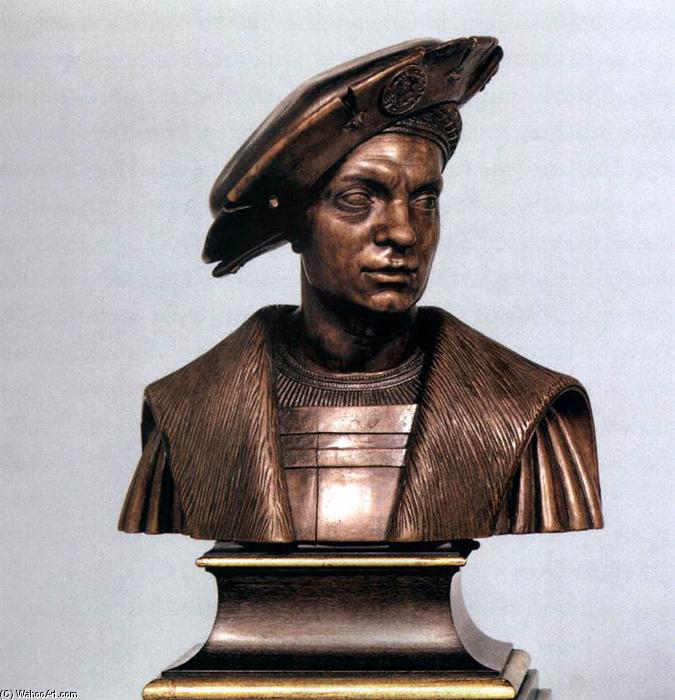
The Silent Majesty of Philibert of Savoy
Conrad Meit’s bronze bust of Philibert of Savoy, crafted in 1515, transcends mere portraiture; it embodies the calculated power and restrained dignity of a Renaissance noble. More than just a likeness, this sculpture offers a glimpse into the political landscape of early sixteenth-century Italy – a world of intricate alliances, dynastic ambitions, and the subtle art of projecting authority. The piece resides within the British Museum’s collection, a testament to its enduring quality and historical significance.
Meit's masterful handling of bronze immediately establishes a sense of gravitas. The dark patina, achieved through careful oxidation over centuries, speaks of age and experience, lending an air of solemnity to the figure. The artist’s attention to detail is remarkable; every line of the face – the furrowed brow, the subtly pursed lips, the piercing gaze – conveys a profound seriousness. Note particularly the meticulously rendered texture of the hair, suggesting both wealth and a certain aloofness. The high-collared garment, adorned with what appears to be lace, speaks to his status and adherence to courtly fashion, while the feathered hat adds an element of regal bearing, subtly hinting at military prowess – Philibert was, after all, a skilled soldier and diplomat.
A Portrait of Power and Legacy
The bust’s historical context is crucial to understanding its impact. Philibert of Savoy (1473-1504) was a pivotal figure in the complex web of Italian politics. As Duke of Savoy, he skillfully navigated rivalries between France, Spain, and the Holy Roman Empire, forging strategic alliances and expanding his territories through shrewd diplomacy and military campaigns. The sculpture wasn’t simply a commemoration; it served as a visual assertion of his authority – a tangible representation of his power intended to be displayed in palaces and public spaces throughout his domains.
Interestingly, the bust was created shortly after Philibert's untimely death at the young age of 31. This timing imbues the piece with an added layer of melancholy. It’s not merely a portrait of a living man but also a memorial to a life cut short, a poignant reminder of the fragility of power and the fleeting nature of earthly glory. The choice of bronze itself – a durable and enduring material – further reinforces this sense of permanence and legacy.
The Language of Renaissance Sculpture
Meit’s work exemplifies the key characteristics of late Gothic and early Renaissance sculpture. While retaining some elements of the stylized elegance of the late Middle Ages, he incorporates the humanist ideals that were gaining prominence during the Renaissance – a renewed interest in classical antiquity, an emphasis on human anatomy, and a desire to capture psychological depth. The pose itself is deliberately formal and static, reflecting the conventions of portrait sculpture at the time. The contrapposto stance—a subtle shift in weight that creates a sense of balance and dynamism—is expertly executed, lending the figure a naturalism rarely seen in earlier sculptural traditions.
Furthermore, Meit’s use of materials – specifically boxwood – was common for portrait busts during this period. The material's ability to capture fine detail and its relative affordability made it an ideal choice for commissioning such works. The pedestal, a simple yet elegant design, serves to elevate the figure and further emphasize its importance.
A Timeless Reflection
Beyond its historical significance, Philibert of Savoy’s bust possesses a remarkable emotional resonance. The stoic expression on his face invites contemplation – prompting us to consider the burdens of leadership, the complexities of human ambition, and the enduring power of memory. It's a work that speaks not only to the past but also to the present, offering a timeless reflection on the nature of power, legacy, and the human condition. Reproductions of this piece offer an opportunity to bring this silent majesty into any setting, adding a touch of historical gravitas and artistic sophistication.
関連作品





作家の略歴
Sandro Botticelli: The Poet of Florence
Alessandro di Mariano Filipepi, better known as Sandro Botticelli, remains one of the most beloved and instantly recognizable figures in the history of Western art. Born in Florence in 1445, he emerged from a family deeply rooted in the Florentine artisan world – his father was a tanner, a craft intimately connected to the city’s identity. While initially apprenticed to a goldsmith, Botticelli's true passion lay in painting, a path guided by the influential master Filippo Lippi, whose dynamic style and mastery of technique profoundly shaped the young artist’s development. This early exposure to Lippi’s approach—characterized by a vibrant palette, expressive figures, and a keen awareness of linear perspective—laid the foundation for Botticelli's distinctive artistic voice. Botticelli’s formative years were marked by a deliberate study of classical antiquity, a trend increasingly prevalent in Renaissance Florence. He meticulously examined sculptures from the Roman era, absorbing their idealized forms and graceful compositions. This fascination with the past would become a defining characteristic of his work, informing his choice of subjects and influencing his artistic style. His early works demonstrate a clear debt to the Gothic tradition, yet they quickly evolved into something uniquely his own—a synthesis of classical ideals and Renaissance innovation. The name Botticelli itself is derived from “Botticello,” a diminutive form of Giovanni Botticeli, his elder brother who operated as a pawnbroker.The Birth of Venus and Primavera: Defining the Florentine Renaissance
Botticelli’s artistic reputation soared with the creation of two monumental works that have become synonymous with the spirit of the Florentine Renaissance: *The Birth of Venus* (1486) and *Primavera* (c. 1477-1482). *The Birth of Venus*, depicting the goddess Venus emerging from a giant scallop shell, captivated audiences with its ethereal beauty and allegorical complexity. The painting’s delicate colors, flowing drapery, and graceful figures embody the Renaissance fascination with classical mythology and humanism. Similarly, *Primavera* is a complex tapestry of mythological figures—Venus, Flora, Zephyrus, Mercury, and Cupid—arranged within a lush, idealized landscape. The painting's intricate details, vibrant hues, and symbolic references to Neoplatonic philosophy reflect Botticelli’s engagement with contemporary intellectual currents. These works weren’t merely decorative; they were carefully constructed narratives designed to evoke profound emotions and convey complex ideas.A Painter of Patrons and Portraits
Botticelli's career was inextricably linked to the patronage system that flourished in Renaissance Florence. He served several prominent families, including the Medici, the de’ Medici, and the Pitti, providing them with a continuous stream of commissions for religious paintings, allegorical scenes, and portraits. His portraiture, particularly his depictions of members of the Medici family, is notable for its psychological depth and subtle elegance. He captured not just physical likenesses but also conveyed a sense of character and personality—a remarkable achievement for the time. Botticelli’s ability to adapt his style to suit the tastes of his patrons demonstrates his versatility as an artist and his understanding of the social dynamics of Renaissance Florence.Later Years and Legacy
As Botticelli aged, his artistic style underwent a subtle transformation. His later works, such as *Adoration of the Magi* (1482), exhibit a greater emphasis on linear clarity and a more restrained palette compared to his earlier, more exuberant paintings. Some scholars believe that this shift reflects a growing disillusionment with the political turmoil and religious conflicts that plagued Florence during his later years. Despite these changes, Botticelli’s artistic legacy remains undiminished. His paintings continue to inspire awe and admiration for their beauty, grace, and profound symbolic meaning. He is remembered not only as one of the greatest painters of the Florentine Renaissance but also as a poet—a master of visual storytelling who captured the spirit of his age with unparalleled skill and sensitivity. Botticelli died in Florence in 1510 at the age of 65, leaving behind a body of work that continues to resonate with audiences centuries later. His influence on subsequent generations of artists is undeniable, cementing his place as a pivotal figure in the history of Western art.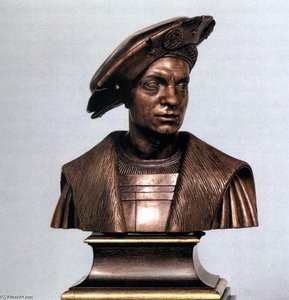
conrad meit
1485 - 1551 , Germany
プロフィール概要
- Artistic Movement Or Style: Early Renaissance, Renaissance
- Artists Or Movements Influenced By This Artist: ['Giorgio Vasari']
- Artists Who Influenced This Artist: ['Filippo Lippi']
- Date Of Birth: 1445, Florence Italy
- Date Of Death: May 17, 1510, Florence (aged 65)
- Full Name: Alessandro di Mariano Filipepi
- Nationality: Italian
- Notable Artworks:
- Birth of Venus
- Primavera
- Place Of Birth: Florence Italy