

 プレビュー
プレビュー
 プリントを購入
 シェアする
シェアする シェアする
シェアする
 詳細を見る
詳細を見る

 ダウンロード
 似ている作品
 X線調査
X線調査 スライドショー
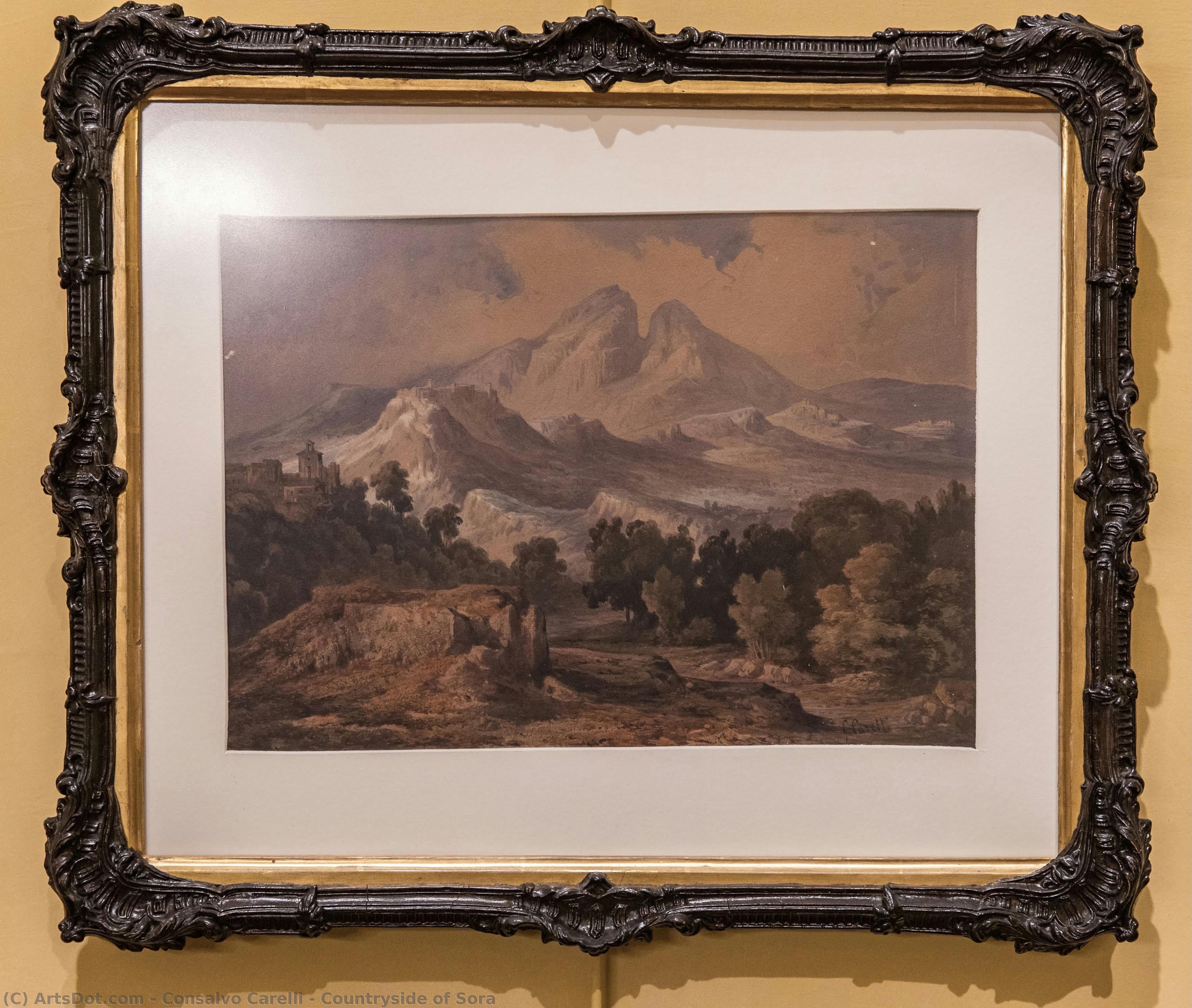
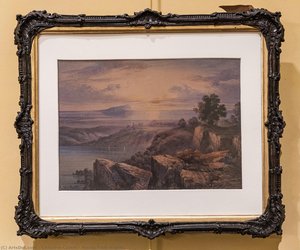
Countryside of Sora


 詳細を見る
詳細を見る
オンラインプレビューをはるかに凌ぐ、高解像度で鮮明なデジタル画像をご購入いただけます。
各ファイルは、社内の専門家が高度なツールと熟練した手作業によるレタッチを用いて、細心の注意を払って準備されています。すべての画像において、卓越した鮮明度、正確な色彩再現性、そして繊細なディテールを保証いたします。
最終ファイルは、プロフェッショナルな編集・印刷環境ですぐにご利用いただけるよう最適化された状態で、72時間以内にメールにてお届けいたします。これは、一流のデザインスタジオ、出版社、ギャラリーから信頼されているものと同等の品質です。
デジタル画像のご注文に付随する特典
高品質なデジタル画像配信を、確かな品質で。
ArtsDot.com を選ぶことは、単に画像を手に入れることではありません。それは、プロの手によって精密に仕上げられ、満足保証が付いた高品質なデジタルアートワークを受け取ることを意味します。ご注文いただいた際に自動的に付随する内容は、以下の通りです:

メールですぐにお届け
ご注文から72時間以内に、高解像度のデジタル画像ファイルがメールでお手元に届きます。すぐにそのままご利用いただけます。

AI技術で最適化されたデジタルファイル
お客様の作品は、高度なAIツールと専門家による手作業の編集を組み合わせてプロフェッショナルに最適化されており、細部のディテール、鮮明さ、そして正確な色再現性を最大限に引き出しています。

一生涯無料の再送サービス
ファイルを誤って削除したり、紛失してしまったりしましたか?ご安心ください。いつでも無料で再送いたします。

輸入手数料は一切かかりません
関税や手数料、配送料を気にすることなく、お気に入りのアートワークをすぐにお楽しみいただけます。デジタルダウンロードは常に免税です。

色彩再現の保証
プロ仕様のツールとカラーマネジメント技術を用いることで、デジタル画像が元の色を最大限に忠実に再現することを保証いたします。

60日間満足保証
ご購入いただいたデジタル画像にご満足いただけない場合は、60日以内であれば、修正または100%の返金(理由を問う必要はありません)をさせていただきます。

100% 返金保証
ご満足いただけない場合は、デジタルファイルを受け取ってから60日以内であれば、理由を問わず全額返金いたします。

まとめ買い割引
3枚購入で10%OFF - 5枚購入で15%OFF - 10枚以上購入で20%OFF。クリエイティブなプロジェクト、ギャラリー、エージェンシーに最適です。
A Window into the Serene Italian Landscape
In the delicate, translucent layers of Consalvo Carelli’s 1864 watercolor, "Countryside of Sora," we are invited to step into a world where time seems to slow to the rhythm of nature. This exquisite piece captures a breathtaking vista of the Italian countryside, characterized by the soft, undulating silhouettes of mountains that frame the horizon. The composition is anchored by a charming bridge near the center, acting as a metaphorical gateway between the viewer and the untamed beauty of the landscape. Scattered throughout this verdant setting, tiny figures move with a quiet purpose, their presence adding a sense of scale and life to the vastness of the scenery. It is a painting that does not merely depict a location, but rather evokes the very breath of the earth.
The technique employed by Carelli is a masterclass in the School of Posillipo tradition, where the primary objective was to capture the fleeting, ephemeral effects of light and atmosphere. Using watercolor, an incredibly demanding medium that requires both precision and spontaneity, Carelli achieves a luminous quality that makes the mountains appear to glow with a soft, morning mist. The way the pigment bleeds into the paper creates a sense of depth and humidity, allowing the viewer to feel the cool air of the mountainside. His brushwork is fluid yet controlled, blending the rugged textures of the rocky peaks with the soft, feathery edges of the surrounding foliage, creating a harmonious balance between strength and delicacy.
The Legacy of Neapolitan Light
To understand "Countryside of Sora," one must look to the historical heartbeat of Naples and the artistic lineage of the artist himself. Born into a family deeply embedded in the School of Posillipo, Consalvo Carelli inherited a profound sensitivity to the Southern Italian landscape. This movement was defined by a departure from rigid academicism in favor of a more romantic, observational approach to nature. In this work, we see the culmination of that heritage—a pursuit of truth through light. The painting serves as a historical document of a bygone era, capturing the quiet dignity of the Italian countryside before the rapid industrialization of the late 19th century.
For the discerning collector or interior designer, this reproduction offers more than just aesthetic beauty; it provides an emotional anchor for any space. The tranquil blue and green tones of the watercolor possess a restorative quality, making it an ideal centerpiece for a study, a library, or a sophisticated living area. It brings with it a sense of nostalgia and peace, inviting contemplation and a connection to the natural world. Owning a piece that embodies such masterful Neapolitan realism allows one to host a permanent fragment of Italian history within their home, offering a timeless elegance that transcends modern trends.
関連作品

作家の略歴
Consalvo Carelli: A Neapolitan Master of Light and Landscape
Consalvo Carelli (1818-1900) stands as a pivotal figure within the School of Posillipo, an artistic movement deeply rooted in the vibrant landscapes and cultural traditions of Naples. More than just a painter, he was a keen observer of his surroundings, capturing the essence of Southern Italy with a masterful blend of Romanticism and Neapolitan realism. His work offers a poignant glimpse into a bygone era, revealing not only breathtaking vistas but also the quiet dignity and everyday lives of its people.
Born in Naples on March 29th, 1818, Consalvo’s artistic lineage was intrinsically linked to the School of Posillipo. His father, Raffaele Carelli, a prominent member of this influential group, had migrated from Apulia and established a strong foundation for his son's future endeavors. This connection provided Consalvo with early exposure to the movement’s core tenets: an emphasis on capturing the fleeting effects of light, a deep appreciation for local color, and a commitment to portraying the beauty of the Italian countryside. He received formal training at the French Academy in Rome in 1837, a common path for aspiring artists seeking to hone their skills within the established artistic circles of Europe.
Carelli’s early career saw him traveling extensively throughout Italy and beyond. He spent three years in Paris (1841-1843), where he gained recognition as a landscape painter, absorbing influences from the Romantic tradition while simultaneously developing his own distinct style. Notably, he contributed illustrations to Alexandre Dumas' travel journal, showcasing his ability to capture both grand vistas and intimate details. His patronage extended across European aristocracy – French, English, and Russian – reflecting the growing demand for Italian landscapes amongst wealthy collectors eager to adorn their homes with pieces that evoked the romance of the Mediterranean.
The School of Posillipo: A Synthesis of Realism and Romanticism
The School of Posillipo, which flourished in Naples during the 19th century, represented a unique artistic synthesis. Rejecting the rigid formality of Neoclassicism, its artists sought to capture the immediacy of experience, prioritizing observation and emotional response over idealized representation. Key characteristics included a focus on atmospheric effects – particularly the interplay of light and shadow – a vibrant use of color, and an interest in portraying everyday life within the Italian landscape. Carelli’s work exemplifies these principles perfectly; his paintings are not merely depictions of scenery but rather imbued with a palpable sense of atmosphere and emotion.
Influenced by artists like Gaspar Montefeltro and Francesco La Tour, Carelli developed a distinctive technique characterized by loose brushwork, broken color, and a remarkable sensitivity to light. He was particularly adept at capturing the hazy, atmospheric conditions that frequently enveloped the Neapolitan countryside – a skill that contributed significantly to the dreamlike quality of many of his works. His compositions often feature dramatic diagonals and carefully orchestrated perspectives, drawing the viewer into the heart of the scene.
Notable Works and Themes
Carelli’s oeuvre is rich in diverse subjects, ranging from grand landscapes to intimate portraits. Among his most celebrated paintings are depictions of iconic Neapolitan landmarks such as the Ruins of Paestum (1864), a watercolor that masterfully captures the crumbling grandeur of ancient Roman ruins bathed in the golden light of the afternoon sun. His series of “Goat Herders in a Neapolitan Landscape” (circa 1850s) offers a poignant glimpse into rural life, portraying shepherds and their flocks against the backdrop of rolling hills and cypress trees. These works are characterized by their subtle color palette, evocative brushwork, and a deep understanding of human psychology.
Beyond landscapes, Carelli also produced numerous portraits, often depicting members of the European aristocracy who sought his services as a court painter. These portraits reveal a keen eye for detail and an ability to capture the personality and character of his subjects. His work demonstrates a remarkable versatility, showcasing his mastery across a range of genres.
Legacy and Recognition
Consalvo Carelli’s contribution to Italian art is significant, solidifying his place as a key figure within the School of Posillipo. His paintings continue to be exhibited in museums and private collections worldwide, attracting considerable attention for their beauty, emotional depth, and historical significance. In 2016, after being stolen from Italy in 2001, one of Carelli’s paintings – a depiction of the Ruins of Paestum – was returned to its homeland by the United States government, a testament to the enduring value of his work.
His legacy extends beyond individual artworks; he represents a crucial link between the artistic traditions of Italy and Europe. Through his evocative landscapes and portraits, Consalvo Carelli offers a timeless celebration of beauty, light, and the spirit of Southern Italy – a region that continues to captivate artists and viewers alike.
consalvo carelli
1818 - 1900
プロフィール概要
- Artistic Movement Or Style: School of Posillipo
- Artists Or Movements Influenced By This Artist: ['Wilhelm Jakob Huber']
- Artists Who Influenced This Artist: ['Raffaele Carelli']
- Date Of Birth: March 29, 1818
- Date Of Death: December 2, 1900
- Full Name: Consalvo Carelli
- Nationality: Italian
- Notable Artworks:
- Ruins of Paestum
- Goat herders...
- Nisida from Naples
- Place Of Birth: Naples, Italy

