

 プレビュー
プレビュー
 プリントを購入
 シェアする
シェアする シェアする
シェアする
 詳細を見る
詳細を見る

 ダウンロード
 似ている作品
 X線調査
X線調査 スライドショー
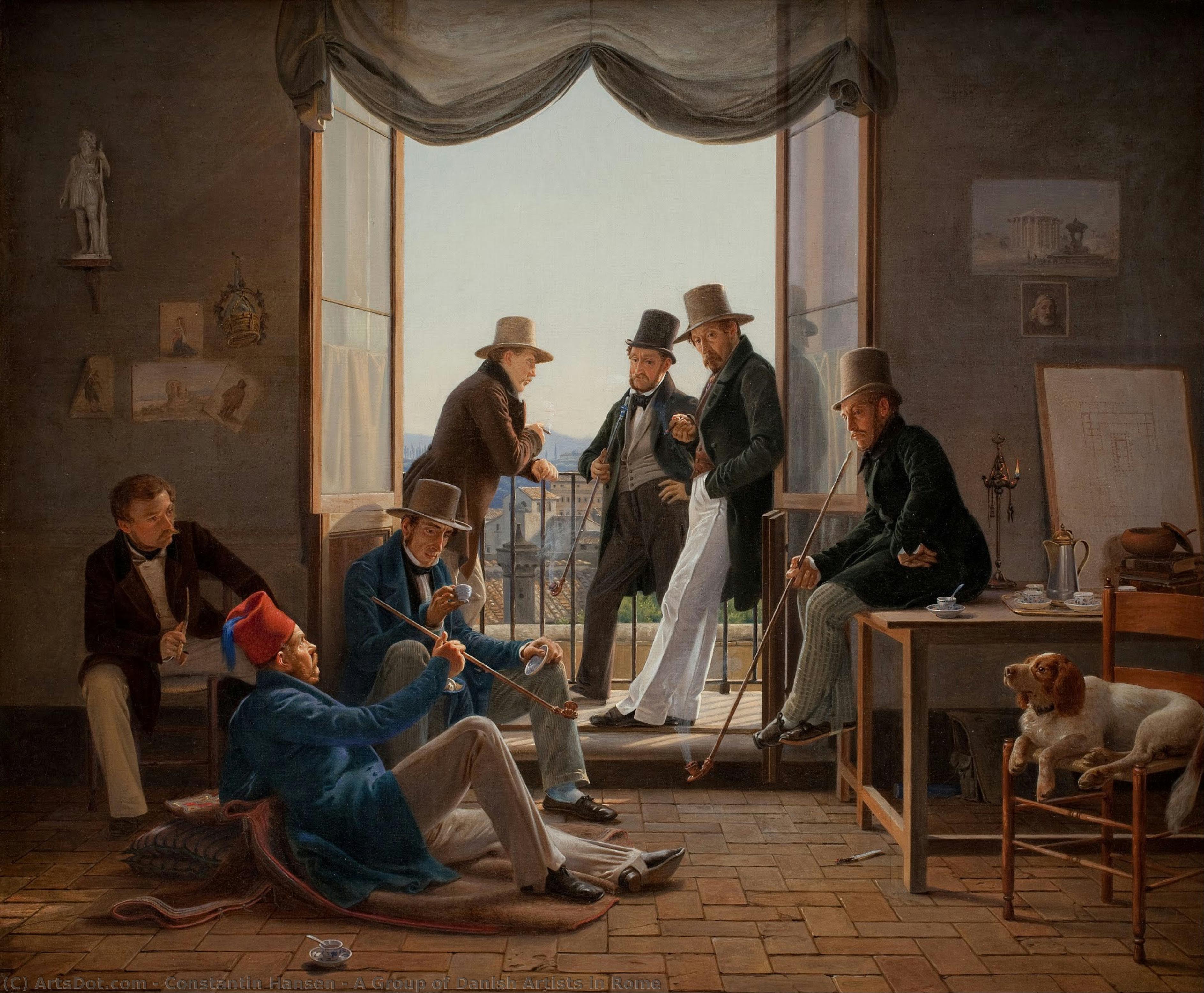
A Group of Danish Artists in Rome
 Oil On Canvas
- WallArt
- Romanticism
 1837
1837 74.0 x 62.0 cm
 National Gallery of Denmark
 詳細を見る
詳細を見る




P118B $10

P118H $10

P118W $10

P438Z $10

P508JH $12

P508YH $12

P805H $10

P805Z $10

P919BZ $10

P919G $10

P919XJ $10

P959ZH $10

P968JZ $12

W106C $8

W218G $10

W218JH $8

W218Y $10

W307PJ $10

W316G $10

W316PJ $8

W316Y $10

W398PJ $8

W4111J $10

W500HY $15

W500JH $15

W692G $12

W849H $8

W940BG $15

W953PJ $8




作品のオリジナル比率に合わせた、当店の規定サイズからお選びください。

特定のフレームやスペースに合わせて、ご希望のサイズをご入力いただけます。選択されたサイズが元の画像の比率と異なる場合、アートワークをトリミングするか、手描きで要素を追加して絵画を拡張いたします。デジタルモックアップ を制作し、制作開始前にご確認(承認)をいただきます。
画面上のプレビューは、実際のトリミングや拡張を正確に反映しているものではありません。最終的な構図は、モックアップによってのみ正確にご確認いただけます。
カスタムサイズもご利用いただけますが、元の比率を維持するためには、あらかじめ用意されたリストからサイズを選択することをお勧めいたします。
ご注文後、ArtsDot.com チームより詳細な指示をお送りするとともに、仕上がりイメージ(モックアップ)をご提供いたします。


 ガラスオプションは、110cm未満のサイズでのみご利用いただけます。

A Group of Danish Artists in Rome
複製技法
複製画のサイズ
-


合計金額
$ 263
作品解説
A Window into Danish Artistic Discourse – Constantin Hansen’s “A Group of Danish Artists in Rome”
Constantin Hansen's "A Group of Danish Artists in Rome," painted in 1837, is more than just a portrait; it’s a meticulously crafted snapshot of intellectual and artistic ferment within the burgeoning Danish art scene. This intimate gathering, depicting a circle of prominent artists engaged in a serious discussion about art amidst the backdrop of Renaissance inspiration, offers a rare glimpse into the ambitions and preoccupations of 19th-century European painters. The painting's power lies not just in its subject matter – the men themselves – but in the palpable sense of focused deliberation and the subtle interplay of personalities captured by Hansen’s masterful hand.
- Subject Matter: The scene centers around a group of six Danish artists, including Constantin Hansen himself, Gottlieb Bindesbøll, Martinus Rørbye, Wilhelm Marstrand, Albert Küchler, Ditlev Blunck, and Jørgen Sonne. Their presence is significant, representing the core of Danish artistic innovation during this period.
- Historical Context: Painted against the backdrop of a Rome profoundly influenced by classical antiquity, the work reflects the Romantic era’s fascination with reviving Renaissance ideals. The artists were actively seeking inspiration from Greek and Roman art, evident in their discussions and Hansen's deliberate stylistic choices.
Technique and Composition – A Study in Renaissance Revival
Hansen’s technique is characterized by a remarkable attention to detail and a sophisticated understanding of composition. He consciously employed the conventions of Renaissance portraiture, transforming them to align with his own era's aesthetic sensibilities. The figures are rendered with a realistic yet idealized quality, reflecting the influence of artists like Raphael and Leonardo da Vinci. Note the careful study of each participant – Küchler even commissioned a self-portrait from another artist – demonstrating the dedication to accuracy and the importance placed on individual representation. The inclusion of two dogs adds an unexpected layer of domesticity and charm, subtly reinforcing the scene's intimate atmosphere. The architectural setting, with its windows offering glimpses of contemporary Rome, serves as a crucial element, grounding the artists’ intellectual pursuits in tangible reality.
- Renaissance Influence: Hansen deliberately borrows elements from Renaissance depictions of artists, such as their poses and settings, to elevate his own work.
- Detailed Studies: The preparatory sketches and studies undertaken by Hansen and Küchler highlight the artist’s meticulous approach to portraiture.
Symbolism and Emotional Impact – A Dialogue of Ideas
Beyond a simple group portrait, “A Group of Danish Artists in Rome” is laden with symbolic meaning. The serious atmosphere suggests a profound engagement with artistic theory and practice. The discussion about art itself—particularly Bindesbøll’s account of his travels to Greece—underscores the importance of travel and experience as sources of inspiration. The painting stands out for its departure from the prevalent depictions of carefree Italian living, suggesting a more contemplative and intellectual approach to artistic endeavor. The presence of the dogs adds a touch of warmth and humanity, further emphasizing the camaraderie among the artists. Hansen’s choice to depict these men in conversation rather than celebration elevates the work beyond mere representation, transforming it into a powerful statement about the pursuit of knowledge and artistic excellence.
- Serious Atmosphere: The painting's tone contrasts with typical depictions of Italian leisure, emphasizing intellectual engagement.
- Inspiration from Reality: The setting itself—contemporary Rome—serves as a vital source of inspiration for the artists.
Dimensions and Presentation – A Timeless Masterpiece Recreated
This exceptional reproduction faithfully captures the essence of Hansen’s original masterpiece, offering an unparalleled opportunity to own a piece of art history. Printed on high-quality archival paper with meticulous attention to detail, this artwork is suitable for both private collections and commercial spaces. The dimensions of 74 x 62 cm make it a versatile addition to various interior design schemes. Size: 74 x 62 cm. Date: 1837
関連作品


アーティストの略歴
early life and training
artistic career
initially, hansen studied architecture but later shifted his focus to painting under christoffer wilhelm eckersberg in 1828. following the loss of both parents due to typhus, hansen became the sole supporter of his younger sisters and took over several commissions, including those for the portrait collection at frederiksborg palace and decorative paintings for christiansborg palace.travel and inspiration
between 1835 and 1837, hansen received a two-year stipend to travel abroad, which he extended by an additional year. his travels took him through berlin, dresden, prague, nuremberg, and munich before arriving in italy, where he met fellow dane bertel thorvaldsen. this period significantly influenced his work, as seen innotable works and legacy
- hansen's contributions to the university of copenhagen's vestibule on frue plads, which he decorated with mythological figures from 1844 to 1853.
museums and collections
discover more about constantin hansen's work at:- thorvaldsens museum, copenhagen, denmark, which features works by bertel thorvaldsen and other danish artists.
- constantin hansen's profile on ArtsDot.com, showcasing his notable paintings and artistic style.
conclusion
constantin hansen, a prominent figure in the golden age of danish painting, left an indelible mark on the art world with his captivating works. through his travels and inspirations, he contributed to the rich cultural heritage of denmark, which can be explored further through ArtsDot.com.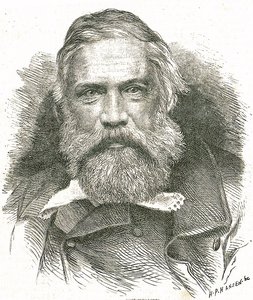
Constantin Hansen
1804 - 1880 , Italy
基本情報
- Artistic Movement Or Style: Romanticism art
- Artists Or Movements Influenced By This Artist: ['Bertel Thorvaldsen']
- Artists Who Influenced This Artist: ['Christoffer Wilhelm Eckersberg']
- Date Of Birth: November 3, 1804
- Date Of Death: March 29, 1880
- Full Name: Constantin Hansen
- Nationality: Danish
- Notable Artworks:
- A Group of Danish Artists in Rome
- Portrait of Frederikke Vilhelmine Hage, née Faber
- Place Of Birth: Rome, Italy
関連記事

The Enduring Legacy of Oil on Canvas: Technique, History & Aesthetic Impact
Explore the rich history & techniques of oil painting – from Renaissance masters to Impressionism. Discover pigments, layering methods, and why this timeless medium endures. Expert insights for artists & art enthusiasts.

Oil on Canvas: A Historical & Technical Exploration of a Timeless Artistic Medium
Explore the rich history & enduring techniques of oil painting on canvas. Discover the science behind its longevity, conservation practices, and contemporary relevance. Expert insights for art enthusiasts.

The Enduring Power of Painting: A Historical & Contemporary Exploration of Form and Emotion
Explore the rich history & enduring techniques of oil painting with ArtsDot. Discover masterpieces, learn about art collecting, and find authentic handmade reproductions crafted by skilled artists.
19th Century Masterpieces: 10 Paintings That Defined an Era | ArtsDot
Journey through 19th century art with ArtsDot! Explore 10 iconic paintings – from Monet & Renoir to Courbet – and discover the stories behind Romanticism, Realism & Impressionism. Find museum-quality reproductions for your home decor. Explore the full collection online!

油彩のキャンバス:技法、歴史、そして現代の実践 - 古典美術愛好家へ
油彩の技法、歴史、巨匠たちの秘密を徹底解説。古典美術愛好家向けに、初期フランドル絵画から現代の実践まで深く掘り下げます。ArtsDotで高品質な複製画やカスタムオーダーも承ります。

