

 プレビュー
プレビュー
 プリントを購入
 シェアする
シェアする シェアする
シェアする
 詳細を見る
詳細を見る

 ダウンロード
 似ている作品
 X線調査
X線調査 スライドショー
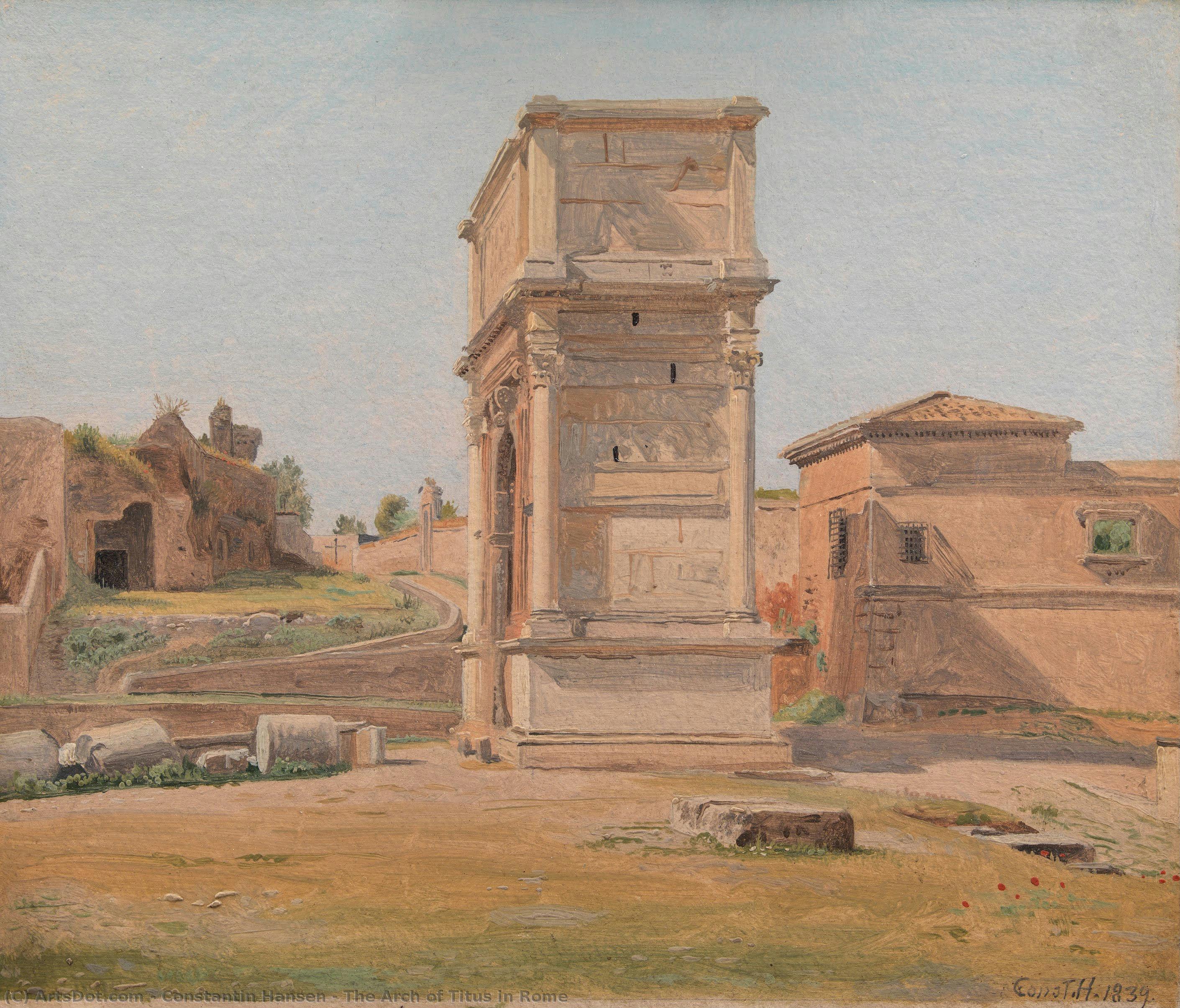
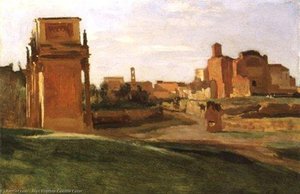
The Arch of Titus in Rome
 Oil On Canvas
- WallArt
 1839
1839 29.0 x 24.0 cm
 National Gallery of Denmark
 詳細を見る
詳細を見る
オンラインプレビューをはるかに凌ぐ、高解像度で鮮明なデジタル画像をご購入いただけます。
各ファイルは、社内の専門家が高度なツールと熟練した手作業によるレタッチを用いて、細心の注意を払って準備されています。すべての画像において、卓越した鮮明度、正確な色彩再現性、そして繊細なディテールを保証いたします。
最終ファイルは、プロフェッショナルな編集・印刷環境ですぐにご利用いただけるよう最適化された状態で、72時間以内にメールにてお届けいたします。これは、一流のデザインスタジオ、出版社、ギャラリーから信頼されているものと同等の品質です。
デジタル画像のご注文に付随する特典
高品質なデジタル画像配信を、確かな品質で。
ArtsDot.com を選ぶことは、単に画像を手に入れることではありません。それは、プロの手によって精密に仕上げられ、満足保証が付いた高品質なデジタルアートワークを受け取ることを意味します。ご注文いただいた際に自動的に付随する内容は、以下の通りです:

メールですぐにお届け
ご注文から72時間以内に、高解像度のデジタル画像ファイルがメールでお手元に届きます。すぐにそのままご利用いただけます。

AI技術で最適化されたデジタルファイル
お客様の作品は、高度なAIツールと専門家による手作業の編集を組み合わせてプロフェッショナルに最適化されており、細部のディテール、鮮明さ、そして正確な色再現性を最大限に引き出しています。

一生涯無料の再送サービス
ファイルを誤って削除したり、紛失してしまったりしましたか?ご安心ください。いつでも無料で再送いたします。

輸入手数料は一切かかりません
関税や手数料、配送料を気にすることなく、お気に入りのアートワークをすぐにお楽しみいただけます。デジタルダウンロードは常に免税です。

色彩再現の保証
プロ仕様のツールとカラーマネジメント技術を用いることで、デジタル画像が元の色を最大限に忠実に再現することを保証いたします。

100日間満足保証
ご購入いただいたデジタル画像にご満足いただけない場合は、100日以内であれば、理由を問わず修正または100%の返金対応をさせていただきます。

100% 返金保証
ご満足いただけない場合は、デジタルファイルを受け取ってから100日以内であれば、理由を問わず全額返金いたします。

まとめ買い割引
3枚購入で10%OFF - 5枚購入で15%OFF - 10枚以上購入で20%OFF。クリエイティブなプロジェクト、ギャラリー、エージェンシーに最適です。
A Moment Frozen in Roman Light: Constantin Hansen’s Study of the Arch of Titus
- Provenance: 1839, Oil on Canvas, 29 x 24 cm
- Artist: Constantin Hansen (1804-1880) – A Pioneer of Danish Romanticism
- Description: This captivating artwork offers a rare glimpse into the creative process of Constantin Hansen, one of Denmark’s most significant artists. Painted during a period of intense experimentation and artistic exploration, it presents a compelling study of the Arch of Titus in Rome – not as a conventional tourist view, but as a deeply personal investigation of form, light, and color.
Unconventional Perspective: Breaking with Tradition
Constantin Hansen’s approach to this subject is strikingly unconventional. Rather than depicting the Arch of Titus from its formal front elevation, he chooses a side view, dramatically shortening the façade and creating a dynamic sense of space. This deliberate distortion immediately signals a departure from the academic conventions prevalent at the time. The artist's intention was clearly not to create a faithful representation for travel or documentation; instead, it served as a crucial study for his own artistic development. This bold choice reflects Hansen’s desire to challenge established norms and explore new avenues of expression – a characteristic that would become increasingly important in his later work.Eckersberg's Influence and a Radical Shift
The painting reveals the profound influence of C.W. Eckersberg, Hansen’s influential teacher, particularly in its architectural studies. However, Hansen transcends Eckersberg’s meticulous realism, pushing the subject matter into a realm of heightened emotional intensity. He dismantles the traditional association between architecture and its symbolic function, presenting the Arch of Titus as an object of pure visual experience. This radical shift foreshadows the burgeoning Impressionist movement, thirty years later, with its focus on capturing fleeting moments of light and color.A Symphony of Light and Shadow: Technique and Color
The remarkable treatment of color is a defining feature of this artwork. Hansen demonstrates an extraordinary sensitivity to the delicate interplay of sunlight and shadow, meticulously rendering the subtle hues that shift across the stone surfaces. This masterful use of light not only creates a sense of realism but also imbues the scene with a palpable atmosphere – a testament to Hansen’s burgeoning understanding of color theory. The artist's exploration of chromatic effects anticipates the techniques employed by Impressionist painters, solidifying his position as a visionary ahead of his time. The painting’s subdued palette and nuanced shading evoke a sense of quiet contemplation and timeless beauty.Symbolism and Emotional Resonance
Beyond its technical brilliance, the artwork possesses a subtle emotional resonance. The solitary figure observing the Arch of Titus adds an element of human scale to the monumental structure, inviting viewers to contemplate their own relationship with history, architecture, and the passage of time. The scene evokes a sense of awe and wonder at the enduring legacy of Roman civilization, while simultaneously highlighting Hansen’s artistic ambition and his willingness to push boundaries. This piece is more than just a depiction of an ancient monument; it's a meditation on art itself – its purpose, its power, and its ability to transcend time.関連作品




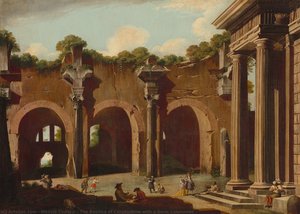
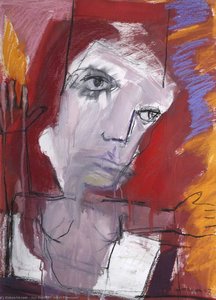
作家の略歴
early life and training
artistic career
initially, hansen studied architecture but later shifted his focus to painting under christoffer wilhelm eckersberg in 1828. following the loss of both parents due to typhus, hansen became the sole supporter of his younger sisters and took over several commissions, including those for the portrait collection at frederiksborg palace and decorative paintings for christiansborg palace.travel and inspiration
between 1835 and 1837, hansen received a two-year stipend to travel abroad, which he extended by an additional year. his travels took him through berlin, dresden, prague, nuremberg, and munich before arriving in italy, where he met fellow dane bertel thorvaldsen. this period significantly influenced his work, as seen innotable works and legacy
- hansen's contributions to the university of copenhagen's vestibule on frue plads, which he decorated with mythological figures from 1844 to 1853.
museums and collections
discover more about constantin hansen's work at:- thorvaldsens museum, copenhagen, denmark, which features works by bertel thorvaldsen and other danish artists.
- constantin hansen's profile on ArtsDot.com, showcasing his notable paintings and artistic style.
conclusion
constantin hansen, a prominent figure in the golden age of danish painting, left an indelible mark on the art world with his captivating works. through his travels and inspirations, he contributed to the rich cultural heritage of denmark, which can be explored further through ArtsDot.com.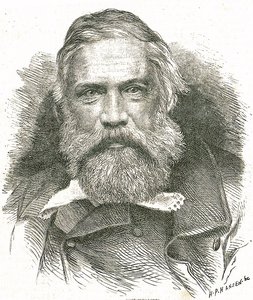
Constantin Hansen
1804 - 1880 , Italy
プロフィール概要
- Artistic Movement Or Style: Romanticism art
- Artists Or Movements Influenced By This Artist: ['Bertel Thorvaldsen']
- Artists Who Influenced This Artist: ['Christoffer Wilhelm Eckersberg']
- Date Of Birth: November 3, 1804
- Date Of Death: March 29, 1880
- Full Name: Constantin Hansen
- Nationality: Danish
- Notable Artworks:
- A Group of Danish Artists in Rome
- Portrait of Frederikke Vilhelmine Hage, née Faber
- Place Of Birth: Rome, Italy