

 プレビュー
プレビュー
 シェアする
シェアする シェアする
シェアする
 詳細を見る
詳細を見る

 ダウンロード
 似ている作品
 X線調査
X線調査 スライドショー
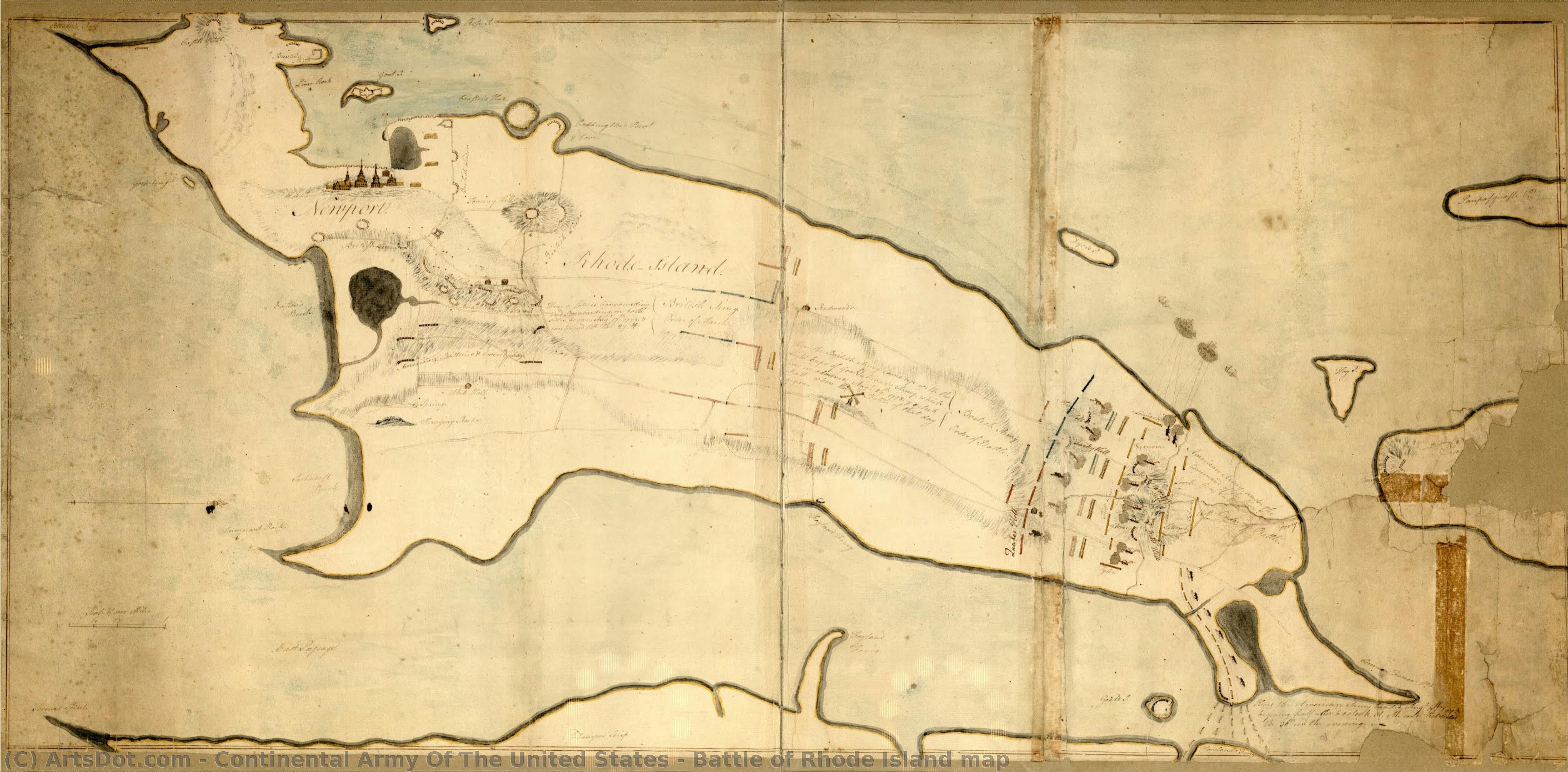
Battle of Rhode Island map


 詳細を見る
詳細を見る
ジークレー/アートプリント
迅速な制作と多彩な仕上げオプションを備えた、ミュージアムクオリティのジークレーまたはキャンバスプリント。 ( 手描きの絵画を購入 画像を購入)




































作品のオリジナル比率に合わせた、当店の規定サイズからお選びください。

特定のフレームやスペースに合わせて、ご自身でサイズを指定することも可能です。選択されたサイズが元の画像の比率と一致しない場合、作品をトリミングするか、鏡面反射または単色での塗りつぶしによって画像を拡張いたします。制作を開始する前に、ご確認用のデジタルモックアップをお送りいたします。
画面上のプレビューには、実際のトリミングや拡張は反映されませんのでご注意ください。最終的な構図を正確に確認できるのは、モックアップのみとなります。
カスタムサイズも承っておりますが、元の比率を維持するためには、あらかじめ用意されたリストからサイズを選択することをお勧めいたします。


 ガラスオプションは、110cm未満のサイズでのみご利用いただけます。

Battle of Rhode Island map
ジークレー/アートプリント
複製画のサイズ
-


合計金額
$ 62
関連作品









アーティストの略歴
The Continental Army: Forging Liberty Through Disciplined Effort
The Continental Army stands as a cornerstone of American history, representing far more than mere military might; it embodies the unwavering spirit of rebellion against tyranny and the audacious pursuit of self-goverlust. Born from necessity during the tumultuous years of 1775 to 1783, this force was not simply assembled by decree but painstakingly cultivated through a blend of idealism, pragmatism, and sheer determination. Its story is an epic narrative interwoven with the leadership of George Washington, the contributions of diverse colonial militias, and the transformative influence of European military expertise, creating a legacy that would eventually define a new nation.
The genesis of this historic force was marked by profound struggle and immediate confrontation. Recognizing the inadequacy of disorganized colonial militias against the formidable British Empire, the Second Continental Congress swiftly established the Continental Army on June 14, 1775. From its inception, the army faced daunting logistical hurdles, including chronic funding shortages, inexperienced officers, and a lack of unified command. Yet, it was within these very hardships that the character of the American soldier was forged, as disparate groups of colonists were gradually molded into a cohesive fighting force capable of challenging the world's greatest superpower.
Leadership, Strategy, and the Architecture of Victory
The appointment of George Washington as Commander-in-Chief proved to be the pivotal moment in the army's development. Drawing upon his previous military experience from the French and Indian War and imbued with an unwavering moral compass, Washington instilled a sense of discipline and fostered unity among the many factions within the colonies. His strategic brilliance—most notably demonstrated during the decisive victories at Saratoga and Yorktown—proved essential in securing American independence. Under his guidance, the army transitioned from a collection of regional militias into a professionalized instrument of war.
This evolution was further accelerated by the arrival of international influences and military innovation. Recognizing the imperative of bolstering their defenses, the Continental Congress sought vital assistance from European powers, most notably France. This alliance provided crucial naval support and financial backing, fundamentally reshaping the battlefield dynamics in favor of the Americans. Furthermore, the arrival of Friedrich Wilhelm von Steuben revolutionized army training. Through his instructional “Blue Book,” he introduced rigorous European drill regulations that instilled a level of professional discipline previously unseen in the colonial ranks, turning a ragtag assembly into a formidable disciplined unit.
A Lasting Legacy of Service and Sacrifice
The historical significance of the Continental Army extends far beyond the conclusion of the Revolutionary War. While the army itself was eventually succeeded by the permanent, professional United States Army in 1784, its spirit remains embedded in the very fabric of American identity. The structural innovations developed during this era, such as the division of units into regional departments to manage command and administration, laid the groundwork for future military organization. The triumphs achieved through the collective sacrifice of its soldiers became the foundational mythos of a burgeoning republic.
Today, the memory of the Continental Army is preserved through various institutions and historical records that honor their valor:
- The National Museum of the United States Army: A profound narrative of service and sacrifice located at Fort Belvoir, Virginia.
- Historical Cartography: Hand-drawn maps, such as those depicting the Battle of Rhode Island, which capture the strategic movements and troop distributions of the era.
- The Evolution of Command: The transition from the title of Commander-in-Chief to the modern administrative structures of the United States Armed Forces.
Ultimately, the Continental Army represents a period of profound transformation where the raw energy of revolution was tempered by the necessity of discipline, resulting in the birth of a sovereign nation.
continental army of the united states
1775 - , United States of America
基本情報
- Artistic Movement Or Style: Neoclassical
- Artists Or Movements Influenced By This Artist: ['Hudson River School']
- Artists Who Influenced This Artist:
- Joshua Reynolds
- Jean-Auguste Ingres
- Date Of Birth: March 17, 1740
- Date Of Death: February 23, 1827
- Full Name: Charles Willson Peale
- Nationality: American
- Notable Artworks:
- Washington Crossing the Delaware
- Portrait of Benjamin Franklin
- Place Of Birth: Philadelphia, Pennsylvania

