

 プレビュー
プレビュー
 プリントを購入
 シェアする
シェアする シェアする
シェアする
 詳細を見る
詳細を見る

 ダウンロード
 似ている作品
 X線調査
X線調査 スライドショー
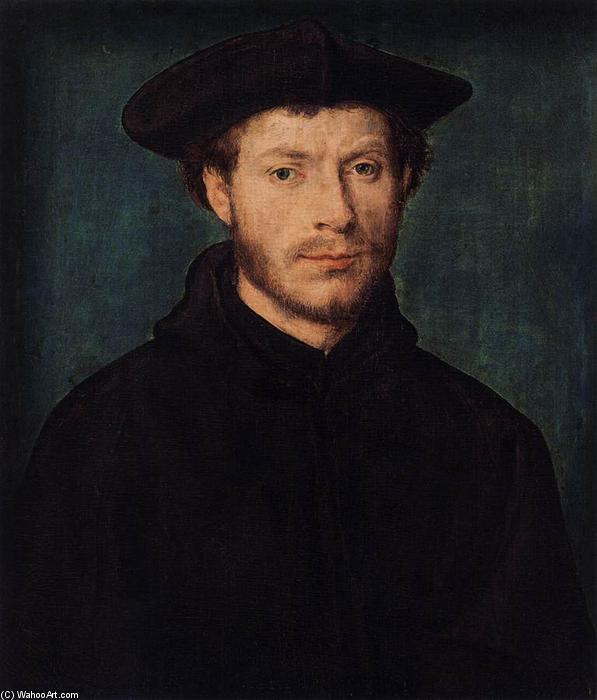
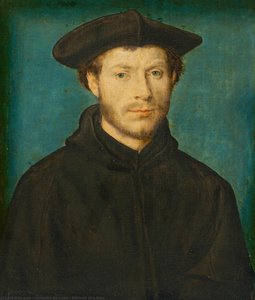
Portrait of a Man
 Oil On Canvas
- WallArt
- Renaissance Mannerism
 1536
1536 17.0 x 14.0 cm
 ナショナル・ギャラリー・オブ・アート
 詳細を見る
詳細を見る
オンラインプレビューをはるかに凌ぐ、高解像度で鮮明なデジタル画像をご購入いただけます。
各ファイルは、社内の専門家が高度なツールと熟練した手作業によるレタッチを用いて、細心の注意を払って準備されています。すべての画像において、卓越した鮮明度、正確な色彩再現性、そして繊細なディテールを保証いたします。
最終ファイルは、プロフェッショナルな編集・印刷環境ですぐにご利用いただけるよう最適化された状態で、72時間以内にメールにてお届けいたします。これは、一流のデザインスタジオ、出版社、ギャラリーから信頼されているものと同等の品質です。
デジタル画像のご注文に付随する特典
高品質なデジタル画像配信を、確かな品質で。
ArtsDot.com を選ぶことは、単に画像を手に入れることではありません。それは、プロの手によって精密に仕上げられ、満足保証が付いた高品質なデジタルアートワークを受け取ることを意味します。ご注文いただいた際に自動的に付随する内容は、以下の通りです:

メールですぐにお届け
ご注文から72時間以内に、高解像度のデジタル画像ファイルがメールでお手元に届きます。すぐにそのままご利用いただけます。

AI技術で最適化されたデジタルファイル
お客様の作品は、高度なAIツールと専門家による手作業の編集を組み合わせてプロフェッショナルに最適化されており、細部のディテール、鮮明さ、そして正確な色再現性を最大限に引き出しています。

一生涯無料の再送サービス
ファイルを誤って削除したり、紛失してしまったりしましたか?ご安心ください。いつでも無料で再送いたします。

輸入手数料は一切かかりません
関税や手数料、配送料を気にすることなく、お気に入りのアートワークをすぐにお楽しみいただけます。デジタルダウンロードは常に免税です。

色彩再現の保証
プロ仕様のツールとカラーマネジメント技術を用いることで、デジタル画像が元の色を最大限に忠実に再現することを保証いたします。

60日間満足保証
ご購入いただいたデジタル画像にご満足いただけない場合は、60日以内であれば、修正または100%の返金(理由を問う必要はありません)をさせていただきます。

100% 返金保証
ご満足いただけない場合は、デジタルファイルを受け取ってから60日以内であれば、理由を問わず全額返金いたします。

まとめ買い割引
3枚購入で10%OFF - 5枚購入で15%OFF - 10枚以上購入で20%OFF。クリエイティブなプロジェクト、ギャラリー、エージェンシーに最適です。
作品の詳細
Portrait of a Man by Corneille de Lyon: A Renaissance Masterpiece
This exquisite oil painting by Corneille de Lyon, created around 1536, stands as a testament to the artistic fervor of the High Renaissance in Holland. Measuring just 17 x 14 cm, its diminutive size belies the profound depth and meticulous detail captured within its frame—a characteristic hallmark of Lyon’s oeuvre and indeed, of the era itself. Examining this artwork reveals not merely an image but a carefully constructed narrative of status, contemplation, and artistic mastery.The Artist and His Style: Lyon's Elegant Simplicity
Corneille de Lyon (1500 – 1575), born in The Hague, was a prolific painter whose reputation rested primarily on portraits and religious commissions. Unlike many of his contemporaries who embraced grandiose compositions and opulent palettes, Lyon favored a restrained aesthetic—a deliberate choice that allowed him to focus on capturing the subtle nuances of human expression and conveying an aura of dignified serenity. His style embodies the humanist ideals prevalent during this period, prioritizing clarity of form and psychological realism over mere decorative embellishment. As evidenced by numerous surviving works, Lyon’s meticulous brushwork and masterful use of light and shadow exemplify the Renaissance commitment to observation and scientific accuracy blended with artistic sensitivity.A Study in Detail: Technique and Composition
The painting utilizes oil on walnut panel—a technique favored for its ability to produce luminous colors and achieve remarkable textural richness. Lyon skillfully employs a limited color range, primarily focused on deep blues and muted browns, creating a harmonious backdrop that serves to accentuate the subject’s features. The artist's attention to detail is breathtaking; observe the delicate rendering of the man’s skin tone, capturing the subtle variations in hue and luminosity—a testament to Lyon’s understanding of anatomy and optics. Furthermore, the folds of his black robe are rendered with painstaking precision, conveying a sense of volume and drapery that contributes significantly to the painting's overall impression of grandeur. The placement of the subject within the frame is equally deliberate, positioning him centrally against a dark blue background—a compositional choice designed to draw the viewer’s gaze directly to his face and instill a feeling of contemplative stillness.Historical Context: Renaissance Portraiture and Noble Identity
Painted during Henri II's reign (1547–59), this portrait reflects the burgeoning humanist movement that championed reason, observation, and human dignity. The subject’s attire—a black robe adorned with a high collar—immediately signifies his elevated social standing, hinting at nobility or ecclesiastical affiliation. Such formal garments were commonplace during the Renaissance, serving as visual markers of status and authority. Moreover, the inclusion of accessories like a wide-brimmed hat and beard speaks to prevailing cultural conventions of the time, reinforcing the portrait’s depiction of an individual embodying the ideals of Renaissance refinement.Symbolism and Emotional Impact: Contemplation and Dignified Presence
Beyond its formal elements, “Portrait of a Man” communicates profound emotional resonance. The subject's gaze—directed squarely at the viewer—suggests introspection and thoughtfulness, inviting contemplation on themes of identity and inner life. Lyon’s masterful manipulation of light and shadow creates an atmosphere of solemn grandeur, conveying a sense of dignified presence and intellectual seriousness. This painting transcends mere representation; it aspires to capture not just what is seen but what is felt—a timeless achievement that continues to captivate audiences centuries later.Provenance and Recognition: A Legacy Preserved
Currently housed at the National Gallery of Art in Washington, D.C., “Portrait of a Man” has garnered considerable acclaim for its artistic merit and historical significance. Its inclusion in the ArtsDot.com collection underscores its enduring appeal to collectors and art enthusiasts alike. Further research into Lyon’s life and work reveals his contribution to the artistic landscape of the Low Countries during a pivotal moment in European history—a legacy secured through masterpieces like this remarkable portrait.関連作品
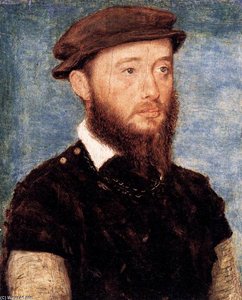
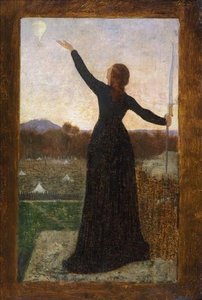
作家の略歴
宮廷の眼差し:コルネイユ・ド・リヨンの生涯と芸術
1500年頃にハーグでクロード・コルネイユとして生まれ、1575年頃にその生涯を閉じたコルネイユ・ド・リヨンは、ルネサンス肖像画の歴史において、魅惑的でありながらどこか謎めいた地位を占めています。彼は単なる画家ではありませんでした。権力構造が激変し、芸術的な革新が芽生えつつあった時代において、ヨーロッパ貴族たちの姿を記録し続けた国際的な存在だったのです。しばしばオランダ人として語られますが、彼のキャリアが真に花開いたのはフランスでした。フランソワ1世、そして後のアンリ2世やシャルル9世の治世において、彼はまさに「至高」の肖像画家としての地位を確立しました。その物語は、適応と巧みな模倣、そして最終的には単なる外見の写しにとどまらず、宮廷生活の本質そのものを捉えた独自の様式を創り上げた軌跡なのです。北方のリアリズムからフランスのエレガンスへ
コルネイユの初期の修行については、その多くが記録に残されていません。しかし、当初は細部への執着と写実的な表現に満ちた、初期ネーデルラント絵画の伝統の中で活動していたと考えられています。この基礎は彼の初期作品にも見て取れ、布地や宝飾品、そして顔立ちの精密な描写が特徴となっています。しかし、1524年頃にフランスへ渡ったことで、コルネイユは異なる美意識に直面することになります。当時のフランス宮廷は、レオナルド・ダ・ヴィンチやラファエロといったイタリア・ルネサンスの巨匠たちの影響を強く受けた、より洗練された優雅な様式を好んでいました。とりわけ重要なのは、ハンス・ホルバイン(子)の作品との出会いでした。心理的な深みと洗練された色彩感覚を備えたホルバインの肖像画は、コルネイエルの発展に多大な影響を与えました。彼は単にホルバインを模倣したのではなく、北方のリアリズムとイタリアの優美さ、そしてホルバインの鋭い人物研究を融合させ、独自の芸術言語を築き上げたのです。国王の肖像画家:フランス宮廷におけるキャリア
コルネイユは瞬く間にフランソワ1世の公式肖像画家へと昇り詰めました。それは絶大な威信と責任を伴う地位でした。彼が描いたのは、壮大な寓意画や宗教的な物語ではありません。その焦点は、国王や王妃、宮廷人、そして訪れる賓客たちの容貌を捉えることにほぼ専念していました。この特化された専門性が、衣服の仕立て、宝飾品の配置、さらには人物の姿勢といった細部を通じて、地位や権力を描き出すという並外れた技術を磨き上げることにつながりました。彼の肖像画は、その形式において驚くほど一貫しています。典型的には半身像で、暗い背景の中に人物を配置することで、顔立ちと豪華な装束を際立たせています。また、黒、赤、金といった豊かな色彩を好む限定されたパレットを用いることで、富貴さと権威の感覚をさらに増幅させました。数百点にも及ぶこれらのミニチュア肖像画は、しばしば外交上の贈り物や宮廷人たちの手元に残る記念品として制作されました。これらは決して記念碑的な宣言として作られたのではなく、選ばれた限られた社交界の中で流通し、社会的な絆を強め、王権のイメージを投影するための親密なオブジェだったのです。外見を超えて:象徴性と芸術的遺産
その卓越した技術で称賛される一方で、コルネイユの作品は象徴性に対する繊細な理解をも露わにしています。人物が身に纏う衣服はしばしばその階級や忠誠心を示し、宝飾品は富や信仰心、あるいは婚姻状況を物語ることがありました。彼は単に外見を記録していたのではなく、アイデンティティと帰属に関する物語を構築していたのです。彼の影はフランス宮廷の枠を超えて広がりました。多くの芸術家を育成し、その様式をフランス全土に広めることで、「リヨン派」と呼ばれる、洗練された技法と優雅な構図で知られる肖像画家集団の発展に寄与しました。新しい芸術技法を発明したり、過激な主題を探求したりしたわけではありませんが、コルneiユ・ド・リヨンは宮廷肖像画の術を完成させ、16世紀ヨーロッパ貴族の生活と個性を垣間見ることができる極めて貴重な作品群を遺しました。彼の肖像画が今なお人々を惹きつけてやまないのは、その歴史的な重要性だけでなく、不変の美しさと心理的な洞察力によるものです。それは、観察の力と、過ぎ去る瞬間を捉える芸術性の証なのです。彼の遺産とは、洗練された優雅さと緻密な細部、そして宮廷生活の本質を描き出す比類なき能力そのものなのです。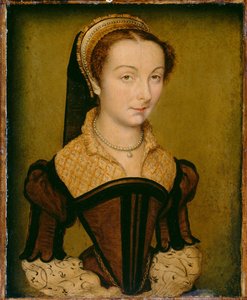
コルネイユ・ド・リヨン
1500 - 1575 , オランダ
プロフィール概要
- Artistic Movement Or Style: 盛期ルネサンス
- Artists Or Movements Influenced By This Artist: ['ダ・ヴィンチ一族']
- Artists Who Influenced This Artist: ['アンドレア・デル・ヴェロッキオ']
- Date Of Birth: 1452年4月15日
- Date Of Death: 1519年5月2日
- Full Name: レオナルド・ディ・セル・ピエロ・ダ・ヴィンチ
- Nationality: イタリア
- Notable Artworks:
- モナ・リザ
- 最後の晩餐
- ウィトルウィウス的人体図
- Place Of Birth: イタリア、ヴィンチ

