

 プレビュー
プレビュー
 プリントを購入
 シェアする
シェアする シェアする
シェアする
 詳細を見る
詳細を見る

 ダウンロード
 似ている作品
 X線調査
X線調査 スライドショー
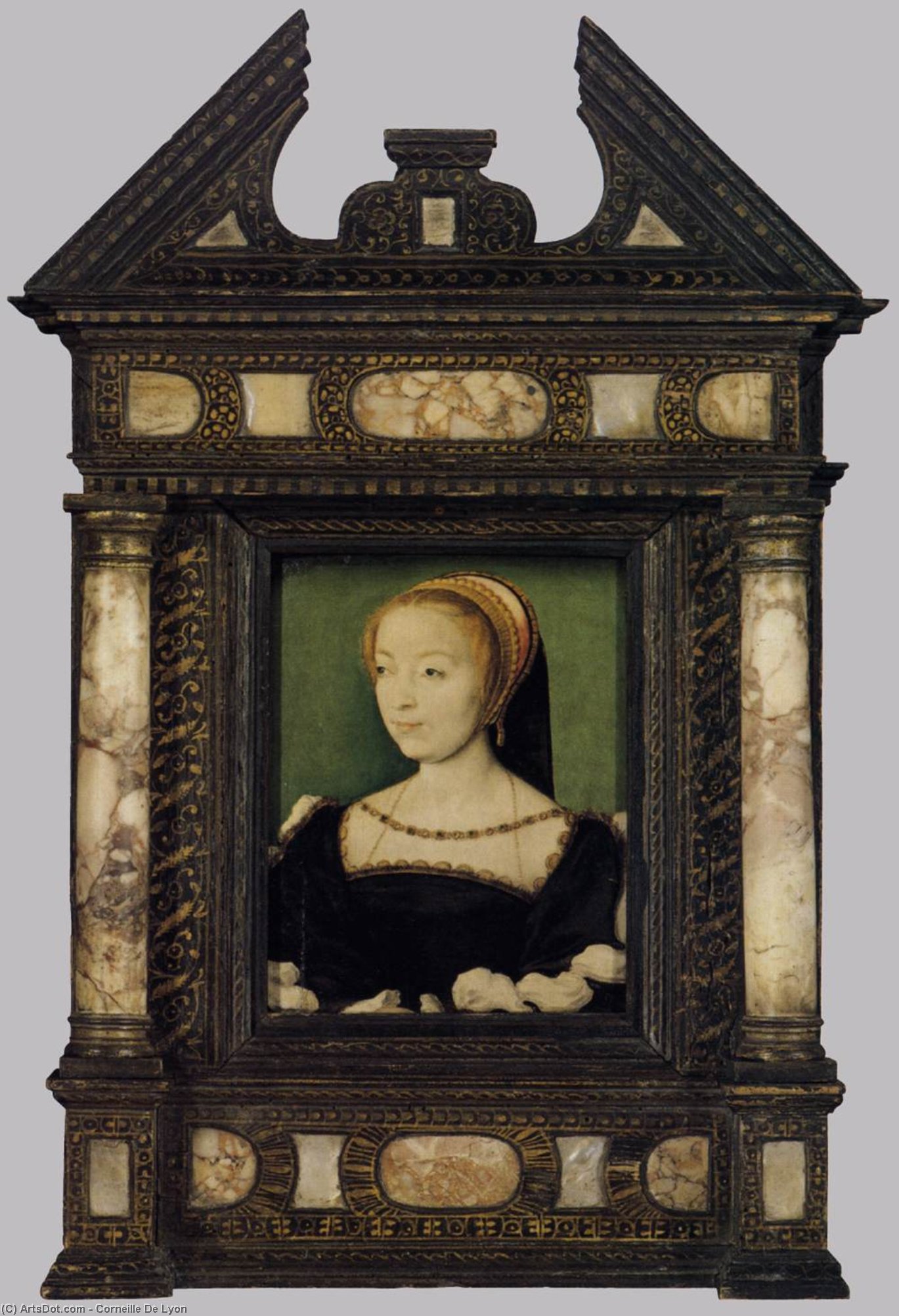
Portrait of Louise de Rieux
 Acrylic On Canvas
- WallArt
- Baroque Portraiture
 1550
1550 16.0 x 12.0 cm
 ルーブル美術館
 詳細を見る
詳細を見る




P118B $10

P118H $10

P118W $10

P438Z $10

P508JH $12

P508YH $12

P805H $10

P805Z $10

P919BZ $10

P919G $10

P919XJ $10

P959ZH $10

P968JZ $12

W106C $8

W218G $10

W218JH $8

W218Y $10

W307PJ $10

W316G $10

W316PJ $8

W316Y $10

W398PJ $8

W4111J $10

W500HY $15

W500JH $15

W692G $12

W849H $8

W940BG $15

W953PJ $8




作品のオリジナル比率に合わせた、当店の規定サイズからお選びください。

特定のフレームやスペースに合わせて、ご希望のサイズをご入力いただけます。選択されたサイズが元の画像の比率と異なる場合、アートワークをトリミングするか、手描きで要素を追加して絵画を拡張いたします。デジタルモックアップ を制作し、制作開始前にご確認(承認)をいただきます。
画面上のプレビューは、実際のトリミングや拡張を正確に反映しているものではありません。最終的な構図は、モックアップによってのみ正確にご確認いただけます。
カスタムサイズもご利用いただけますが、元の比率を維持するためには、あらかじめ用意されたリストからサイズを選択することをお勧めいたします。
ご注文後、ArtsDot.com チームより詳細な指示をお送りするとともに、仕上がりイメージ(モックアップ)をご提供いたします。


 ガラスオプションは、110cm未満のサイズでのみご利用いただけます。

Portrait of Louise de Rieux
複製技法
複製画のサイズ
-


合計金額
$ 263
作品解説
Portrait of Louise de Rieux – A Window into Renaissance Lyon
The “Portrait of Louise de Rieux,” painted by Corneille de Lyon in 1550, is more than just a likeness; it’s a carefully constructed tableau offering a glimpse into the refined world of late Renaissance Lyon. This intimate portrait captures a woman of considerable standing – likely a noblewoman – within the opulent confines of her domestic sphere. The painting immediately draws the eye to Louise's face, rendered with remarkable detail and a subtle realism that belies the artistic conventions of the time. Her gaze, direct and unwavering, invites the viewer into a silent conversation, suggesting both intelligence and quiet dignity.
De Lyon’s style is characterized by a meticulous attention to texture and light. He employs a technique known as “pointillé,” utilizing tiny, closely spaced brushstrokes to build up color and form. This method creates a shimmering effect, particularly noticeable in the folds of her dress and the delicate sheen of her pearl necklace. The muted palette – dominated by deep greens, browns, and blacks – reflects the prevailing fashion of the period and contributes to the painting’s overall atmosphere of restrained elegance. The dark background serves not as mere backdrop but as a deliberate device to further emphasize Louise's presence and draw attention to her features.
Symbolism and Social Context
Beyond its technical merits, the portrait is rich in symbolic meaning. The black dress, a common garment for women of noble birth at the time, signifies wealth and status. The pearl necklace, a symbol of purity and virtue, further reinforces Louise’s position within her social circle. The inclusion of a small, intricately carved wooden frame – a detail often overlooked – speaks to the importance placed on displaying art as a marker of taste and refinement. Portraits like this were not simply representations; they were carefully curated statements about family lineage, wealth, and social standing.
Louise de Rieux herself was likely a woman of considerable influence within Lyon’s burgeoning merchant class. The city was experiencing a period of significant economic growth during the 16th century, fueled by trade with Italy and beyond. Women like Louise played a crucial role in managing households, overseeing finances, and maintaining social connections – all vital functions within this dynamic environment. This portrait offers a rare opportunity to visualize and understand the lives of women who shaped the cultural landscape of Renaissance Lyon.
The Artist: Corneille de Lyon - A Master of Detail
Corneille de Lyon (1500-1575) was a prominent artist working in the Netherlands during the late 16th century. He is particularly known for his portraits, often characterized by their meticulous detail and realistic portrayal of subjects. While relatively little is definitively known about his life, art historians believe he spent much of his career in Lyon, serving as court painter to various noble families. His work reflects a blend of Northern European realism with Italian Renaissance influences – a testament to the artistic exchange that flourished during this period.
Interestingly, de Lyon’s biography remains somewhat obscure. Records are scarce, and much of our understanding of his life and career is pieced together from stylistic analysis and comparisons with other works attributed to him. Despite the limited information available, his skill as a portraitist is undeniable, as evidenced by the exquisite execution of “Portrait of Louise de Rieux.”
A Timeless Portrait – Perfect for Reproduction
The "Portrait of Louise de Rieux" transcends its historical context and continues to resonate with viewers today. Its quiet dignity, subtle beauty, and evocative symbolism make it a captivating work of art. Reproductions offer an accessible way to bring this remarkable portrait into any home or office, adding a touch of Renaissance elegance and intellectual depth. The meticulous detail captured by de Lyon’s brushstrokes is faithfully reproduced in high-quality prints, allowing you to appreciate the artistry and craftsmanship of this enduring masterpiece.
Whether displayed as a statement piece in a grand salon or incorporated into a more intimate setting, “Portrait of Louise de Rieux” serves as a poignant reminder of the lives and aspirations of those who shaped the cultural heritage of Renaissance Lyon.
関連作品

アーティストの略歴
宮廷の眼差し:コルネイユ・ド・リヨンの生涯と芸術
1500年頃にハーグでクロード・コルネイユとして生まれ、1575年頃にその生涯を閉じたコルネイユ・ド・リヨンは、ルネサンス肖像画の歴史において、魅惑的でありながらどこか謎めいた地位を占めています。彼は単なる画家ではありませんでした。権力構造が激変し、芸術的な革新が芽生えつつあった時代において、ヨーロッパ貴族たちの姿を記録し続けた国際的な存在だったのです。しばしばオランダ人として語られますが、彼のキャリアが真に花開いたのはフランスでした。フランソワ1世、そして後のアンリ2世やシャルル9世の治世において、彼はまさに「至高」の肖像画家としての地位を確立しました。その物語は、適応と巧みな模倣、そして最終的には単なる外見の写しにとどまらず、宮廷生活の本質そのものを捉えた独自の様式を創り上げた軌跡なのです。北方のリアリズムからフランスのエレガンスへ
コルネイユの初期の修行については、その多くが記録に残されていません。しかし、当初は細部への執着と写実的な表現に満ちた、初期ネーデルラント絵画の伝統の中で活動していたと考えられています。この基礎は彼の初期作品にも見て取れ、布地や宝飾品、そして顔立ちの精密な描写が特徴となっています。しかし、1524年頃にフランスへ渡ったことで、コルネイユは異なる美意識に直面することになります。当時のフランス宮廷は、レオナルド・ダ・ヴィンチやラファエロといったイタリア・ルネサンスの巨匠たちの影響を強く受けた、より洗練された優雅な様式を好んでいました。とりわけ重要なのは、ハンス・ホルバイン(子)の作品との出会いでした。心理的な深みと洗練された色彩感覚を備えたホルバインの肖像画は、コルネイエルの発展に多大な影響を与えました。彼は単にホルバインを模倣したのではなく、北方のリアリズムとイタリアの優美さ、そしてホルバインの鋭い人物研究を融合させ、独自の芸術言語を築き上げたのです。国王の肖像画家:フランス宮廷におけるキャリア
コルネイユは瞬く間にフランソワ1世の公式肖像画家へと昇り詰めました。それは絶大な威信と責任を伴う地位でした。彼が描いたのは、壮大な寓意画や宗教的な物語ではありません。その焦点は、国王や王妃、宮廷人、そして訪れる賓客たちの容貌を捉えることにほぼ専念していました。この特化された専門性が、衣服の仕立て、宝飾品の配置、さらには人物の姿勢といった細部を通じて、地位や権力を描き出すという並外れた技術を磨き上げることにつながりました。彼の肖像画は、その形式において驚くほど一貫しています。典型的には半身像で、暗い背景の中に人物を配置することで、顔立ちと豪華な装束を際立たせています。また、黒、赤、金といった豊かな色彩を好む限定されたパレットを用いることで、富貴さと権威の感覚をさらに増幅させました。数百点にも及ぶこれらのミニチュア肖像画は、しばしば外交上の贈り物や宮廷人たちの手元に残る記念品として制作されました。これらは決して記念碑的な宣言として作られたのではなく、選ばれた限られた社交界の中で流通し、社会的な絆を強め、王権のイメージを投影するための親密なオブジェだったのです。外見を超えて:象徴性と芸術的遺産
その卓越した技術で称賛される一方で、コルネイユの作品は象徴性に対する繊細な理解をも露わにしています。人物が身に纏う衣服はしばしばその階級や忠誠心を示し、宝飾品は富や信仰心、あるいは婚姻状況を物語ることがありました。彼は単に外見を記録していたのではなく、アイデンティティと帰属に関する物語を構築していたのです。彼の影はフランス宮廷の枠を超えて広がりました。多くの芸術家を育成し、その様式をフランス全土に広めることで、「リヨン派」と呼ばれる、洗練された技法と優雅な構図で知られる肖像画家集団の発展に寄与しました。新しい芸術技法を発明したり、過激な主題を探求したりしたわけではありませんが、コルneiユ・ド・リヨンは宮廷肖像画の術を完成させ、16世紀ヨーロッパ貴族の生活と個性を垣間見ることができる極めて貴重な作品群を遺しました。彼の肖像画が今なお人々を惹きつけてやまないのは、その歴史的な重要性だけでなく、不変の美しさと心理的な洞察力によるものです。それは、観察の力と、過ぎ去る瞬間を捉える芸術性の証なのです。彼の遺産とは、洗練された優雅さと緻密な細部、そして宮廷生活の本質を描き出す比類なき能力そのものなのです。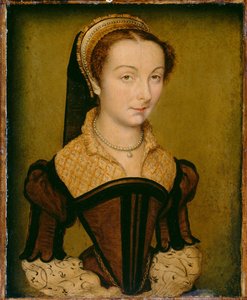
コルネイユ・ド・リヨン
1500 - 1575 , オランダ
基本情報
- Artistic Movement Or Style: 盛期ルネサンス
- Artists Or Movements Influenced By This Artist: ['ダ・ヴィンチ一族']
- Artists Who Influenced This Artist: ['アンドレア・デル・ヴェロッキオ']
- Date Of Birth: 1452年4月15日
- Date Of Death: 1519年5月2日
- Full Name: レオナルド・ディ・セル・ピエロ・ダ・ヴィンチ
- Nationality: イタリア
- Notable Artworks:
- モナ・リザ
- 最後の晩餐
- ウィトルウィウス的人体図
- Place Of Birth: イタリア、ヴィンチ
関連記事

ゴヤ傑作25選:スペインの魂を揺さぶる、深遠な芸術の世界 | ArtsDot
ゴヤ傑作25選:ロマン主義を代表するスペインの巨匠、フランシスコ・デ・ゴヤの世界へ。黒衣の女からマハまで、魂を揺さぶる絵画の物語と技法を紐解きます。ArtsDotで高品質なアートレプリカを見つけ、インテリアに深みと風格を。今すぐコレクションをご覧ください。
Pieter de Hooch: Illuminating Dutch Domestic Life & Golden Age Charm
Explore the captivating world of Pieter de Hooch, a master of Dutch Golden Age painting. Discover his innovative use of light, intimate domestic scenes, and lasting influence on art history. Learn more at ArtsDot.

About Us
Discover our story! We bring world-class art into your life through expert curation, personalized creations, and free previews. Trusted by individuals and businesses since 2000.
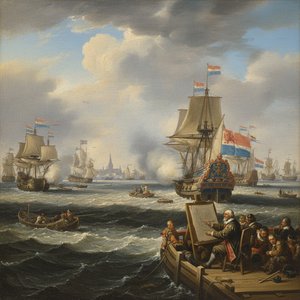
Willem van de Velde the Elder: Master of Maritime Painting & Chronicler of the Dutch Golden Age
Discover the captivating maritime paintings of Willem van de Velde the Elder, a master chronicler of the Dutch Golden Age. Explore his unparalleled realism and lasting influence on naval art history.
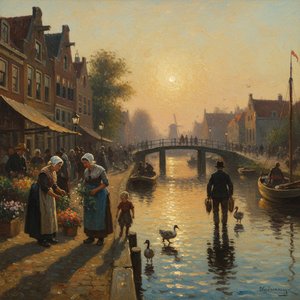
Wilhelmus de Zwart: Capturing Dutch Life Through the Lens of Realism & Impressionism
Explore the captivating world of Wilhelmus de Zwart, a Dutch master bridging Realism & Impressionism. Discover his landscapes, cityscapes, and unique technique – a compelling study for art enthusiasts and collectors.

