

 プレビュー
プレビュー
 プリントを購入
 シェアする
シェアする シェアする
シェアする
 詳細を見る
詳細を見る

 ダウンロード
 似ている作品
 X線調査
X線調査 スライドショー
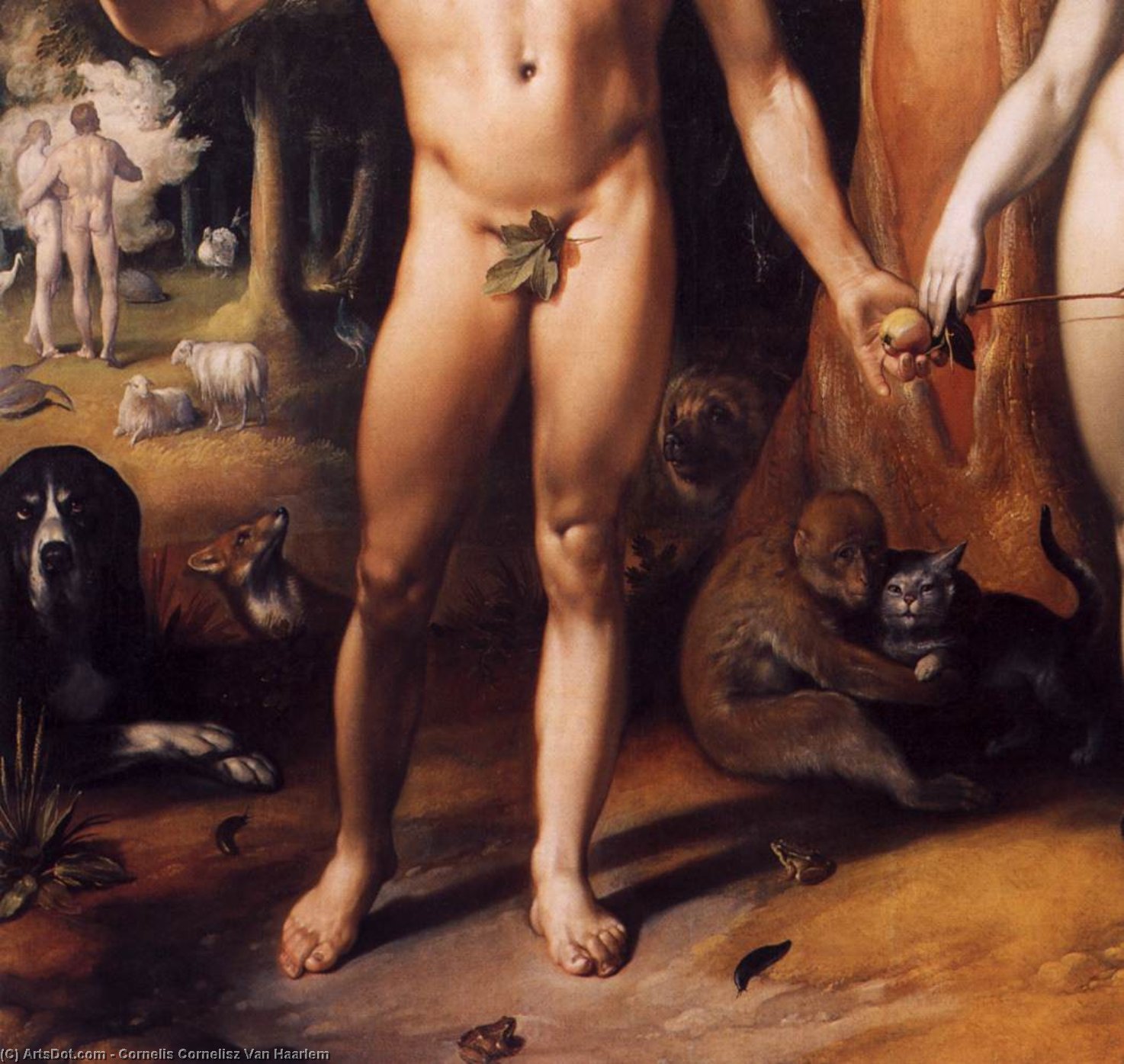
The Fall of Man (detail)


 詳細を見る
詳細を見る




P118B $10

P118H $10

P118W $10

P438Z $10

P508JH $12

P508YH $12

P805H $10

P805Z $10

P919BZ $10

P919G $10

P919XJ $10

P959ZH $10

P968JZ $12

W106C $8

W218G $10

W218JH $8

W218Y $10

W307PJ $10

W316G $10

W316PJ $8

W316Y $10

W398PJ $8

W4111J $10

W500HY $15

W500JH $15

W692G $12

W849H $8

W940BG $15

W953PJ $8




作品のオリジナル比率に合わせた、当店の規定サイズからお選びください。

特定のフレームやスペースに合わせて、ご希望のサイズをご入力いただけます。選択されたサイズが元の画像の比率と異なる場合、アートワークをトリミングするか、手描きで要素を追加して絵画を拡張いたします。デジタルモックアップ を制作し、制作開始前にご確認(承認)をいただきます。
画面上のプレビューは、実際のトリミングや拡張を正確に反映しているものではありません。最終的な構図は、モックアップによってのみ正確にご確認いただけます。
カスタムサイズもご利用いただけますが、元の比率を維持するためには、あらかじめ用意されたリストからサイズを選択することをお勧めいたします。
ご注文後、ArtsDot.com チームより詳細な指示をお送りするとともに、仕上がりイメージ(モックアップ)をご提供いたします。


 ガラスオプションは、110cm未満のサイズでのみご利用いただけます。

The Fall of Man (detail)
複製技法
複製画のサイズ
-


合計金額
$ 263
作品解説
The Fall of Man: A Baroque Drama of Temptation and Loss
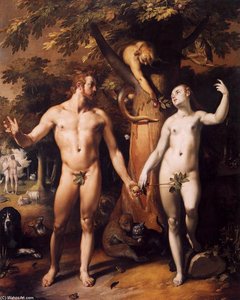
Cornelis Cornelisz van Haarlem’s “The Fall of Man,” painted in 1592, is not merely a depiction of the biblical narrative; it's a profoundly emotive exploration of human nature, temptation, and the irrevocable consequences of disobedience. This dramatic Baroque oil painting, now meticulously reproduced for ArtsDot.com, transcends its subject matter to become a timeless meditation on morality and the enduring struggle between good and evil. The scene unfolds within a richly detailed, almost claustrophobic space, dominated by the imposing figure of God – rendered not as a benevolent patriarch but as a veiled, watchful cloud, his human face conveying both warning and sorrow.
Van Haarlem’s masterful technique is immediately apparent. He employs a complex layering of oil paints, creating an astonishing depth and texture that draws the viewer into the scene. The figures themselves are rendered with a startling realism, particularly in Adam and Eve's nakedness – a bold choice for its time, emphasizing their vulnerability and innocence before transgression. Note the subtle musculature, the delicate rendering of skin, and the way light catches on the folds of their garments. The animals surrounding them—dogs, cats, sheep, and goats—are not simply decorative elements; they represent the burgeoning chaos unleashed by humanity’s fall, a microcosm of the disruption of the natural order.
Symbolism and Narrative Depth
“The Fall of Man” is saturated with symbolic meaning. The central image – Adam holding the forbidden apple while Eve reaches for it—is instantly recognizable as the core of the Genesis story. However, Van Haarlem goes beyond a literal representation. The serpent, depicted with a disconcertingly human torso, embodies temptation itself, its scales shimmering with an unsettling allure. The scattered apples throughout the composition serve as potent reminders of the fruit’s destructive power and the pervasive nature of desire. Even the bowl in the background, filled with what appears to be both sustenance and decay, contributes to the painting's complex symbolism – a visual representation of paradise lost.
The positioning of God within the cloud is particularly significant. He isn’t actively intervening; rather, he observes the unfolding drama with a palpable sense of regret and disappointment. This passive role highlights the tragic nature of humanity’s fate—a consequence of free will and self-determination. The overall composition creates a powerful sense of foreboding, suggesting that this event marks not just the loss of innocence but also the beginning of suffering and mortality for all humankind.
A Bridge to the Golden Age
Cornelis Cornelisz van Haarlem stands as a pivotal figure in the transition from Mannerism to the Dutch Golden Age. While initially influenced by the stylized conventions of his time, he gradually embraced a more naturalistic approach, particularly evident in his portraits and this dramatic narrative scene. His work reflects the turbulent political climate of the Netherlands during the Eighty Years’ War, a period marked by religious conflict and social upheaval. Van Haarlem's artistic journey mirrors this broader historical context – a move towards clarity and realism amidst uncertainty and turmoil.
The painting’s influence extends beyond its immediate subject matter. It foreshadowed the dramatic compositions and emotional intensity that would characterize later Dutch masters, notably Frans Hals. “The Fall of Man” is therefore not just a beautiful artwork; it's a crucial link in the chain of artistic development that led to the flourishing of the Dutch Golden Age. ArtsDot’s meticulous reproductions allow you to experience this masterpiece in stunning detail, capturing the drama and symbolism of Van Haarlem’s enduring vision.
Explore the full artwork details at ArtsDot.com and bring this iconic image into your home or office.
関連作品
アーティストの略歴
ハールレムの先駆者:コルネリス・コルネリッツ・ファン・ハールレムの生涯と芸術
1562年、オランダの活気あふれる芸術の中心地であるハールレムに生まれたコルネリス・コルネリッツ・ファン・ハールレムは、後期マニエリズムからオランダ黄金時代の夜明けへと繋がる重要な人物として知られています。彼の歩みは、様式の進化と、特にフランツ・ハルスへの大きな影響という点で特徴づけられます。当初、当時の高度に様式化された慣習に浸っていたファン・ハールレムは、故郷の都市でピーター・ピーテルス、そしてアントワープでヒリス・コイネットのもとで初期の訓練を受けました。これにより、技術的な熟練度と、より自然主義的な表現への傾倒という点で、そのキャリアの基盤が築かれました。80年戦争の政治的混乱は彼の若さに暗い影を落とし、1573年にスペイン軍がハールレムを包囲した際、両親は避難し、若いコルネリスはピーター・ピーテルスに育てられることになりました。この初期の経験は、彼の中に回復力と故郷の文化への深い繋がりを植え付けたと考えられ、これらのテーマは彼の後年の作品に微妙に浸透していきます。マニエリズムの壮大さからネーデルラント写実主義へ
ファン・ハールレムの初期の芸術的アウトプットは、劇的にポーズをとった人物—しばしばイタリア風の裸体—を特徴とする大規模な構成で、人工性と誇張された解剖学に重点が置かれていました。これらの作品は、バルトロメウス・スプランガーのような芸術家の影響を受けた北部マニエリズムの美学を反映しており、その素描は1585年にカレル・ファン・マンダーによってハールレムに紹介されました。しかし、ファン・ハールレムが成熟するにつれて、明確な変化が現れ始めました。彼は徐々にこれらの高度に様式化された形式から離れ、ネーデルラントの伝統に根ざした、より地に足の着いた現実主義的なアプローチへと移行していきました。この変容は急激なものではなく、彼の芸術的成長だけでなく、オランダ社会全体の自然主義と感情的な深みへの動きを反映した慎重な進化でした。彼の進化するスタイルは、ますます個人表現と観察可能な現実に焦点を当てた変化していく社会を映し出していました。主要作品と市民からの賛辞
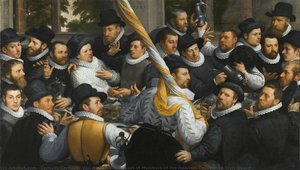
キャリアを通じて、ファン・ハールレムは彼の高まる評判と技術を示す数多くの依頼を受けました。彼の初期の重要な作品の一つである1583年のハールレム市民衛兵団の宴は、肖像画家としての才能と、印象的な詳細でグループダイナミクスを捉える能力を示しました。この作品とともに、その後の市民からの依頼により、彼の地位が地域社会内で確立され、信頼できる有能な芸術家として認められました。1588年から1590年のティタンの転落は、複雑な構成と物語の語りにおける彼の習熟度を示す壮大な神話的な場面です。これらの大規模な絵画は単なる技術的スキルの展示ではありませんでした。それらは市民の誇りと芸術的野心の表明でした。彼はハールレムの芸術コミュニティに深く関わり、ヘンドリック・ゴルチウスやカレル・ファン・マンダーと非公式な素描グループに参加しました—この集団はしばしば「ハールレム・マニエリスト」または「ハールレム・アカデミー」と呼ばれていました—そこでアイデアが交換され、新しい芸術的方向性が探求されました。永続的な遺産:フランツ・ハルスへの影響とそれ以降
コルネリス・ファン・ハールレムの影響は、彼自身の多作なアウトプットを超えて広がりました。彼は特にオランダ黄金時代の最も有名な肖像画家の一人であるフランツ・ハルスに大きな影響を与えたことで記憶されています。彼らの関係の正確な性質は学術的な議論の対象となっていますが、ファン・ハールレムが若い芸術家にとって重要な指導者であり、インスピレーションの源であったことは明らかです。彼の肖像画における個々の性格と心理的深みを捉えることへの重点は、ハルスの革新的な肖像画のアプローチ—自発性、活力、そして驚くべき個性表現を特徴とするアプローチ—の道を開いたと考えられます。ファン・ハールレムがハールレムの都市画家としての役割を果たしたことは、彼の芸術的ビジョンが地域の文化景観を形作り続けることを保証しました。彼の生徒にはサロモン・デ・ブライ、コルネリス・ヤコブズ・デルフ、ヘリット・ピーテルス・スウェーリンクが含まれ、その影響は次世代へと受け継がれています。彼の作品は現在、アムステルダムのライクスミュージアムやハールレムのフランツ・ハルス美術館など、著名な博物館コレクションに見られ、彼の芸術的貢献が世界中の観客を魅了し続けています。今日、ファン・ハールレムの世界を探求する
コルネリス・ファン・ハールレムの芸術の永続的な魅力は、さまざまなオンラインリソースを通じて容易にアクセスできます。ArtsDot.comのようなプラットフォームは彼の絵画の包括的なコレクションを提供し、愛好家が彼の作品の広さと深さを探求することを可能にします。詳細な伝記情報と批判的分析はWikipediaで見つけることができ、彼の芸術的発展と歴史的重要性を理解するための貴重な背景を提供します。ゲッティ美術館やナショナル・ギャラリーのウェブサイトも、コレクション内の特定の作品に関する洞察を提供しています。これらのデジタル手段を通じて、ファン・ハールレムの遺産は保存され、世界中の聴衆と共有され、この重要なオランダ黄金時代の先駆者がふさわしい評価を受け続けることが保証されています。彼の絵画は、芸術的革新と文化変革の時代を伝える強力な証拠であり続けています。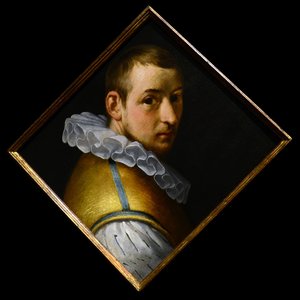
コルネリス・ファン・ハールレム
1562 - 1638 , オランダ
基本情報
- Artistic Movement Or Style: 北部マニエリスム
- Artists Or Movements Influenced By This Artist: ['フランツ・ハルス']
- Artists Who Influenced This Artist:
- ピーテル・ピーターズ
- ヒリス・コイネット
- Date Of Birth: 1562年
- Date Of Death: 1638年
- Full Name: コルネリス・コルネリウス・ファン・ハールレム
- Nationality: オランダ人
- Notable Artworks (List Of Titles):
- 宴会
- 巨人族の陥落
- Place Of Birth (City And Country): オランダ、ハーレム
関連記事

レンブラント傑作25選:光と影の巨匠、魂を揺さぶる名画の世界 | ArtsDot
レンブラントの傑作25選。光と影の魔術師が描いた魂を揺さぶる名画の世界へ。美術史に残る自画像、夜警、宗教画…ArtsDotで高品質なアートプリントやインテリアアートをお楽しみください。コレクションはこちら→
Cornelis van Poelenburch: Bridging Mannerism & the Dutch Baroque Landscape
Discover Cornelis van Poelenburch, a pivotal Dutch Baroque landscape painter bridging Mannerism & Italianate styles. Explore his life, key works, and lasting influence on 17th-century art with ArtsDot.
Adriaen van Ostade: A Master of Dutch Genre Painting & Social Commentary
Explore the life & work of Adriaen van Ostade, a leading Dutch Golden Age painter. Discover his realistic genre scenes, social commentary, and lasting influence on art history. Learn more at ArtsDot.
Jan van Goyen: Master of Dutch Landscape & Atmospheric Perspective
Discover Jan van Goyen, the master of Dutch landscape painting. Explore his subtle technique, atmospheric realism & lasting influence on art history. Learn about this 17th-century pioneer at ArtsDot.

Dutch Baroque Masters: 10 Paintings That Shaped an Era | ArtsDot
Journey through the Golden Age with our guide to the Top 10 Dutch Baroque masterpieces! Explore iconic paintings by Rembrandt, Vermeer & Frans Hals. Find museum-quality art reproductions and elevate your home decor at ArtsDot.com.

