

 プレビュー
プレビュー
 プリントを購入
 シェアする
シェアする シェアする
シェアする
 詳細を見る
詳細を見る

 ダウンロード
 似ている作品
 X線調査
X線調査 スライドショー
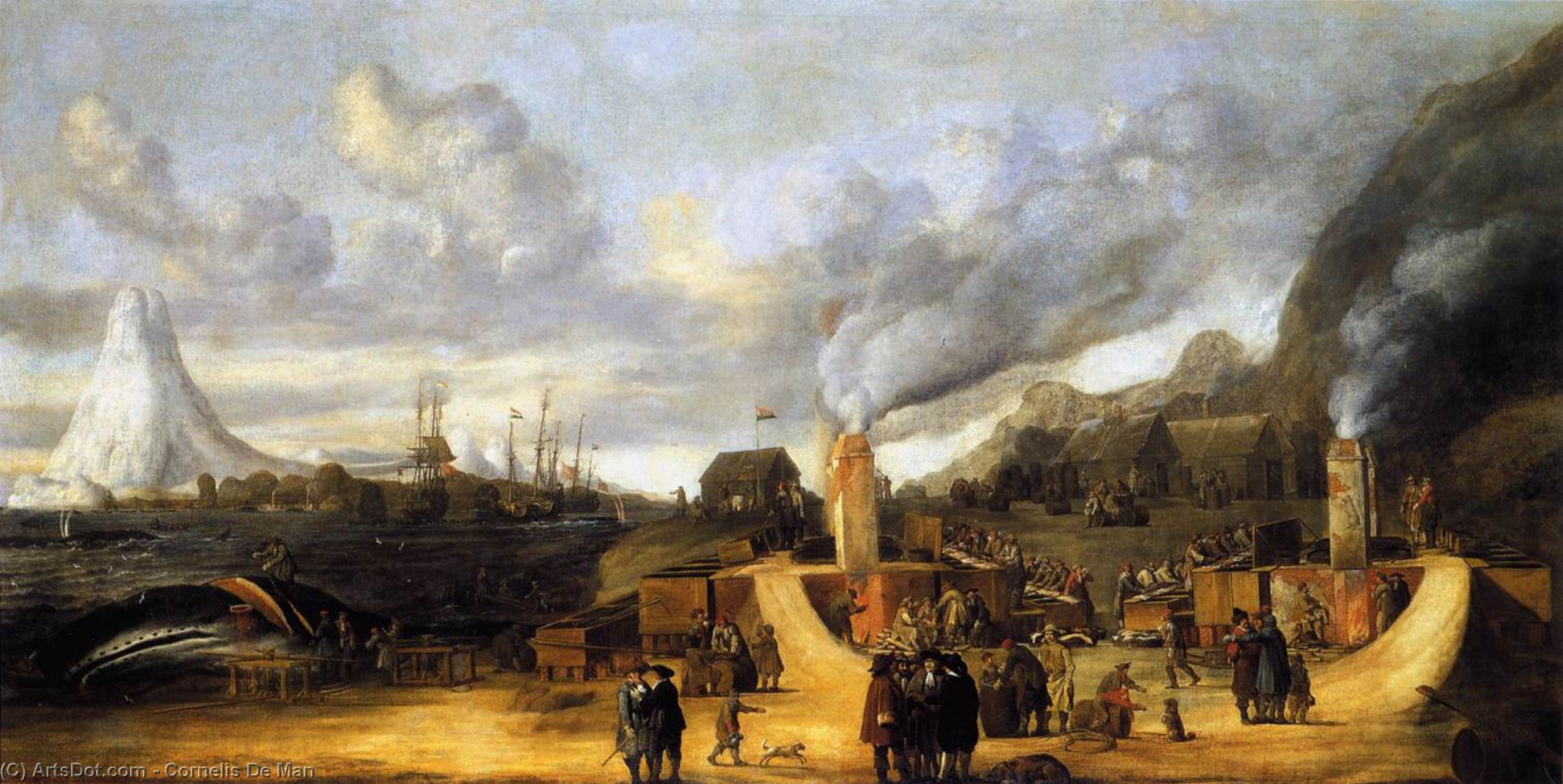
The Whale-oil Factory on Jan Mayen Island
 Oil On Canvas
- WallArt
- Northern Mannerism
 1639
1639- Early Modern
 108.0 x 205.0 cm
 国立美術館 (Rijksmuseum)
 詳細を見る
詳細を見る




P118B $10

P118H $10

P118W $10

P438Z $10

P508JH $12

P508YH $12

P805H $10

P805Z $10

P919BZ $10

P919G $10

P919XJ $10

P959ZH $10

P968JZ $12

W106C $8

W218G $10

W218JH $8

W218Y $10

W307PJ $10

W316G $10

W316PJ $8

W316Y $10

W398PJ $8

W4111J $10

W500HY $15

W500JH $15

W692G $12

W849H $8

W940BG $15

W953PJ $8




作品のオリジナル比率に合わせた、当店の規定サイズからお選びください。

特定のフレームやスペースに合わせて、ご希望のサイズをご入力いただけます。選択されたサイズが元の画像の比率と異なる場合、アートワークをトリミングするか、手描きで要素を追加して絵画を拡張いたします。デジタルモックアップ を制作し、制作開始前にご確認(承認)をいただきます。
画面上のプレビューは、実際のトリミングや拡張を正確に反映しているものではありません。最終的な構図は、モックアップによってのみ正確にご確認いただけます。
カスタムサイズもご利用いただけますが、元の比率を維持するためには、あらかじめ用意されたリストからサイズを選択することをお勧めいたします。
ご注文後、ArtsDot.com チームより詳細な指示をお送りするとともに、仕上がりイメージ(モックアップ)をご提供いたします。


 ガラスオプションは、110cm未満のサイズでのみご利用いただけます。

The Whale-oil Factory on Jan Mayen Island
複製技法
複製画のサイズ
-


合計金額
$ 263
作品解説
A Window into the Golden Age of Industry
In the vast, sweeping expanse of Cornelis de Man’s The Whale-oil Factory on Jan Mayen Island, we are transported to a pivotal moment in maritime history. Painted in 1639, this monumental oil on canvas serves as more than just a landscape; it is a breathtaking narrative of human industry and the raw, untamed spirit of the North Atlantic. The scene unfolds with a remarkable sense of scale, capturing the bustling activity of a whale-oil factory situated on the remote and rugged Jan Mayen Island. As the eye wanders across the canvas, one encounters a meticulously composed world where the rhythmic labor of workers meets the unpredictable elements of the sea. De Man masterfully orchestrates a composition that feels both intimate in its detail and epic in its scope, inviting the viewer to step into a period where the pursuit of precious resources drove the very heart of global commerce.
The technique employed by de Man is a testament to the brilliance of the Dutch Golden Age. Through a sophisticated manipulation of light and shadow, he breathes life into the heavy textures of the factory structures and the weathered skin of the laborers. The artist utilizes a vibrant yet grounded color palette, where the cool, misty tones of the Arctic atmosphere contrast sharply with the warm, earthy hues of the industrial activity. This interplay of light creates a palpable sense of depth, pulling the observer toward the distant horizon where boats bob upon the waves, suggesting the endless cycle of arrival and departure that defined these isolated outposts. For the discerning collector or interior designer, the painting offers a profound sense of movement and atmosphere, making it a commanding centerpiece for any space seeking to evoke a sense of history and grandeur.
Symbolism and the Spirit of Exploration
Beyond its surface-level depiction of labor, the artwork is rich with symbolic layers that speak to the era's fascination with discovery and the mastery of nature. The presence of the workers, scattered throughout the scene in various states of exertion, represents the collective human will to tame even the most inhospitable environments. There is a fascinating, almost surreal element in the inclusion of an elephant toward the left side of the composition—a detail that may serve as a whimsical nod to the far-reaching connections of global trade or perhaps a symbolic representation of the exotic wonders brought back to Europe through maritime conquest. This juxtaposition of the industrial and the extraordinary adds a layer of intrigue, challenging the viewer to contemplate the boundaries between reality and the imaginative reaches of 17'th-century exploration.
The emotional impact of the piece lies in its ability to evoke both awe and a sense of nostalgic melancholy. There is a certain loneliness in the vastness of the landscape, yet it is countered by the communal energy of the factory workers. To possess a high-quality reproduction of this masterpiece is to bring into one's home a fragment of a lost world—a piece of history that celebrates the grit, the bravery, and the industrious soul of an age defined by the horizon. Whether placed in a sophisticated gallery setting or as a focal point in a curated living space, The Whale-oil Factory on Jan Mayen Island continues to inspire wonder, serving as a timeless tribute to the enduring human saga of exploration and survival.
関連作品


アーティストの略歴
The Legacy of Cornelis de Man: A Master of Northern Mannerism
In the vibrant tapestry of the Dutch Golden Age, few threads are as intricately woven as those left by Cornelis de Man. Born in the historic city of Haarlem around 1562, De Man emerged during a transformative era when the rigid structures of the late Renaissance were beginning to soften into the expressive fluidity of Northern Mannerism. As a pivotal figure of his time, he acted as a vital bridge between the classical ideals of the past and the burgeoning realism that would later define the works of masters like Frans Hals. His life and artistry represent a profound dialogue between the disciplined techniques of the Flemish tradition and a uniquely Dutch sensibility for capturing the soul within the subject.
The foundation of De Man’s extraordinary skill was laid through a rigorous and diverse apprenticeship. His early years in Haarlem were spent under the watchful eye of Pieter Pietersz, an artist whose mastery of landscape and portraiture provided De Man with a fundamental understanding of naturalism. However, it was his subsequent journey to Antwerp that truly expanded his artistic horizons. By studying under Gillis Coignet, De Man immersed himself in the sophisticated world of Flemish Mannerism. This period of intense training allowed him to absorb complex compositional structures and a refined approach to pigment handling, blending the architectural precision of the Southern Netherlands with the atmospheric depth characteristic of the Northern tradition.
Artistic Vision and Technical Mastery
To observe a work by Cornelis de Man is to witness a masterful manipulation of light, shadow, and texture. His style is defined by an exquisite balance between realism and mannerist elegance. While he drew inspiration from the idealized forms of the Italian Renaissance, De Man eschewed hollow perfection in favor of an unflinching honesty. He possessed a rare ability to capture the subtle nuances of human emotion—the slight furrow of a brow, the quiet intensity of a gaze, or the delicate tension in a hand—thereby imbuing his portraits and genre scenes with a profound psychological depth.
His technical repertoire was remarkably versatile, allowing him to navigate various thematic territories with ease:
- Portraiture: His ability to render the dignity and character of his sitters made him a sought-after painter for the burgeoning merchant class.
- Genre Scenes: De Man excelled in depicting intimate domestic moments, where light filters through windows to illuminate the quiet beauty of everyday life.
- Biblical Narratives: He utilized complex iconography to breathe life into religious themes, such as his monumental work The Baptism of Christ, treating sacred subjects with a humanized, accessible grace.
Historical Significance and Enduring Influence
The historical importance of Cornelis de Man lies not only in the beauty of his individual canvases but in his role as a precursor to the great Dutch masters of the 17th century. He helped cultivate an artistic language that prioritized the observation of nature and the emotional resonance of the human condition. His work served as a vital link in the evolution of Northern European art, moving away from the stylized distortions of late Mannerism toward the luminous realism of the Baroque period.
Though time has occasionally obscured the names of many artists from this era, De Man’s contribution remains etched in the development of the Haarlem School. His dedication to meticulous detail and his ability to harmonize vibrant color palettes with dramatic chiaroscuro ensured that his legacy would endure. Today, as we reflect on the transition from the Renaissance to the Golden Age, Cornelis de Man stands as a testament to the enduring power of an artist who could capture both the grandeur of the divine and the intimate truth of the human spirit.
Cornelis de Man
1562 - 1638 , Netherlands
基本情報
- Artistic Movement Or Style: Northern Mannerism
- Artists Or Movements Influenced By This Artist: ['Frans Hals']
- Artists Who Influenced This Artist:
- Pieter Pietersz
- Gillis Coignet
- Date Of Birth: 1562
- Full Name: Cornelis de Man
- Nationality: Dutch
- Notable Artworks:
- Baptism of Christ
- Massacre of the Innocents
- Wedding of Peleus and Thetis
- Place Of Birth: Haarlem, Netherlands
関連記事
Jan Steen: A Master of Dutch Genre Painting & the Golden Age
Explore the life & art of Jan Steen, a leading Dutch Golden Age painter renowned for his humorous genre scenes & insightful social commentary. Discover his techniques, legacy, and collecting tips.

Oil on Canvas: A Historical & Technical Exploration of a Timeless Artistic Medium
Explore the rich history & enduring techniques of oil painting on canvas. Discover the science behind its longevity, conservation practices, and contemporary relevance. Expert insights for art enthusiasts.

The Enduring Legacy of Oil on Canvas: Technique, History & Aesthetic Impact
Explore the rich history & techniques of oil painting – from Renaissance masters to Impressionism. Discover pigments, layering methods, and why this timeless medium endures. Expert insights for artists & art enthusiasts.
Jan van Goyen: Master of Dutch Landscape & Atmospheric Perspective
Discover Jan van Goyen, the master of Dutch landscape painting. Explore his subtle technique, atmospheric realism & lasting influence on art history. Learn about this 17th-century pioneer at ArtsDot.

The Enduring Power of Painting: A Historical & Contemporary Exploration of Form and Emotion
Explore the rich history & enduring techniques of oil painting with ArtsDot. Discover masterpieces, learn about art collecting, and find authentic handmade reproductions crafted by skilled artists.

