

 プレビュー
プレビュー
 シェアする
シェアする シェアする
シェアする
 詳細を見る
詳細を見る

 ダウンロード
 似ている作品
 X線調査
X線調査 スライドショー
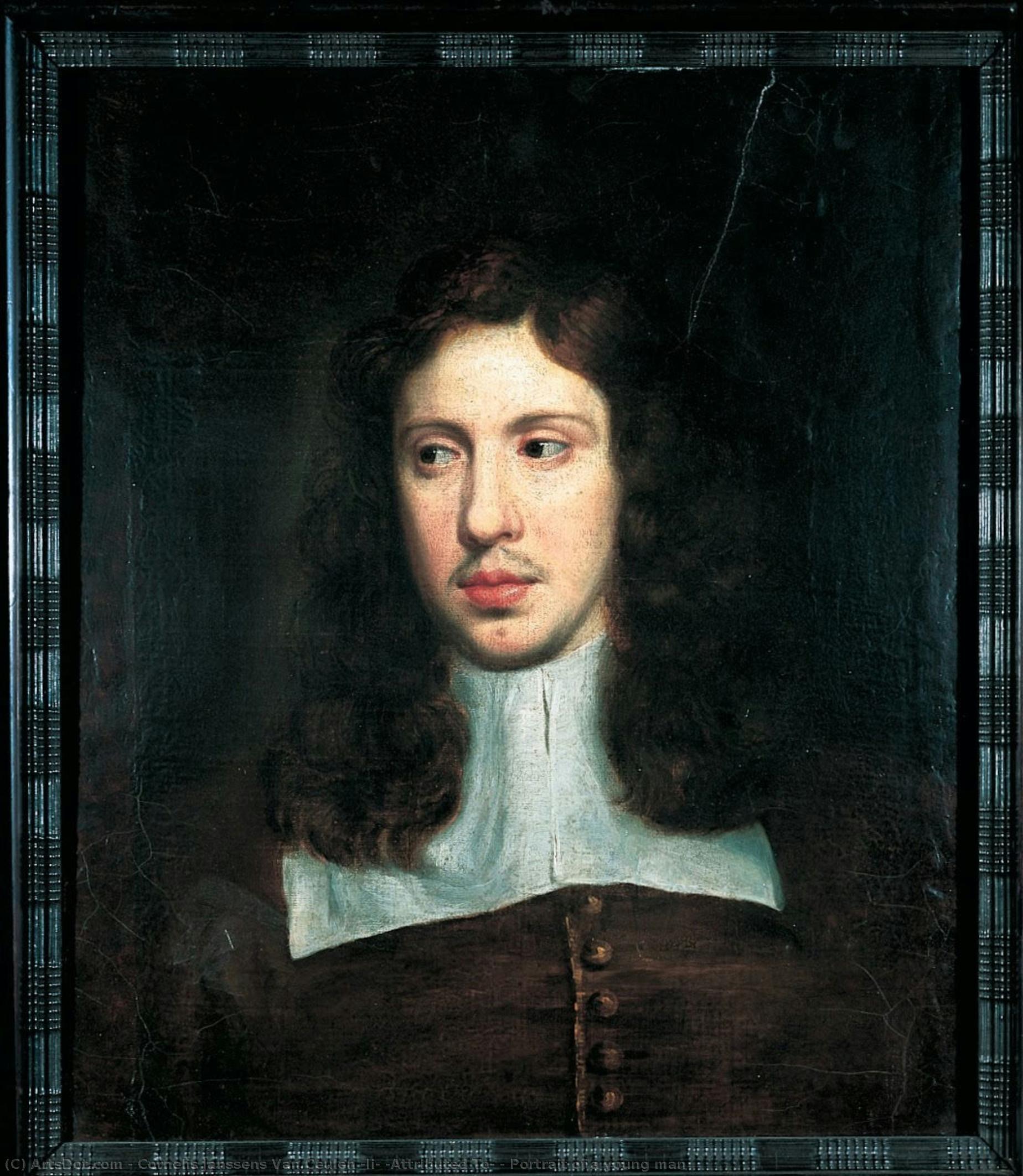
Portrait of a young man


Cornelis Janssens van Ceulen (1593-1661) was a prominent Anglo-Dutch Baroque portraitist known for detailed depictions of English gentry and distinctive oval portraits. His work offers a fascinating glimpse into 17th-century society and style.
 詳細を見る
詳細を見る
ジークレー/アートプリント
迅速な制作と多彩な仕上げオプションを備えた、ミュージアムクオリティのジークレーまたはキャンバスプリント。 ( 手描きの絵画を購入 画像を購入)




































標準サイズ
オーダーメイド
CM
INCH
作品のオリジナル比率に合わせた、当店の規定サイズからお選びください。
Loading sizes...

幅
高さ
特定のフレームやスペースに合わせて、ご自身でサイズを指定することも可能です。選択されたサイズが元の画像の比率と一致しない場合、作品をトリミングするか、鏡面反射または単色での塗りつぶしによって画像を拡張いたします。制作を開始する前に、ご確認用のデジタルモックアップをお送りいたします。
画面上のプレビューには、実際のトリミングや拡張は反映されませんのでご注意ください。最終的な構図を正確に確認できるのは、モックアップのみとなります。
カスタムサイズも承っておりますが、元の比率を維持するためには、あらかじめ用意されたリストからサイズを選択することをお勧めいたします。


 ガラスオプションは、110cm未満のサイズでのみご利用いただけます。

Portrait of a young man
ジークレー/アートプリント
複製画のサイズ
-


合計金額
$ 62
関連作品








アーティストの略歴
A Life Bridging Two Worlds: Cornelis Janssens van Ceulen
Cornelis Janssens van Ceulen, a name appearing in various forms – Cornelius Johnson, Jonson, and others – represents a fascinating intersection of Anglo-Dutch artistic currents in the 17th century. Born in London before October 14, 1593, to parents who had fled religious persecution in Antwerp, Janssens embodied a cultural exchange that profoundly shaped his career and artistic style. His family’s roots traced back further, to Cologne, creating a lineage steeped in Northern European artistry. This heritage instilled within him a meticulous attention to detail and a dedication to portraiture that would become his hallmark. While the precise details of his early training remain somewhat elusive, it is believed he received foundational instruction within the Netherlands before establishing himself as a prominent painter in London around 1618.The Rise of an English Portraitist
Janssens quickly distinguished himself in the burgeoning art scene of Jacobean and Caroline England. He was among the first English-born painters to consistently sign and date his works, a practice that provides valuable insight into the sheer volume of portraits he produced – numbering several hundred throughout his career. This prolific output speaks not only to his skill but also to the growing demand for portraiture amongst the emerging gentry. Janssens catered to this new clientele, capturing their likenesses with an emphasis on clothing and status symbols. His early works often featured oval panel paintings framed within “fictive” ovals, a stylistic choice that added a layer of sophistication and elegance to his compositions. He wasn’t merely recording faces; he was documenting a society in transition, preserving the aspirations and identities of those ascending the social ladder.A Style Forged Through Observation and Adaptation
While Janssens possessed undeniable talent, he lacked the pronounced flair often associated with masters like Anthony van Dyck. However, this did not hinder his success; rather, it allowed him to develop a uniquely adaptable style. He demonstrated an impressive ability to assimilate new influences without sacrificing his own artistic voice. Throughout his career, his technique evolved, reflecting a keen awareness of contemporary trends and a willingness to experiment. His portraits are characterized by their accuracy and meticulous rendering of textures, particularly fabrics – a testament to the importance placed on outward appearance during this period. Janssens’s ability to blend influences from Dutch realism with English sensibilities created a distinctive aesthetic that resonated with his patrons.Navigating Political Turmoil and Artistic Legacy
The turbulent years of the English Civil War prompted Janssens to seek refuge in Middelburg, Netherlands, around 1643. This relocation marked a shift in his artistic focus, though he continued to paint portraits. He later resided in Amsterdam (between 1646 and 1652) before settling in Utrecht, where he passed away on August 5, 1661. Despite the political upheaval that punctuated his life, Janssens maintained a consistent presence in the art world. His works can be found in major collections across the UK and internationally, as well as adorning the stately homes of Britain. He left behind a substantial body of work—a testament to his dedication and skill.Historical Significance and Enduring Appeal
Cornelis Janssens van Ceulen’s significance lies not only in the quantity of portraits he created but also in what those portraits reveal about English society during a period of profound change. He documented the rise of the gentry, capturing their aspirations and social standing with remarkable detail. His consistent signing of his works provides invaluable historical information, allowing art historians to trace his career and understand the evolution of portraiture in 17th-century England. His portraits offer a glimpse into the lives of those who shaped the era, providing a visual record of fashion, status, and individual identity. Janssens’s legacy endures as a bridge between Anglo-Dutch artistic traditions, a testament to his skill, adaptability, and enduring appeal. He remains a captivating figure in the history of portraiture, whose works continue to fascinate and inform our understanding of the past.
基本情報
- Artistic Movement Or Style: Baroque portraiture
- Date Of Death: Living
- Full Name: Cornelis Janssens van Ceulen II
- Nationality: Anglo-Dutch
- Notable Artworks:
- Portrait of Johan Servaes van Limburg
- Portrait of Cornelia Craen van Haeften
- Portrait of a young man
- Place Of Birth: London, England

