

 プレビュー
プレビュー
 プリントを購入
 シェアする
シェアする シェアする
シェアする
 詳細を見る
詳細を見る

 ダウンロード
 似ている作品
 X線調査
X線調査 スライドショー
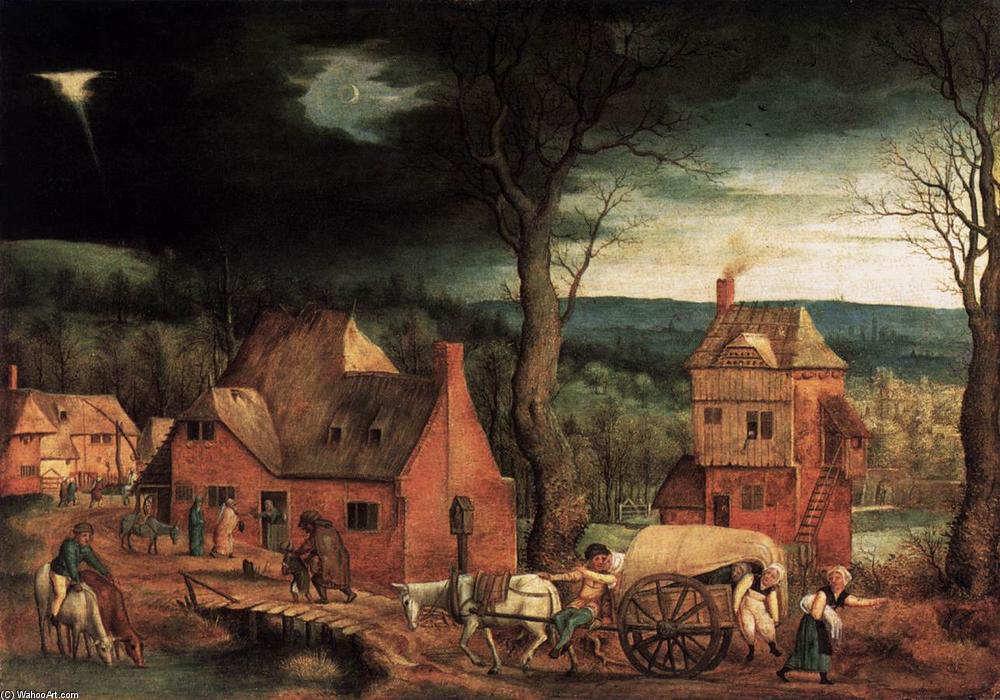
Arrival of the Holy Family in Bethlehem
 Oil On Panel
- Northern Renaissance
 1543
1543 27.0 x 38.0 cm
 国立博物館群
 詳細を見る
詳細を見る
オンラインプレビューをはるかに凌ぐ、高解像度で鮮明なデジタル画像をご購入いただけます。
各ファイルは、社内の専門家が高度なツールと熟練した手作業によるレタッチを用いて、細心の注意を払って準備されています。すべての画像において、卓越した鮮明度、正確な色彩再現性、そして繊細なディテールを保証いたします。
最終ファイルは、プロフェッショナルな編集・印刷環境ですぐにご利用いただけるよう最適化された状態で、72時間以内にメールにてお届けいたします。これは、一流のデザインスタジオ、出版社、ギャラリーから信頼されているものと同等の品質です。
デジタル画像のご注文に付随する特典
高品質なデジタル画像配信を、確かな品質で。
ArtsDot.com を選ぶことは、単に画像を手に入れることではありません。それは、プロの手によって精密に仕上げられ、満足保証が付いた高品質なデジタルアートワークを受け取ることを意味します。ご注文いただいた際に自動的に付随する内容は、以下の通りです:

メールですぐにお届け
ご注文から72時間以内に、高解像度のデジタル画像ファイルがメールでお手元に届きます。すぐにそのままご利用いただけます。

AI技術で最適化されたデジタルファイル
お客様の作品は、高度なAIツールと専門家による手作業の編集を組み合わせてプロフェッショナルに最適化されており、細部のディテール、鮮明さ、そして正確な色再現性を最大限に引き出しています。

一生涯無料の再送サービス
ファイルを誤って削除したり、紛失してしまったりしましたか?ご安心ください。いつでも無料で再送いたします。

輸入手数料は一切かかりません
関税や手数料、配送料を気にすることなく、お気に入りのアートワークをすぐにお楽しみいただけます。デジタルダウンロードは常に免税です。

色彩再現の保証
プロ仕様のツールとカラーマネジメント技術を用いることで、デジタル画像が元の色を最大限に忠実に再現することを保証いたします。

60日間満足保証
ご購入いただいたデジタル画像にご満足いただけない場合は、60日以内であれば、修正または100%の返金(理由を問う必要はありません)をさせていただきます。

100% 返金保証
ご満足いただけない場合は、デジタルファイルを受け取ってから60日以内であれば、理由を問わず全額返金いたします。

まとめ買い割引
3枚購入で10%OFF - 5枚購入で15%OFF - 10枚以上購入で20%OFF。クリエイティブなプロジェクト、ギャラリー、エージェンシーに最適です。
作品の詳細
A Moment Frozen in Time: The Arrival of the Holy Family
Cornelis Massys’s “Arrival of the Holy Family in Bethlehem,” painted in 1543, isn't merely a depiction of a biblical scene; it’s a meticulously crafted tableau brimming with quiet drama and profound symbolism. This oil-on-panel work, currently residing within the Staatliche Museen in Berlin, offers a rare glimpse into the burgeoning realism of the Northern Renaissance – a style that sought to capture not just outward appearances but also the very essence of human experience. Massys, a pivotal figure bridging the expressive landscapes of his predecessor, Quinten Metsys, with the emerging naturalism of his contemporaries, masterfully utilizes light, shadow, and carefully rendered detail to transport us to this humble village in Judea.
The painting immediately draws the eye to the central figures: Mary, Joseph, and the infant Jesus. They are not grand or imposing; instead, they appear weary and vulnerable, seeking shelter from a biting winter storm. The scene unfolds beneath a dramatic, swirling sky – a hallmark of Northern Renaissance art that imbues the work with an almost apocalyptic intensity. The villagers, rendered with remarkable attention to individual features, contribute to the sense of bustling activity, yet none seem particularly concerned with the holy family’s plight; they are absorbed in their own routines, highlighting the contrast between divine grace and everyday life.
A Symphony of Light and Shadow – Technique and Style
Massys's technical prowess is immediately evident. He employs a masterful understanding of oil painting techniques to create an astonishingly realistic portrayal of texture and light. The rough-hewn walls of the buildings, the folds in Mary’s cloak, and the weathered faces of the villagers are all rendered with painstaking detail. The artist’s use of chiaroscuro – the dramatic contrast between light and dark – is particularly striking, creating a sense of depth and volume that draws the viewer into the scene. The celestial body visible in the upper right corner, often interpreted as a comet or meteorite, adds an element of mystery and wonder, suggesting a connection between the earthly realm and the divine.
The painting’s style firmly places it within the Northern Renaissance tradition, yet Massys departs from the purely fantastical landscapes favored by his predecessor. While echoes of Joachim Patinir's atmospheric vistas are present in the distant hills, Massys grounds the scene in a more tangible reality. He introduces a level of psychological depth rarely seen in earlier works, capturing not just the appearance but also the emotional state of the figures – their weariness, hope, and vulnerability.
Historical Context: Faith, Family, and the Dawn of Realism
“Arrival of the Holy Family” was painted during a period of significant social and religious change. The rise of humanism encouraged a renewed interest in classical antiquity and a more critical examination of established beliefs. Simultaneously, artists like Massys were pushing the boundaries of realism, seeking to capture the complexities of human experience with unprecedented accuracy. The painting’s depiction of a humble family seeking refuge underscores themes of faith, compassion, and the importance of community – values that resonated deeply within the Northern Renaissance worldview.
Furthermore, the scene itself is rich in symbolism. The arrival of the Holy Family in Bethlehem marks the beginning of Christianity, yet Massys doesn’t present this event as a triumphant spectacle. Instead, he portrays it as a quiet, almost understated moment – a testament to the enduring power of faith and family amidst adversity. The painting's setting, a small village under a stormy sky, reflects the challenges faced by ordinary people during that era.
A Legacy Enduring: Reproduction and Inspiration
Today, “Arrival of the Holy Family in Bethlehem” stands as a testament to Cornelis Massys’s artistic genius. ArtsDot offers high-quality reproductions of this iconic masterpiece, allowing art lovers to bring its beauty and profound symbolism into their homes or offices. Whether you are an avid collector, an interior designer seeking to create a contemplative space, or simply someone who appreciates the power of art to evoke emotion and inspire reflection, this painting remains a timeless treasure.
関連作品
作家の略歴
Cornelis Massys: A Pioneer of Realism in the Northern Renaissance
Cornelis Massys, born in Antwerp around 1510 and tragically lost to history sometime before 1556, stands as a pivotal figure bridging the fantastical landscapes of Joachim Patinir with the burgeoning realism that would define later Netherlandish painting. Often overshadowed by his more famous brother, Jan Massys, Cornelis carved out a unique artistic identity through his unsettling genre scenes, meticulous animal studies, and early contributions to printmaking – establishing himself as a crucial innovator in the transition between stylistic epochs.
His early life was deeply intertwined with the vibrant artistic community of Antwerp. Trained under his father, Quinten Matsys, a leading figure in the city’s guild, Cornelis initially followed in his father's footsteps, mastering the techniques of portraiture and religious painting. However, unlike his brother who remained firmly rooted in traditional Flemish styles, Cornelis demonstrated an early inclination towards exploring new approaches to representation. This manifested first through his engagement with printmaking – a skill he diligently honed, producing intricate engravings that showcased both technical proficiency and a nascent interest in capturing the nuances of everyday life.
The Landscape as a Starting Point
Cornelis Massys’s most enduring legacy rests upon his pioneering work in landscape painting. Initially, his landscapes were deeply influenced by Patinir – characterized by their dreamlike quality, intricate details, and allegorical narratives. Works like “Landscape with the Flight to Egypt” (c. 1538) demonstrate this early phase perfectly: a meticulously rendered vista populated with symbolic figures, evoking a sense of otherworldly beauty. Yet, even within this established framework, Massys subtly introduced elements of observation and atmospheric perspective – hinting at a shift towards a more naturalistic approach.
Crucially, Massys’s landscapes weren't merely decorative backgrounds; they served as the foundation for his explorations into genre scenes. He began to integrate human figures into these meticulously constructed environments, creating unsettling juxtapositions between idealized nature and the realities of human existence. This marked a departure from the purely symbolic landscapes of Patinir and paved the way for the development of ‘pure landscapes’ – characterized by their focus on depicting the natural world without narrative or allegorical content – that would emerge in subsequent generations.
Genre Scenes and Moralizing Prints
As his career progressed, Massys increasingly focused on genre scenes—paintings depicting everyday life. These works are often imbued with a sense of unease and moral ambiguity. His “Brothel” (c. 1538-1540), an engraving, is perhaps the most striking example: a chaotic depiction of revelry and indulgence, rendered in stark detail that exposes the corruption and moral decay beneath the surface. These prints weren’t simply illustrations; they were deliberate commentaries on societal values, reflecting the anxieties and concerns of the era.
Massys's engagement with printmaking extended beyond mere illustration. He skillfully copied works by Italian masters like Marcantonio Raimondi and Parmigianino, adapting their techniques to his own style. Furthermore, he produced a series of engravings depicting biblical stories and moralizing scenes – demonstrating a keen understanding of the power of visual narrative to convey ethical lessons.
A Legacy of Realism and Innovation
Cornelis Massys’s artistic journey represents a crucial transition in the history of Northern Renaissance art. He wasn't merely a follower of his father; he was an innovator who pushed the boundaries of representation, introducing elements of realism, atmospheric perspective, and psychological depth into his work. His landscapes served as a springboard for his genre scenes, which, in turn, challenged conventional notions of beauty and morality.
While his output remains relatively modest compared to some of his contemporaries, Massys’s influence is undeniable. He laid the groundwork for subsequent generations of landscape painters – including artists like Pieter Bruegel the Elder – who would build upon his innovations and further develop the genre. His legacy endures not only in his surviving paintings and prints but also in his pioneering spirit and his willingness to challenge artistic conventions, solidifying his place as a significant, albeit often overlooked, figure in the development of Western art.
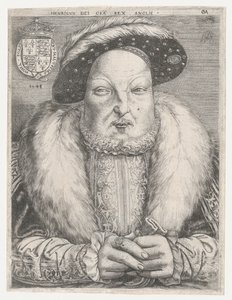
cornelis massys
1510 - 1556 , Belgium
プロフィール概要
- Artistic Movement Or Style: Early Netherlandish
- Artists Or Movements Influenced By This Artist: ['Later Netherlandish landscape painting']
- Artists Who Influenced This Artist:
- Joachim Patinir
- Quentin Massys
- Date Of Birth: 1510, Antwerp
- Date Of Death: c. 1556, unknown
- Full Name: Cornelis Massys
- Nationality: Flemish
- Notable Artworks:
- Parable of the Prodigal Son
- Landscape with the Flight to Egypt
- Brothel
- Arrival of the Holy Family
- Place Of Birth: Antwerp, Belgium

