

 プレビュー
プレビュー
 プリントを購入
 シェアする
シェアする シェアする
シェアする
 詳細を見る
詳細を見る

 ダウンロード
 似ている作品
 X線調査
X線調査 スライドショー
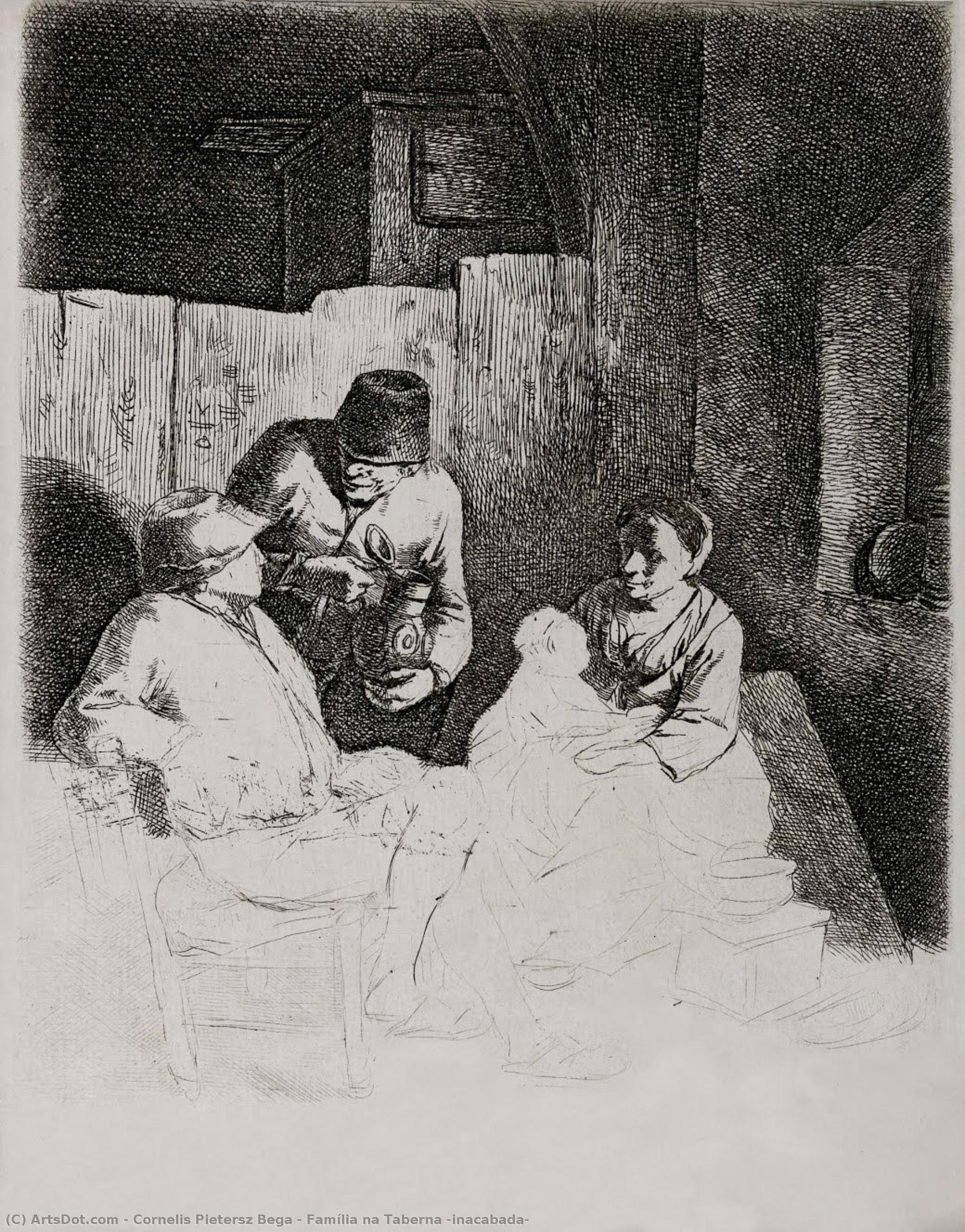
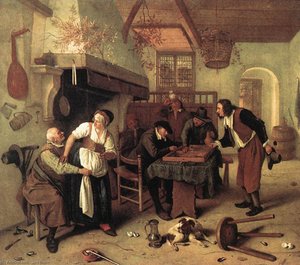
Família na Taberna (inacabada)
 Engraving
- Dutch Golden Age painting
 1660
1660 1.0 x 32.0 cm
 Itaú Cultural Institute
 詳細を見る
詳細を見る




P118B $10

P118H $10

P118W $10

P438Z $10

P508JH $12

P508YH $12

P805H $10

P805Z $10

P919BZ $10

P919G $10

P919XJ $10

P959ZH $10

P968JZ $12

W106C $8

W218G $10

W218JH $8

W218Y $10

W307PJ $10

W316G $10

W316PJ $8

W316Y $10

W398PJ $8

W4111J $10

W500HY $15

W500JH $15

W692G $12

W849H $8

W940BG $15

W953PJ $8




作品のオリジナル比率に合わせた、当店の規定サイズからお選びください。

特定のフレームやスペースに合わせて、ご希望のサイズをご入力いただけます。選択されたサイズが元の画像の比率と異なる場合、アートワークをトリミングするか、手描きで要素を追加して絵画を拡張いたします。デジタルモックアップ を制作し、制作開始前にご確認(承認)をいただきます。
画面上のプレビューは、実際のトリミングや拡張を正確に反映しているものではありません。最終的な構図は、モックアップによってのみ正確にご確認いただけます。
カスタムサイズもご利用いただけますが、元の比率を維持するためには、あらかじめ用意されたリストからサイズを選択することをお勧めいたします。
ご注文後、ArtsDot.com チームより詳細な指示をお送りするとともに、仕上がりイメージ(モックアップ)をご提供いたします。


 ガラスオプションは、110cm未満のサイズでのみご利用いただけます。

Família na Taberna (inacabada)
複製技法
複製画のサイズ
-


合計金額
$ 313
作品解説
A Glimpse of Domesticity: Cornelis Bega’s “Família na Taberna”
Cornelis Pietersz Bega's "Família na Taberna" (Incomplete Family in the Tavern), painted around 1660, offers a remarkably intimate window into the everyday life of 17th-century Holland. More than just a depiction of a tavern scene, it’s a carefully constructed tableau brimming with quiet observation and subtle emotional resonance – a testament to Bega's skill as a genre painter capturing the nuances of domesticity. The artwork, rendered in meticulous etching or engraving, immediately draws the viewer into a dimly lit interior where a family gathers around a sturdy wooden table, their faces illuminated by an unseen light source. The scene unfolds with a remarkable sense of realism, yet it’s imbued with a gentle melancholy that speaks to the complexities of familial bonds and the transient nature of social gatherings.Composition and Technique: Lines as Language
Bega's mastery lies in his masterful use of line – a defining characteristic of Dutch Golden Age art. The image is built entirely upon hatching, cross-hatching, and fine lines that meticulously define the forms of the figures, furniture, and architectural elements. There’s no reliance on color; instead, variations in line density create an astonishing range of tonal values, simulating light and shadow with remarkable precision. Notice how the deep shadows cast by the table and walls contribute to a sense of enclosure and intimacy, while the lighter areas suggest warmth and illumination. The flattened perspective, deliberately eschewing dramatic spatial recession, focuses attention on the immediate scene – inviting us to become silent observers within this domestic tableau. The meticulous detail in rendering fabrics—the folds of clothing, the texture of the table’s surface—demonstrates Bega's dedication to capturing the tangible realities of everyday life.Symbolism and Emotional Resonance: A Portrait of Family
Beyond its technical brilliance, “Família na Taberna” is rich in symbolic meaning. The scene depicts an older man, likely the patriarch, seated at the head of the table, his gaze directed outwards – perhaps contemplating the past or considering the future. A younger man stands beside him, possibly a son, suggesting a transition of roles and responsibilities. A woman, holding a baby, occupies a central position, embodying domesticity and continuity. The presence of the infant is particularly poignant, symbolizing hope for the family’s future and reinforcing the importance of lineage. While the tavern setting suggests a public space, the intimate arrangement of the figures hints at a private moment – a shared meal, a quiet conversation, or simply a comfortable companionship. The overall mood isn't boisterous or celebratory; rather, it evokes a sense of understated contentment—a quiet appreciation for the simple pleasures of family life.Historical Context and Artistic Influences
Bega’s work is firmly rooted in the traditions of 17th-century Dutch genre painting, a movement that flourished during the Golden Age. He was deeply influenced by artists like Adriaen van Ostade, known for his depictions of peasant life and scenes of everyday hardship. Like Van Ostade, Bega captured the realities of working-class society with honesty and empathy. However, Bega’s work possesses a greater degree of refinement and psychological depth than many of his contemporaries. His meticulous attention to detail and his subtle exploration of human emotion distinguish him as a significant figure in Dutch art history. Born into a family connected to the artistic world – his mother was the illegitimate daughter of the renowned Haarlem painter Cornelis van Haarlem – Bega’s work reflects both a deep understanding of artistic techniques and a keen observation of human nature.A Timeless Reflection: Reproduction and Beyond
“Família na Taberna” remains a captivating artwork, offering a poignant glimpse into the lives of ordinary people in 17th-century Holland. Today, high-quality reproductions allow us to appreciate Bega’s artistry and immerse ourselves in this intimate scene. ArtsDot offers meticulously crafted prints that faithfully capture the nuances of the original etching or engraving, ensuring that this timeless reflection of domesticity continues to resonate with viewers for generations to come. Consider adding this evocative artwork to your home – a subtle reminder of the enduring power of family, community, and the beauty found in everyday moments.関連作品


アーティストの略歴
オランダ風俗画に捧げられた生涯
オランダ黄金時代の鮮やかなタペストリーの中に、静かに、しかし力強く響き渡る名、コルネリス・ピエテルス・ベハ。彼はその短い生涯を、17世紀オランダの親密な日常の一瞬を捉えることに捧げた画家でした。1630年頃(記録によっては1631年または1632年)にハールレムで生まれたベハは、芸術への情熱が深く根付いた家庭に育ちました。父ピーター・ヤンス・ベイインは熟練した彫刻家であり金細工師でもあり、その手仕事の精神は家庭内に確かな職人としての基礎をもたらしました。しかし、若きコルネリスの血統に、より興味深い彩りを添えたのは母の系譜でした。母マリアは、ハールレムの名高い画家コルネリス・ファン・ハールレムの庶子であったのです。この家族の繋がりは、間違いなく彼に視覚芸術への早期の審美眼を養わせ、プロとしてのキャリアを歩み始める際に「ベハ」という名を採用したことにも影響を与えたのかもしれません。彼が生まれた世界は、芸術的な革新に満筆しており、オランダの画家たちが風俗画を再定義し、かつてないほどの写実性と感情の深みに到達しようとしていた時代でした。修行と芸術的発展
ベハの正式な修行は、農民の生活や日常の情景を描く巨匠として知られるアドリアーン・ファン・オスターデの指導の下で始まりました。ファン・オスターデの影響は、ベハの初期作品にすぐさま見て取ることができます。両者は、庶民の営み――その労働、休息、そして質素な場での交流――を描き出すことに共通の魅力を感じていました。しかし、師への深い敬意を抱きつつも、ベハは単なる模倣者に留まりませんでした。彼は次第に、洗練された構図感覚と、人物の性格を捉える繊細な理解を特徴とする独自のスタイルを確立していったのです。ファン・オスターデがしばしば情景に道徳的な含みを持たせたのに対し、ベハはより観察的なアプローチを好み、過度な判断を下すことなく、ありのままの人生を提示しようとしました。この視点の微妙な変化こそが、彼の作品に驚くほど親密で、見る者の心に寄り添うような感覚をもたらしたのです。また、師からの直接的な影響に加え、創造的なエネルギーに満ち、多くの才能ある画家たちが集ったハールレルギーの広範な芸術的風土も、ベハの芸術的発展を形作る大きな要因となりました。酒場を超えて:広がりゆく芸術の地平
ベハは、オランダ黄金時代に絶大な人気を博した「風俗画」、すなわち日常の情景を描くジャンルを専門としました。彼のキャンバスには、活気あふれる酒場の風景や、会話やゲームに興じ、あるいはただ束の間の休息を楽しむ人々で賑わう室内が頻繁に描かれました。これらの作品は、17世紀オランダの社会構造を覗き見る貴重な窓となり、当時の衣服、習俗、娯楽の詳細を私たちに伝えてくれます。しかし、ベハの芸術的な好奇心は、こうした伝統的な主題に留まりませんでした。彼は、錬金術師が作業に没頭する姿――彼の魅惑的な傑作「錬金術師」に象徴されるように――や、宇宙の神秘を覗き込もうとする占星術師といった、より珍しいテーマにも探求の眼差しを向けました。こうした一風変わったモチーフは、彼の実験精神と、当時の知的な潮流に対する深い関心を示しています。そのパレットは、豊かな茶色、灰色、オーカー(黄土色)といった温かみのあるアースカラーを好んで用い、見る者を情景の核心へと引き込むような、親密さと写実性に満ちた空気感を作り出しました。巧みな光と影の使い方は、奥行きと臨場感をさらに高め、描かれた主題に驚くべき鮮明さで命を吹き込んでいたのです。ヨーロッパへの旅と悲劇的な終焉
1653年から1654年にかけて、ベハはディルク・ヘルムブレカー、ヴィンセント・ファン・デル・フィンネ、ギラム・デュボワといった同時代の画家たちと共に、ドイツ、スイス、フランスを巡る野心的な「グランドツアー」へと出発しました。この旅の記録はファン・デル・フィンの日記に細かく記されており、彼らが旅の途上で出会った芸術的景観を知るための極めて魅力的な資料となっています。異なる芸術様式や文化的影響に触れたことは、間違いなくベハの視野を広げ、進化し続ける彼の芸術的ビジョンに寄与しました。ハールレムへの帰還後、1654年には聖ルカ組合への入会が認められ、プロの画家としての地位を確固たるものにする重要な節目を迎えました。しかし悲劇は、ベハの前途有望なキャリアを突如として断ち切りました。彼は1664年、わずか32歳か33歳という若さで、おそらく当時ヨーロッパを襲った疫病によってこの世を去りました。彼は祖父コルネリス・ファン・ハールレムと共に家族の墓に葬られました。それは、世代を超えて結びついた不朽の芸術的遺産を物語る、切なくも美しい証なのです。遺産と永遠の印象
同時代の他の画家たちほど広く名声を得たわけではありませんが、コルネリス・ピエテルス・ベハはオランダ黄金時代絵画の歴史において重要な地位を占めています。彼の作品は、その躍動感あふれる構図、写実的な農民生活の描写、そして親密な空気感によって高く評価されています。彼は日常の瞬間から本質を捉え、ありふれた情景を魅力的な物語へと変貌させる驚くべき才能を持っていました。ベハの絵画は、17世紀オランダ社会への貴重な洞察を与えてくれます。それは、壮大な歴史画や宗教画には滅多に登場することのない人々の暮らしを、私たちに見せてくれる窓なのです。彼の遺産は、その芸術の永続的な魅力と、見る者を過ぎ去った時代へと誘い、オランダ黄金時代の光景、音、そして精神を追体験させる力によって、今日でも響き続けています。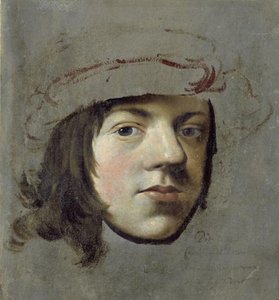
コルネリス・ピータースス・ベガ
1630 - 1664 , オランダ
基本情報
- Artistic Movement Or Style: オランダ黄金時代絵画
- Artists Who Influenced This Artist: ['アドリアーン・ファン・オスターデ']
- Date Of Birth: 1630年
- Date Of Death: 1664年
- Full Name: コルネリス・ピータースス・ベガ
- Nationality: オランダ
- Notable Artworks:
- 錬金術師
- 居酒屋の風景
- Place Of Birth: オランダ、ハールレム
関連記事

黄金世紀の巨匠たち:バロック絵画が彩る10選|ArtsDot
オランダ黄金時代の10大傑作を紐解く!レンブラント、フェルメール…バロック絵画の魅力と時代背景を深く探求。ArtsDotで、至高のアートコレクションと空間演出のヒントを見つけよう。高品質なアートプリントで、お部屋を華やかに。

Golden Age Reflections: Dutch Baroque Painting & Cultural Innovation
Explore the Dutch Golden Age of painting! Discover key artists like Vermeer & ter Borch, their innovative techniques, and the rich cultural context behind these Baroque masterpieces. Learn about collecting & appreciating this iconic art period.
Genre Painting: A Window into Daily Life & Societal Values of the Dutch Golden Age
Explore the captivating world of Dutch Golden Age genre painting! Discover realistic depictions of daily life, masterful artists like Ostade & Metsu, and hidden symbolism. Learn about this influential art movement with ArtsDot.

Illuminating Innovation: Exploring the Dutch Golden Age of Painting
Explore the Dutch Golden Age of painting with ArtsDot. Discover Rembrandt, Vermeer & other Masters. Learn about key characteristics, iconic artworks, and lasting influence. Expert insights for collectors & enthusiasts.
Illuminating Realism: Exploring the Dutch Golden Age of Painting (1600-1700)
Explore the Dutch Golden Age of painting (1600-1700) with ArtsDot. Discover Rembrandt, Vermeer & other masters. Learn about techniques, history & find museum-quality reproductions.

