

 プレビュー
プレビュー
 シェアする
シェアする シェアする
シェアする
 詳細を見る
詳細を見る

 ダウンロード
 似ている作品
 X線調査
X線調査 スライドショー
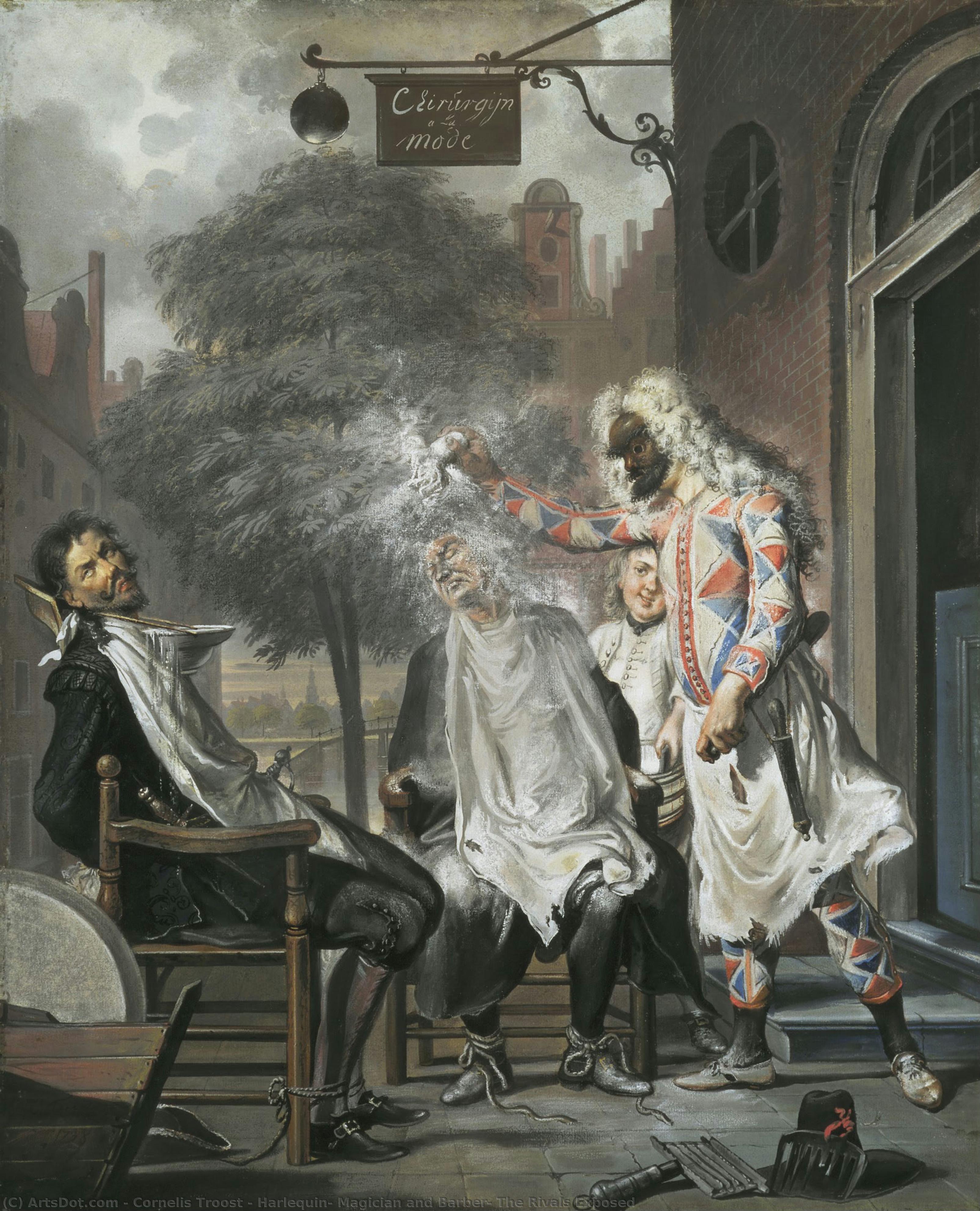
Harlequin, Magician and Barber: The Rivals Exposed


 詳細を見る
詳細を見る
ジークレー/アートプリント
迅速な制作と多彩な仕上げオプションを備えた、ミュージアムクオリティのジークレーまたはキャンバスプリント。 ( 手描きの絵画を購入 画像を購入)




P118B $10

P118H $10

P118W $10

P438Z $10

P508JH $12

P508YH $12

P805H $10

P805Z $10

P919BZ $10

P919G $10

P919XJ $10

P959ZH $10

P968JZ $12

W106C $8

W218G $10

W218JH $8

W218Y $10

W307PJ $10

W316G $10

W316PJ $8

W316Y $10

W398PJ $8

W4111J $10

W500HY $15

W500JH $15

W692G $12

W849H $8

W940BG $15

W953PJ $8




作品のオリジナル比率に合わせた、当店の規定サイズからお選びください。

特定のフレームやスペースに合わせて、ご自身でサイズを指定することも可能です。選択されたサイズが元の画像の比率と一致しない場合、作品をトリミングするか、鏡面反射または単色での塗りつぶしによって画像を拡張いたします。制作を開始する前に、ご確認用のデジタルモックアップをお送りいたします。
画面上のプレビューには、実際のトリミングや拡張は反映されませんのでご注意ください。最終的な構図を正確に確認できるのは、モックアップのみとなります。
カスタムサイズも承っておりますが、元の比率を維持するためには、あらかじめ用意されたリストからサイズを選択することをお勧めいたします。


 ガラスオプションは、110cm未満のサイズでのみご利用いただけます。

Harlequin, Magician and Barber: The Rivals Exposed
ジークレー/アートプリント
複製画のサイズ
-


合計金額
$ 62
作品詳細説明
A Glimpse into 18th-Century Amsterdam: Cornelis Troost’s ‘Harlequin, Magician and Barber’
Cornelis Troost's “Harlequin, Magician and Barber: The Rivals Exposed,” painted in 1738, isn’t merely a depiction of a bustling street scene; it’s a meticulously crafted window into the social fabric and subtle anxieties of 18th-century Amsterdam. This Baroque masterpiece, now housed within the Mauritshuis museum in The Hague, pulsates with life—a vibrant tableau of commerce, class distinctions, and perhaps even a touch of subversive commentary. Troost, a former actor who transitioned to painting, masterfully captures the energy of the city through a complex interplay of figures, light, and shadow, creating an image that simultaneously delights and subtly unsettles.
The scene unfolds outdoors, seemingly in front of a barber shop indicated by the sign Coiffeur et Mode. A curious interaction is taking place between three figures: a barber, a harlequin/magician, and what appears to be an elaborately costumed individual. The composition is structured around this central dynamic, with each character positioned to emphasize their role in the unfolding narrative. The muted earth tones of the background – browns, creams, and subtle greens – serve as a grounding force, allowing the more flamboyant figures to command attention. Notice the strategic placement of a tree behind the figures, partially obscuring the buildings and creating depth within the composition; this isn’t simply decorative but contributes to the overall sense of layered reality.
The Character of Harlequin: Mischief and Social Commentary
At the heart of the painting stands the harlequin figure – a character deeply rooted in Italian commedia dell'arte. More than just a playful trickster, this Harlequin embodies a complex blend of wit, cunning, and a subtle challenge to established order. His checkered costume, instantly recognizable, is a visual shorthand for his disruptive nature. Observe how he leans towards the seated barber, seemingly orchestrating the scene with a knowing glance – a suggestion that he’s not merely an observer but actively manipulating events. The dark-skinned man being styled by the barber immediately draws the eye; this detail invites reflection on the racial dynamics of the era and potentially serves as a pointed commentary on colonialism and exoticism, prevalent themes in 18th-century art.
The other figures add layers to this social tapestry. The seated barber, dressed in relatively simple attire, represents the established profession – a symbol of order and respectability. His posture suggests a degree of weariness or perhaps even disdain as he attends to his client. The man receiving the haircut is clad in a flowing white robe and slippers, suggesting a performer or someone accustomed to theatrical display. His posture conveys a degree of discomfort or vulnerability as he endures the barber’s ministrations. And finally, the most striking element is undoubtedly the individual in the elaborate costume – a patchwork of red, white, and blue squares reminiscent of a jesters attire. This character stands close to the seated figures, his posture suggesting an assertive intrusion into their interaction. His face is partially obscured by a large, powdered wig, adding to the air of theatricality and mystery surrounding him.
Technique and Historical Context: A Rococo Masterpiece
Troost’s masterful technique—characterized by meticulous brushwork and a rich layering of colors—brings this scene to life with remarkable detail. The oil paints on canvas create textures that are both tactile and visually engaging, from the sheen of the fabrics to the rough bark of the tree. The painting is firmly rooted in the Rococo style, evident in its dynamic composition, playful use of light and shadow, and attention to decorative details. Painted in 1738, it reflects a period of burgeoning wealth and social change in Amsterdam – a city at the heart of global trade and cultural exchange. The presence of the British flag on one of the assistants’ aprons adds another layer of complexity to the image, potentially referencing trade and power dynamics between England and the Dutch Republic.
Symbolism and Emotional Resonance
Beyond its surface depiction, “Harlequin, Magician and Barber: The Rivals Exposed” is rich in symbolism. The painting can be interpreted as a commentary on social hierarchies, the blurring of class lines, and the performative nature of identity. The harlequin’s antics challenge the established order, while the barber represents the forces of conformity. The scene invites us to consider the tensions between tradition and innovation, stability and disruption. Ultimately, Troost's work is a captivating exploration of human interaction, social dynamics, and the enduring power of visual storytelling – an artwork that continues to resonate with viewers centuries after its creation.
関連作品





アーティストの略歴
アムステルダム黄金時代への窓
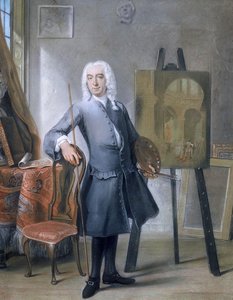
18世紀のアムステルダムという鮮やかなタペストリーと分かちがたく結びついた名、コルネリス・トロースト。彼は単なる画家ではありませんでした。彼は自らの時代を鋭く見つめ、その真実を記録した卓越した観察者だったのです。1696年10月8日、オランダ共和国の中心地であるアムステルダムに生まれたトローストの歩みは、俳優志望から名高い画家へと至る、芸術的情熱と自己変革が織りなす魅力的な物語です。当初は舞台に立つ演者として修行を積んでいましたが、彼が真の天職を見出したのは、喝采やドラマの中ではなく、絵画における緻密な細部と繊細なニュアンスの中にありました。スポットライトを浴びる道を選ばず、筆致の静かな思索へと自らを向かわせたその人生の軌跡は、彼をオランダ・ロココ風俗画における最も重要な人物の一人へと押し上げたのです。
トローストの芸術教育は、学生の天賦の才を見抜いた尊敬すべき肖像画家、アーノルド・ボーネンの指導の下で始まりました。この徒弟修行は彼に不可欠な基礎を与えましたが、彼の独特なスタイルを真に世に示したのは初期の素描作品でした。特に1708年の作品には、サヴォイ公エウージェニオと、悪名高い書販家でありスパイでもあったルイ・ルナールが、アムステルダムの豪華な遊郭で密かな活動に従事する様子が描かれています。機知と陰謀に満ちたこの一作は、後に彼が卓越した技術で探求することになるテーマ、すなわち社会生活の複雑さ、享楽の誘惑、そして品位という表層の下に流れる隠れた潮流を予感させるものでした。
ロココの優雅さと社会的物語
キャリアが成熟するにつれ、トローストは享楽と洗練の間の繊細な均衡を捉える達人となりました。彼の作品は、間違いなく当時の主流であった芸術的潮流の影響を受けています。ロンドンの社会を風刺的に描いたウィリアム・ホガースの劇的な構図や、ワトー、ブーシェ、ランクレといったフランス人画家たちの優雅な気品が、その源泉となりました。このオランダ的な写実主義とフランス・ロココの優美さの融合により、彼は現地の現実 world に深く根ざしながらも、極めて洗練された作品を生み出すことができたのです。
そのレパートリーは驚くほど多岐にわたり、親密な肖像画から壮大な集団肖像画まで多才を極めました。美術史における彼の不朽の貢献には、以下のような作品が挙げられます。
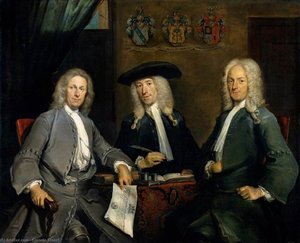
- コレギウム・メディクム(医学会)監査官の肖像(1724年): 18世紀オランダの芸術性と制度的な気品が頂点に達したことを示す、見事なロココ様式の油彩画です。
- マリア・マグダレーナ・スタヴェニセの肖像(1726年頃): 洗練された細部によって貴族の富と地位を表現した、バロック様式の傑作です。
- アールモーズェニールスウェイスハイス孤児院の摂政(1729年): 劇的な光の演出と豪華な舞台設定を用い、アムステル判社会の構造を映し出す窓として機能する、記念碑的な集団肖像画です。
卓越した観察者の遺産
コルネリス・トローストの重要性は、変革の時代における「視覚的な歴史家」としての役割を果たした点にあります。偉大なるオランダ黄金時代の巨匠たちの時代は過ぎ去っていましたが、トローストはロココ運動の軽やかさと装飾的な魅力を見事に吹き込むことで、オランダの伝統に新たな命を吹き込みました。彼の絵画は単に顔を描写するだけではありません。それは、絹の擦れる音、揺らめく蝋燭の火、そしてアムステルダム上流階級の微妙な社会階層といった、ある時代の精神そのものを捉えているのです。
機知に富んだ肖像画と魅力的な風俗画を通じて、トローストは見る者を魅了し続ける遺産を残しました。彼は17世紀の重厚で劇的な伝統と、18世紀の軽やかで優美な美学との架け橋となった極めて重要な人物であり、彼が愛したアムステルダムの社会的な機微を、色彩の中に永遠に留めることに成功したのです。
コルネリス・トロースト
1696 - 1750 , オランダ
基本情報
- Artistic Movement Or Style: ロココ様式の風俗画
- Artists Or Movements Influenced By This Artist: ['サラ・トロスト']
- Artists Who Influenced This Artist:
- ウィリアム・ホガース
- ワトー
- ブーシェ
- ランクレ
- Date Of Birth: 1696年10月8日
- Date Of Death: 1750年3月7日
- Full Name: コーネリス・トロスト
- Nationality: オランダ
- Notable Artworks:
- NELRIシリーズ
- イェロニムス・トネマン
- コレギウムの検査官
- Place Of Birth: オランダ、アムステルダム
関連記事

Golden Age Reflections: Dutch Baroque Painting & Cultural Innovation
Explore the Dutch Golden Age of painting! Discover key artists like Vermeer & ter Borch, their innovative techniques, and the rich cultural context behind these Baroque masterpieces. Learn about collecting & appreciating this iconic art period.

黄金世紀の巨匠たち:バロック絵画が彩る10選|ArtsDot
オランダ黄金時代の10大傑作を紐解く!レンブラント、フェルメール…バロック絵画の魅力と時代背景を深く探求。ArtsDotで、至高のアートコレクションと空間演出のヒントを見つけよう。高品質なアートプリントで、お部屋を華やかに。

Dutch Baroque Masters: 10 Paintings That Shaped an Era | ArtsDot
Journey through the Golden Age with our guide to the Top 10 Dutch Baroque masterpieces! Explore iconic paintings by Rembrandt, Vermeer & Frans Hals. Find museum-quality art reproductions and elevate your home decor at ArtsDot.com.

Illuminating Innovation: Exploring the Dutch Golden Age of Painting
Explore the Dutch Golden Age of painting with ArtsDot. Discover Rembrandt, Vermeer & other Masters. Learn about key characteristics, iconic artworks, and lasting influence. Expert insights for collectors & enthusiasts.
Illuminating Realism: Exploring the Dutch Golden Age of Painting (1600-1700)
Explore the Dutch Golden Age of painting (1600-1700) with ArtsDot. Discover Rembrandt, Vermeer & other masters. Learn about techniques, history & find museum-quality reproductions.

