

 プレビュー
プレビュー
 プリントを購入
 シェアする
シェアする シェアする
シェアする
 詳細を見る
詳細を見る

 ダウンロード
 似ている作品
 X線調査
X線調査 スライドショー
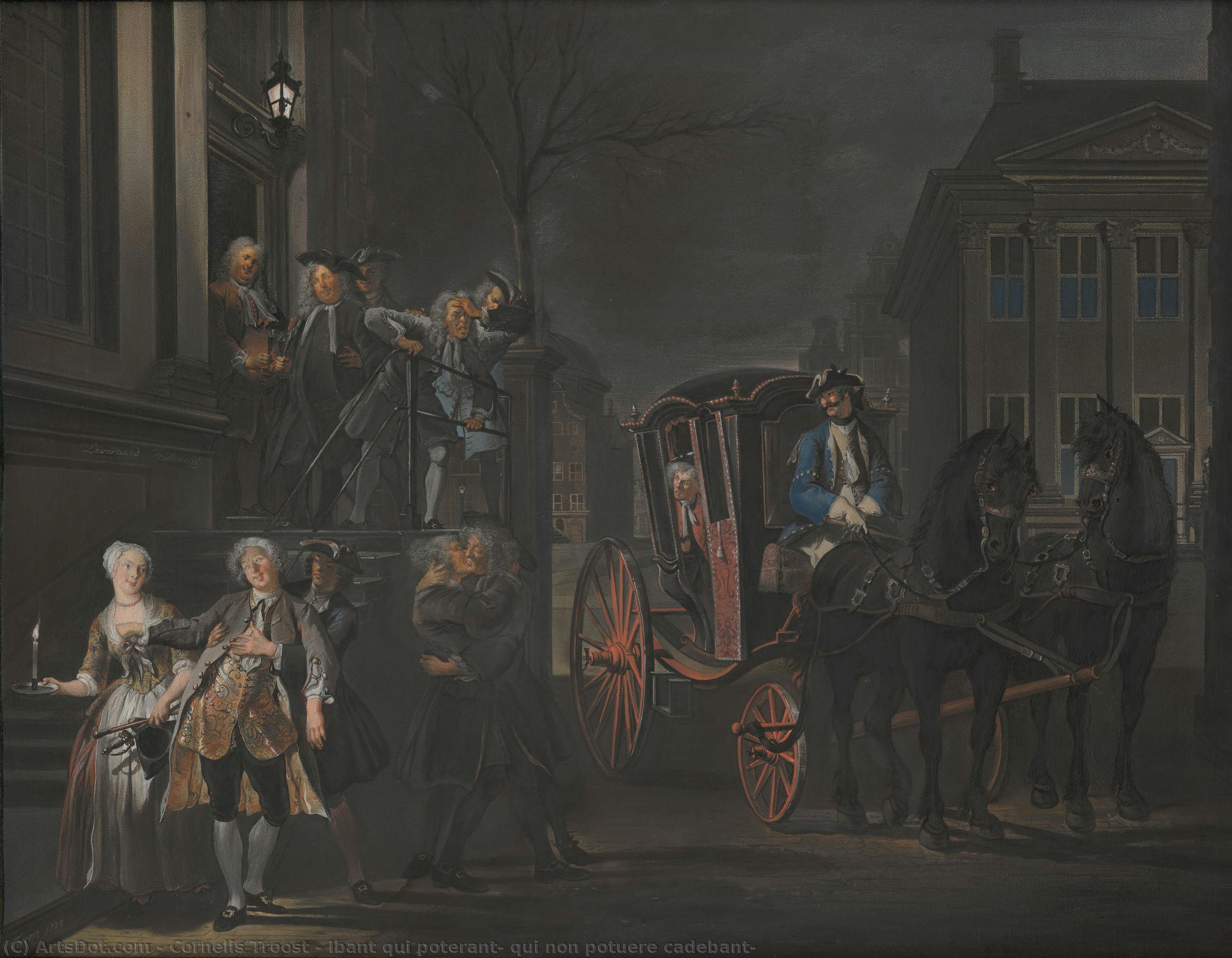
Ibant qui poterant, qui non potuere cadebant


 詳細を見る
詳細を見る




P118B $10

P118H $10

P118W $10

P438Z $10

P508JH $12

P508YH $12

P805H $10

P805Z $10

P919BZ $10

P919G $10

P919XJ $10

P959ZH $10

P968JZ $12

W106C $8

W218G $10

W218JH $8

W218Y $10

W307PJ $10

W316G $10

W316PJ $8

W316Y $10

W398PJ $8

W4111J $10

W500HY $15

W500JH $15

W692G $12

W849H $8

W940BG $15

W953PJ $8




作品のオリジナル比率に合わせた、当店の規定サイズからお選びください。

特定のフレームやスペースに合わせて、ご希望のサイズをご入力いただけます。選択されたサイズが元の画像の比率と異なる場合、アートワークをトリミングするか、手描きで要素を追加して絵画を拡張いたします。デジタルモックアップ を制作し、制作開始前にご確認(承認)をいただきます。
画面上のプレビューは、実際のトリミングや拡張を正確に反映しているものではありません。最終的な構図は、モックアップによってのみ正確にご確認いただけます。
カスタムサイズもご利用いただけますが、元の比率を維持するためには、あらかじめ用意されたリストからサイズを選択することをお勧めいたします。
ご注文後、ArtsDot.com チームより詳細な指示をお送りするとともに、仕上がりイメージ(モックアップ)をご提供いたします。


 ガラスオプションは、110cm未満のサイズでのみご利用いただけます。

Ibant qui poterant, qui non potuere cadebant
複製技法
複製画のサイズ
-


合計金額
$ 263
作品解説
Ibant qui Poterant, Qui Non Potuere Cadebant – A Celebration of Excess in Rococo Amsterdam
This pastel by Cornelis Troost, titled ‘Ibant qui poterant, qui non potuere cadebant’ (“Those who could walk did; the others fell”), encapsulates the spirit of Amsterdam’s Golden Age with a masterful blend of observation and playful exaggeration. Painted in 1739, it's more than just a depiction of a lively evening scene; it’s a carefully crafted narrative that speaks volumes about social dynamics and the intoxicating allure of indulgence during the baroque era.A Scene Steeped in Rococo Elegance
Troost expertly captures the atmosphere of a Parisian salon – a trend that had begun to permeate Dutch society – where gentlemen engaged in spirited conversation amidst opulent surroundings. The pastel’s muted palette, dominated by shades of ochre and mauve, reflects the prevailing aesthetic sensibilities of the time: delicate color harmonies and subtle textures were favored over bold contrasts. Notice how Troost utilizes soft brushstrokes to create a hazy effect, enhancing the sense of intimacy and blurring the boundaries between reality and fantasy. The composition itself is deliberately asymmetrical, guiding the viewer’s eye across the canvas and emphasizing the dynamism of the scene.Technique and Material Choice: Gouache and Pastel – A Harmonious Duo
Troost employed gouache (opaque watercolor mixed with gum arabic) alongside pastel—soft chalk—a technique particularly popular in the eighteenth century. This combination allowed for remarkable tonal control and layering, resulting in a luminous surface that captures the nuances of light and shadow. The artist’s meticulous attention to detail is evident in every element of the painting: from the meticulously rendered costumes of the gentlemen to the expressive faces conveying laughter and merriment. Furthermore, Troost's skillful use of pastel lends an ethereal quality to the artwork, mirroring the prevailing fascination with illusionism and decorative splendor characteristic of Rococo art.Symbolism Beyond Surface Decoration
The title itself is laden with symbolic significance. “Ibant qui poterant” refers to those who could maintain composure amidst drink, while “Qui non potuere cadebant” represents those who succumbed to intoxication and lost control. This duality underscores the broader theme of societal restraint versus hedonistic abandon—a preoccupation that resonated deeply within Dutch intellectual circles during this period. The horses pulling carriages symbolize wealth and prestige, but also hint at the precariousness of social status when unchecked desires prevail. Troost subtly conveys a critique of aristocratic excess without resorting to overt moral judgment, presenting instead a captivating portrayal of human behavior under pressure.Emotional Resonance: Capturing the Moment of Decadence
Ultimately, ‘Ibant qui poterant’ succeeds in transporting the viewer back to Amsterdam's vibrant cultural landscape. The painting evokes feelings of merriment, conviviality, and perhaps even apprehension—a poignant reminder that even the most refined pursuits can spiral out of control when fueled by indulgence. Troost’s masterful execution ensures that this moment of decadent pleasure remains eternally preserved on canvas, inviting contemplation about human nature and the fleeting beauty of experience. It's a testament to Troost's artistic vision and his ability to distill complex social commentary into an exquisitely crafted visual masterpiece.関連作品


アーティストの略歴
アムステルダム黄金時代への窓
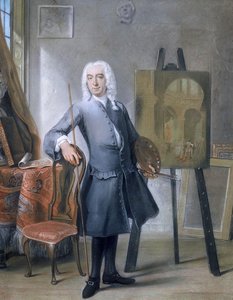
18世紀のアムステルダムという鮮やかなタペストリーと分かちがたく結びついた名、コルネリス・トロースト。彼は単なる画家ではありませんでした。彼は自らの時代を鋭く見つめ、その真実を記録した卓越した観察者だったのです。1696年10月8日、オランダ共和国の中心地であるアムステルダムに生まれたトローストの歩みは、俳優志望から名高い画家へと至る、芸術的情熱と自己変革が織りなす魅力的な物語です。当初は舞台に立つ演者として修行を積んでいましたが、彼が真の天職を見出したのは、喝采やドラマの中ではなく、絵画における緻密な細部と繊細なニュアンスの中にありました。スポットライトを浴びる道を選ばず、筆致の静かな思索へと自らを向かわせたその人生の軌跡は、彼をオランダ・ロココ風俗画における最も重要な人物の一人へと押し上げたのです。
トローストの芸術教育は、学生の天賦の才を見抜いた尊敬すべき肖像画家、アーノルド・ボーネンの指導の下で始まりました。この徒弟修行は彼に不可欠な基礎を与えましたが、彼の独特なスタイルを真に世に示したのは初期の素描作品でした。特に1708年の作品には、サヴォイ公エウージェニオと、悪名高い書販家でありスパイでもあったルイ・ルナールが、アムステルダムの豪華な遊郭で密かな活動に従事する様子が描かれています。機知と陰謀に満ちたこの一作は、後に彼が卓越した技術で探求することになるテーマ、すなわち社会生活の複雑さ、享楽の誘惑、そして品位という表層の下に流れる隠れた潮流を予感させるものでした。
ロココの優雅さと社会的物語
キャリアが成熟するにつれ、トローストは享楽と洗練の間の繊細な均衡を捉える達人となりました。彼の作品は、間違いなく当時の主流であった芸術的潮流の影響を受けています。ロンドンの社会を風刺的に描いたウィリアム・ホガースの劇的な構図や、ワトー、ブーシェ、ランクレといったフランス人画家たちの優雅な気品が、その源泉となりました。このオランダ的な写実主義とフランス・ロココの優美さの融合により、彼は現地の現実 world に深く根ざしながらも、極めて洗練された作品を生み出すことができたのです。
そのレパートリーは驚くほど多岐にわたり、親密な肖像画から壮大な集団肖像画まで多才を極めました。美術史における彼の不朽の貢献には、以下のような作品が挙げられます。
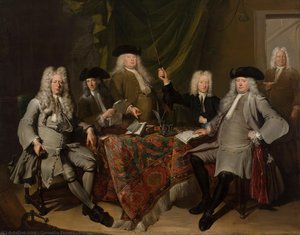
- コレギウム・メディクム(医学会)監査官の肖像(1724年): 18世紀オランダの芸術性と制度的な気品が頂点に達したことを示す、見事なロココ様式の油彩画です。
- マリア・マグダレーナ・スタヴェニセの肖像(1726年頃): 洗練された細部によって貴族の富と地位を表現した、バロック様式の傑作です。
- アールモーズェニールスウェイスハイス孤児院の摂政(1729年): 劇的な光の演出と豪華な舞台設定を用い、アムステル判社会の構造を映し出す窓として機能する、記念碑的な集団肖像画です。
卓越した観察者の遺産
コルネリス・トローストの重要性は、変革の時代における「視覚的な歴史家」としての役割を果たした点にあります。偉大なるオランダ黄金時代の巨匠たちの時代は過ぎ去っていましたが、トローストはロココ運動の軽やかさと装飾的な魅力を見事に吹き込むことで、オランダの伝統に新たな命を吹き込みました。彼の絵画は単に顔を描写するだけではありません。それは、絹の擦れる音、揺らめく蝋燭の火、そしてアムステルダム上流階級の微妙な社会階層といった、ある時代の精神そのものを捉えているのです。
機知に富んだ肖像画と魅力的な風俗画を通じて、トローストは見る者を魅了し続ける遺産を残しました。彼は17世紀の重厚で劇的な伝統と、18世紀の軽やかで優美な美学との架け橋となった極めて重要な人物であり、彼が愛したアムステルダムの社会的な機微を、色彩の中に永遠に留めることに成功したのです。
コルネリス・トロースト
1696 - 1750 , オランダ
基本情報
- Artistic Movement Or Style: ロココ様式の風俗画
- Artists Or Movements Influenced By This Artist: ['サラ・トロスト']
- Artists Who Influenced This Artist:
- ウィリアム・ホガース
- ワトー
- ブーシェ
- ランクレ
- Date Of Birth: 1696年10月8日
- Date Of Death: 1750年3月7日
- Full Name: コーネリス・トロスト
- Nationality: オランダ
- Notable Artworks:
- NELRIシリーズ
- イェロニムス・トネマン
- コレギウムの検査官
- Place Of Birth: オランダ、アムステルダム
関連記事

Dutch Baroque Masters: 10 Paintings That Shaped an Era | ArtsDot
Journey through the Golden Age with our guide to the Top 10 Dutch Baroque masterpieces! Explore iconic paintings by Rembrandt, Vermeer & Frans Hals. Find museum-quality art reproductions and elevate your home decor at ArtsDot.com.
From Grandeur to Grace: Exploring the Evolution of Baroque & Rococo Art
Explore the captivating evolution from Baroque's drama to Rococo's grace! Discover key artists, characteristics & lasting influence of these art movements with expert insights at ArtsDot.

Golden Age Reflections: Dutch Baroque Painting & Cultural Innovation
Explore the Dutch Golden Age of painting! Discover key artists like Vermeer & ter Borch, their innovative techniques, and the rich cultural context behind these Baroque masterpieces. Learn about collecting & appreciating this iconic art period.

The Rococo Aesthetic: Opulence, Rebellion & the Pursuit of Pleasure in 18th-Century Art
Explore the opulent world of Rococo art! Discover its origins, key artists like Watteau & Boucher, and lasting influence on design. Expert insights for collectors & enthusiasts.
Cornelis Springer: A Dutch Master of Cityscapes & Intimate Reflections
Explore the captivating world of Cornelis Springer (1817-1891), a Dutch master renowned for his detailed cityscapes and atmospheric paintings. Discover his life, style & available artworks at ArtsDot.

