 プレビュー
プレビュー
 プリントを購入
 シェアする
シェアする シェアする
シェアする
 詳細を見る
詳細を見る

 ダウンロード
 似ている作品
 X線調査
X線調査 スライドショー
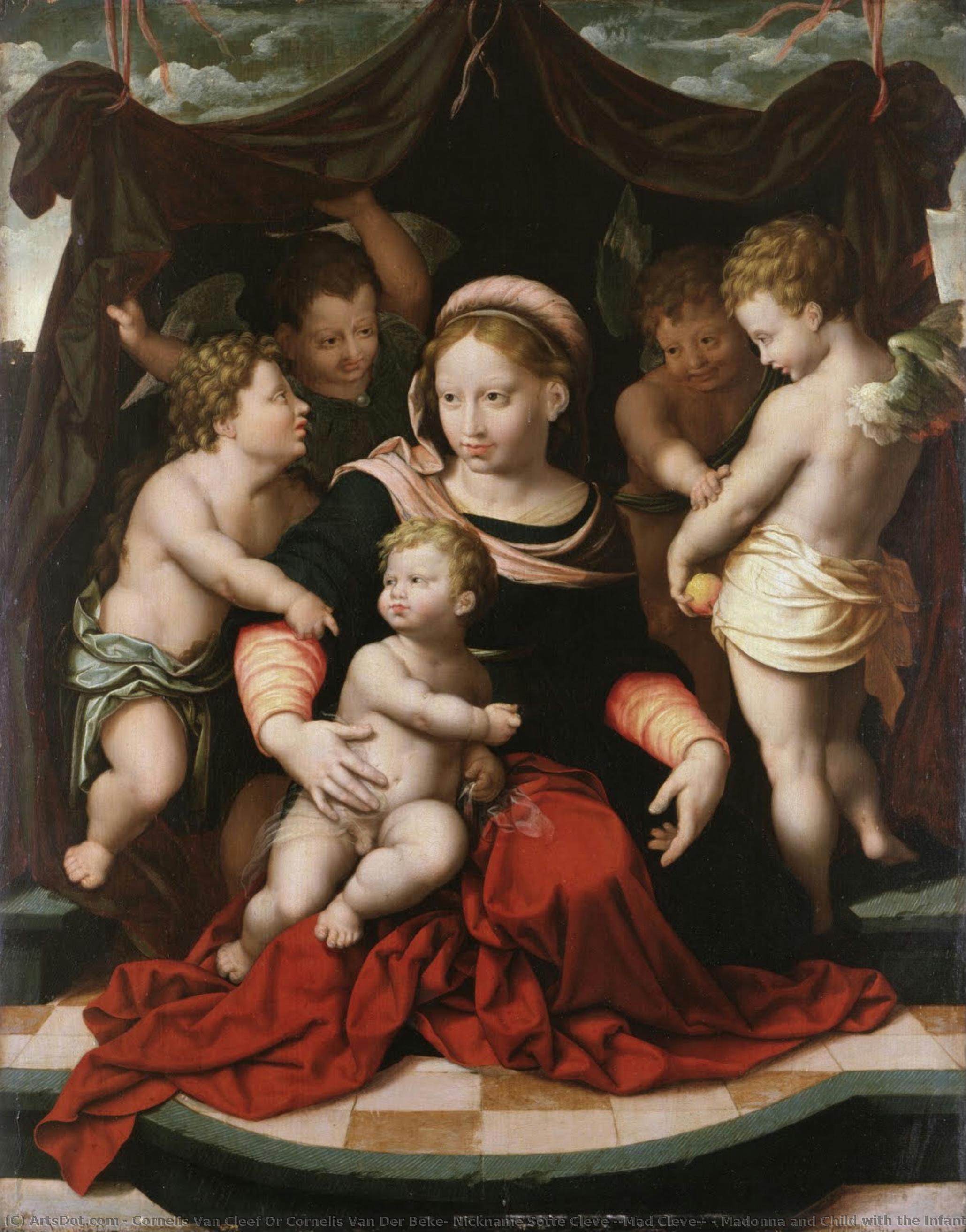
Madonna and Child with the Infant Saint John the Baptist and Angels
 Oil On Canvas
- WallArt
- High Renaissance
 56.0 x 51.0 cm
 Chrysler Museum of Art
 詳細を見る
詳細を見る
オンラインプレビューをはるかに凌ぐ、高解像度で鮮明なデジタル画像をご購入いただけます。
各ファイルは、社内の専門家が高度なツールと熟練した手作業によるレタッチを用いて、細心の注意を払って準備されています。すべての画像において、卓越した鮮明度、正確な色彩再現性、そして繊細なディテールを保証いたします。
最終ファイルは、プロフェッショナルな編集・印刷環境ですぐにご利用いただけるよう最適化された状態で、72時間以内にメールにてお届けいたします。これは、一流のデザインスタジオ、出版社、ギャラリーから信頼されているものと同等の品質です。
デジタル画像のご注文に付随する特典
高品質なデジタル画像配信を、確かな品質で。
ArtsDot.com を選ぶことは、単に画像を手に入れることではありません。それは、プロの手によって精密に仕上げられ、満足保証が付いた高品質なデジタルアートワークを受け取ることを意味します。ご注文いただいた際に自動的に付随する内容は、以下の通りです:

メールですぐにお届け
ご注文から72時間以内に、高解像度のデジタル画像ファイルがメールでお手元に届きます。すぐにそのままご利用いただけます。

AI技術で最適化されたデジタルファイル
お客様の作品は、高度なAIツールと専門家による手作業の編集を組み合わせてプロフェッショナルに最適化されており、細部のディテール、鮮明さ、そして正確な色再現性を最大限に引き出しています。

一生涯無料の再送サービス
ファイルを誤って削除したり、紛失してしまったりしましたか?ご安心ください。いつでも無料で再送いたします。

輸入手数料は一切かかりません
関税や手数料、配送料を気にすることなく、お気に入りのアートワークをすぐにお楽しみいただけます。デジタルダウンロードは常に免税です。

色彩再現の保証
プロ仕様のツールとカラーマネジメント技術を用いることで、デジタル画像が元の色を最大限に忠実に再現することを保証いたします。

60日間満足保証
ご購入いただいたデジタル画像にご満足いただけない場合は、60日以内であれば、修正または100%の返金(理由を問う必要はありません)をさせていただきます。

100% 返金保証
ご満足いただけない場合は、デジタルファイルを受け取ってから60日以内であれば、理由を問わず全額返金いたします。

まとめ買い割引
3枚購入で10%OFF - 5枚購入で15%OFF - 10枚以上購入で20%OFF。クリエイティブなプロジェクト、ギャラリー、エージェンシーに最適です。
A Timeless Reverie: Cornelis van Cleve’s Madonna and Child
Cornelis van Cleve's "Madonna and Child with the Infant Saint John the Baptist and Angels" is more than just a depiction of religious figures; it’s an immersive experience, a carefully constructed tableau designed to draw the viewer directly into the heart of divine grace. Painted in Antwerp around 1567, this exquisite work exemplifies the burgeoning Renaissance interest in naturalism and emotional resonance that would come to define the era. Van Cleve, often nicknamed ‘Sotte Cleve’ – ‘Mad Cleve’ – was a master of his craft, renowned for his ability to imbue his subjects with an almost palpable sense of humanity, a quality particularly evident in the tender gaze of the Virgin Mary and the innocent joy radiating from her son.
- Subject Matter: The central focus is undeniably the Virgin Mary, seated regally with the infant Jesus and Saint John the Baptist. The inclusion of angels further elevates the scene, creating a harmonious ensemble that speaks to themes of faith, innocence, and divine protection.
- Composition & Perspective: Van Cleve skillfully employs one-point perspective, meticulously guiding the viewer’s eye towards the central figures through receding floor tiles – a hallmark of Renaissance artistic innovation. This deliberate technique isn't merely a stylistic choice; it actively invites engagement, fostering a sense of intimacy and drawing us into the sacred space depicted.
Renaissance Harmony: Style and Technique
The painting’s style is deeply rooted in the High Renaissance, reflecting the influence of masters like Raphael himself – a figure whose name became synonymous with harmony and beauty. Van Cleve's approach emphasizes rounded forms, soft modeling, and luminous color palettes, creating an atmosphere of serene tranquility. The artist’s meticulous attention to detail is evident in the delicate folds of Mary’s robes, the cherubic faces brimming with youthful energy, and the subtle textures that bring each element to life. The use of oil paint allowed for a richness of tone and depth of color previously unattainable with tempera, contributing significantly to the work's overall impact.
Symbolism and Narrative
Beyond its aesthetic beauty, "Madonna and Child" is rich in symbolic meaning. The presence of Saint John the Baptist, often depicted as a young child himself, reinforces the theme of innocence and foreshadowing. The bowl positioned near the central figures may represent offerings or gifts, symbolizing devotion and reverence. The carefully arranged grouping of figures – their bowed heads, circling movements, and arm gestures – directs our attention back to the divine pair, emphasizing their importance as icons of faith and salvation. The overall narrative subtly evokes the story of redemption and the promise of eternal life.
A Legacy of Grace: Reproduction Possibilities
ArtsDot offers a meticulously crafted hand-painted reproduction of this iconic masterpiece, capturing its original beauty and emotional depth with unparalleled fidelity. Each reproduction is created by skilled artisans using traditional techniques, ensuring that you receive a timeless work of art that will grace your home or office for generations to come. This isn't simply a print; it’s an investment in artistry, a connection to the profound spiritual and aesthetic legacy of Cornelis van Cleve.
関連作品
作家の略歴
Raphael: The Architect of Harmony
The name Raphael – Raffaello Sanzio da Urbino – resonates through the annals of art history as a symbol of grace, balance, and unparalleled beauty. Born in 1483 in the small Renaissance city of Urbino, Italy, Raphael’s life was tragically short, ending at just 37 years old in 1520. Yet, within that brief span, he produced an astonishing body of work that profoundly shaped the course of Western art, establishing a style known as High Renaissance and laying the groundwork for the subsequent development of Mannerism. His legacy isn’t simply one of technical mastery; it's a testament to his profound understanding of human form, composition, and the very essence of visual harmony.
Raphael’s artistic journey began within the workshop of his father, Giovanni Santi, a court painter who instilled in him a love for classical art and a meticulous approach to technique. Early influences included the works of Piero della Francesca and Andrea Mantegna – masters known for their clarity of form and use of perspective. However, it was Leonardo da Vinci, whose presence in Florence during Raphael’s formative years undoubtedly exerted a significant impact, shaping his interest in anatomy, sfumato (the subtle blending of colors), and the psychological depth of portraiture. The influence of Michelangelo, though less direct, is also detectable in Raphael's confident handling of form and his ambition to create works of monumental scale.
The Rise of a Master: Rome and the Papal Commissions
By 1508, Raphael had moved to Rome at the invitation of Pope Julius II, embarking on a career that would be defined by a series of prestigious commissions. Initially tasked with decorating the walls of the Vatican’s Apostolic Palace, he quickly established himself as one of the most sought-after artists in Italy. This period marked a crucial shift in his style – moving away from the more subdued colors and complex compositions of his earlier work towards a brighter palette, clearer lines, and a greater emphasis on idealized beauty. The frescoes in the Raphael Rooms—including “The School of Athens” and “Parnassus”—are considered masterpieces of High Renaissance art, showcasing his ability to seamlessly integrate classical mythology with humanist ideals.
His work for Pope Leo X further cemented his reputation. The "Sistine Madonna," painted in 1512-1514, is arguably his most famous painting. This tender depiction of the Virgin Mary and infant Jesus, surrounded by angels, exemplifies Raphael’s mastery of color, light, and composition. The scene's serene beauty and emotional resonance have captivated viewers for centuries. He also designed elaborate tapestries and stage sets for theatrical performances, demonstrating a versatility that extended beyond painting.
Mannerism: A Delicate Shift
As the 1520s unfolded, Raphael’s style began to subtly shift, anticipating the emergence of Mannerism – a movement characterized by elongated figures, artificial poses, and an emphasis on elegance and refinement. This transition wasn't abrupt; rather, it represented a gradual evolution in his approach, reflecting the changing artistic climate of Rome. Works like “The Transfiguration” (1520) showcase this shift, with its dramatic composition, distorted perspective, and heightened emotional intensity. While still rooted in Renaissance principles, Raphael’s later paintings increasingly embraced Mannerist techniques, creating a sense of poised elegance and psychological complexity.
Despite his premature death from fever in 1520, Raphael's influence on subsequent generations of artists was immediate and profound. His emphasis on clarity, harmony, and idealized beauty became the standard against which all future painters were measured. The “Raphael Rooms” at the Vatican remained a central point of artistic study for centuries, shaping the curriculum of art academies across Europe. His legacy continues to inspire admiration and debate, solidifying his place as one of the greatest artists in history.
Key Works & Lasting Significance
- The School of Athens (1509-1511): A monumental fresco depicting philosophers and scientists from antiquity, embodying humanist ideals and showcasing Raphael’s mastery of perspective and composition.
- Sistine Madonna (1512-1514): A tender depiction of the Virgin Mary and infant Jesus, renowned for its beauty, grace, and emotional resonance.
- The Transfiguration (1520): A dramatic portrayal of Christ’s transfiguration, demonstrating Raphael's exploration of Mannerist techniques and his ability to convey intense emotion.
- La Fornace (1514-1517): A powerful fresco depicting the legend of St. Peter’s martyrdom, showcasing Raphael’s dramatic use of color and composition.
Raphael's impact extends beyond his individual works; he established a workshop that continued to produce high-quality paintings for decades after his death, ensuring the perpetuation of his style and techniques. His influence can be seen in the work of artists such as Giulio Romano and Parmigianino, who built upon his foundations and further developed the principles of Mannerism. Ultimately, Raphael’s legacy is one of enduring beauty, technical brilliance, and a profound understanding of the human spirit – a testament to the power of art to transcend time and inspire generations.