

 プレビュー
プレビュー
 プリントを購入
 シェアする
シェアする シェアする
シェアする
 詳細を見る
詳細を見る

 ダウンロード
 似ている作品
 X線調査
X線調査 スライドショー
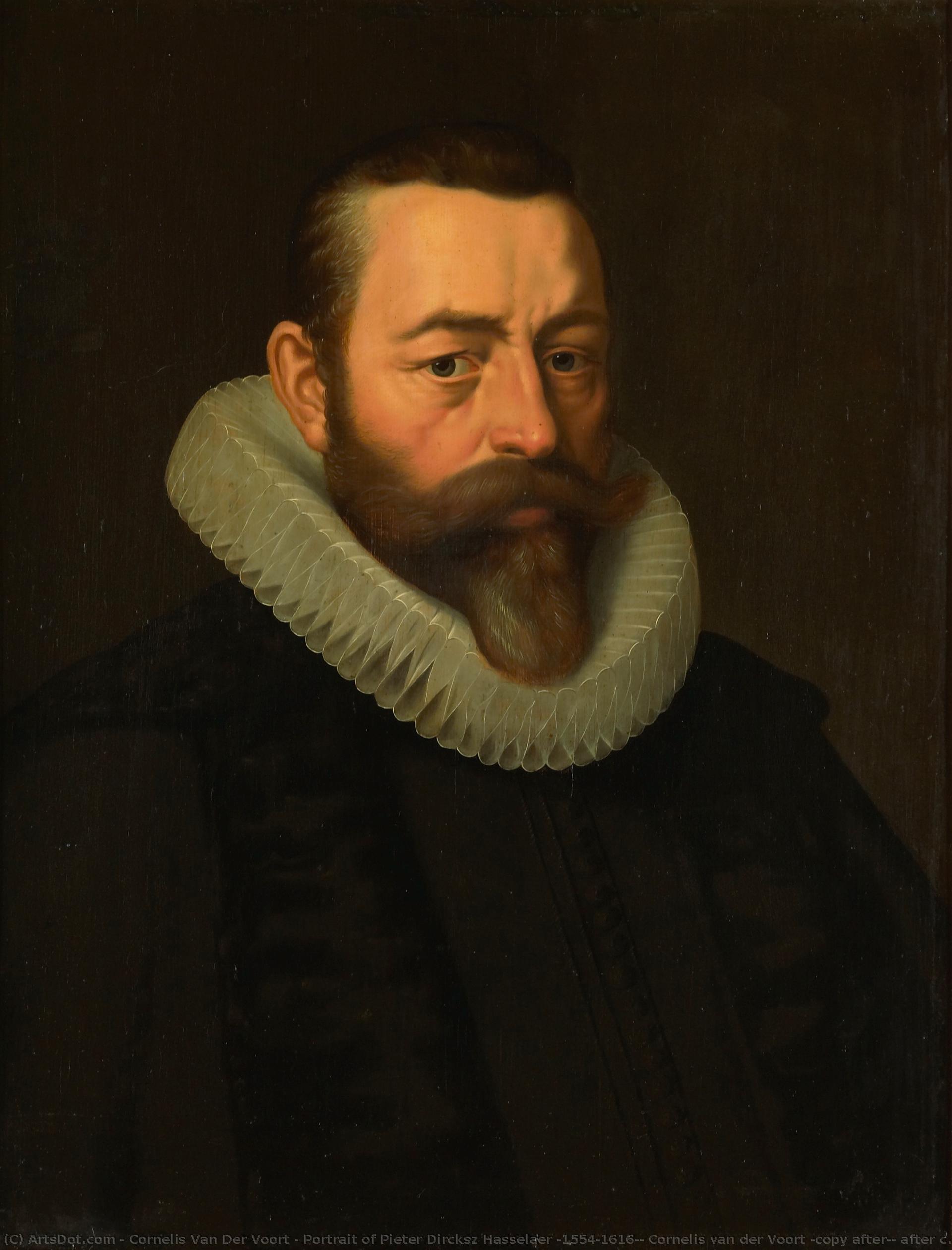
Portrait of Pieter Dircksz Hasselaer (1554-1616), Cornelis van der Voort (copy after), after c. 1610


 詳細を見る
詳細を見る
オンラインプレビューをはるかに凌ぐ、高解像度で鮮明なデジタル画像をご購入いただけます。
各ファイルは、社内の専門家が高度なツールと熟練した手作業によるレタッチを用いて、細心の注意を払って準備されています。すべての画像において、卓越した鮮明度、正確な色彩再現性、そして繊細なディテールを保証いたします。
最終ファイルは、プロフェッショナルな編集・印刷環境ですぐにご利用いただけるよう最適化された状態で、72時間以内にメールにてお届けいたします。これは、一流のデザインスタジオ、出版社、ギャラリーから信頼されているものと同等の品質です。
デジタル画像のご注文に付随する特典
高品質なデジタル画像配信を、確かな品質で。
ArtsDot.com を選ぶことは、単に画像を手に入れることではありません。それは、プロの手によって精密に仕上げられ、満足保証が付いた高品質なデジタルアートワークを受け取ることを意味します。ご注文いただいた際に自動的に付随する内容は、以下の通りです:

メールですぐにお届け
ご注文から72時間以内に、高解像度のデジタル画像ファイルがメールでお手元に届きます。すぐにそのままご利用いただけます。

AI技術で最適化されたデジタルファイル
お客様の作品は、高度なAIツールと専門家による手作業の編集を組み合わせてプロフェッショナルに最適化されており、細部のディテール、鮮明さ、そして正確な色再現性を最大限に引き出しています。

一生涯無料の再送サービス
ファイルを誤って削除したり、紛失してしまったりしましたか?ご安心ください。いつでも無料で再送いたします。

輸入手数料は一切かかりません
関税や手数料、配送料を気にすることなく、お気に入りのアートワークをすぐにお楽しみいただけます。デジタルダウンロードは常に免税です。

色彩再現の保証
プロ仕様のツールとカラーマネジメント技術を用いることで、デジタル画像が元の色を最大限に忠実に再現することを保証いたします。

60日間満足保証
ご購入いただいたデジタル画像にご満足いただけない場合は、60日以内であれば、修正または100%の返金(理由を問う必要はありません)をさせていただきます。

100% 返金保証
ご満足いただけない場合は、デジタルファイルを受け取ってから60日以内であれば、理由を問わず全額返金いたします。

まとめ買い割引
3枚購入で10%OFF - 5枚購入で15%OFF - 10枚以上購入で20%OFF。クリエイティブなプロジェクト、ギャラリー、エージェンシーに最適です。
関連作品
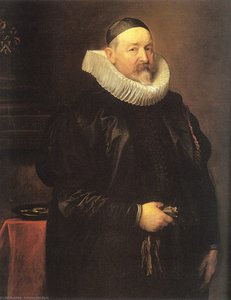
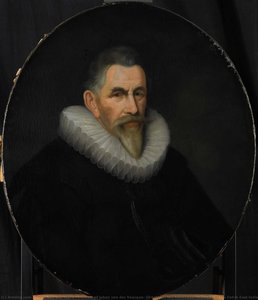
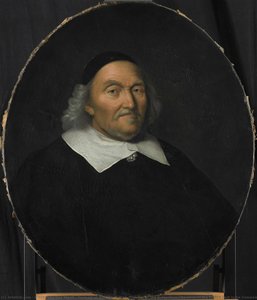
作家の略歴
A Life Etched in Canvas: The Early Years and Arrival in Amsterdam
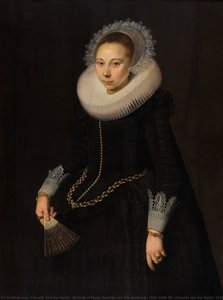
Cornelis van der Voort (c. 1576 – buried on November 2, 1624) remains a captivating figure within the annals of early Dutch art, often overshadowed yet undeniably pivotal in shaping the trajectory of portrait painting during the Golden Age. Born around 1576 in Antwerp, amidst the turbulent backdrop of the Habsburg Netherlands and the burgeoning Protestant Reformation, his life was marked by both artistic promise and familial upheaval. His origins trace back to Pieter van der Voort, a cloth weaver, suggesting an upbringing rooted in practical craftsmanship – a foundation that subtly informed Van der Voort’s meticulous approach to his art.
The family's relocation to the Northern Netherlands around 1585, driven by their Calvinist beliefs and seeking refuge from religious persecution, proved transformative. This move brought them to Amsterdam, a burgeoning center of commerce and artistic innovation. It was here that young Cornelis began his artistic journey, though the specifics of his early training remain shrouded in the mists of history. While direct mentorship is elusive, art historians generally believe he honed his skills under the tutelage of masters like Aert Pietersz and, crucially, Cornelis Ketel – a figure whose own influence on Dutch portraiture was profound.
Ketel’s impact is particularly noteworthy; he introduced a new dynamism to group portraits, moving away from static formality towards a more engaging depiction of social interaction. Van der Voort clearly absorbed this innovative spirit, demonstrating an early aptitude for capturing not just likeness but also the subtle nuances of personality and atmosphere.
The Rise of the Regentenstukken: A Genre Defined
Van der Voort’s career truly blossomed in the early 17th century, coinciding with a significant shift in Dutch society. The rise of the ‘regents,’ wealthy individuals who managed charitable institutions known as ‘stichtingen,’ created a new and lucrative market for portraiture. These regenten, often prominent merchants and civic leaders, commissioned portraits not merely to commemorate their status but also to showcase their piety and commitment to the community. Van der Voort recognized this opportunity and swiftly established himself as the leading artist in this burgeoning genre – the ‘regentenstukken.’
Unlike earlier portrait styles that emphasized formality and grandeur, Van der Voort’s regentenstukken were remarkably intimate and psychologically astute. He skillfully captured the weariness of age, the shrewdness of experience, and the quiet dignity of these influential figures. His compositions were carefully arranged to create a sense of depth and realism, utilizing light and shadow to sculpt form and imbue his subjects with a palpable presence.
- Key Characteristics: Life-size format, full-length poses, intimate interiors, psychological insight, attention to detail.
- Subjects: Regenten (leaders of charitable institutions), schutters (members of civic militias).
A Master of Light and Shadow: Technique and Style
Van der Voort’s artistic style is characterized by a remarkable command of light and shadow, a technique he employed to create a sense of three-dimensionality and depth within his portraits. He meticulously observed the way light interacted with surfaces – the sheen of velvet, the texture of fabrics, the glint in the eyes – translating these observations onto canvas with astonishing accuracy.
His use of color was equally deliberate, favoring rich, earthy tones that reflected the materials and settings within his compositions. He avoided overly bright or artificial hues, opting instead for a palette that conveyed a sense of authenticity and realism. Furthermore, Van der Voort’s meticulous attention to detail extended beyond mere representation; he subtly incorporated symbolic elements into his portraits, reflecting the social and religious values of his time.
Notably, he is considered one of the first Dutch artists to introduce the full-length format to portraiture, a departure from the more compact compositions favored by many of his contemporaries.Legacy and Influence: Shaping the Course of Dutch Portraiture
Cornelis van der Voort’s influence on the development of Dutch portrait painting is undeniable. He not only popularized the regentenstukken genre but also established a new standard for realism, psychological insight, and compositional sophistication. His work served as a model for generations of artists, including Rembrandt van Rijn, who clearly drew inspiration from Van der Voort’s innovative approach.
Despite his untimely death in 1624 at the relatively young age of 48, Van der Voort left behind a significant body of work that continues to captivate viewers today. His portraits offer a rare glimpse into the lives and aspirations of a rapidly changing society – a testament to the enduring power of art to illuminate both individual character and collective history.
プロフィール概要
- Artistic Movement Or Style: Early Dutch Portraiture
- Artists Or Movements Influenced By This Artist:
- Rembrandt
- Van der Weyden
- Artists Who Influenced This Artist:
- Aert Pietersz
- Cornelis Ketel
- Date Of Birth: c. 1576, Antwerp
- Date Of Death: 1624, Amsterdam
- Full Name: Cornelis van der Voort
- Nationality: Dutch
- Notable Artworks:
- Portrait of a Man
- Regentenstukken
- Schuttersstukken
- Place Of Birth: Antwerp, Netherlands

