

 プレビュー
プレビュー
 プリントを購入
 シェアする
シェアする シェアする
シェアする
 詳細を見る
詳細を見る

 ダウンロード
 似ている作品
 X線調査
X線調査 スライドショー
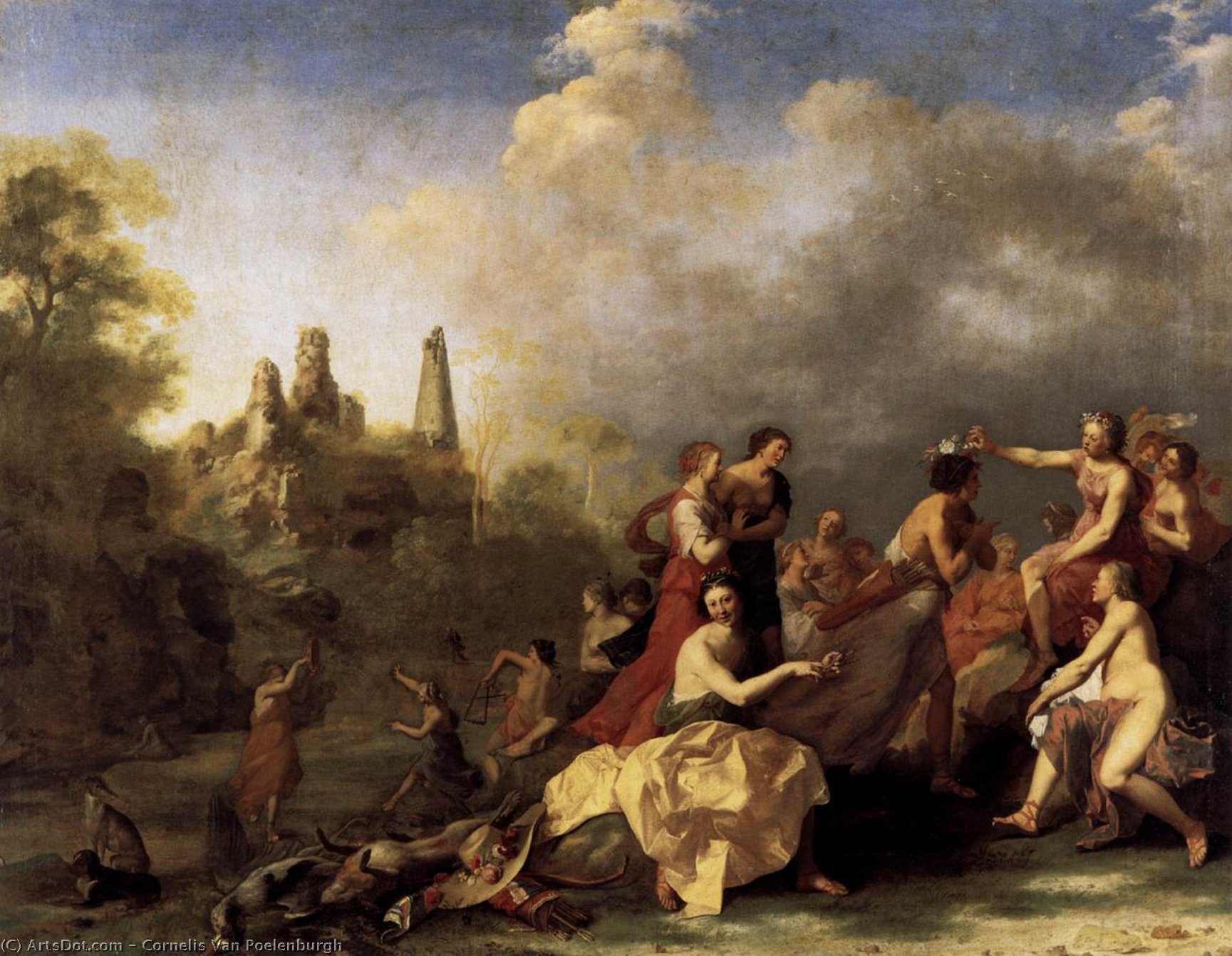
Amaryllis Giving Myrtill the Price
 Oil On Canvas
- WallArt
- Baroque Landscape
 1635
1635 115.0 x 146.0 cm
 国立博物館群
 詳細を見る
詳細を見る




P118B $10

P118H $10

P118W $10

P438Z $10

P508JH $12

P508YH $12

P805H $10

P805Z $10

P919BZ $10

P919G $10

P919XJ $10

P959ZH $10

P968JZ $12

W106C $8

W218G $10

W218JH $8

W218Y $10

W307PJ $10

W316G $10

W316PJ $8

W316Y $10

W398PJ $8

W4111J $10

W500HY $15

W500JH $15

W692G $12

W849H $8

W940BG $15

W953PJ $8




作品のオリジナル比率に合わせた、当店の規定サイズからお選びください。

特定のフレームやスペースに合わせて、ご希望のサイズをご入力いただけます。選択されたサイズが元の画像の比率と異なる場合、アートワークをトリミングするか、手描きで要素を追加して絵画を拡張いたします。デジタルモックアップ を制作し、制作開始前にご確認(承認)をいただきます。
画面上のプレビューは、実際のトリミングや拡張を正確に反映しているものではありません。最終的な構図は、モックアップによってのみ正確にご確認いただけます。
カスタムサイズもご利用いただけますが、元の比率を維持するためには、あらかじめ用意されたリストからサイズを選択することをお勧めいたします。
ご注文後、ArtsDot.com チームより詳細な指示をお送りするとともに、仕上がりイメージ(モックアップ)をご提供いたします。


 ガラスオプションは、110cm未満のサイズでのみご利用いただけます。

Amaryllis Giving Myrtill the Price
複製技法
複製画のサイズ
-


合計金額
$ 263
Cornelis van Poelenburgh’s “Amaryllis Giving Myrtill the Price”: A Dialogue Between Arcadia and Virtue
The painting "Amaryllis Giving Myrtill the Price," executed in 1635 by Cornelis van Poelenburch, stands as a testament to the burgeoning Dutch Golden Age landscape tradition—a movement that sought to elevate genre painting beyond mere depiction of pastoral scenes into vehicles for moral contemplation. More than just capturing a picturesque vista, this artwork engages in a sophisticated symbolic conversation between Arcadia – the idealized realm of shepherds and nymphs – and virtue, represented by Myrtill, who willingly offers herself as tribute to Amaryllis, symbolizing chastity and spiritual devotion. Van Poelenburch’s stylistic approach aligns closely with the Roman landscape painters who preceded him, particularly Andrea Pozzo and Giovanni Battista Piranesi. He employs a meticulous technique characterized by layered glazing—a hallmark of Baroque painting—to achieve remarkable tonal depth and luminosity. The canvas is dominated by a hazy hillside bathed in soft sunlight, punctuated by scattered cypress trees and distant mountains. These elements contribute to an atmosphere of serene grandeur, reflecting the prevailing humanist ideals of his time. Unlike earlier Dutch landscape painters who favored more restrained compositions, Van Poelenburch’s scene pulsates with subtle movement, conveyed through delicately rendered foliage and atmospheric perspective. The composition itself is carefully orchestrated. Amaryllis, positioned centrally on the left side of the canvas, embodies nobility and grace—a figure often associated with divine beauty and moral fortitude. Her gaze directs towards Myrtill, who stands humbly before her, offering a garland of flowers as a gesture of submission. This visual narrative underscores the importance of spiritual purity and selfless devotion within humanist philosophy. The inclusion of mythological figures – Apollo and Diana – subtly reinforces this theme, suggesting that earthly beauty finds its fulfillment in aligning with divine order. Historical Context: Painted during the early 17th century, “Amaryllis Giving Myrtill the Price” reflects the intellectual fervor of the period—a time when artists actively engaged with classical ideals and sought to express moral truths through visual art. The painting’s patronage likely stemmed from wealthy families committed to upholding Christian virtues, aligning perfectly with the artistic sensibilities of the era. It exemplifies the Dutch fascination with reviving Roman grandeur while simultaneously grounding its aesthetic aspirations in humanist ethics. Symbolism: Beyond its formal beauty, the artwork is laden with symbolic significance. The cypress trees represent immortality and remembrance—a poignant reminder of mortality’s inevitable passage. The garland offered by Myrtill symbolizes chastity and spiritual devotion, highlighting the virtues considered paramount during this period. Furthermore, the hazy landscape serves as a metaphor for the human soul—obscured yet illuminated by divine grace. Emotional Impact: Viewing “Amaryllis Giving Myrtill the Price” evokes a profound sense of tranquility and contemplation. The artist’s masterful use of light and color creates an immersive experience that transports the viewer to a timeless realm of pastoral splendor. It speaks to the enduring human desire for beauty, harmony, and moral elevation—themes that continue to resonate with audiences today. This painting is more than just a landscape; it's an invitation to consider the profound relationship between earthly existence and spiritual aspiration.関連作品
アーティストの略歴
初期の生活と修行
コーネリス・ファン・ポーレンブルフは、1594年にオランダのユトレヒトで生まれた著名なオランダの風景画家でした。彼は当初、同時代の名高い芸術家であったアブラハム・ブロエマートのもとで修行を積みました。この基礎的な訓練が、ファン・ポーレンブルフの将来の成功の礎を築いたのです。芸術的キャリアと影響
17世紀初頭にローマを旅した経験は、彼の作品に計り知れない影響を与え、彼をイタリアで活躍した第一世代のオランダ風景画家を代表する存在へと押し上げました。しばしば聖書や神話の場面を描いた小さな人物像が彩る、イタリア風の風景画が特徴的な彼の小品は、その類まれなる様式美を今に伝えています。注目すべき作品:- ニンフを覗き見るサテュロス(1627年頃)は、人物が沐浴する古風な風景を描いた、ファン・ポーレンブルフの代表的な作品の一つです。(ArtsDotで閲覧)
- 神々の評議会(1630年頃)は、ファン・ポーレンブルフの理想化された丘陵風景とローマ風の女神たちが描かれた作品で、現在マウリツィス美術館(ハーグ、オランダ)に所蔵されています。(ArtsDotで閲覧)
遺産と晩年
ファン・ポーレンブルフの作品は、トスカーナ公やオランダの州知など、同時代の多くの人々に高く評価されました。その後、彼はユトレヒトに戻り、古い師であるアブラハム・ブロエマートから数年しか経たない1667年に息を引き取りました。要点:- 1594年、オランダのユトレヒトで誕生
- アブラハム・ブロエマートのもとで修行
- ローマでの経験に影響を受ける
- 人物を描いた小規模なイタリア風の風景画で知られる
- 1667年にユトレヒトで死去 ArtsDotでコーネリス・ファン・ポーレンブルフの作品を見る ウィキペディアでコーネリス・ファン・ポーレンブルフについてもっと学ぶ
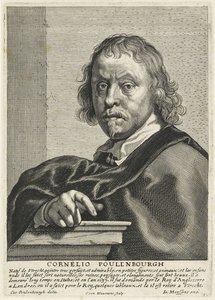
コーネリス・ファン・ポーレンブルフ
1594 - 1667 , オランダ
基本情報
- Artistic Movement Or Style: オランダ風景画、ローマ風
- Artists Or Movements Influenced By This Artist: ['クロード・ロレーン']
- Artists Who Influenced This Artist: ['アブラハム・ブロエマート']
- Date Of Birth: 1594年、ユトレヒト、オランダ
- Date Of Death: 1667年、ユトレヒト、オランダ
- Full Name: コルネリス・ファン・ポーレンブルフ
- Nationality: オランダ人
- Notable Artworks:
- ニンフを盗み見るサテュロス
- 神々の評議会
- Place Of Birth: ユトレヒト、オランダ
関連記事
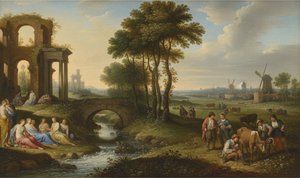
Cornelis van Poelenburch: Bridging Mannerism & the Dutch Baroque Landscape
Discover Cornelis van Poelenburch, a pivotal Dutch Baroque landscape painter bridging Mannerism & Italianate styles. Explore his life, key works, and lasting influence on 17th-century art with ArtsDot.

Dutch Baroque Masters: 10 Paintings That Shaped an Era | ArtsDot
Journey through the Golden Age with our guide to the Top 10 Dutch Baroque masterpieces! Explore iconic paintings by Rembrandt, Vermeer & Frans Hals. Find museum-quality art reproductions and elevate your home decor at ArtsDot.com.
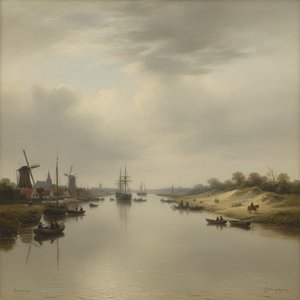
Jan van Goyen: Master of Dutch Landscape & Atmospheric Perspective
Discover Jan van Goyen, the master of Dutch landscape painting. Explore his subtle technique, atmospheric realism & lasting influence on art history. Learn about this 17th-century pioneer at ArtsDot.

レンブラント傑作25選:光と影の巨匠、魂を揺さぶる名画の世界 | ArtsDot
レンブラントの傑作25選。光と影の魔術師が描いた魂を揺さぶる名画の世界へ。美術史に残る自画像、夜警、宗教画…ArtsDotで高品質なアートプリントやインテリアアートをお楽しみください。コレクションはこちら→
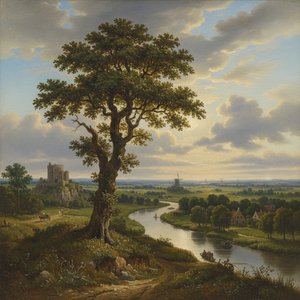
Jacob van Ruisdael: Master of Dutch Landscape & the Evocation of National Identity
Explore the life & work of Jacob van Ruisdael, the preeminent Dutch landscape painter. Discover his technical brilliance, symbolic depth, and lasting influence on art history. Learn about collecting Ruisdael's masterpieces.

