

 プレビュー
プレビュー
 プリントを購入
 シェアする
シェアする シェアする
シェアする
 詳細を見る
詳細を見る

 ダウンロード
 似ている作品
 X線調査
X線調査 スライドショー
The Prophet Elijah and the Widow of Zarephath
 Oil
Oil- WallArt
- Baroque
 1630
1630- Early Modern
 51.0 x 62.0 cm
 詳細を見る
詳細を見る




P118B $10

P118H $10

P118W $10

P438Z $10

P508JH $12

P508YH $12

P805H $10

P805Z $10

P919BZ $10

P919G $10

P919XJ $10

P959ZH $10

P968JZ $12

W106C $8

W218G $10

W218JH $8

W218Y $10

W307PJ $10

W316G $10

W316PJ $8

W316Y $10

W398PJ $8

W4111J $10

W500HY $15

W500JH $15

W692G $12

W849H $8

W940BG $15

W953PJ $8




作品のオリジナル比率に合わせた、当店の規定サイズからお選びください。

特定のフレームやスペースに合わせて、ご希望のサイズをご入力いただけます。選択されたサイズが元の画像の比率と異なる場合、アートワークをトリミングするか、手描きで要素を追加して絵画を拡張いたします。デジタルモックアップ を制作し、制作開始前にご確認(承認)をいただきます。
画面上のプレビューは、実際のトリミングや拡張を正確に反映しているものではありません。最終的な構図は、モックアップによってのみ正確にご確認いただけます。
カスタムサイズもご利用いただけますが、元の比率を維持するためには、あらかじめ用意されたリストからサイズを選択することをお勧めいたします。
ご注文後、ArtsDot.com チームより詳細な指示をお送りするとともに、仕上がりイメージ(モックアップ)をご提供いたします。


 ガラスオプションは、110cm未満のサイズでのみご利用いただけます。

The Prophet Elijah and the Widow of Zarephath
複製技法
複製画のサイズ
-


合計金額
$ 263
A Divine Encounter Amidst the Ruins
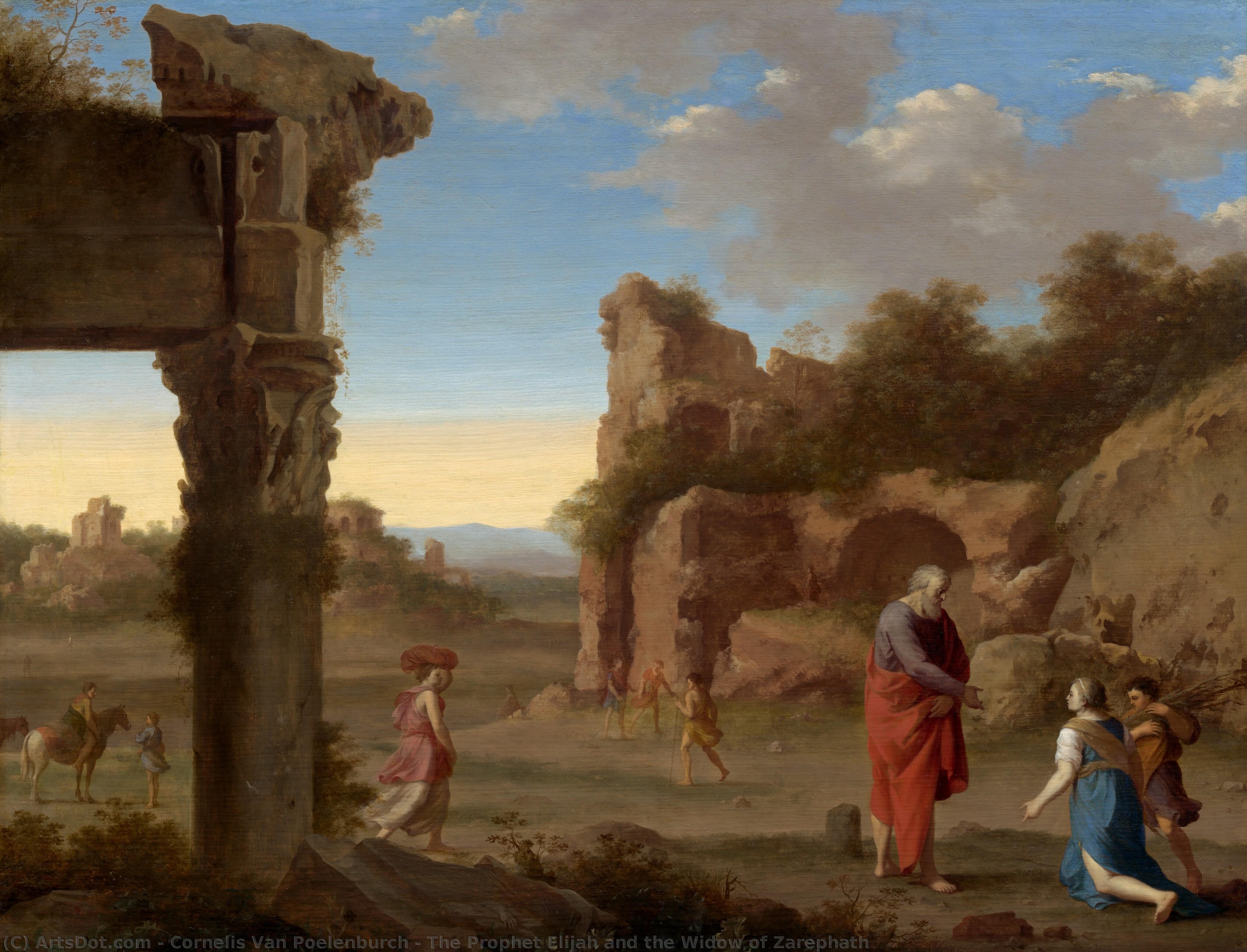
In the quiet, sun-drenched landscape of Cornelis van Poelenburch’s 1630 masterpiece, The Prophet Elijah and the Widow of Zarephath, time seems to suspend itself between the ancient past and a moment of profound spiritual revelation. The scene unfolds within a world of classical decay, where crumbling Roman-style entablatures and weathered stone columns rise from a verdant, scrubby earth. Here, amidst the ruins of a forgotten era, a sacred drama takes center stage. The elderly Prophet Elijah, distinguished by his steel-gray beard and a regal scarlet-red cloak, reaches out toward a kneeling young woman. Her posture—arms spread in a gesture of both supplication and awe—captures the very essence of faith meeting providence. Beside her, a small boy clutches a bundle of sticks, a poignant reminder of the humble, earthly struggles that underpin this divine interaction.
Van Poelenburch, a master of the Dutch Italianate style, breathes life into this biblical narrative through a sophisticated use of color and light. The palette is a rich tapestry of jewel tones: the sapphire-blue of the widow’s dress contrasts brilliantly against the thistle-purple of Elijah’s tunic, while the distant landscape glows with the warmth of honey-browns, rose-pinks, and golden yellows. This vibrant chromatic harmony does more than please the eye; it directs the viewer's soul through the composition, leading the gaze from the intimate foreground encounter toward the hazy, slate-blue mountains and the pale yellow horizon. The sky, transitioning from a soft dawn-like glow to a deep lapis blue, suggests an atmosphere of eternal significance, as if the heavens themselves are witnessing this miraculous meeting.
The Artistry of the Italianate Landscape
As a leading figure of the first generation of Dutch landscape painters active in Italy, Van Poelenburch brings a unique, cosmopolitan elegance to this work. His training under Abraham Bloemaert and his formative years in Rome allowed him to blend the meticulous detail characteristic of Dutch art with the idealized, classical beauty of the Italian countryside. In this painting, the technique is nothing short of exquisite. The artist employs fine, delicate brushwork to render the textures of weathered stone, soft foliage, and the heavy folds of draped fabric. This attention to detail creates a sense of tangible reality, making the presence of the two horses and the distant figures moving through the field feel like an organic part of a living, breathing world.
For the discerning collector or interior designer, this piece offers much more than mere decoration; it provides a window into a period of profound artistic synthesis. The way the light catches the edges of the ruins and illuminates the faces of the figures creates a sense of depth and luminosity that can transform any space. Whether placed in a grand gallery or a sophisticated private study, the painting serves as a focal point of contemplation. It invites the viewer to reflect on themes of resilience, hospitality, and the intersection of the human condition with the divine. Owning a high-quality reproduction of such a work allows one to bring this sense of historical grandeur and emotional depth into the modern home, offering a timeless piece of heritage that resonates with both classical beauty and spiritual grace.
関連作品
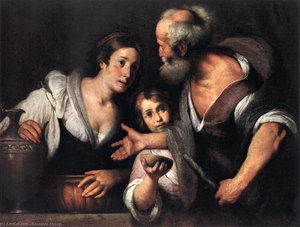
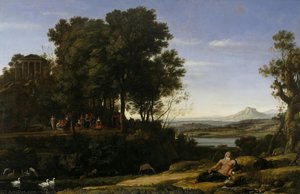
アーティストの略歴
初期の生活と修行
コーネリス・ファン・ポーレンブルフは、1594年にオランダのユトレヒトで生まれた著名なオランダの風景画家でした。彼は当初、同時代の名高い芸術家であったアブラハム・ブロエマートのもとで修行を積みました。この基礎的な訓練が、ファン・ポーレンブルフの将来の成功の礎を築いたのです。芸術的キャリアと影響
17世紀初頭にローマを旅した経験は、彼の作品に計り知れない影響を与え、彼をイタリアで活躍した第一世代のオランダ風景画家を代表する存在へと押し上げました。しばしば聖書や神話の場面を描いた小さな人物像が彩る、イタリア風の風景画が特徴的な彼の小品は、その類まれなる様式美を今に伝えています。注目すべき作品:- ニンフを覗き見るサテュロス(1627年頃)は、人物が沐浴する古風な風景を描いた、ファン・ポーレンブルフの代表的な作品の一つです。(ArtsDotで閲覧)
- 神々の評議会(1630年頃)は、ファン・ポーレンブルフの理想化された丘陵風景とローマ風の女神たちが描かれた作品で、現在マウリツィス美術館(ハーグ、オランダ)に所蔵されています。(ArtsDotで閲覧)
遺産と晩年
ファン・ポーレンブルフの作品は、トスカーナ公やオランダの州知など、同時代の多くの人々に高く評価されました。その後、彼はユトレヒトに戻り、古い師であるアブラハム・ブロエマートから数年しか経たない1667年に息を引き取りました。要点:- 1594年、オランダのユトレヒトで誕生
- アブラハム・ブロエマートのもとで修行
- ローマでの経験に影響を受ける
- 人物を描いた小規模なイタリア風の風景画で知られる
- 1667年にユトレヒトで死去 ArtsDotでコーネリス・ファン・ポーレンブルフの作品を見る ウィキペディアでコーネリス・ファン・ポーレンブルフについてもっと学ぶ
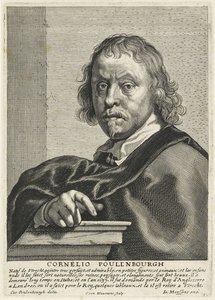
コーネリス・ファン・ポーレンブルフ
1594 - 1667 , オランダ
基本情報
- Artistic Movement Or Style: オランダ風景画、ローマ風
- Artists Or Movements Influenced By This Artist: ['クロード・ロレーン']
- Artists Who Influenced This Artist: ['アブラハム・ブロエマート']
- Date Of Birth: 1594年、ユトレヒト、オランダ
- Date Of Death: 1667年、ユトレヒト、オランダ
- Full Name: コルネリス・ファン・ポーレンブルフ
- Nationality: オランダ人
- Notable Artworks:
- ニンフを盗み見るサテュロス
- 神々の評議会
- Place Of Birth: ユトレヒト、オランダ
関連記事
Neo-Classicism's Greatest Hits: 10 Masterpieces for Your Home |
Journey through Neo-Classicism's finest! Explore 10 iconic masterpieces by David, Ingres & Canova. Discover art history, techniques & timeless beauty – perfect for inspiring your home decor. Find museum-quality reproductions at
The Enduring Legacy of Classicism: Principles, Evolution & Influence in Western Art
Explore the enduring legacy of Classicism in Western art! Discover its historical context, key principles, iconic masterpieces & lasting influence. Learn about Renaissance and Neoclassical movements with ArtsDot.
Golden Light & Dutch Skies: Bringing the Magic of Dutch Golden Age Landscapes into Your Home
Transform your home with the breathtaking light of Dutch Golden Age landscapes. Discover how hand-painted oil reproductions of masterworks like Ruisdael and Vermeer bring timeless elegance, atmosphere, and soulful texture to modern interiors. Elevate your space with museum-quality art.

Golden Age Reflections: Dutch Baroque Painting & Cultural Innovation
Explore the Dutch Golden Age of painting! Discover key artists like Vermeer & ter Borch, their innovative techniques, and the rich cultural context behind these Baroque masterpieces. Learn about collecting & appreciating this iconic art period.

黄金世紀の巨匠たち:バロック絵画が彩る10選|ArtsDot
オランダ黄金時代の10大傑作を紐解く!レンブラント、フェルメール…バロック絵画の魅力と時代背景を深く探求。ArtsDotで、至高のアートコレクションと空間演出のヒントを見つけよう。高品質なアートプリントで、お部屋を華やかに。

