

 プレビュー
プレビュー
 プリントを購入
 シェアする
シェアする シェアする
シェアする
 詳細を見る
詳細を見る

 ダウンロード
 似ている作品
 X線調査
X線調査 スライドショー
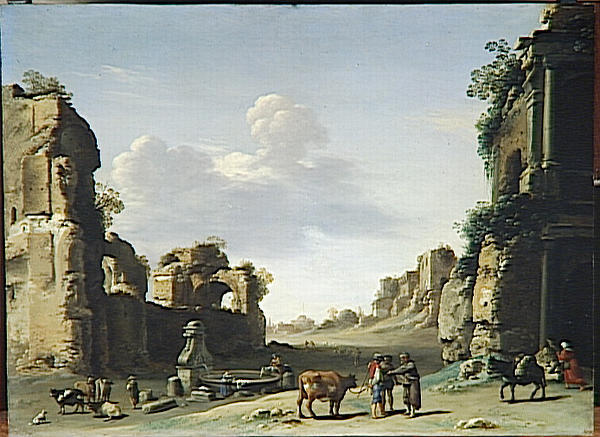
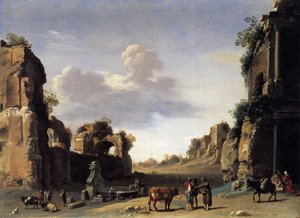
VUE DE FANTAISIE DU CAMPO VACCINO A ROME AVEC UN ANE


 詳細を見る
詳細を見る




P118B $10

P118H $10

P118W $10

P438Z $10

P508JH $12

P508YH $12

P805H $10

P805Z $10

P919BZ $10

P919G $10

P919XJ $10

P959ZH $10

P968JZ $12

W106C $8

W218G $10

W218JH $8

W218Y $10

W307PJ $10

W316G $10

W316PJ $8

W316Y $10

W398PJ $8

W4111J $10

W500HY $15

W500JH $15

W692G $12

W849H $8

W940BG $15

W953PJ $8




作品のオリジナル比率に合わせた、当店の規定サイズからお選びください。

特定のフレームやスペースに合わせて、ご希望のサイズをご入力いただけます。選択されたサイズが元の画像の比率と異なる場合、アートワークをトリミングするか、手描きで要素を追加して絵画を拡張いたします。デジタルモックアップ を制作し、制作開始前にご確認(承認)をいただきます。
画面上のプレビューは、実際のトリミングや拡張を正確に反映しているものではありません。最終的な構図は、モックアップによってのみ正確にご確認いただけます。
カスタムサイズもご利用いただけますが、元の比率を維持するためには、あらかじめ用意されたリストからサイズを選択することをお勧めいたします。
ご注文後、ArtsDot.com チームより詳細な指示をお送りするとともに、仕上がりイメージ(モックアップ)をご提供いたします。


 ガラスオプションは、110cm未満のサイズでのみご利用いただけます。

VUE DE FANTAISIE DU CAMPO VACCINO A ROME AVEC UN ANE
複製技法
複製画のサイズ
-


合計金額
$ 313
Cornelis van Poelenburgh: A Pioneer of Dutch Landscape Painting
Cornelis van Poelenburgh (1594 – 1667), born in Utrecht, Netherlands, stands as one of the foremost figures in the inaugural generation of Dutch landscape painters active during the Golden Age. His formative years were spent under the tutelage of Abraham Bloemaert, a celebrated artist whose influence profoundly shaped van Poelenburgh’s artistic trajectory. This foundational training instilled within him a meticulous approach to observation and representation—a characteristic that would define his distinctive style and solidify his legacy as a visionary interpreter of the natural world.- Early Life & Training: Bloemaert's guidance fostered van Poelenburgh’s technical prowess, equipping him with the skills necessary for mastering oil painting techniques and achieving remarkable tonal nuances.
- The Roman Influence: A pivotal moment arrived when van Poelenburgh embarked on a journey to Rome in the early 1620s, immersing himself in the artistic fervor of the Italian Renaissance. This immersion irrevocably altered his aesthetic sensibilities, propelling him toward a style characterized by idealized landscapes populated by diminutive figures enacting biblical or mythological narratives—a stylistic hallmark that distinguishes him from his contemporaries.
Notable Works: Capturing Myth and Majesty
Van Poelenburgh’s artistic output yielded several masterpieces that continue to captivate audiences today. “Satyrs spying on nymphs” (after 1627), exemplifies his masterful command of archaic landscapes, populated by figures engaged in serene contemplation amidst breathtaking vistas—a scene imbued with a palpable sense of timeless beauty and spiritual resonance. Similarly, "Council of the Gods" (c. 1630) showcases van Poelenburgh’s unwavering dedication to idealized hilly landscapes adorned with Roman-inspired goddesses, now residing within the Mauritshuis in The Hague. This painting embodies the artist's profound admiration for classical antiquity and his ability to convey its grandeur through meticulous detail and harmonious composition.Technique & Materials: Mastering Oil on Canvas
Van Poelenburgh’s artistic technique revolved around traditional oil painting methods, prioritizing layering colors with painstaking precision and utilizing glazing—a process that achieved subtle tonal variations and enhanced the luminosity of his canvases. He skillfully employed linear perspective to create depth within his landscapes, mirroring the conventions of Renaissance art while simultaneously injecting a uniquely Dutch sensibility into his depictions of nature. The resulting textures—rough surfaces for rocky formations, smoother areas for architectural ruins, and softer tones for atmospheric haze—contribute to an overall impression of understated elegance and artistic refinement.Symbolism & Emotional Resonance: Echoes of Antiquity
Beyond mere visual representation, van Poelenburgh’s paintings resonate with symbolic significance, evoking a profound awareness of the passage of time and reflecting upon humanity's relationship with the cosmos. The ruins scattered throughout his landscapes serve as reminders of past glories—a poignant commentary on mortality and an invitation to contemplate the enduring beauty of nature. Overall, his works convey tranquility and nostalgia for classical antiquity—capturing not only the splendor of the Roman landscape but also the spiritual contemplation inherent in observing its sublime grandeur.Legacy & Influence: Shaping Dutch Landscape Painting
Cornelis van Poelenburgh’s contribution to Dutch landscape painting is undeniable. He established himself as a pioneer of his era, pioneering a style that blended realism with idealized elements—a stylistic approach that would inspire generations of artists to follow. His enduring influence can be discerned in the works of subsequent painters who embraced similar techniques and pursued comparable artistic ambitions—solidifying van Poelenburgh’s position as one of the most revered figures within Dutch art history.関連作品
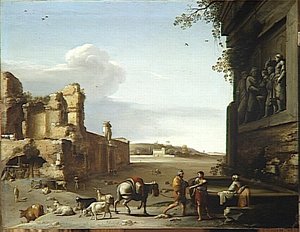
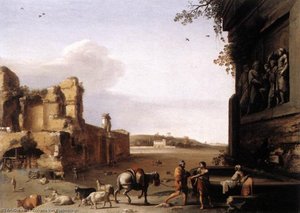
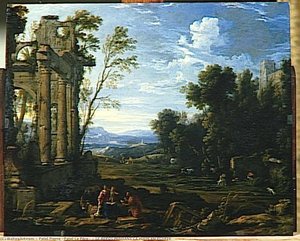
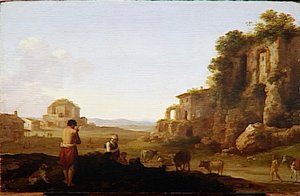
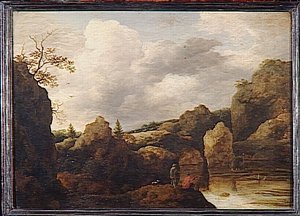
アーティストの略歴
初期の生活と修行
コーネリス・ファン・ポーレンブルフは、1594年にオランダのユトレヒトで生まれた著名なオランダの風景画家でした。彼は当初、同時代の名高い芸術家であったアブラハム・ブロエマートのもとで修行を積みました。この基礎的な訓練が、ファン・ポーレンブルフの将来の成功の礎を築いたのです。芸術的キャリアと影響
17世紀初頭にローマを旅した経験は、彼の作品に計り知れない影響を与え、彼をイタリアで活躍した第一世代のオランダ風景画家を代表する存在へと押し上げました。しばしば聖書や神話の場面を描いた小さな人物像が彩る、イタリア風の風景画が特徴的な彼の小品は、その類まれなる様式美を今に伝えています。注目すべき作品:- ニンフを覗き見るサテュロス(1627年頃)は、人物が沐浴する古風な風景を描いた、ファン・ポーレンブルフの代表的な作品の一つです。(ArtsDotで閲覧)
- 神々の評議会(1630年頃)は、ファン・ポーレンブルフの理想化された丘陵風景とローマ風の女神たちが描かれた作品で、現在マウリツィス美術館(ハーグ、オランダ)に所蔵されています。(ArtsDotで閲覧)
遺産と晩年
ファン・ポーレンブルフの作品は、トスカーナ公やオランダの州知など、同時代の多くの人々に高く評価されました。その後、彼はユトレヒトに戻り、古い師であるアブラハム・ブロエマートから数年しか経たない1667年に息を引き取りました。要点:- 1594年、オランダのユトレヒトで誕生
- アブラハム・ブロエマートのもとで修行
- ローマでの経験に影響を受ける
- 人物を描いた小規模なイタリア風の風景画で知られる
- 1667年にユトレヒトで死去 ArtsDotでコーネリス・ファン・ポーレンブルフの作品を見る ウィキペディアでコーネリス・ファン・ポーレンブルフについてもっと学ぶ
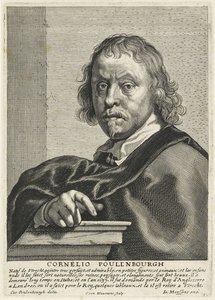
コーネリス・ファン・ポーレンブルフ
1594 - 1667 , オランダ
基本情報
- Artistic Movement Or Style: オランダ風景画、ローマ風
- Artists Or Movements Influenced By This Artist: ['クロード・ロレーン']
- Artists Who Influenced This Artist: ['アブラハム・ブロエマート']
- Date Of Birth: 1594年、ユトレヒト、オランダ
- Date Of Death: 1667年、ユトレヒト、オランダ
- Full Name: コルネリス・ファン・ポーレンブルフ
- Nationality: オランダ人
- Notable Artworks:
- ニンフを盗み見るサテュロス
- 神々の評議会
- Place Of Birth: ユトレヒト、オランダ
関連記事
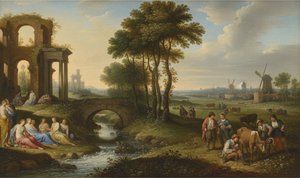
Cornelis van Poelenburch: Bridging Mannerism & the Dutch Baroque Landscape
Discover Cornelis van Poelenburch, a pivotal Dutch Baroque landscape painter bridging Mannerism & Italianate styles. Explore his life, key works, and lasting influence on 17th-century art with ArtsDot.
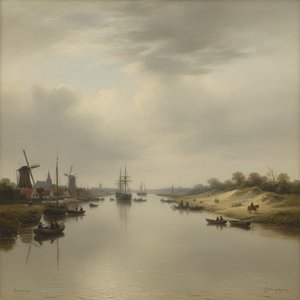
Jan van Goyen: Master of Dutch Landscape & Atmospheric Perspective
Discover Jan van Goyen, the master of Dutch landscape painting. Explore his subtle technique, atmospheric realism & lasting influence on art history. Learn about this 17th-century pioneer at ArtsDot.

レンブラント傑作25選:光と影の巨匠、魂を揺さぶる名画の世界 | ArtsDot
レンブラントの傑作25選。光と影の魔術師が描いた魂を揺さぶる名画の世界へ。美術史に残る自画像、夜警、宗教画…ArtsDotで高品質なアートプリントやインテリアアートをお楽しみください。コレクションはこちら→
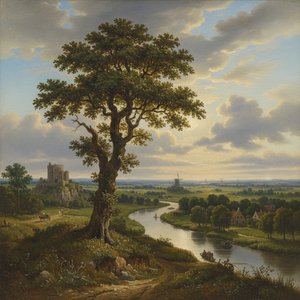
Jacob van Ruisdael: Master of Dutch Landscape & the Evocation of National Identity
Explore the life & work of Jacob van Ruisdael, the preeminent Dutch landscape painter. Discover his technical brilliance, symbolic depth, and lasting influence on art history. Learn about collecting Ruisdael's masterpieces.
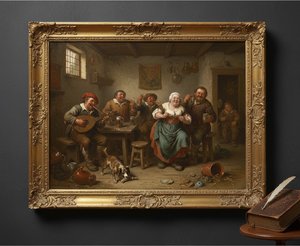
Adriaen van Ostade: A Master of Dutch Genre Painting & Social Commentary
Explore the life & work of Adriaen van Ostade, a leading Dutch Golden Age painter. Discover his realistic genre scenes, social commentary, and lasting influence on art history. Learn more at ArtsDot.

