

 プレビュー
プレビュー
 プリントを購入
 シェアする
シェアする シェアする
シェアする
 詳細を見る
詳細を見る

 ダウンロード
 似ている作品
 X線調査
X線調査 スライドショー
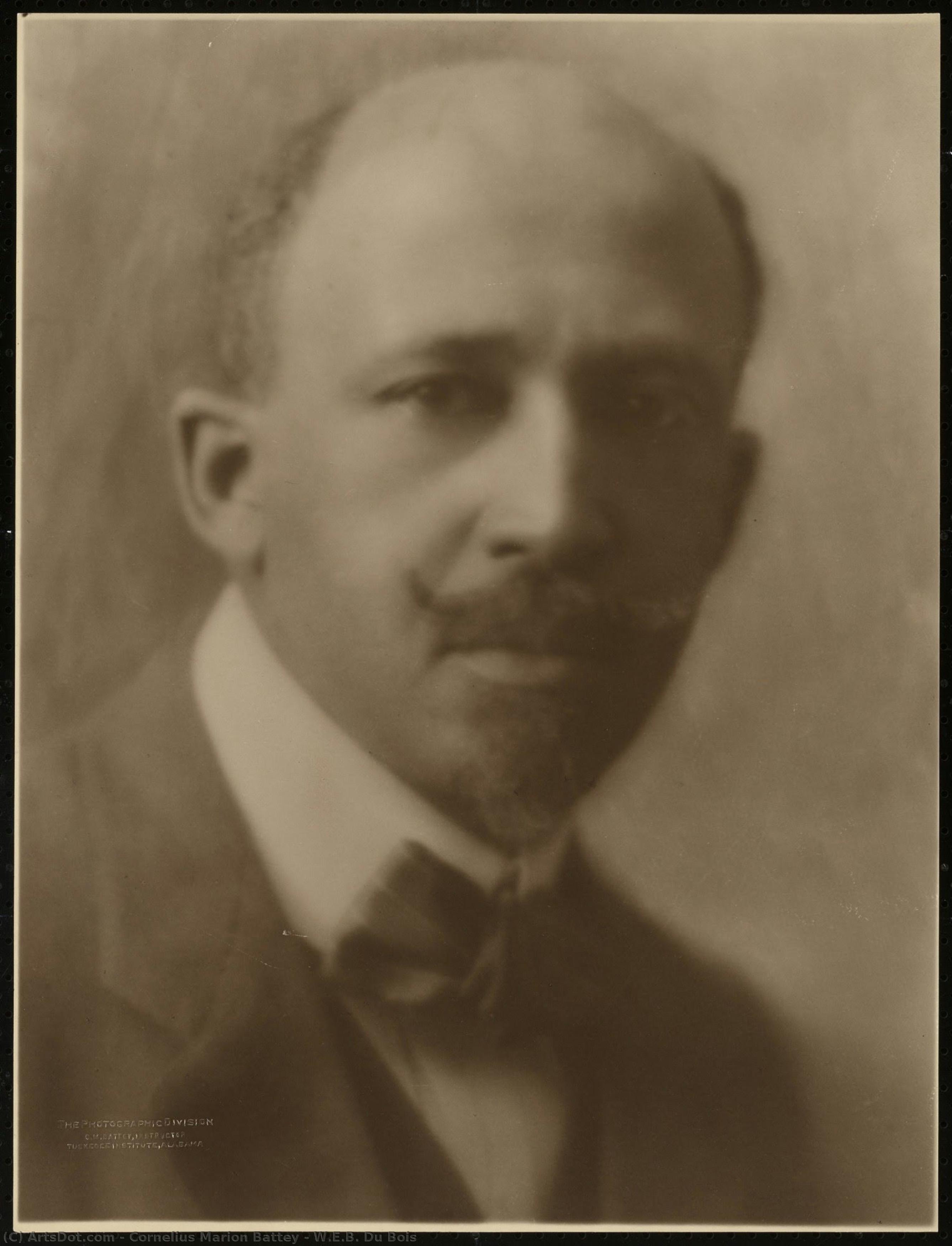
W.E.B. Du Bois
 1918
1918 34.0 x 26.0 cm
 National Museum of African American History and Culture
 詳細を見る
詳細を見る




































作品のオリジナル比率に合わせた、当店の規定サイズからお選びください。

特定のフレームやスペースに合わせて、ご希望のサイズをご入力いただけます。選択されたサイズが元の画像の比率と異なる場合、アートワークをトリミングするか、手描きで要素を追加して絵画を拡張いたします。デジタルモックアップ を制作し、制作開始前にご確認(承認)をいただきます。
画面上のプレビューは、実際のトリミングや拡張を正確に反映しているものではありません。最終的な構図は、モックアップによってのみ正確にご確認いただけます。
カスタムサイズもご利用いただけますが、元の比率を維持するためには、あらかじめ用意されたリストからサイズを選択することをお勧めいたします。
ご注文後、ArtsDot.com チームより詳細な指示をお送りするとともに、仕上がりイメージ(モックアップ)をご提供いたします。


 ガラスオプションは、110cm未満のサイズでのみご利用いただけます。

W.E.B. Du Bois
複製技法
複製画のサイズ
-


合計金額
$ 263
関連作品









アーティストの略歴
The Visionary Lens of Cornelius Marion Battey
In the soft, luminous grain of a platinum print, one finds more than just a likeness; one finds a profound reclamation of identity. Cornelius Marion Battey, a master of the Pictorialist style, did not merely capture faces; he sculpted dignity from light and shadow. Born in Augusta, Georgia, in 1873, Battey’s journey through the American landscape—from the industrial pulse of Cleveland to the vibrant artistic corridors of Manhattan—prepared him to become one of the most significant visual chroniclers of the African American experience during the early twentieth century. His work emerged at a time when the prevailing visual narrative often sought to diminish Black humanity, and in response, Battey utilized the camera as a tool of grace, elevating his subjects to a plane of timeless elegance.
Battey’s technical mastery was forged in the prestigious studios of New York City, where he honed his craft under the rigorous standards of commercial excellence. His tenure at the Bradley Photographic Studio on Fifth Avenue and his leadership within the retouching department at Underwood & Underwood provided him with a sophisticated understanding of light manipulation. Embracing the Pictorialist movement, Battey moved away from the stark, clinical realism of traditional documentary photography. Instead, he adopted a technique reminiscent of a painter’s brushstroke, utilizing soft focus and meticulous retouching to create an ethereal glow around his sitters. This stylistic choice was deeply intentional; by softening edges and emphasizing luminosity, he imbued his portraits with an idealized, almost mythic quality that celebrated the intellectual and social stature of his subjects.
A Legacy of Representation and Resistance
The true historical weight of Battey’s oeuvre lies in its profound social impact. Through his Battey and Warren Studio, he established a visual language for Black excellence that challenged the pervasive racial stereotypes of the Jim Crow era. His collaboration with the legendary W. E. B. Du Bois was particularly transformative. As a regular contributor to The Crisis, the official magazine of the NAACP, Battey’s portraits provided a counter-narrative to the caricatures found in mainstream media. He placed the faces of Black intellectuals, writers, and statesmen—figures such as Paul Laurence Dunbar and Frederick Douglass—into the public consciousness with an unmistakable aura of authority and poise.
Beyond the printed page, Battey’s influence extended into the very institutions shaping the future of Black education and leadership. His appointment to head the photography department at the Tuskegee Institute allowed him to mentor a new generation of photographers and document the burgeoning progress of the era. His lens captured not only the leaders of the day, such as Booker T. Washington, but also the quiet strength of a community in transition. Today, the rediscovered archives of his work serve as a vital bridge to the past, reminding us that through the careful manipulation of light and shadow, an artist can illuminate the enduring truth of human dignity.
Key Contributions and Historical Milestones:
- Pioneering Pictorialism: Applied fine-art photographic techniques to elevate Black portraiture above mere documentation.
- Media Influence: Provided iconic imagery for The Crisis magazine, shaping the visual identity of the early Civil Rights movement.
- Institutional Impact: Directed the photography department at the Tuskegee Institute, fostering artistic growth within African American academic spaces.
- Subject Diversity: Documented a wide spectrum of Black excellence, from political leaders like Presidents Coolidge and Taft to literary giants.

cornelius marion battey
1873 - 1927 , Georgia
基本情報
- Artistic Movement Or Style: Pictorialist
- Artists Or Movements Influenced By This Artist: ['Impressionism']
- Artists Who Influenced This Artist: ['Alfred Stieglitz']
- Date Of Birth: August 26, 1873
- Date Of Death: March 14, 1927
- Full Name: Cornelius Marion Battey
- Nationality: American
- Notable Artworks:
- Frederick Douglass
- Booker T. Washington
- Place Of Birth: Augusta, Georgia

