

 プレビュー
プレビュー
 プリントを購入
 シェアする
シェアする シェアする
シェアする
 詳細を見る
詳細を見る

 ダウンロード
 似ている作品
 X線調査
X線調査 スライドショー
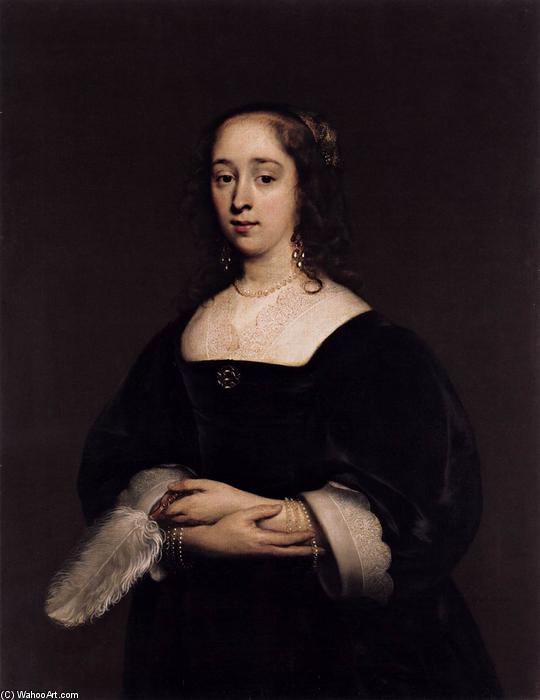
Portrait of a Woman
 Oil On Canvas
- WallArt
- Baroque
 1648
1648 104.0 x 80.0 cm
 メトロポリタン美術館
 詳細を見る
詳細を見る




P118B $10

P118H $10

P118W $10

P438Z $10

P508JH $12

P508YH $12

P805H $10

P805Z $10

P919BZ $10

P919G $10

P919XJ $10

P959ZH $10

P968JZ $12

W106C $8

W218G $10

W218JH $8

W218Y $10

W307PJ $10

W316G $10

W316PJ $8

W316Y $10

W398PJ $8

W4111J $10

W500HY $15

W500JH $15

W692G $12

W849H $8

W940BG $15

W953PJ $8




作品のオリジナル比率に合わせた、当店の規定サイズからお選びください。

特定のフレームやスペースに合わせて、ご希望のサイズをご入力いただけます。選択されたサイズが元の画像の比率と異なる場合、アートワークをトリミングするか、手描きで要素を追加して絵画を拡張いたします。デジタルモックアップ を制作し、制作開始前にご確認(承認)をいただきます。
画面上のプレビューは、実際のトリミングや拡張を正確に反映しているものではありません。最終的な構図は、モックアップによってのみ正確にご確認いただけます。
カスタムサイズもご利用いただけますが、元の比率を維持するためには、あらかじめ用意されたリストからサイズを選択することをお勧めいたします。
ご注文後、ArtsDot.com チームより詳細な指示をお送りするとともに、仕上がりイメージ(モックアップ)をご提供いたします。


 ガラスオプションは、110cm未満のサイズでのみご利用いただけます。

Portrait of a Woman
複製技法
複製画のサイズ
-


合計金額
$ 263
作品解説
A Portrait of Grace and Dignity: Cornelius van Ceulen’s ‘Portrait of a Woman’ (1648)
Cornelius van Ceulen's “Portrait of a Woman,” painted in 1648, is more than just a likeness; it’s a carefully constructed tableau of wealth, status, and quiet contemplation. Housed within the hallowed halls of the Metropolitan Museum of Art, this oil-on-canvas masterpiece offers a captivating glimpse into the burgeoning artistic landscape of early 17th-century England – a period where portraiture was rapidly evolving beyond simple representation to become a sophisticated exploration of personality and social standing.
Van Ceulen, an English painter with strong ties to the Flemish tradition, possessed a remarkable ability to capture the essence of his subjects. He was particularly celebrated for his meticulous attention to detail, especially in rendering clothing – a skill that clearly shines through in this portrait. The woman depicted is presented as a figure of considerable importance, dressed in the sumptuous fabrics and elaborate adornments characteristic of the era’s elite. Her velvet bodice, adorned with delicate lace at the neckline and cuffs, speaks volumes about her family's wealth and influence. The pearl necklace and earrings further emphasize this sense of opulence, while the white feather fan – a symbol of refinement and leisure – adds an element of grace to her demeanor.
Masterful Technique: Light, Shadow, and Texture
What immediately draws the eye is Van Ceulen’s masterful command of light and shadow. The painting employs a dramatic chiaroscuro technique—a hallmark of Baroque art—to sculpt the subject's features and clothing with remarkable precision. Deep shadows accentuate the folds of her gown, creating a sense of volume and texture that invites the viewer to almost reach out and touch the velvet. The stark contrast between light and dark not only enhances the realism but also directs our attention to her face – a serene expression of composure and quiet dignity.
Beyond the dramatic lighting, Van Ceulen’s brushwork is incredibly detailed and refined. He meticulously renders the intricate patterns of the lace, the subtle sheen of the velvet, and the delicate curves of her hair. The artist's use of layering and glazing creates a rich, luminous surface that seems to shimmer with life. The dark background serves as a powerful foil, intensifying the luminosity of the subject’s face and attire, further emphasizing her presence within the composition.
Symbolism and Social Context
The portrait is deeply rooted in its historical context. In 17th-century England, portraits were not merely decorative; they served as powerful statements of identity and social status. The woman’s attire—the rich velvet, the elaborate lace, the pearl jewelry—clearly indicates her position within the upper echelons of society. The pose itself – upright, composed, and gazing directly at the viewer – conveys an air of authority and self-assurance.
Furthermore, the inclusion of the feather fan is significant. It was a popular accessory among women of means during this period, signifying both elegance and leisure. The woman’s serene expression suggests a cultivated sensibility—a reflection of the values prized by the aristocracy. The painting offers a window into the lives and aspirations of England's elite, revealing a world of wealth, refinement, and carefully constructed appearances.
A Timeless Portrait of Dignity
"Portrait of a Woman" is more than just a beautiful artwork; it’s a testament to Van Ceulen’s artistic skill and his ability to capture the essence of his subject. The painting's enduring appeal lies in its combination of technical mastery, symbolic richness, and emotional depth. It invites us to contemplate not only the woman depicted but also the social and cultural context that shaped her life and legacy. Whether admired for its exquisite detail or appreciated for its profound sense of grace and dignity, this portrait remains a captivating masterpiece of the Dutch Golden Age.
関連作品



アーティストの略歴
A Legacy of Light and Line: The Life of Cornelius Jonson van Ceulen
In the vibrant tapestry of the Dutch Golden Age, few threads are woven with as much precision and psychological depth as those left by Cornelius Jontsen van Ceulen. Born in London in 1593 to a Dutch diplomat, his very origins reflect the cosmopolitan spirit of the era, bridging the gap between English courtly life and the burgeoning artistic mastery of the Low Countries. As the son of Willem van Ceulen, a man deeply embedded in European political circles, Cornelius was raised amidst an atmosphere of cultural exchange that would later define his aesthetic sensibilities. His early exposure to Flemish traditions provided a foundation of richness and detail, yet it was his formal training that truly ignited his genius.
The trajectory of his career was irrevocably altered by his apprenticeship under the legendary Frans Hals. Under the watchful eye of this master of the Dutch school, Ceulen did not merely learn to apply pigment to canvas; he learned to capture the ephemeral nature of human emotion. From Hals, he inherited a profound command of chiarosc de lum and a dedication to naturalism that eschewed stiff formality in favor of breathing, living subjects. This period of development was crucial, as it instilled in him the ability to use light not just as a tool for visibility, but as a narrative force capable of sculpting faces and imbuing skin tones with a lifelike warmth.
Mastery of the Human Spirit and Sacred Narrative
Ceulen’s body of work is characterized by an extraordinary versatility that allowed him to move seamlessly between the intimate confines of portraiture and the grand, sweeping drama of biblical storytelling. In his portraits, he achieved a level of technical mastery that made him a sought-after chronicler of the era's notable figures. His ability to render the delicate textures of lace, the heavy weight of velvet, and the subtle sheen of silk served to elevate his subjects, yet he never allowed material wealth to overshadow the individual’s character. Works such as the Portrait of Carew Gorges and the Portrait of Ann Fanshawe stand as testaments to this balance, showcasing a remarkable ability to capture nuanced expressions and a sense of enduring dignity.
Beyond the secular realm, Ceulen found profound expression in religious iconography. His biblical scenes are far more than mere illustrations of scripture; they are immersive experiences imbued with spiritual resonance. By employing atmospheric perspective, he could transport the viewer from the domestic intimacy of a portrait to the vast, tranquil landscapes of a sacred narrative. This skill allowed him to create a sense of spatial realism that made the divine feel tangibly present. His religious works often utilized a sophisticated interplay of shadow and light to guide the eye through complex compositions, ensuring that the theological weight of the subject matter was felt as much as it was seen.
Historical Significance and Artistic Enduring Impact
The historical significance of Cornelius Jonson van Ceulen lies in his role as a bridge between the late Renaissance and the full flowering of the Baroque. He took the foundational principles of his predecessors and infused them with a new, palpable vitality. His achievements can be summarized through several key artistic contributions:
- The Refinement of Portraiture: He elevated the genre by integrating the psychological realism of the Hals tradition with an unparalleled attention to textural detail.
- Narrative Depth in Sacred Art: He successfully utilized landscape and light to bring biblical stories to life, making religious themes accessible and emotionally resonant for his contemporary audience.
- Technical Innovation: His mastery of oil painting techniques allowed for a level of precision in skin tones and fabric rendering that set a high standard for 17th-century Dutch painters.
Though the passage of centuries has weathered many works of art, the legacy of Ceulen remains preserved in the prestigious collections of Amsterdam’s museums. He remains a pivotal figure whose work continues to fascinate scholars and art lovers alike, serving as a window into a period of unparalleled human creativity and cultural flourishing. His ability to capture the fleeting essence of a moment—be it a subtle smile or a divine light breaking through clouds—ensures his place in the pantheon of the great masters of the Dutch Golden Age.
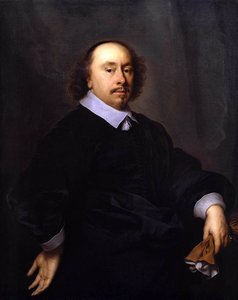
cornelius the elder jonson van ceulen
1593 - 1661 , United Kingdom
基本情報
- Artistic Movement Or Style: Dutch Golden Age Art
- Artists Or Movements Influenced By This Artist: ['Baroque']
- Artists Who Influenced This Artist: ['Jan van Goyen']
- Date Of Birth: 1593
- Full Name: Cornelius the Elder Jonson Van Ceulen
- Nationality: Dutch
- Notable Artworks:
- Portrait of a Man with a Watch
- Portrait of a Woman
- Place Of Birth: London, United Kingdom
関連記事

黄金世紀の巨匠たち:バロック絵画が彩る10選|ArtsDot
オランダ黄金時代の10大傑作を紐解く!レンブラント、フェルメール…バロック絵画の魅力と時代背景を深く探求。ArtsDotで、至高のアートコレクションと空間演出のヒントを見つけよう。高品質なアートプリントで、お部屋を華やかに。

レンブラント傑作25選:光と影の巨匠、魂を揺さぶる名画の世界 | ArtsDot
レンブラントの傑作25選。光と影の魔術師が描いた魂を揺さぶる名画の世界へ。美術史に残る自画像、夜警、宗教画…ArtsDotで高品質なアートプリントやインテリアアートをお楽しみください。コレクションはこちら→

Golden Age Reflections: Dutch Baroque Painting & Cultural Innovation
Explore the Dutch Golden Age of painting! Discover key artists like Vermeer & ter Borch, their innovative techniques, and the rich cultural context behind these Baroque masterpieces. Learn about collecting & appreciating this iconic art period.
Willem van de Velde the Elder: Master of Maritime Painting & Chronicler of the Dutch Golden Age
Discover the captivating maritime paintings of Willem van de Velde the Elder, a master chronicler of the Dutch Golden Age. Explore his unparalleled realism and lasting influence on naval art history.

Illuminating Innovation: Exploring the Dutch Golden Age of Painting
Explore the Dutch Golden Age of painting with ArtsDot. Discover Rembrandt, Vermeer & other Masters. Learn about key characteristics, iconic artworks, and lasting influence. Expert insights for collectors & enthusiasts.

