

 プレビュー
プレビュー
 シェアする
シェアする シェアする
シェアする
 詳細を見る
詳細を見る

 ダウンロード
 似ている作品
 X線調査
X線調査 スライドショー
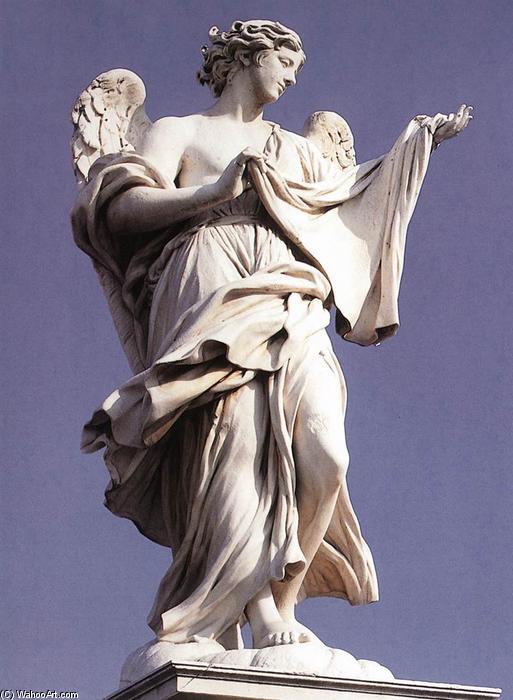
Angel with the Sudarium


 詳細を見る
詳細を見る
ジークレー/アートプリント
迅速な制作と多彩な仕上げオプションを備えた、ミュージアムクオリティのジークレーまたはキャンバスプリント。 ( 手描きの絵画を購入 画像を購入)




































作品のオリジナル比率に合わせた、当店の規定サイズからお選びください。

特定のフレームやスペースに合わせて、ご自身でサイズを指定することも可能です。選択されたサイズが元の画像の比率と一致しない場合、作品をトリミングするか、鏡面反射または単色での塗りつぶしによって画像を拡張いたします。制作を開始する前に、ご確認用のデジタルモックアップをお送りいたします。
画面上のプレビューには、実際のトリミングや拡張は反映されませんのでご注意ください。最終的な構図を正確に確認できるのは、モックアップのみとなります。
カスタムサイズも承っておりますが、元の比率を維持するためには、あらかじめ用意されたリストからサイズを選択することをお勧めいたします。


 ガラスオプションは、110cm未満のサイズでのみご利用いただけます。

Angel with the Sudarium
ジークレー/アートプリント
複製画のサイズ
-


合計金額
$ 62
関連作品

アーティストの略歴
The Sculptural Legacy of Cosimo Fancelli
In the heart of Baroque Rome, a period defined by theatrical grandeur and emotional intensity, the name Cosimo Fancelli resonates as a testament to the power of collaborative genius. Born in 1620 into a family deeply rooted in the tactile traditions of stonecutting, Fancelli was destined for the chisel. The son of Carlo Fancelli, a skilled artisan from Arezzo, his very upbringing was steeped in the dust and grit of the sculptural workshop. This familial lineage provided more than just technical foundation; it offered a profound connection to the raw materials of art, allowing him to transform cold marble and malleable stucco into breathing, dramatic narratives that would eventually grace the most sacred spaces in Italy.
Fancelli’s artistic journey was profoundly shaped by his early apprenticeship in the studio of Gian Lorenzo Bernini, the undisputed titan of the Roman Baroque. Under Bernini’s watchful eye, Fancelli absorbed the secrets of movement, light, and illusionism. He learned how to manipulate stone to mimic the softness of flesh and the flowing energy of drapery, a skill that earned him immense respect within the Roman art scene. By 1652, Bernini himself regarded Fancical as one of the finest sculptors active in the city, a testament to the young artist's ability to capture the dynamic spirit of his master while developing a distinct, refined touch.
A Master of Collaboration and Ornamentation
While his training under Bernini provided the stylistic blueprint, Fancelli’s career was truly defined by his remarkable ability to work alongside the era's greatest innovators. He did not merely exist in the shadow of giants; he stood beside them. His long-standing alliance with Pietro da Cortona, beginning in 1647, saw him contributing to some of the most ambitious decorative programs of the 17th century. Together, they breathed life into architectural voids, turning churches and piazzas into immersive stages of divine drama. Whether working on the frescoes of Santa Maria in Vallicella or the intricate ornamentation of San Carlo al Corso, Fancelli’s hand was essential in creating the cohesive, overwhelming beauty characteristic of the Baroque.
His work often blurred the lines between sculpture and architecture, particularly through his mastery of stucco. This medium allowed him to create delicate, ethereal decorations that seemed to float within the heavy stone structures of Rome. Notable achievements include:
- St. Peter's Basilica: Alongside his brother Giacomo Antonio, Fancelli executed the exquisite stucco figures of Clemenza and Contemplazione on the pendentives of the central nave, contributing to the very heart of Catholic majesty.
- Piazza Navona: His involvement in the monumental Fountain of the Four Rivers, specifically the creation of the colossal Nile statue, showcases his ability to handle large-scale, public commissions that define a city's identity.
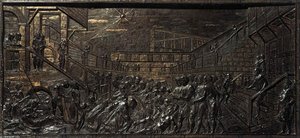
- Santa Maria della Pace: The bronze altarpiece of the Deposition, modeled from a Cortona drawing, remains celebrated as one of his most poignant and technically accomplished works.
Historical Significance and Artistic Enduring Spirit
The career of Cosimo Fancelli serves as a window into the collaborative ecosystem of Baroque Rome. His life was not a solitary pursuit of fame but a dedicated contribution to a collective movement of splendor. Through his work on sites like Santa Maria in Via Lata and the Church of the Gesù, he helped weave the sculptural fabric of a city that sought to manifest the divine through physical beauty. He possessed the rare versatility required to move between the monumental scale of public fountains and the intimate, delicate details of religious altarpieces.
As we look back on his life, which concluded in 1688, we see an artist who mastered the art of the ensemble. Fancelli’s legacy is found not only in individual masterpieces but in the very atmosphere of Rome itself—in the way light hits a gilded stucco curve or how a marble figure seems to break free from its pedestal. He remains a vital figure of the Baroque, a sculptor whose hands helped shape the visual language of an era defined by awe, devotion, and unparalleled artistic movement.
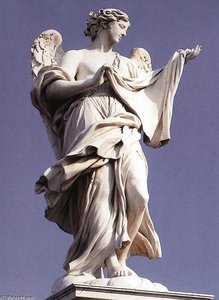
Cosimo Fancelli
1620 - 1688 , Italy
基本情報
- Artistic Movement Or Style: Baroque sculpture
- Artists Or Movements Influenced By This Artist: ['Religious Sculpture']
- Artists Who Influenced This Artist:
- Bernini
- Cortona
- Date Of Birth: ca. 1620
- Date Of Death: 1688
- Full Name: Cosimo Fancelli
- Nationality: Italian
- Notable Artworks:
- Angel With Sudarium
- Angel with the Sudarium
- Place Of Birth: Rome, Italy