

 プレビュー
プレビュー
 プリントを購入
 シェアする
シェアする シェアする
シェアする
 詳細を見る
詳細を見る

 ダウンロード
 似ている作品
 X線調査
X線調査 スライドショー
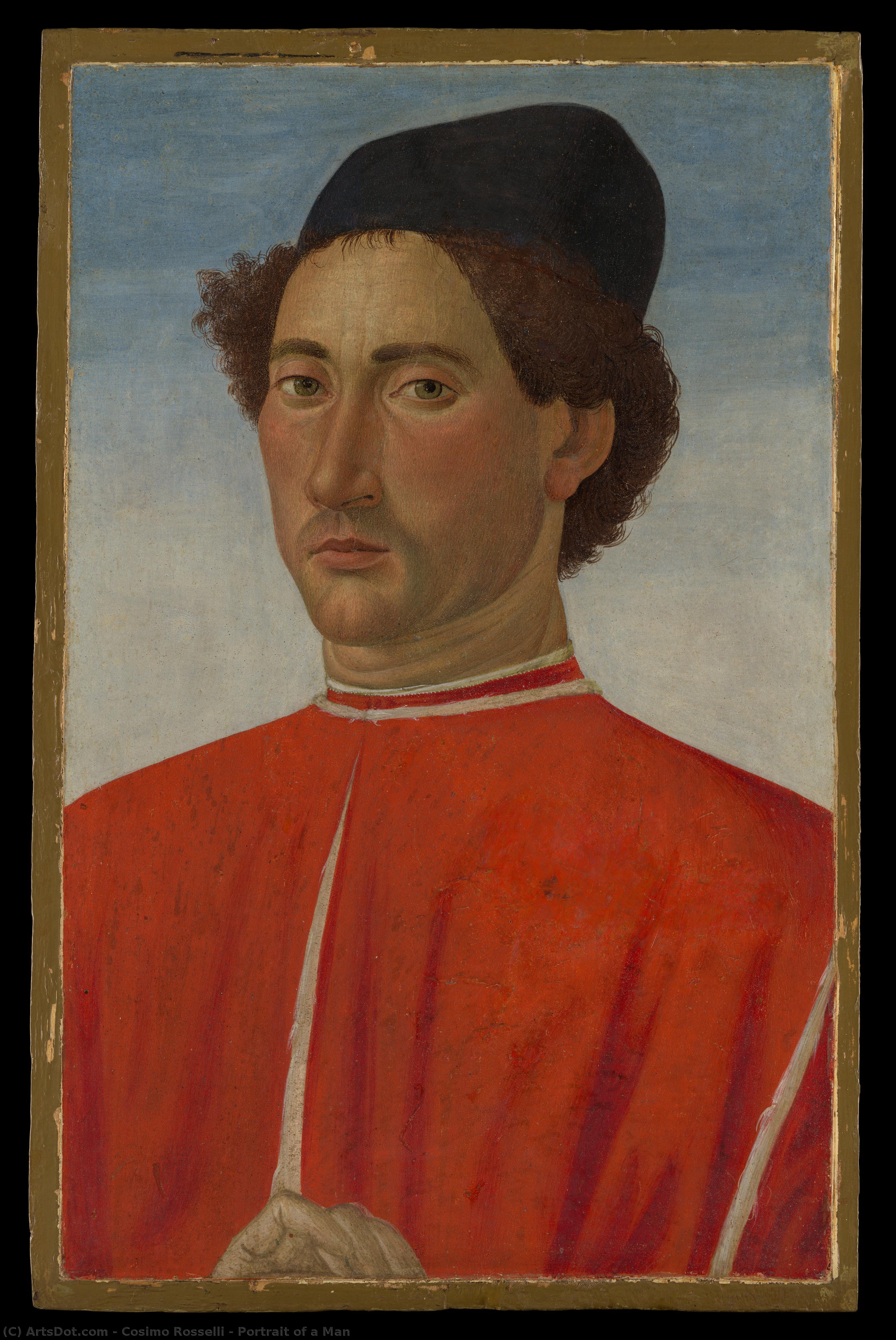
Portrait of a Man
 Acrylic On Canvas
- WallArt
- Renaissance
 1481
1481 52.0 x 33.0 cm
 メトロポリタン美術館
 詳細を見る
詳細を見る




P118B $10

P118H $10

P118W $10

P438Z $10

P508JH $12

P508YH $12

P805H $10

P805Z $10

P919BZ $10

P919G $10

P919XJ $10

P959ZH $10

P968JZ $12

W106C $8

W218G $10

W218JH $8

W218Y $10

W307PJ $10

W316G $10

W316PJ $8

W316Y $10

W398PJ $8

W4111J $10

W500HY $15

W500JH $15

W692G $12

W849H $8

W940BG $15

W953PJ $8




作品のオリジナル比率に合わせた、当店の規定サイズからお選びください。

特定のフレームやスペースに合わせて、ご希望のサイズをご入力いただけます。選択されたサイズが元の画像の比率と異なる場合、アートワークをトリミングするか、手描きで要素を追加して絵画を拡張いたします。デジタルモックアップ を制作し、制作開始前にご確認(承認)をいただきます。
画面上のプレビューは、実際のトリミングや拡張を正確に反映しているものではありません。最終的な構図は、モックアップによってのみ正確にご確認いただけます。
カスタムサイズもご利用いただけますが、元の比率を維持するためには、あらかじめ用意されたリストからサイズを選択することをお勧めいたします。
ご注文後、ArtsDot.com チームより詳細な指示をお送りするとともに、仕上がりイメージ(モックアップ)をご提供いたします。


 ガラスオプションは、110cm未満のサイズでのみご利用いただけます。

Portrait of a Man
複製技法
複製画のサイズ
-


合計金額
$ 263
作品解説
Portrait of a Man – A Florentine Glimpse into Renaissance Ambition
Cosimo Rosselli’s “Portrait of a Man,” painted around 1481 in Florence, is far more than a simple likeness; it's a carefully constructed tableau of status, ambition, and the burgeoning artistic currents of the High Renaissance. This remarkably preserved panel painting offers a rare window into the world of Florentine nobility, capturing not just a man’s appearance but also his projected persona – a testament to the era’s fascination with portraiture as both documentation and assertion of identity.
The subject himself remains an enigma, though scholars believe he likely represents a member of the *priori*, the governing council of Florence. His attire—a crimson coat lined with ermine fur, a symbol of high rank—immediately establishes his social standing. The meticulous detail in rendering the fabric’s texture and the subtle sheen of the fur speaks to Rosselli's mastery of oil paint, a relatively new medium at the time that allowed for unprecedented realism and luminosity. The dark, rich colors – deep blues, purples, and browns – were favored by Florentine artists during this period, reflecting both the wealth of their patrons and the sophisticated artistic trends emerging from Italy.
Echoes of Memling and Netherlandish Innovation
Rosselli’s painting is particularly noteworthy for its deliberate borrowing from the techniques of Hans Memling, a prominent Northern European painter whose work had gained considerable popularity in Italy. The sitter's pose – hand resting on the frame, a motif frequently employed by Memling – immediately connects the two artists and highlights Rosselli’s engagement with international artistic exchange. This wasn’t mere imitation; rather, Rosselli skillfully adapted this Netherlandish device to suit his own Florentine context, imbuing it with a distinctly Italian elegance.
The composition itself is carefully balanced, reflecting the Renaissance emphasis on harmony and proportion. The figure occupies a central position within the frame, drawing the viewer’s eye immediately to his face. Noticeably, Rosselli avoids excessive ornamentation or dramatic gestures; instead, he favors a restrained yet dignified presentation, conveying an air of quiet authority and self-assuredness. This understated approach was characteristic of Florentine portraiture during this period, prioritizing clarity and realism over elaborate embellishment.
Symbolism and the Portrait as Statement
Beyond its technical brilliance, “Portrait of a Man” is laden with symbolic meaning. The crimson coat, as mentioned earlier, signifies nobility and power. The ermine fur, traditionally associated with the Medici family, further reinforces this association. The man’s direct gaze – a rare boldness in Renaissance portraiture – suggests confidence and perhaps even a hint of challenge. He isn't simply presenting himself; he is asserting his presence.
Furthermore, the inclusion of the frame itself—a deliberate element—adds another layer of interpretation. Frames were not merely decorative; they served as visual anchors, defining the subject’s space and emphasizing his importance. Rosselli’s choice to place the hand on the edge of the frame is particularly significant, suggesting a sense of control and ownership over his image – a powerful statement in a society where portraiture was increasingly used to project an idealized self.
A Window into Renaissance Florence
“Portrait of a Man” offers a compelling glimpse into the social, political, and artistic landscape of 15th-century Florence. It’s a testament to Cosimo Rosselli's skill as a painter and his ability to synthesize diverse influences – from the meticulous realism of Memling to the burgeoning humanist ideals of the Renaissance—into a single, captivating work of art. Today, reproductions of this painting continue to resonate with viewers, inviting us to contemplate the complexities of identity, power, and the enduring allure of portraiture.
関連作品

アーティストの略歴
ローマに刻まれたフィレンツェの筆致:コジモ・ロッセッリの生涯と芸術
1439年頃、活気あふれるフィレンツェの中心部で生まれたコジモ・ロッセッリは、確立された商人階級の家庭に育ちました。その背景は彼に安定した教育をもたらし、ルネサンスという隆盛を極める文化の波へと彼を導くこととなりました。幼少期から修行を始める多くの芸術家とは異なり、ロッセッリの芸術への旅路は20歳前後という比較的遅い時期に幕を開けます。彼は、見事なフレスコ画や精緻な祭壇画で知られるフィレン訂派の巨匠、ドメニコ・ギルランダイオの工房へと足を踏み入れました。そこは単なる徒弟修行の場ではなく、数多くの助手が絶え間ない依頼に応える、創造性が渦巻く活気ある拠点でした。ロッセッリはこの環境の中で、デッサンや構図、そして後の自身のスタイルを決定づけることになる細密な技法の基礎を吸収していったのです。ギルランダイオの影響は極めて深く、線的な精密さ、鮮やかな色彩、そして作品の多くを特徴づける物語的な明快さを彼に植え付けました。しかし、この形成期においてさえ、ロッセッリは独自の感性を芽生えさせていました。マサッチョやフラ・アンジェリコといった、空間、光、感情の描写に革命をもたらした先人たちの要素を、彼は密かに自らのものへと昇華させていったのです。システィーナ礼拝堂と教皇からの寵愛
1481年、ロッセッ世紀のキャリアにおける決定的な瞬間が訪れます。ローマのシスティーナ礼拝堂の壁面を飾る壮大なフレスコ画サイクルへの参加依頼を受けたのです。ピエトロ・ペルジーノやサンドロ・ボッティチェッリといった輝かしい巨匠たちと肩を並べるこの大仕事は、彼を国際的な舞台へと押し上げる大きな転換点となりました。これらのフレスコ画の根底にあるテーマは、モーセとキリストの物語を緻密に並行させることで、教皇の権威を正当化し、神の法の継続性を強調することにありました。ロッセッリの担当した場面はイエスの生涯に焦点を当てたもので、複雑な物語を視覚的に説得力のある構図へと翻訳する彼の卓越した能力が示されています。後世のジョルジョ・ヴァザーリによる記述では、彼はプロジェクトに参加した芸術家の中でも才能に欠け、同僚から嘲笑の対象にさえなったと描かれていますが、一方で、彼の大胆な色彩の使用と贅沢な金箔の使い方は、教皇シクストゥス4世を特に喜ばせたことが記録に残っています。この教皇からの寵愛は、装飾的効果に対する鋭い洞察力と、パトロンの好みに応える術を知っていたことを示唆しており、それは競争の激しいルネなる芸術界で成功するために不可欠な資質でした。礼拝堂内の「最後の晩餐」は、その時代の証として今もなお、ダイナミックな構図と細部へのこだわりを通じて、彼の成長し続ける熟練の技を伝えています。フィレンツェでの依頼と深化するスタイル
ローマでの経験を経てフィレンツェに戻ったロッセッリは、祭壇画やフレスコ画、パネル画の依頼を絶え間なく受け続けました。この時期、彼の成熟したスタイルは開花を迎え、洗練された構図、優雅な人物像、そしてますます細密さを増す風景描写がその特徴となりました。ギルランダイオから学んだ線的な精密さと鮮やかな色彩を保持しつつも、ペルジーノのより優美で調和のとれた美学を取り入れ始めたのです。この時期の代表作には、サンティッシマ・アンヌンツィアータ教会でのフレスコ画があります。これは彼の進化するスタイルを大規模に披露することを可能にした重要な依頼であり、他にもフィレンツェ中の礼拝堂を彩る数多くの祭壇画が残されています。ロッセッリは宗教的な場面を描く際、敬虔さと信心深い雰囲気の中に、人間の感情や相互作用を強調するという独自の追求を見せました。彼は人物の心理状態を描き出す才能に長けており、登場人物に内面的な生命感を吹き込むことで、当時の観衆の心に響かせたのです。また、聖書の物語の中に同時代の肖像を組み込む手法は、作品にリアリズムと親近感を与え、神聖な物語を目の前の人々が営む日常の生活へと結びつける役割を果たしました。遺産と歴史的意義
ロッセッリは16世紀初頭を通じて勤勉に創作活動を続け、フィレンツェの名門家系や宗教機関からの依頼を確保し続けました。しかし、ラファエロやミケランジェロといった新たな芸術の星々が昇るにつれ、彼の存在感は次第に薄れていきました。彼は1520年頃にフィレンツェでその生涯を閉じましたが、そこには画家としての技術と、宗教的テーマを明快かつ優雅に描こうとした献身的な姿勢が刻み込まれた作品群が残されました。今日、ロッセッリはルネサンス美術の発展において重要な役割を果たした、熟練したフィレンツェの芸術家として記憶されています。システィーナ礼拝堂のフレスコ画への参加は、芸術的革新の主要な中心地としてのフィレンツェの地位を確固たるものにする一助となり、彼自身の作品は、多様な影響を統合して独特かつ洗練されたスタイルを作り上げた彼の能力を証明しています。同時代の他の巨匠たちほどの名声を得ることはなかったかもしれませんが、コジモ・ロッセッリの貢献は極めて重要であり、ルネサンス美術という豊かな織物の中に、その才能と献身、そして不朽の遺産として刻まれ続けています。影響と芸術的発展
- 初期の基盤: ドメニコ・ギルランダイオの工房は、ロッセッリに絵画技法と構図原理の極めて重要な基礎を与え、彼の初期の美的感性を形作りました。
- ローマでの経験: システィーナ礼拝堂で他のルネサンスの巨匠たちと共に活動したことは、彼を新しい様式やアプローチに触れさせ、芸術的視野を広げ、後の作品に影響を与えました。その共同作業の環境は、アイデアの交換と現代的な潮流への意識を高める場となりました。
- ペルジーノの優美さ: ピエトロ・ペルジーノの優雅な様式と調和のとれた構図は、ロッセッリの芸術的発展に顕著な影響を及ぼし、人物像の洗練やより均衡のとれた配置へと彼を促しました。
- 過去の残響: 彼はマサッチョやフラ・アンジェリコといった先人たちの要素を吸収し、空間の写実的な描写や感情表現といった彼らの革新的な技法を、自身の独特なスタイルへと取り入れました。これは、美術史に対する深い理解と、先達から学ぼうとする強い意志の表れでもあります。
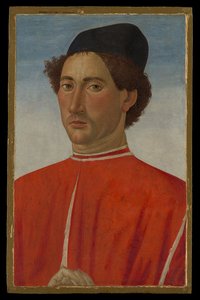
コジモ・ロッセッリ
1439 - 1507
基本情報
- Artistic Movement Or Style: 初期ルネサンス
- Artists Who Influenced This Artist:
- ドメニコ・ギルランダイオ
- マサッチオ
- フラ・アンジェリコ
- ペルジーノ
- Date Of Birth: 1439年
- Date Of Death: 1507年
- Full Name: コジモ・ロッセッリ
- Nationality: イタリア
- Notable Artworks: ['最後の晩餐(細部)']
- Place Of Birth: イタリア、フィレンツェ
関連記事
The Enduring Legacy of Formal Portraiture: Power, Identity & Artistic Exploration
Explore the rich history of formal portraiture & its enduring power to capture identity and shape perception. Discover investment-worthy artworks, expert appraisals, and custom reproduction services at ArtsDot.

ウフィツィ美術館の至宝25選:ルネサンス巨匠たちの傑作とアートデコレーション
ウフィツィ美術館の至宝25選:ボッティチェリ、レオナルド・ダ・ヴィンチ…ルネサンス巨匠たちの傑作と感動的な物語を紐解きます。高品質な絵画複製やアートプリントで、お部屋に名画の輝きを。ArtsDot.comで芸術の世界へ。
The Grandeur of Presence: Exploring Representations of Stately Bearing in Western Portraiture
Explore the art of stately bearing in Western portraiture with expert analysis of Renaissance & Baroque masterpieces. Discover symbolism, techniques, and the legacy of iconic portraits – a guide for discerning collectors.
The Enduring Gaze: Portraiture's Historical & Psychological Evolution
Explore the rich history of portraiture with expert analysis from ArtsDot. Discover iconic Renaissance masterpieces, symbolism & techniques that shaped identity. Find museum-quality art for your collection.
The Enduring Gaze: A Historical & Artistic Exploration of Portraiture Across Cultures
Explore the rich history of portraiture with ArtsDot.com! Discover symbolism, techniques & master artists from antiquity to modern times. Expert insights for art collectors.

