

 プレビュー
プレビュー
 プリントを購入
 シェアする
シェアする シェアする
シェアする
 詳細を見る
詳細を見る

 ダウンロード
 似ている作品
 X線調査
X線調査 スライドショー
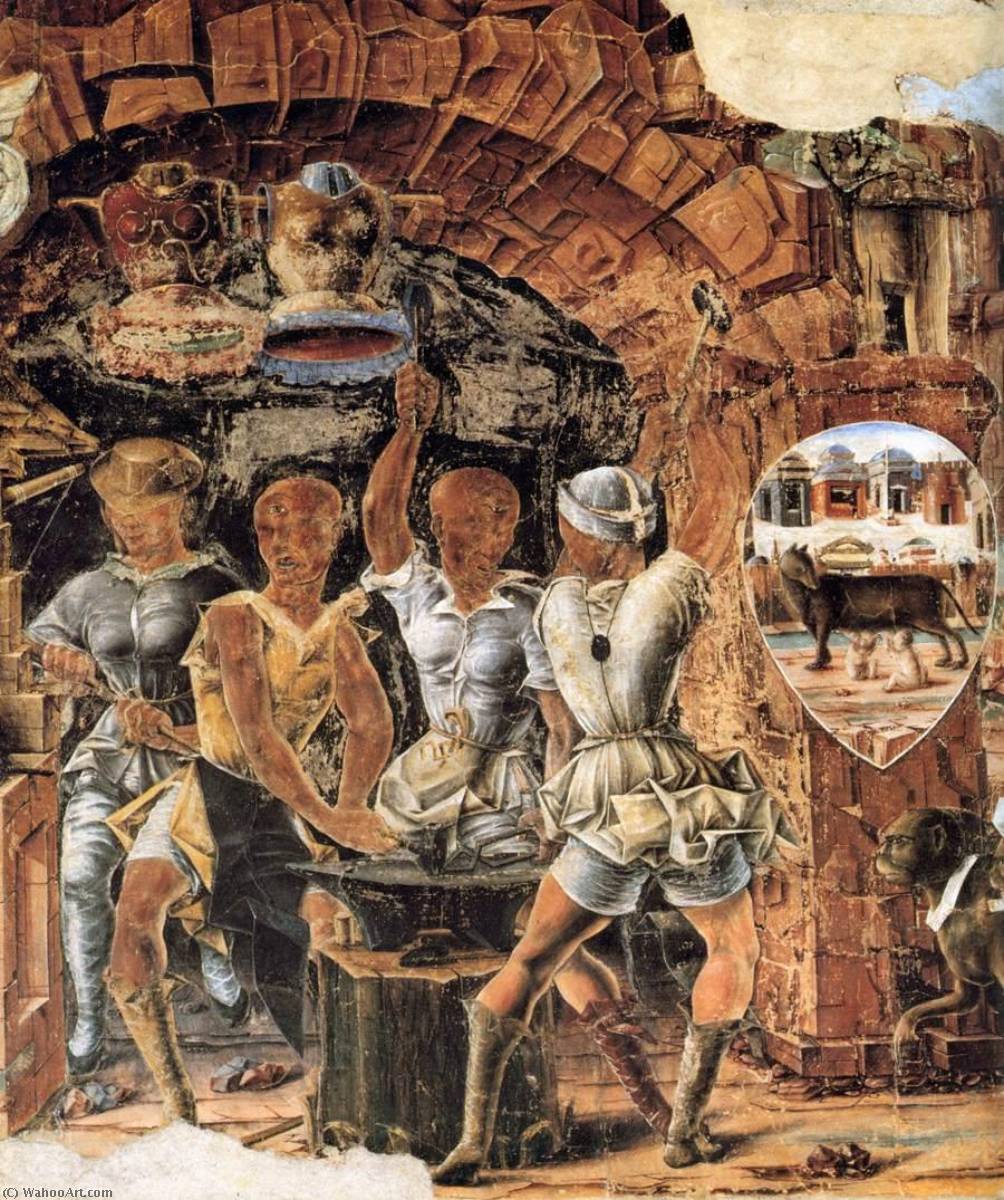
Allegory of September (detail)
 Oil On Canvas
- WallArt
- Early Renaissance
 1484
1484 216.0 x 320.0 cm
 Palazzo Schifanoia
 詳細を見る
詳細を見る
オンラインプレビューをはるかに凌ぐ、高解像度で鮮明なデジタル画像をご購入いただけます。
各ファイルは、社内の専門家が高度なツールと熟練した手作業によるレタッチを用いて、細心の注意を払って準備されています。すべての画像において、卓越した鮮明度、正確な色彩再現性、そして繊細なディテールを保証いたします。
最終ファイルは、プロフェッショナルな編集・印刷環境ですぐにご利用いただけるよう最適化された状態で、72時間以内にメールにてお届けいたします。これは、一流のデザインスタジオ、出版社、ギャラリーから信頼されているものと同等の品質です。
デジタル画像のご注文に付随する特典
高品質なデジタル画像配信を、確かな品質で。
ArtsDot.com を選ぶことは、単に画像を手に入れることではありません。それは、プロの手によって精密に仕上げられ、満足保証が付いた高品質なデジタルアートワークを受け取ることを意味します。ご注文いただいた際に自動的に付随する内容は、以下の通りです:

メールですぐにお届け
ご注文から72時間以内に、高解像度のデジタル画像ファイルがメールでお手元に届きます。すぐにそのままご利用いただけます。

AI技術で最適化されたデジタルファイル
お客様の作品は、高度なAIツールと専門家による手作業の編集を組み合わせてプロフェッショナルに最適化されており、細部のディテール、鮮明さ、そして正確な色再現性を最大限に引き出しています。

一生涯無料の再送サービス
ファイルを誤って削除したり、紛失してしまったりしましたか?ご安心ください。いつでも無料で再送いたします。

輸入手数料は一切かかりません
関税や手数料、配送料を気にすることなく、お気に入りのアートワークをすぐにお楽しみいただけます。デジタルダウンロードは常に免税です。

色彩再現の保証
プロ仕様のツールとカラーマネジメント技術を用いることで、デジタル画像が元の色を最大限に忠実に再現することを保証いたします。

100日間満足保証
ご購入いただいたデジタル画像にご満足いただけない場合は、100日以内であれば、修正または100%の返金(理由を問う必要はありません)をさせていただきます。

100% 返金保証
ご満足いただけない場合は、デジタルファイルを受け取ってから100日以内であれば、理由を問わず全額返金いたします。

まとめ買い割引
3枚購入で10%OFF - 5枚購入で15%OFF - 10枚以上購入で20%OFF。クリエイティブなプロジェクト、ギャラリー、エージェンシーに最適です。
The Allegory of September by Cosmè Tura: A Window into Renaissance Ferrara
Cosmè Tura’s Allegory of September, a fresco dominating the Sala dei Nove in Palazzo Schifanoia, Ferrara, is not merely a decorative panel; it's a meticulously crafted microcosm of Late Medieval and Early Renaissance thought. Painted between 1476 and 1478 for the court of Borso d’Este, Duke of Ferrara, this monumental work offers a rare glimpse into the intellectual and artistic climate of a burgeoning city-state—a testament to Tura's exceptional skill as both a painter and a visual storyteller. The fresco depicts three women engaged in conversation before a table laden with symbolic objects, each element carefully chosen to represent the virtues and vices associated with the month of September. It’s a complex allegory, layered with references to classical mythology, astrology, and Christian iconography, all rendered with Tura's signature blend of meticulous detail and expressive dynamism.
The scene unfolds in a richly furnished room, bathed in an atmospheric light that suggests both the warmth of the season and the solemnity of contemplation. The women—representing Prudence, Justice, and Faith—are not static figures; they are caught in animated dialogue, their gestures and expressions conveying a sense of urgency and intellectual engagement. The background, featuring a brick wall with an archway leading to a distant landscape, establishes depth and perspective, drawing the viewer into the scene. The meticulous rendering of textures – from the velvet cushions to the folds of the women’s garments – showcases Tura's mastery of oil paint, a relatively new medium at the time that allowed for unprecedented levels of realism and detail.
A Tapestry of Symbolism: Decoding the Fresco’s Secrets
The true power of Allegory of September lies in its dense web of symbolism. Each object on the table—the bowl of fruit, the cup, the various instruments—holds a specific meaning, carefully chosen to illustrate the virtues and vices associated with the month. The presence of astrological symbols, including the signs of the zodiac, underscores the importance of celestial influences in shaping human affairs. The depiction of Maia, the Roman goddess of harvest, as an allegory of September reinforces the connection between the month and abundance, prosperity, and fertility.
Notably, Tura’s work reflects a sophisticated understanding of classical philosophy and mythology. The figures are not simply representations of abstract virtues; they embody specific qualities—Prudence embodies wisdom and foresight, Justice represents fairness and impartiality, and Faith symbolizes trust in divine guidance. The inclusion of elements like the scales of justice, the laurel wreath (a symbol of honor and victory), and the musical instruments all contribute to this complex tapestry of meaning. The careful arrangement of these symbols creates a visual narrative that invites contemplation and interpretation.
Tura’s Ferrara: A Crucible of Artistic Innovation
Understanding Allegory of September requires appreciating the context in which it was created—the vibrant artistic environment of Ferrara during the late 15th century. Ferrara, under the patronage of the Este family, had become a major center for Renaissance art and culture, attracting artists from across Italy and beyond. Cosmè Tura himself emerged from humble beginnings, his father a shoemaker, to become one of the most influential figures in the city’s artistic renaissance.
Tura's training is shrouded in some mystery, with speculation linking him to the workshops of Galasso Galassi and Francesco Squarcione. However, it was undoubtedly in Padua that he truly blossomed, encountering the innovative techniques and humanist ideals championed by Squarcione. This exposure to classical antiquity, combined with the influence of Flemish artists who had settled in Ferrara, shaped Tura’s distinctive style—characterized by sharp lines, meticulous detail, and a masterful use of light and shadow. His work stands as a pivotal example of the early Renaissance in Italy, bridging the gap between Gothic traditions and the emerging ideals of humanism.
A Legacy of Vision: The Fresco's Enduring Appeal
Allegory of September remains a powerful testament to Tura’s artistic genius and the intellectual ferment of Renaissance Ferrara. Its intricate symbolism, masterful technique, and evocative atmosphere continue to captivate viewers centuries after its creation. The fresco offers not only a glimpse into the past but also a profound meditation on the nature of virtue, justice, and the human condition. Reproductions of this extraordinary work allow us to appreciate Tura’s vision and his enduring contribution to the history of art.
関連作品
作家の略歴
フェラーラの先見者:コズメ・トゥーラの生涯と芸術
1430年頃、イタリアの活気あふれる公爵領フェラーラに生まれたコズメ・トゥーラは、靴職人ドメニコの息子という質素な出自から、初期ルネサンスにおいて最も独特かつ影響力のある画家の一人へと登り詰めました。初期の修行に関する詳細は謎に包まれていますが、美術史家たちは、高名なピエロ・デッラ・フランチェスカと縁のある謎めいた人物、ガラッソ・ガラッシに師事していた可能性を指摘しています。こうした初期の経験がトゥーラの芸術的感性の土台となったのでしょう。しかし、彼の創造的な情熱に真の火を灯したのは、1452年から1456年にかけてヴェネツィアやパドヴァを訪れたであろう旅の時代でした。パドヴァにおいて、彼はフランチェスコ・スクアルキオーネの工房に触れることになります。そこは古典古代の研究と、線遠近法や力強い形態といった新たなルネサンス技法が共存し、芸術的革新が花開いていた極めて重要な拠点でした。トゥーラはこれらの影響を単に吸収するにとどまらず、鋭い線、装飾的な豊穣さ、そして執念とも言える細部へのこだわりを特徴とする、彼独自のスタイルへと昇華させたのです。宮廷画家とその革新的な様式 トゥーラのキャリアは、エステ家の宮廷において、まずは公爵ボルソ・デステの下で、後にエルコレ1世・デステの下で大きく開花しました。彼は単なる画家ではありませんでした。フレスコ画や板絵を手がけるだけでなく、トーナメントの意匠、装飾家具、さらには衣服のデザインまでをも担う、多才な職人でもあったのです。この多面的な役割は、エステ家がいかに幅広い芸術的技能を重んじていたかを物語っており、トゥーラに材料や技法を実験するための豊かな機会を与えました。中でも特筆すべきは、油彩画の革新的な使用です。彼はその特性を巧みに操り、金属鎧の煌めく光沢から豪華な布地の繊細な襞に至るまで、驚くほど多彩な質感を表現しました。この卓越した技術力は、多様な影響を受けた芸術的ヴィジョンと結びついていました。フラ・アンジェリコの静謐な精神性、ピエロ・デッラ・フランチェスカの幾何学的な精密さ、アンドレア・マンテーニャの劇的な短縮法と古典への参照、そしてフランドル派の画家たちの緻密な写実主義。しかし、トゥーラはこれらの巨匠たちを単に模倣したわけではありません。彼はそれらを融合させ、表現力豊かな線、複雑な装飾、そして人々を魅了するダイナミズムを備えた、紛れもない「フェラーラ様式」を築き上げたのです。この時期の代表作には、形態と象徴性を繊細に描き出した1460年の뮤즈(細部)、1450年頃の初期の若者の肖像、そして1475年に完成した後期の読書するサン・アントニオ・ディ・パドヴァなどがあります。また、彼のピエタ(1474年)は、テンペラ画における彼の技量を示すもう一つの証です。
フェラーラに刻まれた遺産
コズメ・トゥーラの影響は、エステ家の宮廷という枠組みを遥かに超えて広がりました。彼は、15世紀後半に隆盛を極め、その後のイタリアの画家たちに多大な影響を与えた「フェラーラ派」の創始者として、正当に評価されています。彼の様式は、時に独特で、時にはどこか不安をかき立てるものと評されることもありますが、同時代の人々を虜にし、今日の美術史家をも魅了し続けています。線の持つ表現力豊かなエネルギー、装飾要素の幻想的なまでの性質、そして芸術的慣習の限界を押し広げようとする意志は、彼を他の画家たちから際立たせていました。1495年にトゥーラが没した後も、ジョヴァンニ・アンドレア・ギラルドーニのような芸術家たちがフェラーラ様式の発展を引き継いでいきました。今日、彼の作品は世界中の美術館やコレクションで見ることができますが、その重要な拠点は今なおフェラーラに存在しています。特にドゥオーモ博物館やスキャルノーア宮殿には、トゥーラの筆致が鮮明に残る壮麗なフレスコ画が収められています。影響と不朽の意義
コズメ・トゥーラの芸術的達成を理解するためには、彼のヴィジョンを形作った複雑な影響の網目を認識することが不可欠です。フラ・アンジェリコへの敬意は、彼の宗教画における信心深い情熱の中に見て取ることができ、一方でピエロ・デッラ・フランチェスカによる遠近法と幾何学的形態の習熟は、彼の構図に構造的な基盤を与えました。アンドレア・マンテーマーの芸術に見られる劇的な力強さと古典への言及もまた、トゥーラの心に深く響き、空間や解剖学を描写するための革新的なアプローチを促しました。さらに、フランドル派の画家たちとの接触は、おそらく油彩を媒体として採用する後押しとなり、より細密な描写と質感のニュアンスを可能にしたのでしょう。ガラッソ・ガラッシによる師事の可能性は、謎に包まれているものの、芸術的原理における初期の基礎を提供したのかもしれません。コズメ・トゥーラの遺産は、その絵画の美しさや独創性だけでなく、イタリア・ルネサンス美術の発展への貢献にもあります。彼は多様な影響を一つのまとまりのある説得力ある様式へと統合する驚異的な能力を示し、フェラーラを芸術的革新の重要な中心地として確立させ、絵画史に消えることのない足跡を残したのです。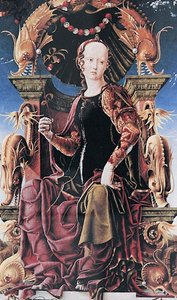
コズメ・トゥーラ
1430 - 1495 , イタリア
プロフィール概要
- Artistic Movement Or Style: 初期ルネサンス
- Artists Or Movements Influenced By This Artist: ['ジョヴァンニ・アンドレア・ギラルドーニ']
- Artists Who Influenced This Artist:
- フラ・アンジェリコ
- ピエロ・デラ・フランチェスカ
- アンドレア・マンテーニャ
- フランドル派の画家
- Date Of Birth: 1430年頃
- Date Of Death: 1495年
- Full Name: コズメ・トゥーラ
- Nationality: イタリア
- Notable Artworks:
- ミューズ(細部)
- 若者の肖像
- 読書するパドヴァの聖アントニオ
- 聖ペテロ
- ピエタ
- Place Of Birth: イタリア、フェラーラ