 プレビュー
プレビュー
 シェアする
シェアする シェアする
シェアする
 詳細を見る
詳細を見る

 ダウンロード
 似ている作品
 X線調査
X線調査 スライドショー
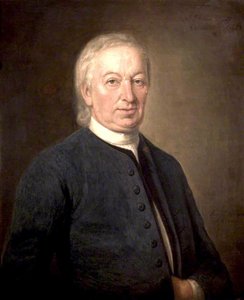
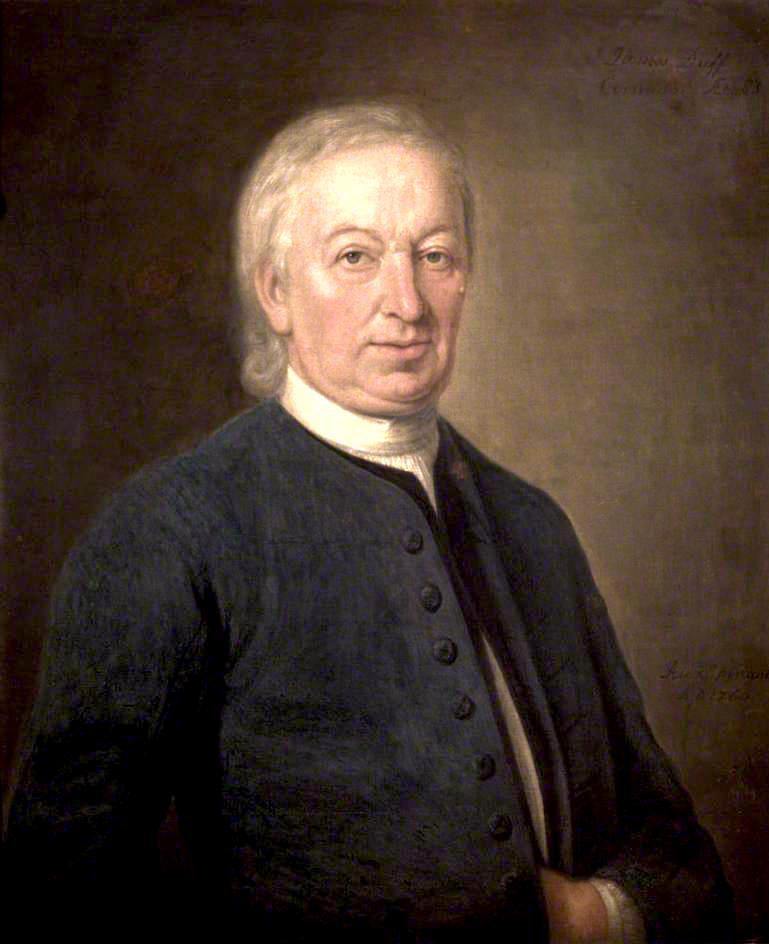
ジェイムズ・ダフ・オブ・コルシネー


 詳細を見る
詳細を見る
ジークレー/アートプリント
迅速な制作と多彩な仕上げオプションを備えた、ミュージアムクオリティのジークレーまたはキャンバスプリント。 ( 手描きの絵画を購入 画像を購入)




P118B $10

P118H $10

P118W $10

P438Z $10

P508JH $12

P508YH $12

P805H $10

P805Z $10

P919BZ $10

P919G $10

P919XJ $10

P959ZH $10

P968JZ $12

W106C $8

W218G $10

W218JH $8

W218Y $10

W307PJ $10

W316G $10

W316PJ $8

W316Y $10

W398PJ $8

W4111J $10

W500HY $15

W500JH $15

W692G $12

W849H $8

W940BG $15

W953PJ $8




作品のオリジナル比率に合わせた、当店の規定サイズからお選びください。

特定のフレームやスペースに合わせて、ご自身でサイズを指定することも可能です。選択されたサイズが元の画像の比率と一致しない場合、作品をトリミングするか、鏡面反射または単色での塗りつぶしによって画像を拡張いたします。制作を開始する前に、ご確認用のデジタルモックアップをお送りいたします。
画面上のプレビューには、実際のトリミングや拡張は反映されませんのでご注意ください。最終的な構図を正確に確認できるのは、モックアップのみとなります。
カスタムサイズも承っておりますが、元の比率を維持するためには、あらかじめ用意されたリストからサイズを選択することをお勧めいたします。


 ガラスオプションは、110cm未満のサイズでのみご利用いただけます。

ジェイムズ・ダフ・オブ・コルシネー
ジークレー/アートプリント
複製画のサイズ
-


合計金額
$ 62
作品詳細説明
コスモ・アレクサンダーの「ジェイムズ・ダフ卿 オルシンダイ」:ロマン主義の雄弁さを捉えた肖像画
コスモ・アレクサンダーは、スコットランド出身の画家でありながら、驚くべきリアリズムと感情的な熱意で馬を表現したことで知られる芸術家です。彼は単なる馬を描いた画家ではありませんでした。彼は解剖学者、博物学者であり、ロマン主義的な視点を持つ芸術家でした。彼の芸術への道のりは形式的な訓練ではなく、絶え間ない知識の追求、綿密な観察、そして馬の形態に対する深い関心によって特徴づけられました。この絵画は1760年に制作され、スコットランド国立美術館に所蔵されています。 アレクサンダーの生涯は芸術の世界とは大きく異なっていました。彼は父親の革工房で働き始めましたが、その職業を十六歳まで続けました。しかし、芸術的な魂は抑えきれませんでした。彼の才能と異なる道を求める認識から、彼は家族に絵画への熱意を伝え、彼らの許可を得て芸術家としての道を歩むことを決意しました。この決意が彼の芸術的なキャリアを形作ったと言えるでしょう。 アレクサンダーの作品は特にロマン主義の影響を受けています。彼は馬の解剖学の研究を行い、その構造と動きを詳細に観察しました。この知識は彼の絵画に反映され、馬の筋肉や骨格を正確に表現することで、他の画家とは異なる独自のスタイルを生み出しました。彼の絵画は単なる動物の描写ではありません。それは馬に対する深い愛情と理解を示すものであり、見る人に感動を与えます。特に「ジェイムズ・ダフ卿 オルシンダイ」は、その肖像画において、ダフ卿の威厳と知性を表現しています。彼は冷静かつ落ち着いた表情で視線を向け、彼の内面を捉えようとしています。この絵画は単なる美しい風景ではありません。それは当時の社会における権力者の地位と役割を象徴するものであり、ロマン主義的な芸術家が追求した理想的な美しさを体現しています。 アレクサンダーの絵画技法は特に印象派の影響を受けています。彼はパレットナイフを使って大胆な筆致で色を塗り、光の表現に優れています。彼の絵画は明るい色彩と動きのあるテクスチャを持ち、見る人に視覚的な刺激を与えます。この絵画は単なる技術的なスキルを示すものではありません。それはアレクサンダーが馬に対する愛情と観察力を結びつけ、その美しさを最大限に引き出すための努力の結晶です。「ジェイムズ・ダフ卿 オルシンダイ」は、ロマン主義芸術における卓越した技法と表現力の一例であり、美術愛好家やコレクターにとって特別な魅力を持つ作品と言えるでしょう。関連作品
アーティストの略歴
George Stubbs: The Anatomist of the Horse
George Stubbs, born in Liverpool on August 25th, 1724, stands as a singular figure in British art – a self-taught master whose legacy rests primarily upon his extraordinary depictions of horses. More than simply painters of steeds, Stubbs was an anatomist, a naturalist, and a Romantic visionary who captured the power, grace, and even the drama of these magnificent animals with unprecedented realism and emotional intensity. His journey to artistic prominence wasn’t paved with formal training; instead, it unfolded through a relentless pursuit of knowledge, meticulous observation, and a profound fascination with the equine form.
Stubbs' early life was far removed from the world of art. He began working in his father’s leather workshop, a trade he diligently pursued until the age of sixteen. However, a nascent artistic spirit refused to be suppressed. Recognizing his innate talent and desire for a different path, Stubbs persuaded his family to allow him to pursue painting. His initial apprenticeship with Hamlet Winstanley, a local painter, proved short-lived due to a clash of artistic philosophies – Stubbs’s insistence on detailed anatomical study versus Winstanley's more conventional approach. This early experience, however, provided crucial foundational skills and exposed him to the techniques of oil painting.
Crucially, Stubbs’s development was profoundly shaped by his access to the extensive collection at Knowsley Hall, the estate of Sir John Raynesbury, a wealthy patron who had amassed an impressive array of artworks and anatomical specimens. Here, he spent countless hours dissecting horses – a practice considered unconventional for an artist at the time – meticulously studying their musculature, skeletal structure, and movement. This dedication to anatomical accuracy became the hallmark of his work, elevating his paintings beyond mere representations of horses to profound studies in form and function. His detailed drawings, often incorporating sketches from dissections, served as the basis for his finished canvases, demonstrating a level of scientific rigor rarely seen in 18th-century art.
The Lion and the Horse: A Romantic Breakthrough
Stubbs’s most celebrated works are undoubtedly his series of paintings depicting a lion attacking a horse – a subject that resonated deeply with the burgeoning Romantic movement. The most famous example, *A Lion Attacking a Horse* (Whistlejacket), completed around 1762, is not simply a dramatic scene; it's a complex meditation on power, vulnerability, and the sublime. The genesis of this particular image is often attributed to an eyewitness account of a lion attack in Morocco during Stubbs’s travels – though some scholars suggest he was influenced by antique sculptures depicting similar themes. Regardless of its precise origin, *Whistlejacket* marked a pivotal moment in Stubbs' career and signaled his embrace of Romantic ideals.
These paintings were revolutionary not only for their dramatic composition but also for their portrayal of the horse itself. Stubbs eschewed the idealized, graceful depictions favored by earlier artists, instead presenting a powerful, muscular animal caught in the throes of battle – its expression conveying both fear and defiance. The lighting, the dynamic pose, and the sheer physicality of the scene all contribute to a sense of overwhelming intensity, capturing the essence of Romanticism’s fascination with raw emotion and untamed nature. The series established Stubbs as a leading figure in this movement, influencing generations of artists who sought to capture the grandeur and drama of the natural world.
Royal Patronage and Expanding Horizons
Despite his initial struggles for recognition, Stubbs’s talent eventually attracted the attention of influential patrons. He secured commissions from prominent figures, including members of the Royal Family, which provided him with financial stability and access to new subjects. His paintings of horses for the aristocracy became immensely popular, reflecting the growing fascination with equestrian pursuits among the wealthy elite. He also expanded his repertoire beyond equine subjects, tackling history paintings, portraits, and even depictions of animals such as moose, rhinoceroses, and zebras – each rendered with equal skill and attention to detail.
Stubbs’s versatility is further evidenced by his experiments with new materials and techniques. He collaborated with Josiah Wedgwood, the renowned potter, to create paintings on earthenware panels, a groundbreaking innovation that allowed him to explore different textures and surfaces. This venture, however, proved financially challenging, consuming much of his time and resources without generating significant profits.
Legacy and Enduring Influence
George Stubbs died in London on July 10th, 1806, leaving behind a remarkable body of work that continues to captivate audiences today. His paintings are celebrated for their anatomical accuracy, dramatic compositions, and emotional intensity – qualities that firmly established him as the greatest horse painter of his time. Stubbs’s influence extends far beyond the realm of equestrian art; his meticulous observation and scientific approach paved the way for a more realistic and nuanced depiction of animals in art. His work remains a testament to the power of self-education, unwavering dedication, and a profound love for the natural world.
Stubbs’s legacy is secured through numerous works housed in prestigious collections worldwide, including the National Gallery in London, the Yale Center for British Art, and the Tate collection. His paintings continue to be studied by art historians and appreciated by viewers who recognize the enduring power of his vision – a vision that seamlessly blends scientific rigor with artistic brilliance.
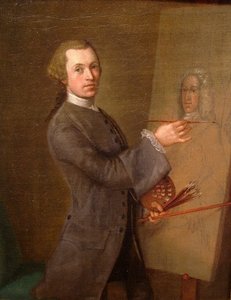
cosmo alexander
1724 - 1772
基本情報
- Artistic Movement Or Style: Romanticism, Animal Painting
- Artists Or Movements Influenced By This Artist: ['Romanticism']
- Artists Who Influenced This Artist:
- Joshua Reynolds
- Thomas Gainsborough
- Date Of Birth: 25 August 1724
- Date Of Death: 10 July 1806
- Full Name: George Stubbs
- Nationality: English
- Notable Artworks:
- A Lion Attacking a Horse
- Whistlejacket
- Hambletonian, Rubbing Down
- Place Of Birth: Liverpool, England
関連記事
The Equine Muse: A Historical & Artistic Exploration of Horses in Painting
Explore the captivating history of horses in painting! Discover Renaissance masterpieces, Baroque grandeur & expert insights for collecting equestrian art. Learn about symbolism, techniques & lasting value with ArtsDot.
George Stubbs: Anatomical Precision & Romantic Vision in 18th-Century British Art
Explore the captivating world of George Stubbs, the 18th-century master renowned for his anatomical precision & Romantic animal paintings. Discover his legacy and investment potential.
The Noble Steed on Canvas: A Historical & Artistic Exploration of Horse Painting Across Cultures
Explore the rich history of horse painting! Discover masterpieces from Stubbs to Munnings & learn about symbolism, techniques & artists. Find museum-quality reproductions at ArtsDot.
Alexander Nasmyth: Picturing Scotland's Romantic Landscape – Innovation & Identity
Explore the life & art of Alexander Nasmyth, a pivotal figure in Scottish Romantic landscape painting. Discover his iconic works, including portraits of Robert Burns, and learn about his lasting influence on national identity. Fine art reproductions available.
Romantic Realism's Finest: 10 Masterpieces for Your Home | ArtsDot
Explore 10 defining masterpieces of Romantic Realism! Discover Courbet, Millet & Daumier's powerful paintings—capturing emotion and social realities. Find museum-quality reproductions for your home at ArtsDot.com.