

 プレビュー
プレビュー
 シェアする
シェアする シェアする
シェアする
 詳細を見る
詳細を見る

 ダウンロード
 似ている作品
 X線調査
X線調査 スライドショー
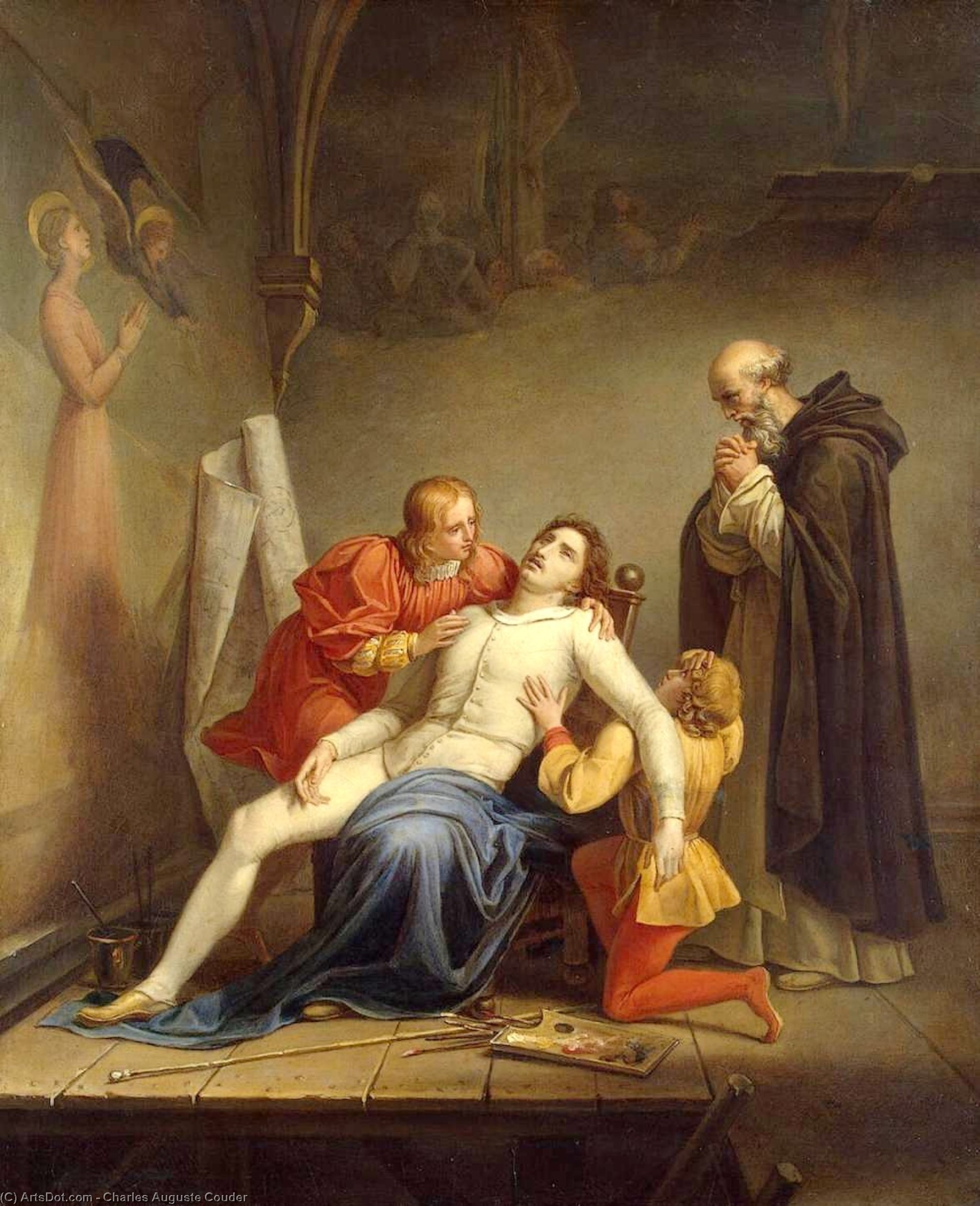
Death of Masaccio
 Oil On Canvas
- WallArt
- Neoclassicism
 1817
1817 45.0 x 38.0 cm
 エルミタージュ美術館
 詳細を見る
詳細を見る
ジークレー/アートプリント
迅速な制作と多彩な仕上げオプションを備えた、ミュージアムクオリティのジークレーまたはキャンバスプリント。 ( 手描きの絵画を購入 画像を購入)




P118B $10

P118H $10

P118W $10

P438Z $10

P508JH $12

P508YH $12

P805H $10

P805Z $10

P919BZ $10

P919G $10

P919XJ $10

P959ZH $10

P968JZ $12

W106C $8

W218G $10

W218JH $8

W218Y $10

W307PJ $10

W316G $10

W316PJ $8

W316Y $10

W398PJ $8

W4111J $10

W500HY $15

W500JH $15

W692G $12

W849H $8

W940BG $15

W953PJ $8




作品のオリジナル比率に合わせた、当店の規定サイズからお選びください。

特定のフレームやスペースに合わせて、ご自身でサイズを指定することも可能です。選択されたサイズが元の画像の比率と一致しない場合、作品をトリミングするか、鏡面反射または単色での塗りつぶしによって画像を拡張いたします。制作を開始する前に、ご確認用のデジタルモックアップをお送りいたします。
画面上のプレビューには、実際のトリミングや拡張は反映されませんのでご注意ください。最終的な構図を正確に確認できるのは、モックアップのみとなります。
カスタムサイズも承っておりますが、元の比率を維持するためには、あらかじめ用意されたリストからサイズを選択することをお勧めいたします。


 ガラスオプションは、110cm未満のサイズでのみご利用いただけます。

Death of Masaccio
ジークレー/アートプリント
複製画のサイズ
-


合計金額
$ 62
A Neoclassical Reverie on Martyrdom: Exploring Couder’s ‘Death of Masaccio’
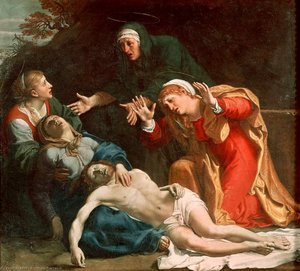
Louis-Charles-Auguste Couder's “Death of Masaccio” stands as a testament to the enduring influence of classical ideals within 19th-century French art. Executed in 1817, this canvas reproduction captures a poignant scene from religious history—the martyrdom of Saint Denis—rendered with meticulous detail and imbued with an emotional depth that speaks volumes about its era. More than just a depiction of biblical narrative, it’s a carefully constructed meditation on sacrifice and faith, reflecting the artistic sensibilities of a period grappling with revolutionary fervor and imperial ambition.Composition & Technique: Order Amidst Suffering
The painting's visual impact is immediately striking due to its tightly organized composition. Couder employs a pyramidal structure, anchoring the central figure—the prone body of Saint Denis—with supporting figures who convey unwavering devotion. A prominent diagonal line originating from the fallen saint directs the viewer’s gaze across the canvas, fostering a sense of immediacy and immersing them in the dramatic unfolding of events. The artist skillfully utilizes perspective to flatten the space, prioritizing narrative clarity over illusionistic depth – a hallmark of Neoclassical style. Oil paint on canvas ensures smooth surfaces and rich colors, complemented by precise lines delineating architectural elements and drapery, mirroring the precision demanded by David’s tutelage. Texture is deliberately subdued, emphasizing form and conveying solemnity rather than distracting from the central subject matter.Symbolism & Context: Echoes of Michelangelo
Couder's artistic vision transcends mere representation; it incorporates potent symbolic elements that enrich its narrative significance. The inclusion of Saint Denis’ corpse serves as a focal point for contemplation on mortality and spiritual suffering, mirroring themes prevalent in Renaissance art—particularly those explored by Michelangelo Buonarroti. Tools of torture – notably the skinning knife – underscore the brutality of martyrdom while simultaneously highlighting the artist's palette and the presence of onlookers representing witnesses to this sacred ordeal. The backdrop features a stylized depiction of Calvary, referencing Jesus Christ’s crucifixion and establishing a parallel between Saint Denis’ sacrifice and divine redemption. This deliberate juxtaposition underscores Couder’s intention to elevate the scene beyond a simple historical record into a profound statement about faith and human endurance.A Reflection of Romantic Sentiment
Despite its adherence to classical conventions—balanced composition, sharp lines, subdued textures—“Death of Masaccio” possesses an undeniable emotional resonance that anticipates the burgeoning Romantic movement. The dramatic lighting – emanating from an unseen source above – casts deep shadows emphasizing Saint Denis’ anguish and conveying a palpable sense of sorrow. Couder's masterful rendering captures not only the physical posture of the martyr but also his inner turmoil, mirroring the Romantic preoccupation with subjective experience and emotional intensity. This subtle infusion of feeling distinguishes Couder’s work from the more austere aesthetic of its time, cementing its place as an exemplar of Neoclassical art infused with humanist compassion.Concluding Remarks: An Artistic Legacy
Louis-Charles-Auguste Couder's “Death of Masaccio” remains a captivating artwork—a beautifully executed reproduction that embodies the spirit of its era and honors the legacy of artistic giants like David and Regnault. Its meticulous attention to detail, combined with its thoughtful exploration of religious symbolism and emotional depth, continues to inspire admiration among art historians and collectors alike.関連作品


関連記事
18th Century Masters: 10 Artworks That Define an Era | ArtsDot
Journey through 18th century art! Explore 10 iconic paintings – from Rococo elegance to Neoclassical grandeur. Discover Fragonard, David & more. Find museum-quality reproductions and elevate your home decor on ArtsDot.com.
Charles-André van Loo: A Study in Rococo Portraiture & the French Court's Artistic Dynamics
Explore the elegant world of Charles-André van Loo, a master of Rococo portraiture at the French court. Discover his life, techniques, and enduring influence on 18th-century art. Hand-painted reproductions available.
Charles Willson Peale: Portraiture, Enlightenment Ideals & Shaping American Identity
Explore the life & art of Charles Willson Peale – Revolutionary portraitist, scientist, and founder of America’s first museum. Discover his iconic paintings of Washington & the Enlightenment ideals that shaped a nation.
Sacred Narratives Embodied: A Comprehensive Exploration of Religious Iconography in Art History
Explore the rich history of religious iconography in art! Discover symbolism, movements & masterpieces from Byzantine to Renaissance periods. Expert insights for collectors and enthusiasts at ArtsDot.
至高の芸術:新古典主義を象徴する10選 – 華麗なる巨匠と時代を彩る傑作の世界
新古典主義を代表する10選!ダビッド、アンジェリカーら巨匠の傑作を紐解き、時代を超えた美と知性を探求。油絵、版画など高精細なアートプリントで、お部屋を華やかに彩りませんか?ArtsDot.comで至高の芸術を体験してください。

