

 プレビュー
プレビュー
 プリントを購入
 シェアする
シェアする シェアする
シェアする
 詳細を見る
詳細を見る

 ダウンロード
 似ている作品
 X線調査
X線調査 スライドショー
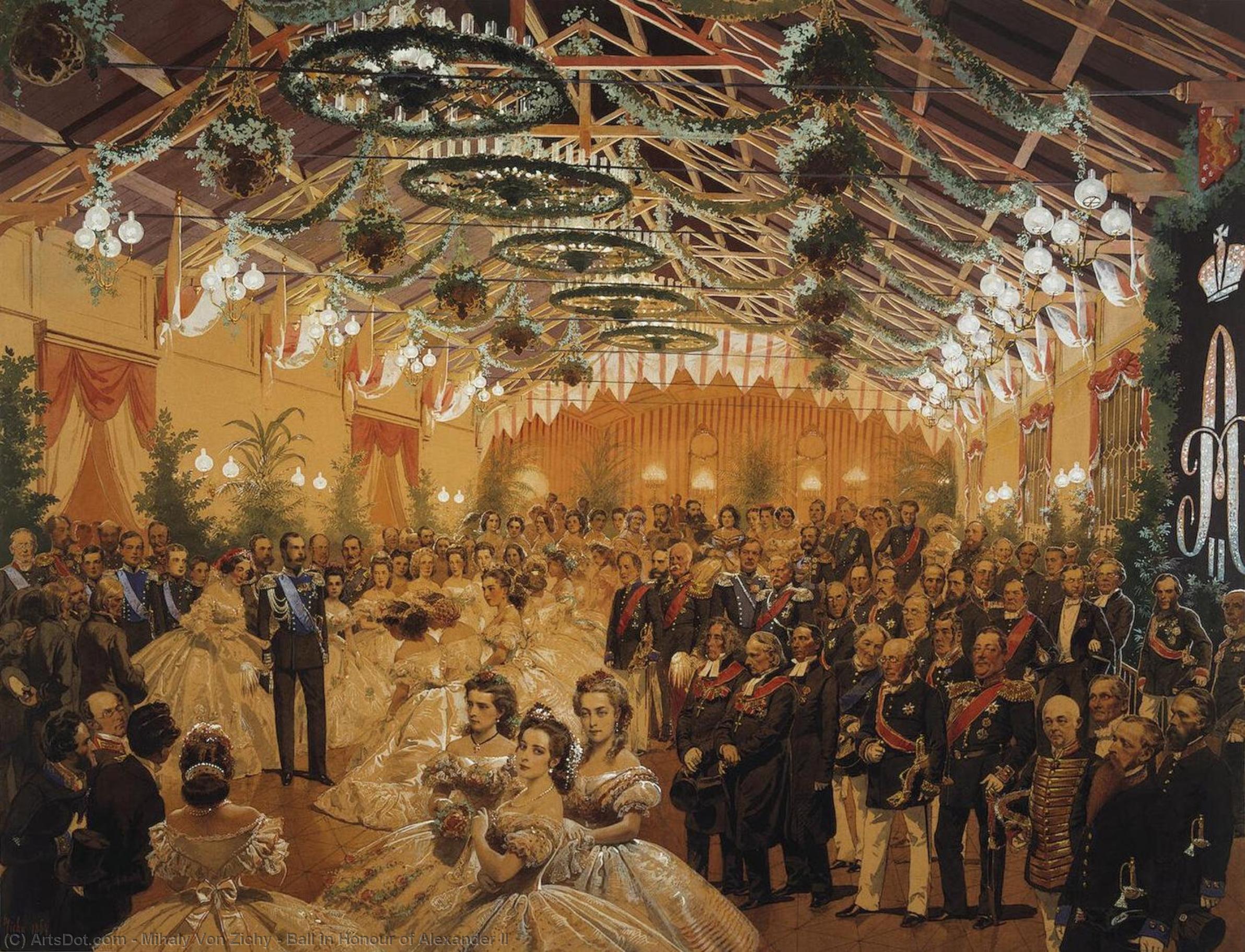
Ball in Honour of Alexander II
 Oil On Canvas
- WallArt
- Academic Painting
 1864
1864 475.0 x 615.0 cm
 エルミタージュ美術館
 詳細を見る
詳細を見る
オンラインプレビューをはるかに凌ぐ、高解像度で鮮明なデジタル画像をご購入いただけます。
各ファイルは、社内の専門家が高度なツールと熟練した手作業によるレタッチを用いて、細心の注意を払って準備されています。すべての画像において、卓越した鮮明度、正確な色彩再現性、そして繊細なディテールを保証いたします。
最終ファイルは、プロフェッショナルな編集・印刷環境ですぐにご利用いただけるよう最適化された状態で、72時間以内にメールにてお届けいたします。これは、一流のデザインスタジオ、出版社、ギャラリーから信頼されているものと同等の品質です。
デジタル画像のご注文に付随する特典
高品質なデジタル画像配信を、確かな品質で。
ArtsDot.com を選ぶことは、単に画像を手に入れることではありません。それは、プロの手によって精密に仕上げられ、満足保証が付いた高品質なデジタルアートワークを受け取ることを意味します。ご注文いただいた際に自動的に付随する内容は、以下の通りです:

メールですぐにお届け
ご注文から72時間以内に、高解像度のデジタル画像ファイルがメールでお手元に届きます。すぐにそのままご利用いただけます。

AI技術で最適化されたデジタルファイル
お客様の作品は、高度なAIツールと専門家による手作業の編集を組み合わせてプロフェッショナルに最適化されており、細部のディテール、鮮明さ、そして正確な色再現性を最大限に引き出しています。

一生涯無料の再送サービス
ファイルを誤って削除したり、紛失してしまったりしましたか?ご安心ください。いつでも無料で再送いたします。

輸入手数料は一切かかりません
関税や手数料、配送料を気にすることなく、お気に入りのアートワークをすぐにお楽しみいただけます。デジタルダウンロードは常に免税です。

色彩再現の保証
プロ仕様のツールとカラーマネジメント技術を用いることで、デジタル画像が元の色を最大限に忠実に再現することを保証いたします。

100日間満足保証
ご購入いただいたデジタル画像にご満足いただけない場合は、100日以内であれば、理由を問わず修正または100%の返金対応をさせていただきます。

100% 返金保証
ご満足いただけない場合は、デジタルファイルを受け取ってから100日以内であれば、理由を問わず全額返金いたします。

まとめ買い割引
3枚購入で10%OFF - 5枚購入で15%OFF - 10枚以上購入で20%OFF。クリエイティブなプロジェクト、ギャラリー、エージェンシーに最適です。
A Grand Ballroom Reverie: Mihály von Zichy’s Ball in Honour of Alexander II
The Hungarian Romantic painter Mihály von Zichy's “Ball in Honour of Alexander II,” completed in 1864, transcends mere depiction; it captures the very essence of aristocratic society and its fervent embrace of beauty during a transformative period in Hungarian history. Measuring an impressive 475 x 615 cm, this monumental canvas stands as a testament to Zichy’s mastery of academic painting—a style characterized by meticulous detail and unwavering commitment to realism—yet infused with the emotive spirit of Romanticism.The Scene Unfolds: Composition and Atmosphere
The artwork transports viewers into a lavish ballroom scene brimming with life and movement. Elegant figures, adorned in opulent silks and shimmering jewels, glide across the polished wooden floor, engaged in a formal dance – a ritual embodying social hierarchy and refined etiquette. Zichy’s compositional choices deliberately heighten the sense of grandeur and activity. The densely packed arrangement creates an overwhelming impression of wealth and sophistication, mirroring the ambitions of Hungary's ruling elite at the time. Warm hues dominate the palette—gold chandeliers casting radiant light upon the dancers, crimson draperies adorning the walls, and creamy ivory tones illuminating the ballroom’s interior—establishing a mood of warmth, celebration, and restrained elegance. Perspective is subtly flattened, aligning with conventions of historical painting where depth is achieved through layering and careful attention to detail rather than dramatic illusionism.Technique and Materiality: Oil on Canvas – A Legacy of Academic Precision
Zichy’s technique—oil paint applied onto canvas—represents a cornerstone of academic art training. The smooth brushstrokes convey an exceptional level of polish, meticulously blending colors to achieve luminous effects that capture the subtle nuances of light and shadow. Close examination reveals textured surfaces—the shimmering silk gowns reflecting candlelight, the sturdy wooden floor grounding the scene—demonstrating Zichy’s dedication to accurately representing material qualities. The artist skillfully employs chiaroscuro – dramatic contrasts between light and dark – to sculpt figures and emphasize key architectural elements, directing the viewer's gaze and amplifying the emotional impact of the artwork.Historical Context: Hungary Under Alexander II
“Ball in Honour of Alexander II” emerged during a pivotal moment in Hungarian history—the reign of Tsar Alexander II (1855-1881). This era witnessed significant reforms aimed at modernizing the Austro-Hungarian Empire, including emancipation of serfs – a monumental undertaking that profoundly reshaped Hungarian society. The painting reflects this cultural preoccupation with grandeur and tradition alongside burgeoning aspirations for progress. It serves as an emblem of Hungary’s aristocratic heritage—a celebration of social status and artistic accomplishment amidst profound societal change.Symbolism: Decoration and Emotion
The ballroom's opulent decorations – towering chandeliers, garlands of flowers, and banners bearing royal emblems – are laden with symbolic significance. They represent not only wealth but also the enduring values of Hungarian aristocracy—honor, duty, and a commitment to preserving cultural heritage. The dancers themselves embody idealized notions of beauty and grace, reflecting Romantic ideals of emotion and imagination. Their movements convey both formality and passion, encapsulating the complex interplay between tradition and aspiration that characterizes the artwork’s overarching theme.Concluding Impression: An Echo of Romantic Grandeur
Ultimately, “Ball in Honour of Alexander II” resonates with an enduring emotional power—a palpable sense of occasion and a profound appreciation for beauty. It stands as a remarkable achievement of Hungarian Romantic painting, capturing not merely a visual spectacle but also the spirit of its time—a testament to Zichy’s artistic vision and his unwavering dedication to conveying emotion through meticulous technique and masterful composition.関連作品



作家の略歴
Mihály von Zichy: A Hungarian Romantic Visionary
Mihály von Zichy (1827 – 1906) stands as a pivotal figure in Hungarian romantic painting, embodying the spirit of his era with an unparalleled sensitivity to emotion and form. Born into a noble family in Zalaegrevár, Hungary, Zichy’s artistic journey began under the tutelage of Jakob Marastoni, fostering a foundational understanding of academic principles that would permeate his oeuvre. His formative years were marked by immersion in Viennese art circles, where he honed his skills alongside Waldmüller, establishing connections that proved invaluable throughout his career.- Early Influences: Zichy’s artistic sensibilities were profoundly shaped by the Romantic movement, characterized by an emphasis on imagination, emotion, and individualism – ideals reflected in landscapes imbued with dramatic lighting and expressive brushstrokes.
- Vienna Years & Waldmüller's Mentorship: Studying under Waldmüller solidified Zichy’s technique and broadened his artistic horizons. Waldmüller recognized Zichy’s talent and encouraged him to pursue teaching positions, notably in St. Petersburg, where he cultivated relationships with prominent intellectuals and artists of the time.
- St. Petersburg & Portraiture: His tenure in St. Petersburg witnessed a significant shift towards portraiture, driven by commissions from influential figures like Lajós Batthyány – a bold declaration of allegiance to Hungarian independence during the Austro-Hungarian Compromise of 1867. This portrait exemplifies Zichy’s meticulous attention to detail and psychological insight.
A Diverse Artistic Practice: From Retoucher to Painter & Illustrator
Beyond portraiture, Zichy cultivated a multifaceted artistic practice encompassing retouchership – a skill honed during his early years – watercolor painting, pencil drawings, and expansive oil canvases. His retoucher’s eye translated into an exceptional ability to capture subtle nuances of light and color, informing his painterly style. However, it was his erotic illustrations that garnered particular acclaim, distinguished by their palpable warmth and exploration of human intimacy—a stylistic hallmark reflecting Zichy's fascination with the complexities of relationships. These drawings stand apart as remarkably honest depictions of desire and companionship.- Illustrative Achievements: Zichy’s contribution to Hungarian art extended beyond painting into illustration, notably his ambitious undertaking for “The Knight in the Panther’s Skin,” a celebrated poem by Mihály Petőfi. He meticulously rendered 35 scenes from the poem, capturing its heroic spirit and lyrical beauty—a testament to his dedication and artistic vision.
- Royal Patronage & Artistic Recognition: The Tsar commissioned Zichy to depict Queen Elisabeth laying flowers before Ferenc Deák’s coffin – a poignant memorial commemorating Hungary's national hero. Furthermore, he achieved renown as a court artist thanks to his involvement in the Paris Exhibition of 1878 and was honored with numerous accolades for his artistic merit.
Notable Works & Artistic Legacy
Zichy’s oeuvre is marked by several iconic paintings that continue to resonate with audiences today. “Lifeboat,” executed in 1844, showcases Zichy's early mastery of Romantic landscape painting—characterized by dramatic atmospheric effects and idealized beauty. "Autodafé," painted in 1868, confronts viewers with the horrors of the Spanish Inquisition through a masterful use of chiaroscuro and symbolic imagery. His monumental “Drinking Bout” portrays Henry III with remarkable realism and psychological depth. And “The Victory of the Genius of Destruction,” banned by French authorities for its subversive anti-war sentiment, remains a powerful statement on artistic freedom and moral responsibility.A Lasting Impression: Zichy's Influence & Enduring Relevance
Mihály von Zichy’s legacy extends beyond his individual artworks; he established the Hungarian Artists’ Support Society, demonstrating unwavering compassion for fellow artists facing hardship—a noble gesture reflecting his humanist values. His artistic influence can be discerned in subsequent generations of Hungarian painters who embraced Romantic ideals and pursued expressive techniques. Today, Zichy's paintings are housed in museums across Hungary and beyond, ensuring that his visionary aesthetic continues to inspire admiration and scholarly study. He remains a cornerstone of Hungarian romanticism, an artist whose profound understanding of human emotion and artistic innovation cemented his place within the annals of art history.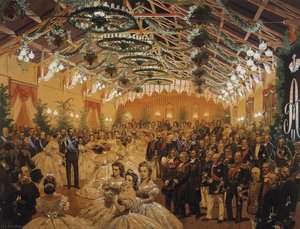
count mihaly von zichy
1827 - 1906
プロフィール概要
- Artistic Movement Or Style: Romanticism
- Artists Or Movements Influenced By This Artist: ['Romantic Painting']
- Artists Who Influenced This Artist: ['Waldmüller']
- Date Of Birth: 1827
- Date Of Death: 1906
- Full Name: Mihály von Zichy
- Nationality: Hungarian
- Notable Artworks:
- Lifeboat
- Portrait of Lajos Batthyány
- Autodafé
- Queen Elisabeth laying flowers by the coffin of Ferenc deák
- Drinking bout of Henry III
- Place Of Birth: Zalaegrevár, Hungary