

 プレビュー
プレビュー
 シェアする
シェアする シェアする
シェアする
 詳細を見る
詳細を見る

 ダウンロード
 似ている作品
 X線調査
X線調査 スライドショー
 Stats
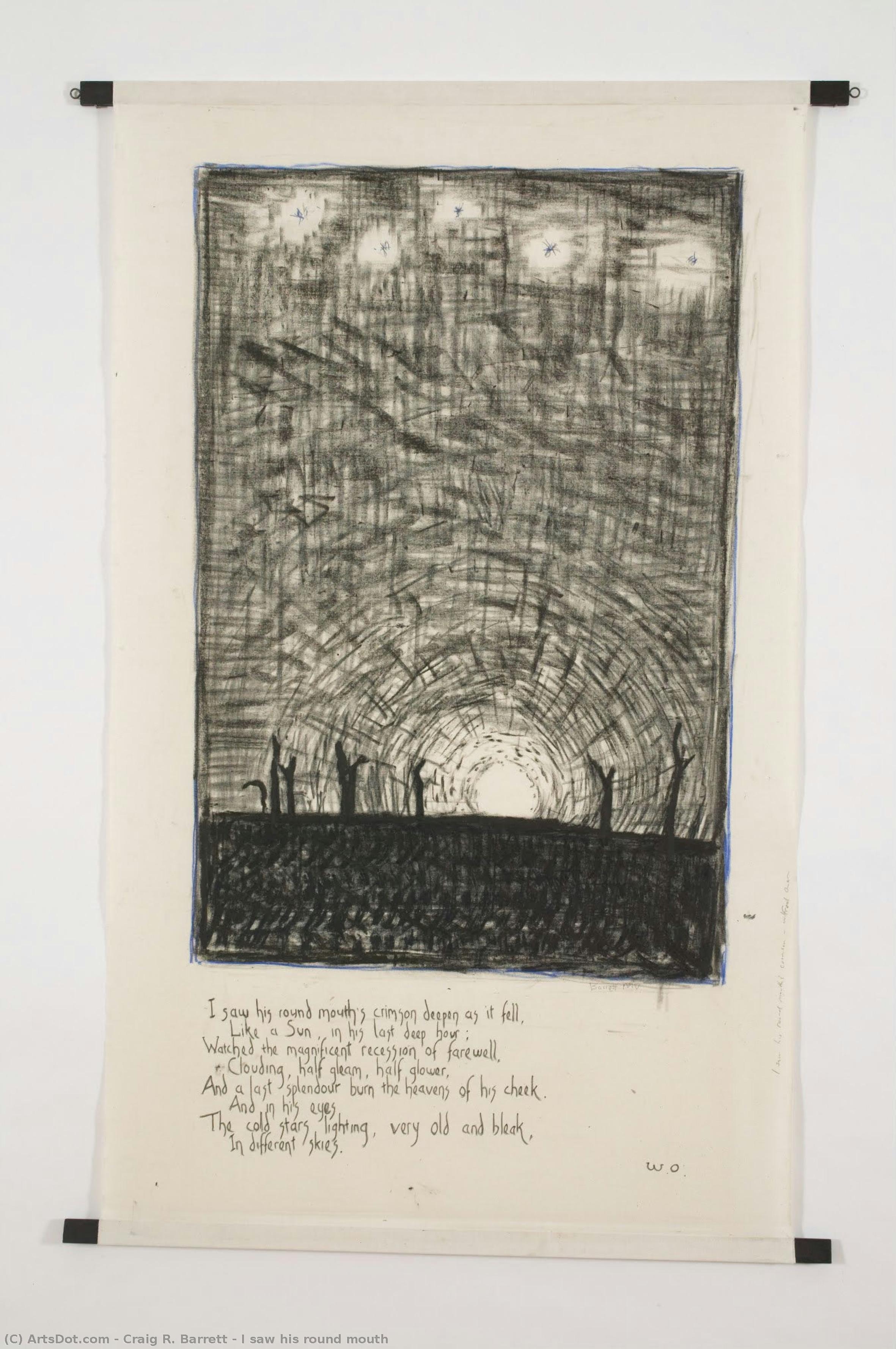
StatsI saw his round mouth
 Acrylic
- WallArt
- Contemporary Realism
 150.0 x 90.0 cm
 Shrine of Remembrance
 詳細を見る
詳細を見る
ジークレー/アートプリント
迅速な制作と多彩な仕上げオプションを備えた、ミュージアムクオリティのジークレーまたはキャンバスプリント。 ( 手描きの絵画を購入 Switch to Digital Image)




P118B $10

P118H $10

P118W $10

P438Z $10

P508JH $12

P508YH $12

P805H $10

P805Z $10

P919BZ $10

P919G $10

P919XJ $10

P959ZH $10

P968JZ $12

W106C $8

W218G $10

W218JH $8

W218Y $10

W307PJ $10

W316G $10

W316PJ $8

W316Y $10

W398PJ $8

W4111J $10

W500HY $15

W500JH $15

W692G $12

W849H $8

W940BG $15

W953PJ $8




作品のオリジナル比率に合わせた、当店の規定サイズからお選びください。

特定のフレームやスペースに合わせて、ご自身でサイズを指定することも可能です。選択されたサイズが元の画像の比率と一致しない場合、作品をトリミングするか、鏡面反射または単色での塗りつぶしによって画像を拡張いたします。制作を開始する前に、ご確認用のデジタルモックアップをお送りいたします。
画面上のプレビューには、実際のトリミングや拡張は反映されませんのでご注意ください。最終的な構図を正確に確認できるのは、モックアップのみとなります。
カスタムサイズも承っておりますが、元の比率を維持するためには、あらかじめ用意されたリストからサイズを選択することをお勧めいたします。


 ガラスオプションは、110cm未満のサイズでのみご利用いただけます。

I saw his round mouth
ジークレー/アートプリント
複製画のサイズ
-


合計金額
$ 62
Craig R. Barrett’s Dual Life: From Silicon Valley Innovator to Somber Sketch Artist
Craig R. Barrett's artistic journey stands as a remarkable testament to the human spirit—a captivating paradox woven from threads of technological brilliance and profound emotional sensitivity. Born in San Francisco in 1939, his formative years were steeped in scientific rigor at Stanford University, where he earned a doctorate in materials science. This grounding in precision and observation would subtly yet powerfully influence his later artistic endeavors, shaping his vision of the world and informing his creative process. Yet, beyond the boardroom and laboratory, Barrett harbored an enduring passion for capturing the essence of human experience through evocative monochrome sketches—a dedication that speaks volumes about his inner life and artistic sensibilities.- Early Influences: Barrett’s fascination with art began during his undergraduate studies at Stanford, where he was drawn to the expressive power of visual mediums. This initial exposure fostered a lifelong appreciation for craftsmanship and detail, qualities that would become central to his artistic style.
- A Career in Technology: His subsequent career as CEO at Intel Corporation cemented his reputation as a visionary leader—a figure synonymous with innovation and strategic foresight. Under Barrett’s stewardship, Intel navigated the turbulent waters of the dot-com era and established itself as a global powerhouse, leaving an indelible mark on the landscape of Silicon Valley.
- The Shift to Art: Despite his professional accomplishments, Barrett never abandoned his artistic pursuits. He found solace and inspiration in capturing fleeting moments of beauty and sorrow—a deliberate counterpoint to the demands of corporate life that underscored his multifaceted personality.
“I Saw His Round Mouth”: A Poetic Reflection on Remembrance
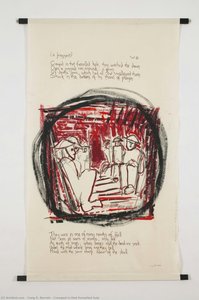
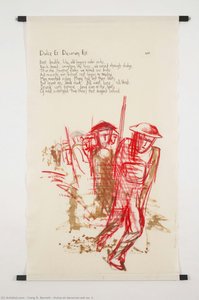
The artwork itself, titled “I Saw His Round Mouth,” embodies Barrett’s artistic vision—a masterful blend of simplicity and depth that resonates with themes of loss, resilience, and the enduring power of memory. Created specifically for the Shrine of Remembrance's Hall of Columns undercroft, it comprises 26 banners inspired by Wilfred Owen and Siegfried Sassoon’s poignant poetry from World War I. These poets skillfully conveyed powerful images through words from their camps, trenches, and hospitals—capturing both the horrors of combat and the profound human cost of war. Barrett sought to honor his grandfather and three great-uncles who fought on the Western Front as part of the Australian Imperial Force (AIF)—one of whom, George Loader, tragically perished in action on August 28, 1918.- Style & Technique: The artwork’s monochrome palette—primarily shades of gray—serves as a deliberate stylistic choice, mirroring the solemn atmosphere of remembrance and emphasizing the emotional core of the piece. Barrett employs a minimalist approach, prioritizing form and composition over elaborate ornamentation.
- Symbolism: Each banner depicts a stylized figure—representing soldiers enduring the hardships of war—and incorporates evocative imagery drawn from Owen’s poetry. The recurring motif of a falling leaf symbolizes the inevitable decline of life and underscores the poignant beauty found in accepting mortality.
- Poetic Resonance: Barrett's artistic endeavor is inextricably linked to Sassoon's poetic exploration of trauma and grief. Owen’s poem “Dulce et Decorum Est” describes the fatal terror following a poison gas attack—a harrowing depiction of suffering that confronts viewers with the brutal realities of wartime experience.
Beyond Form: Exploring Themes of Courage and Resilience
The artwork's overarching message transcends mere visual representation; it delves into profound philosophical considerations about courage, resilience, and the importance of honoring those who have sacrificed for their nations. Barrett’s artistic vision reflects a deep understanding of human psychology—acknowledging that confronting difficult emotions is essential to fostering empathy and compassion. The artist seeks in this work to express a belief that all matter belongs to a cycle of creation and destruction—a perspective informed by both scientific observation and spiritual contemplation.- Emotional Impact: “I Saw His Round Mouth” evokes a palpable sense of melancholy and reverence—drawing viewers into a contemplative dialogue about the legacy of war and the enduring human capacity for compassion.
- Connection to Literature: Barrett’s artistic inspiration stems directly from Owen's poetry, which confronts readers with uncomfortable truths about the psychological toll of combat—challenging conventional notions of heroism and glorifying suffering.
- Universal Themes: Ultimately, “I Saw His Round Mouth” speaks to timeless human concerns—namely, the confrontation with mortality and the pursuit of meaning in a world marked by both beauty and tragedy.
Concluding Reflections
Craig R. Barrett’s artistic output stands as a testament to his remarkable duality—a narrative that intertwines the relentless innovation of Silicon Valley with the deeply human exploration of grief and remembrance. His ability to translate complex emotions into simple visual forms underscores his artistic genius—demonstrating that creativity can flourish across disciplines and enrich our understanding of the human condition. “I Saw His Round Mouth” serves as a poignant reminder that beauty can emerge from darkness, and that art possesses the power to illuminate the deepest recesses of the human soul.関連作品
アーティストの略歴
シリコンバレーから静謐なスケッチへ:クレイグ・R・バレットの二面性のある人生
クレイグ・R・バレットの物語は、驚くべき二面性に満ちています。それは、テクノロジー界の絶え間ない革新と、彼の芸術に描かれた深く人間的で、時に凄惨な現実とが織りなす物語です。1939年にサンフランシスコに生まれたバレットは、当初、科学の道にその歩みを定め、スタンフォード大学で材料科学の博士号を取得しました。精密さと観察を重視するこの厳格な学問的基盤は、後の芸術活動に、繊細ながらも深い影響を与えることになります。しかし、数十年にわたり、彼は産業界の巨人と称えられてきました。1998年にはインテル社のCEOに就任し、200 Seb5年までその職を務め、その後2009年まで取締役会長を歴任しました。彼のリーダーシップの下、インテルはドットコム・バブルという激動の時代を乗り越え、戦略的ビジョンと研究開発への揺るぎない献身によって、グローバルなテクノロジーリーダーとしての地位を確立したのです。しかし、この力強いエグゼクティブとしての生活の裏側には、花開く時を待つ、芽生え始めた芸術的な感性が静かに潜んでいました。戦争の残響:詩とモノクロームを通じて見出す声
インテルを退職した後、バレットは高まる情熱とともに芸術へと身を投じました。彼は鮮やかな色彩や抽象的な形態を選んだわけではありません。むしろ、モノクローム・スケッチが持つ剥き出しの感情的な力の中に、自らの「声」を見出したのです。これらの作品は単なる風景の描写ではなく、第一次世界大戦の詩、特にウィルフレッド・オーウェンの痛切な詩句に対する、本能的な応答といえます。オーウェンが容赦なく記録した兵士たちの経験に対し、深い共感がバレットの芸術には浸透しています。その影響は直接的かつ意図的なものです。多くの作品が特定の詩に直接反応したり、そこからインスピレーションを得たりしており、喪失、勇気、そして紛争がもたらす壊滅的な人的犠牲というテーマを探求しています。これは、突き放したような歴史的観察ではなく、戦争の心理的な重圧――孤独、恐怖、そして永続的なトラウマ――との親密な対話なのです。したがって、バレットの芸術的な旅は、単にイメージを作り出すことではなく、詩の感情的な真実を視覚的な言語へと翻訳するプロセスなのです。陰影と線によって鍛えられたスタイル
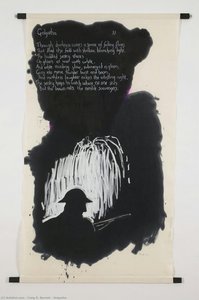
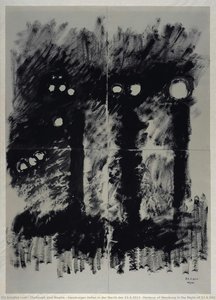
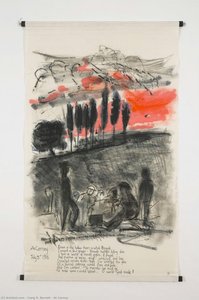
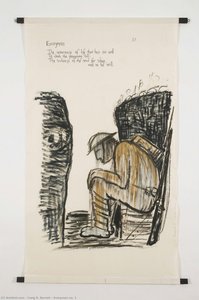
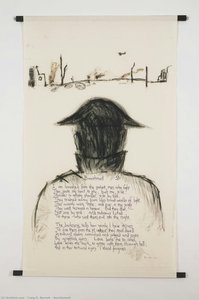
バレットの独特なスタイルは、その意図的な簡素さによって、一目でそれと分かります。主にチャコール、インク、グレーの階調で構成されるモノクロームのパレットは、描かれる風景や経験の荒涼とした性質を反映し、描写に厳かな質感を与えています。しかし、この抑制の中には、計り知れない表現力が秘められています。彼の描く線は単なる写実的なものではなく、ダイナミックで感情に訴えかけるものです。泥、有刺鉄線、崩れゆく建造物といった塹壕戦の物理的な現実と、それが個人に与える心理的な打撃の両方を捉えています。その技法には生々しさがあり、切迫感と悲嘆を伝える即時性が宿っています。彼は戦争の恐怖を描くことを避けることはありませんが、決して扇情主義に陥ることなく、繊細な感覚を持って向き合います。代わりに彼が焦点を当てるのは、人間的な要素――不測の逆境に直面した際の、回復力、犠牲、そして精神の不屈の力です。「Attack no. 1」のような代表作はこのアプローチを体現しており、戦闘の混沌と残虐さを描き出す一方で、「Banishment」のような作品は、深い孤独感や疎外感を呼び起こします。また、オーウェンの詩から直接インスピレーションを得た「Hospital barge at Cérisy no. 1」は、戦時下の医療施設における静かな絶望と、か細い希望を捉えた、とりわけ胸を打つ作品です。遺産:二つの世界を繋ぐ架け橋
クレイグ・R・バレットの歩みは、真にユニークなものを象徴しています。それは、芸術的表現の中に深い意味と目的を見出した、成功したビジネスリーダーの姿です。彼の作品は、戦争がもたらす人的犠牲を思い起こさせる強力な警鐘として機能し、ウィルフレッド・オーウェンのような詩人たちが探求した感情の風景に、視覚的な解釈を与えています。インテルにおける彼の功績は広く知られ、称賛されていますが、彼の芸術的貢献は、そのレガシーに説得力のある新たな次元を加えています。彼は、創造性が特定の分野に限定されるものではなく、予期せな場所で開花し、多様な経験から湧き上がることができるのだということを証明しています。バレットの芸術は、単なる退職後の趣味ではなく、歴史に対する深く感じ取られた応答であり、共感の永続的な力の証であり、そして人間性の切実な探求なのです。彼のモノクローム・スケッチは、オーウェンの言葉の力強い視覚的残響として、第一次世界大戦の教訓と悲劇が、次世代へと響き続けることを確かなものにしています。主な作品
- “Attack no. 1” – 戦闘の混沌と残虐性を本能的に描いた作品。
- “Banishment” – 孤独感と疎外感を呼び起こす作品。
- “Red sky” – 忘れがたい、心に焼き付くような雰囲気。
- “The unreturning” – 喪失と追悼への思索。
- “Hospital barge at Cérisy no. 1” – オーウェンの詩に触発された、戦時下の医療現場を描いた痛切な情景。
- “Everyman no. 1” – 絶望と人間性を想起させる表現主義的なドローイング。
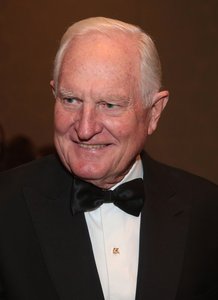
クレイグ・R・バレット
1939 - , アメリカ合衆国
基本情報
- Artistic Movement Or Style: モノクロスケッチ
- Artists Who Influenced This Artist: ['ウィルフレッド・オーウェン']
- Date Of Birth: 1939年
- Full Name: クレイグ・R・バレット
- Nationality: アメリカ
- Notable Artworks:
- 攻撃 第1号
- 追放
- 赤い空
- 帰らざる者
- セリシーの病院船…
- Place Of Birth: アメリカ合衆国、サンフランシスコ
関連記事

ロマン派ランドスケープ:時代を彩る巨匠の10選|アートとインテリアの世界
ロマン派絵画の時代を彩る10選。巨匠たちの風景が織りなす感動の世界へ。ターナー、ルーベンスなど、名作の裏話と高精細複製でアートをお部屋に。ArtsDot.comで至福のアート体験を。

Evocations of Place: A Historical Journey Through Landscape Art
Explore the rich history of landscape art with ArtsDot. Discover renowned artists, movements like Impressionism & tonalism, and expert guidance for collecting timeless pieces. Find your perfect serene escape today!

Evoking Nature's Sublime: A Comprehensive Exploration of 19th-Century Landscape Painting
Explore the captivating world of 19th-century landscape painting! Discover renowned artists like Friedrich & Monet, key movements, and find the perfect artwork to bring nature's serenity into your home. Expert insights at ArtsDot.

Evocations of Place: A Historical Journey Through Landscape Art
Explore the rich history of landscape art with ArtsDot. Discover renowned artists, movements like Impressionism & Romanticism, and expert guidance for collecting timeless pieces. Find your perfect serene escape today!

ジョン・コンスタブルの傑作25選:英国風景画の巨匠が描く自然と光の詩 | ArtsDot
ジョン・コンスタブルの傑作25選。英国風景画の巨匠が描く自然と光の詩の世界へ。ロマン主義を代表する絵画、デダム・ヴェールやヘイ・ウェインなど、ArtsDotで高品質なアートプリントをお楽しみください。インテリアに深みと感動を。コレクションはこちら。