

 シェアする
シェアする シェアする
シェアする
 詳細を見る
詳細を見る

 ダウンロード
 似ている作品
 スライドショー
 Stats
StatsUntitled (Alabaster Room)


 詳細を見る
詳細を見る
手描き油彩複製画
当社のアーティストが、お客様のご希望のサイズと額縁に合わせて、キャンバスに手描きで制作する油彩画です。 ( Switch to Print Switch to Digital Image)




































作品のオリジナル比率に合わせた、当店の規定サイズからお選びください。

特定のフレームやスペースに合わせて、ご希望のサイズをご入力いただけます。選択されたサイズが元の画像の比率と異なる場合、アートワークをトリミングするか、手描きで要素を追加して絵画を拡張いたします。デジタルモックアップ を制作し、制作開始前にご確認(承認)をいただきます。
画面上のプレビューは、実際のトリミングや拡張を正確に反映しているものではありません。最終的な構図は、モックアップによってのみ正確にご確認いただけます。
カスタムサイズもご利用いただけますが、元の比率を維持するためには、あらかじめ用意されたリストからサイズを選択することをお勧めいたします。
ご注文後、ArtsDot.com チームより詳細な指示をお送りするとともに、仕上がりイメージ(モックアップ)をご提供いたします。


 ガラスオプションは、110cm未満のサイズでのみご利用いただけます。

Untitled (Alabaster Room)
複製技法
複製画のサイズ
-


合計金額
$ 263
A Whispering Chamber of White
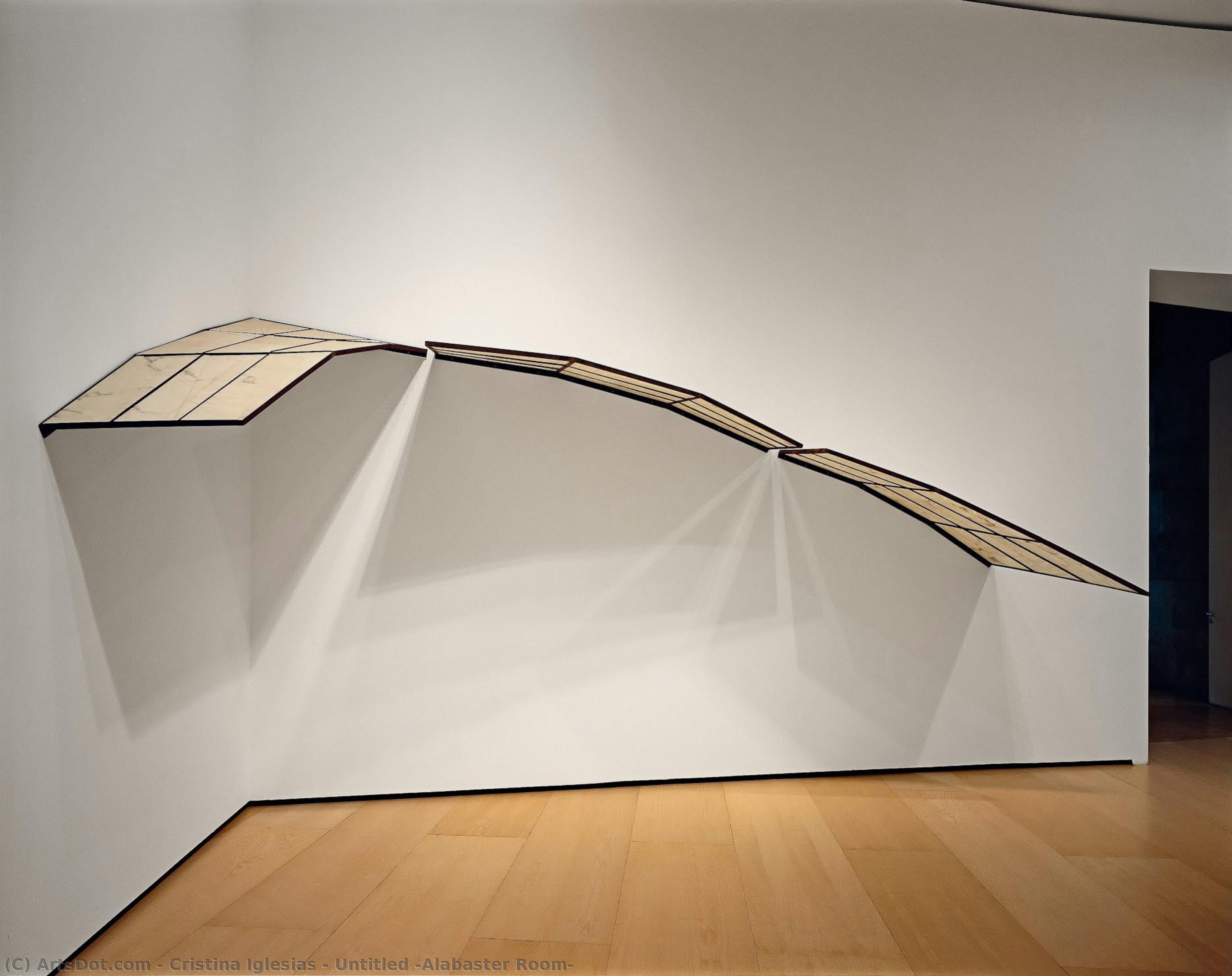
Cristina Iglesias’s “Untitled (Alabaster Room)” isn't merely a sculpture; it’s an invitation. An invitation to step into a space both familiar and profoundly unsettling, a meditation on memory, the passage of time, and the quiet resonance of absence. Created in 1993, this work, housed within the Guggenheim Museum Bilbao, immediately captivates with its deceptively simple form: three gently sloping canopies constructed from translucent sheets of alabaster, suspended just above eye level. These aren’t monumental structures demanding attention; instead, they subtly shift and refract light, creating an atmosphere of ethereal stillness that draws the viewer inward.
The material itself—alabaster—is crucial to the piece's impact. Derived from limestone, its milky translucence lends a ghostly quality to the canopies, suggesting both fragility and enduring strength. Iglesias’s masterful manipulation of this stone allows it to simultaneously appear solid and ephemeral, mirroring the way memories themselves can feel – tangible yet elusive, capable of shifting with perspective and emotion.
The Language of Absence
Iglesias is renowned for her exploration of liminal spaces—those thresholds between reality and imagination. “Untitled (Alabaster Room)” embodies this perfectly. The absence of a defined interior space, the suggestion of a room that exists only in perception, creates a powerful sense of unease. It’s not a comfortable or inviting environment; rather, it prompts reflection on what *isn't* there – the implied presence of walls, furniture, and perhaps even inhabitants. This deliberate void is a key element of her artistic strategy, forcing the viewer to confront their own assumptions about space and perception.
The work’s origins are deeply rooted in Iglesias’s background as a special effects technician for film. This experience instilled within her a profound understanding of how materials can be used to create illusions – how light, shadow, and texture can manipulate our senses and shape our experiences. She translates this technical expertise into a highly evocative artistic language, utilizing the inherent qualities of each material to evoke specific emotional responses.
Craftsmanship and Technique
The construction of “Untitled (Alabaster Room)” is a testament to Iglesias’s meticulous craftsmanship. The alabaster sheets are incredibly thin – often just millimeters thick – and require exceptional skill to cut, shape, and suspend without visible supports. This delicate balance between material and structure speaks volumes about the artist's control and precision. The iron frame, almost invisible against the white stone, serves as a subtle anchor, grounding the ethereal canopies while simultaneously emphasizing their lightness and vulnerability.
Furthermore, Iglesias’s use of water – often incorporated into her installations – adds another layer of complexity. While not immediately apparent in this piece, the potential for moisture to interact with the alabaster creates an ongoing dialogue between material and environment, subtly altering its appearance over time. This consideration of material longevity is a hallmark of her artistic practice.
A Resonance of Memory
Ultimately, “Untitled (Alabaster Room)” transcends mere visual aesthetics; it’s a deeply resonant work that invites contemplation on the nature of memory and experience. The room's quietude, its sense of suspended time, evokes a feeling of nostalgia – not for a specific event or place, but for something more fundamental: the lingering traces of our past selves. It is a space designed to be inhabited not just by the eye, but by the mind and heart, leaving a lasting impression long after you’ve stepped away.
関連作品



アーティストの略歴
Cristina Iglesias: A Biography
Early Life and Education
Born in Tortosa, Spain, in 1985, Cristina Iglesias (also known as Cristina Jobs) demonstrated a passion for art from a young age. While her formal artistic journey began later, this early inclination laid the foundation for her future career. She moved between cities – Barcelona, Madrid, and Bilbao – following opportunities to develop her skills before ultimately settling in the Ebro Delta, returning to her hometown.
Iglesias’s initial training wasn't directly in fine arts; she began her education at a makeup artist school in 2004. This proved pivotal, providing a strong foundation in realistic sculpture and character creation – skills that would become central to her artistic practice.
Early Career & Special Effects
In 2006, Iglesias launched her career as a special effects technician for the film industry. She quickly gained experience working with several national and international companies specializing in character creation. This period was crucial in honing her technical abilities and understanding the demands of bringing imaginative concepts to life.
Recognizing an opportunity within the Spanish film landscape, Iglesias co-founded her first company in the Basque Country in 2009. Her experience as a ‘key artist’ led to the creation of Clonfactory SLU, the first FX studio in Spain dedicated to human and animal replicas for cinema, uniquely directed by a woman.
Artistic Achievements & Recognition
Iglesias's artistic direction has been featured in dozens of films both nationally and internationally. Her work garnered significant recognition, including being part of the team that won the 2016 Goya Award in her department. Furthermore, her contributions were reflected in the 2016 Oscar nominations for ‘Loreak’.
Beyond film, Iglesias has exhibited extensively in numerous galleries and art spaces, showcasing her diverse range of sculptural work.
Artistic Style & Influences
Hyperrealism is at the core of Iglesias’s artistic style. Her sculptures are characterized by an astonishing level of detail and realism, often blurring the lines between art and life. She doesn't simply aim for aesthetic perfection; she uses her technical mastery to explore deeper themes.
Influences on her work stem from a deep connection with nature and a concern for social issues, human rights, and emotional expression. Her sculptures often serve as powerful visual statements addressing these complex topics.
Themes & Major Works
- Social Commentary: Iglesias’s art frequently tackles challenging social issues, prompting viewers to confront difficult realities.
- Humanity and Nature: A recurring theme is the relationship between humans and the natural world, often exploring themes of vulnerability and resilience.
- Emotional Impact: Her sculptures are designed to evoke strong emotional responses in the viewer, fostering empathy and understanding.
Notable works include “Baby avatar”, “Gorilla”, and “Untitled (Alabaster Room)”, each demonstrating her unique blend of technical skill and conceptual depth.
Historical Significance
Cristina Iglesias stands out as a pioneering figure in the field of hyperrealist sculpture, particularly within the Spanish art scene. Her success in establishing Clonfactory SLU broke barriers for women in the traditionally male-dominated world of film special effects. She represents a new generation of artists who seamlessly blend technical expertise with artistic vision to create impactful and thought-provoking work.

cristina iglesias
1985 - , Spain
基本情報
- Birth Date: 1985
- Birth Place: Tortosa, Spain
- Movement: Hyperrealism, Installation Art
- Name: Cristina Iglesias (also Cristina Jobs)
- Nationality: Spanish
- Notable Works:
- Baby avatar
- Gorilla
- Untitled (Alabaster Room)
関連記事

Bronze Sculptures That Defined Art History | ArtsDot
Journey through art history with our Top 10 bronze sculptures! Explore masterpieces by Rodin, Michelangelo & more. Discover stories behind iconic statues and find museum-quality reproductions for your home decor at ArtsDot.com.

The Enduring Form: Sculpture Across History, Technique & Emotional Resonance
Explore the rich history of sculpture with ArtsDot. Discover key techniques, influential artists & investment potential for discerning collectors. Expert insights into valuing and collecting timeless masterpieces.

The Enduring Form: Exploring Themes & Techniques in Sculpture Across Historical Periods
Explore the rich history of sculpture from ancient masterpieces to contemporary innovations. Discover key techniques, influential artists & investment potential for discerning art collectors.

Bronze Age to Modern Masters: 10 Sculptures That Redefined Art | ArtsDot
Journey through art history with 10 legendary bronze sculptures – from Michelangelo's David to Rodin’s Thinker. Explore the stories, techniques & timeless beauty of these masterpieces. Find museum-quality reproductions & elevate your home decor on ArtsDot.com.
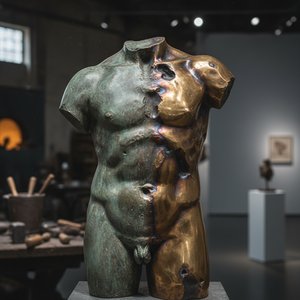
青銅彫刻の永続的遺産:歴史、技法、そして現代における解釈
青銅彫刻の歴史、技法、現代における解釈を専門家が解説。古代から現代までの貴重な作品群を深く理解し、コレクションや投資に役立つ情報を提供します。美術品鑑定、修復についてもご紹介。