


 シェアする
シェアする シェアする
シェアする
 詳細を見る
詳細を見る

 ダウンロード
 似ている作品
 スライドショー
Cocktail dress in black hard twist wool spot-patterned plain-weave crepe


 詳細を見る
詳細を見る
ジークレー/アートプリント
迅速な制作と多彩な仕上げオプションを備えた、ミュージアムクオリティのジークレーまたはキャンバスプリント。 ( 手描きの絵画を購入 画像を購入)




































作品のオリジナル比率に合わせた、当店の規定サイズからお選びください。

特定のフレームやスペースに合わせて、ご自身でサイズを指定することも可能です。選択されたサイズが元の画像の比率と一致しない場合、作品をトリミングするか、鏡面反射または単色での塗りつぶしによって画像を拡張いたします。制作を開始する前に、ご確認用のデジタルモックアップをお送りいたします。
画面上のプレビューには、実際のトリミングや拡張は反映されませんのでご注意ください。最終的な構図を正確に確認できるのは、モックアップのみとなります。
カスタムサイズも承っておりますが、元の比率を維持するためには、あらかじめ用意されたリストからサイズを選択することをお勧めいたします。


 ガラスオプションは、110cm未満のサイズでのみご利用いただけます。

Cocktail dress in black hard twist wool spot-patterned plain-weave crepe
ジークレー/アートプリント
複製画のサイズ
-


合計金額
$ 62
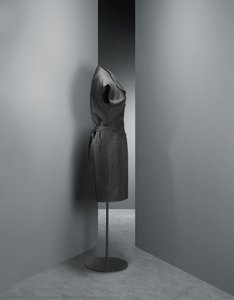
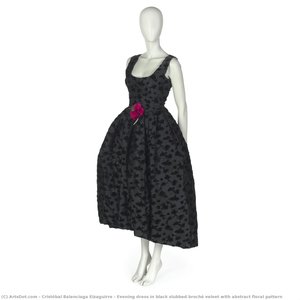
A Study in Black: Cristóbal Balenciaga’s Cocktail Dress of 1957
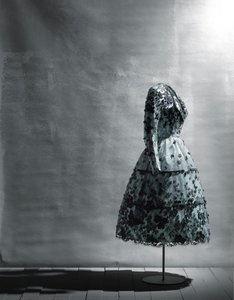
The year is 1957. Post-war Europe is cautiously emerging, and with it, a renewed appetite for elegance and sophistication. Within this climate of restrained optimism, Cristóbal Balenciaga – already revered as “the master of us all” by Christian Dior – presented a vision of timeless beauty in his ‘Cocktail Dress in Black Hard Twist Wool Spot-Patterned Plain-Weave Crepe.’ This isn’t merely a garment; it's a distilled essence of sculptural form, a testament to the designer’s unparalleled ability to manipulate fabric and shape into an object of profound aesthetic power. The photograph, rendered in stark black and white, captures not just the dress itself, but also the quiet drama of its presentation – a mannequin posed with deliberate poise against a neutral backdrop, inviting the viewer to contemplate the intricacies of its design.
Balenciaga’s genius lay in his rejection of fleeting trends. He wasn't interested in mimicking the ephemeral fashions of the day; instead, he sought to create garments that would endure, embodying an enduring sense of grace and architectural precision. This particular dress exemplifies this philosophy perfectly. The crepe fabric, described as ‘hard twist,’ speaks volumes about Balenciaga’s meticulous approach – a deliberate choice designed to lend structure and resilience to the flowing silhouette. The subtle spot pattern, barely discernible in monochrome, adds a layer of textural interest without disrupting the overall sense of streamlined elegance. It's a masterful demonstration of restraint, allowing the form of the dress to take center stage.
The Sculptural Silhouette: Form and Function
Balenciaga’s designs were often described as “architectural,” and this term is entirely apt when considering this cocktail dress. The silhouette is dramatically elongated, creating an impression of effortless height and a subtle suggestion of movement. The bodice is fitted, emphasizing the natural curves of the torso, while the skirt cascades downwards in a gently undulating line. The key to its success lies not just in the overall shape but also in the precise construction – the careful shaping of the seams, the strategic placement of darts, all contributing to a sense of sculpted perfection. The dress is a study in balance and proportion, demonstrating Balenciaga’s deep understanding of human anatomy and his ability to translate that knowledge into wearable art.
Notice the deliberate simplicity of the design. There are no extraneous embellishments – no frills, no excessive ornamentation. Instead, the focus remains entirely on the dress's form and texture. The bow or decorative element at the back, visible in the photograph, is a subtle detail that adds a touch of understated glamour without detracting from the overall impact. This restraint is characteristic of Balenciaga’s work – he believed that true elegance lay not in ostentation but in the skillful execution of a simple, well-considered design.
A Legacy of Black: Context and Symbolism
The choice of black as the dominant color is profoundly significant. In 1957, black was associated with sophistication, power, and mourning – a color that commanded respect and conveyed an air of understated authority. Balenciaga’s embrace of this hue reflects his understanding of fashion as a form of social commentary. He wasn't simply creating beautiful clothes; he was crafting statements about style, status, and personal expression.
Furthermore, black held a particular resonance within the artistic circles that influenced Balenciaga – particularly the work of artists like Giorgio de Chirico and Francis Picabia, whose use of stark contrasts and geometric forms informed his designs. The dress can be seen as an echo of these artistic influences, translating abstract visual concepts into tangible garments. It’s a reminder that fashion is not isolated from the broader cultural landscape but rather deeply intertwined with art, music, and literature.
The Enduring Appeal: Reproduction and Inspiration
Balenciaga's influence continues to resonate today, inspiring designers and collectors alike. The ‘Cocktail Dress in Black Hard Twist Wool Spot-Patterned Plain-Weave Crepe’ remains a quintessential example of his genius – a timeless piece that transcends the boundaries of time and fashion. Reproductions capture the essence of this iconic design, offering an opportunity to incorporate its elegance into your wardrobe or interior spaces.
When selecting a reproduction, pay close attention to the quality of the materials and craftsmanship. A faithful recreation will not only replicate the dress’s visual appearance but also its tactile qualities – the subtle texture of the crepe fabric, the precise shaping of the seams, the delicate sheen of the bow. This is more than just a copy; it's a tribute to a master designer and a celebration of enduring style.
関連作品
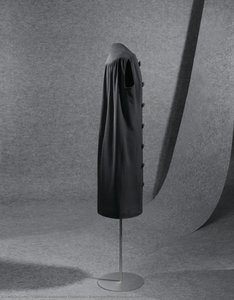
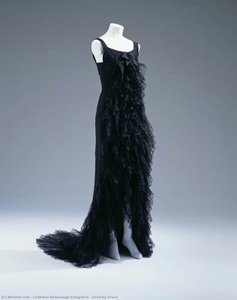
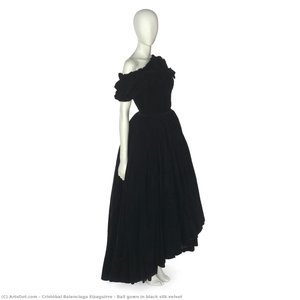
アーティストの略歴
生い立ちとキャリア
クリストバル・バレンシアガ・エイサギレは、スペインを代表する高名なファッションデザイナーであり、1895年にスペインのゲタリアでその生涯をスタートさせました。彼は、ハイエンド・クチュールの代名詞となったブランド「バレンシアガ」の創設者として広く知られています。妥協を許さない職人としての彼の名声は、クリスチャン・ディオールから「我ら全員のマスター(巨匠)」と称えられ、ココ・シャネルからも「真の意味における唯一のクチュリエ」という畏敬の念を込めた言葉を贈られました。芸術的スタイルと影響
バレンシアガのデザインは、その気品あふれるエレガンス、簡潔な美、そして細部への徹底したこだわりによって特徴づけられます。彼の創造性は前衛的な芸術運動(アヴァンギャルド)から多大な影響を受けており、それが大胆かつ革新的なデザインの随所に反映されています。彼の芸術的側面を示す代表的な作品には、以下のようなものがあります:- 「雅歌 IV」への習作(ナイーブ・アート/プリミティヴィズム):ファッションに対する彼の実験的なアプローチを物語る一品です。
- 樹木の根(50 x 100 cm、ポスト印象派、油彩・キャンバス):自然の本質を捉える彼の卓越した能力が示されています。
- アクロバット(シュルレアリスム、油彩・キャンバス):ファッションの世界における境界線を押し広げようとする、彼の飽くなき挑戦心を際立たせています。
美術館とコレクション
バレンシアガの作品は、世界中の様々な美術館やコレクションに収蔵されています:- アストゥリアス美術博物館(スペイン):ヨーロッパ美術の多様なコレクションを誇ります。
- アンドレス・ブライステン・コレクション(メキシコ):ラテンアメリカの芸術作品を展示するメキシコのコレクションです。
- 火災により焼失した美術館(アメリカ合衆国):アメリカの美術史における悲劇的な出来事に関連しています。
遺産と影響
バレンシアガが遺したレガシーは、単なるファッションデザインの枠を遥かに超えています。彼は後世のデザイナーたちに多大な影響を与え続け、その作品は時代を超越したエレガンスとして今なお称賛されています。クリストバル・バレンシアガ・エイサギレという名は、クチュールの世界における永遠のアイコンとして刻まれています。
クリストバル・バレンシアガ
1895 - 1972 , スペイン
基本情報
- Artistic Movement Or Style: アヴァンギャルド・アート / シュルレアリスム
- Artists Or Movements Influenced By This Artist: ['ユベール・ド・ジバンシィ']
- Artists Who Influenced This Artist:
- クリスチャン・ディオール
- ココ・シャネル
- Date Of Birth: 1895年1月21日
- Date Of Death: 1972年3月23日
- Full Name: クリストバル・バレンシアガ・エイサギレ
- Nationality: スペイン
- Notable Artworks:
- 「雅の歌 IV」への習作
- 樹木の根
- アクロバット
- Place Of Birth: スペイン、ゲタリア
関連記事
Cristóbal Balenciaga: Deconstructing Haute Couture's Architectural Legacy
Explore the revolutionary world of Cristóbal Balenciaga, the 'couturier's couturier'. Discover his architectural designs, lasting influence on haute couture, and guide to collecting rare pieces. A connoisseur’s resource.
Timeless Elegance: Unveiling the Chic Allure and Artistic Legacy of Black Dress Artworks
Immerse yourself in the timeless allure of black dress artworks. Explore a curated collection of fine art reproductions and bespoke oil paintings that blend fashion history with modern elegance. Discover how ArtsDot.com transforms memories into exquisite, hand-painted masterpieces.

Dark Masterpieces: 10 Iconic Paintings Dominated by Black Tones |
Explore 10 iconic paintings dominated by black tones, from Rembrandt’s chiaroscuro to Goya's dark expressions. Discover the stories behind these masterpieces & find museum-quality art reproductions for your home at .
Gianfranco Ferré: Deconstructing Haute Couture – A Legacy of Architectural Form
Explore the revolutionary world of Gianfranco Ferré, 'the architect of fashion.' Discover his architectural approach to haute couture, iconic Dior designs, and lasting influence on luxury style. A deep dive for collectors & enthusiasts.
Draped Narratives: Fashion as Symbol & Subject in Historical Art
Explore the fascinating history of fashion as a symbol of power & status in art! Discover masterpieces from Gainsborough to Tissot and learn how clothing shaped societal narratives. Find museum-quality reproductions at ArtsDot.

