

 プレビュー
プレビュー
 プリントを購入
 シェアする
シェアする シェアする
シェアする
 詳細を見る
詳細を見る

 ダウンロード
 似ている作品
 X線調査
X線調査 スライドショー
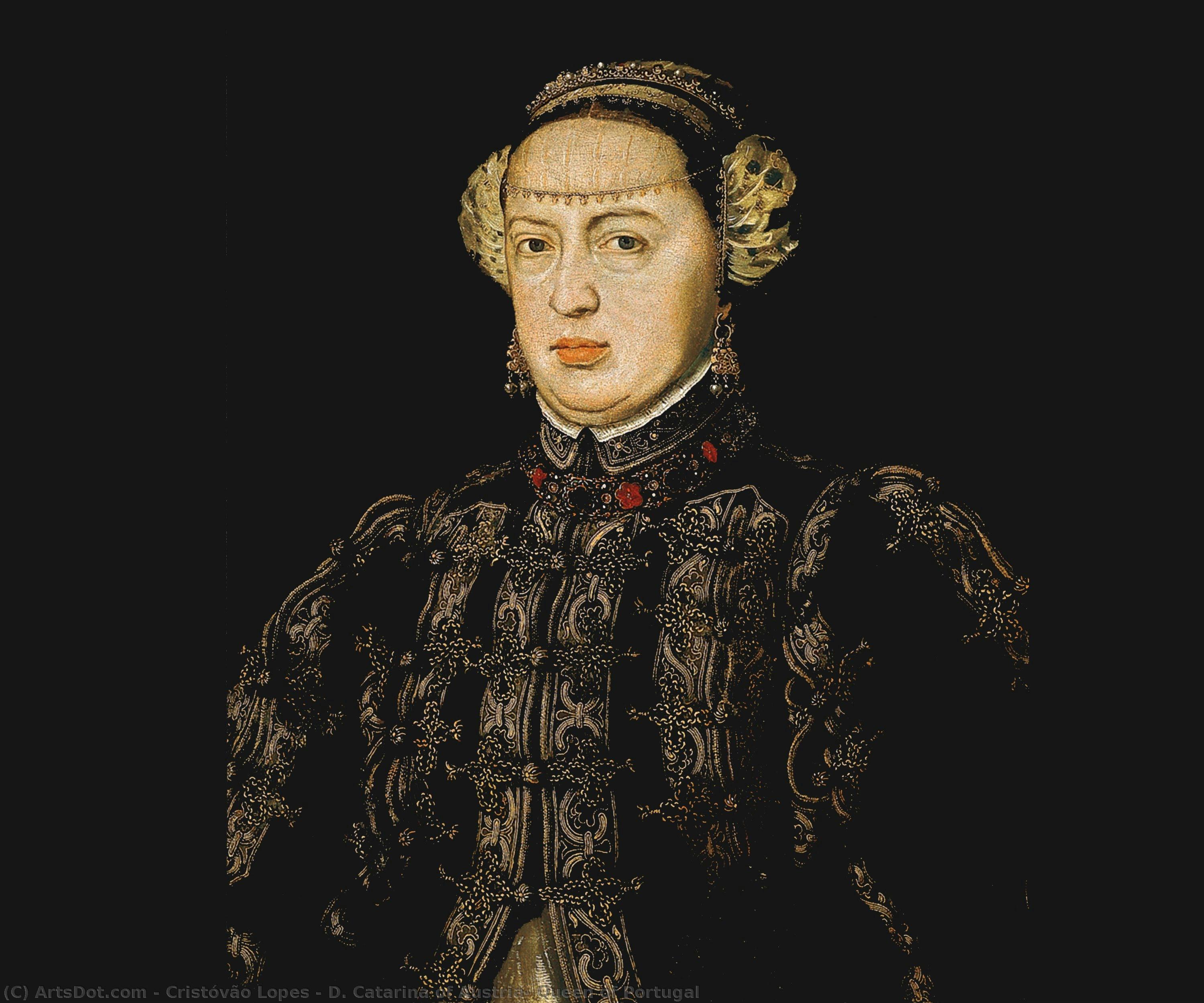
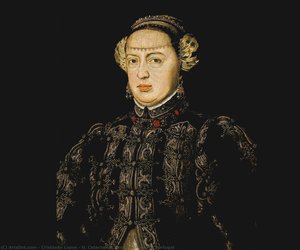
D. Catarina of Austria, Queen of Portugal


 詳細を見る
詳細を見る
オンラインプレビューをはるかに凌ぐ、高解像度で鮮明なデジタル画像をご購入いただけます。
各ファイルは、社内の専門家が高度なツールと熟練した手作業によるレタッチを用いて、細心の注意を払って準備されています。すべての画像において、卓越した鮮明度、正確な色彩再現性、そして繊細なディテールを保証いたします。
最終ファイルは、プロフェッショナルな編集・印刷環境ですぐにご利用いただけるよう最適化された状態で、72時間以内にメールにてお届けいたします。これは、一流のデザインスタジオ、出版社、ギャラリーから信頼されているものと同等の品質です。
デジタル画像のご注文に付随する特典
高品質なデジタル画像配信を、確かな品質で。
ArtsDot.com を選ぶことは、単に画像を手に入れることではありません。それは、プロの手によって精密に仕上げられ、満足保証が付いた高品質なデジタルアートワークを受け取ることを意味します。ご注文いただいた際に自動的に付随する内容は、以下の通りです:

メールですぐにお届け
ご注文から72時間以内に、高解像度のデジタル画像ファイルがメールでお手元に届きます。すぐにそのままご利用いただけます。

AI技術で最適化されたデジタルファイル
お客様の作品は、高度なAIツールと専門家による手作業の編集を組み合わせてプロフェッショナルに最適化されており、細部のディテール、鮮明さ、そして正確な色再現性を最大限に引き出しています。

一生涯無料の再送サービス
ファイルを誤って削除したり、紛失してしまったりしましたか?ご安心ください。いつでも無料で再送いたします。

輸入手数料は一切かかりません
関税や手数料、配送料を気にすることなく、お気に入りのアートワークをすぐにお楽しみいただけます。デジタルダウンロードは常に免税です。

色彩再現の保証
プロ仕様のツールとカラーマネジメント技術を用いることで、デジタル画像が元の色を最大限に忠実に再現することを保証いたします。

100日間満足保証
ご購入いただいたデジタル画像にご満足いただけない場合は、100日以内であれば、修正または100%の返金(理由を問う必要はありません)をさせていただきます。

100% 返金保証
ご満足いただけない場合は、デジタルファイルを受け取ってから100日以内であれば、理由を問わず全額返金いたします。

まとめ買い割引
3枚購入で10%OFF - 5枚購入で15%OFF - 10枚以上購入で20%OFF。クリエイティブなプロジェクト、ギャラリー、エージェンシーに最適です。
A Vision of Royal Majesty
In the quiet, shadowed corridors of history, few images command as much silent authority as D. Catarina of Austria, Queen of Portugal. Painted around 1500 by the skilled hand of Cristóvão Lopes, this portrait is far more than a mere likeness; it is a profound statement of sovereignty and dynastic continuity. The Queen is captured in a three-quarter view, her presence emerging from a deep, nocturnal background that pushes her figure toward the viewer with startling intimacy. There is an unmistakable gravity in her gaze—an austere, dignified expression that speaks to the heavy mantle of her station as the daughter of Felipe and Joana of Castela and sister to the mighty Emperor Carlos V. To behold this work is to encounter the very essence of Renaissance nobility, where every stitch of fabric and every glint of gold serves to reinforce the divine right of the Portuguese crown.
The artistry of Lopes shines through in the meticulous rendering of texture and light, making this piece a masterpiece of tactile illusion. The Queen is draped in a gown of sumptuous black velvet, a material that absorbs the light only to reveal subtle, shimmering depths through the intricate embroidery of gold thread. This interplay between the dark, matte surfaces and the brilliant metallic accents creates a rhythmic visual movement across her torso. Her attire is crowned by an exquisite coif, adorned with a tiara of pearls and gold, alongside delicate pearl earrings that catch the light like droplets of frozen dew. The technique, likely executed in oil on panel, allows for a precision that captures the crisp edges of her royal regalia and the soft, rounded contours of her face, offering a sensory richness that remains captivating centuries later.
Symbolism and the Legacy of the Royal Workshop
Beyond its aesthetic splendor, the portrait functions as a sophisticated piece of political iconography. During this era, portraits were essential diplomatic tools, used to project power across borders and solidify alliances. This specific work follows the prestigious tradition established by the Master António Moro, whose official portraits of the Portuguese sovereigns served as the definitive prototypes for the court. Lopes, working within the lineage of his father Gregório Lopes, masterfully adapted these models to create a visual language of legitimacy. The pearls and gold are not merely ornaments; they are symbols of purity, wealth, and the unshakeable stability of the realm. The very composition—centered, formal, and unyielding—is designed to inspire awe and respect in the observer.
For the discerning collector or interior designer, this reproduction offers a profound sense of historical weight and timeless elegance. It is an ideal centerpiece for spaces that demand a touch of classical sophistication, such as a formal study, a grand library, or a curated gallery wall. The deep, monochromatic palette of blacks and golds provides a versatile foundation that complements both traditional period interiors and contemporary minimalist settings. Owning a piece that echoes the grandeur of the 16th-century Portuguese court allows one to bring a fragment of the Renaissance into the modern home, fostering an atmosphere of contemplative beauty and enduring prestige.
関連作品
作家の略歴
A Royal Brush: The Life and Legacy of Cristóvão Lopes
Cristóvão Lopes, a name resonating softly through the annals of 16th-century Portuguese art, stands as a compelling figure bridging the traditions of his father’s workshop with the burgeoning influences of Northern Renaissance portraiture. Born around 1516 in Lisbon, Portugal, Lopes inherited not merely a profession but a dynasty of artistic skill from Gregório Lopes, who served as royal painter to King Manuel I and later John III. While overshadowed by his more celebrated forebear during his lifetime, Cristóvão’s own contributions proved vital in shaping the visual language of the Portuguese court and religious institutions.
The early years of Lopes' artistic development were undoubtedly steeped in the techniques and style of his father. Gregório Lopes was a master of altarpieces, crafting intricate polyptychs filled with devotional imagery for churches across central Portugal. Following his father’s death in 1550, Cristóvão seamlessly assumed the mantle of royal painter to John III in 1551. This transition wasn't simply an inheritance of title; it signified a continuation of a deeply established artistic lineage. However, unlike his father who focused on large-scale religious works, Cristóvão’s career would become increasingly defined by portraiture—a shift that speaks volumes about the evolving tastes and priorities of the Portuguese court.
The Influence of Antonis Mor and a Changing Style
A pivotal moment in Lopes' artistic trajectory arrived with the arrival of Dutch portrait painter Antonis Mor (Antonio Moro) in Portugal during the 1550s. Commissioned to paint official portraits of the royal family, Mor’s precise realism, elegant compositions, and sophisticated handling of light profoundly impacted Portuguese artists, including Cristóvão Lopes. While direct attribution can be challenging due to the workshop practices of the time—and Lopes' own tendency not to sign his works—scholars believe he actively collaborated with or closely emulated Mor’s style. This influence is evident in a subtle yet discernible shift towards greater naturalism and psychological depth in Lopes’ portraits, moving away from the more stylized conventions prevalent earlier.
The Convent of Madre de Deus in Lisbon houses one of Lopes' most significant achievements: an altarpiece featuring portraits of King John III and his wife, Catherine of Austria. This work exemplifies his ability to capture not just physical likeness but also a sense of regal dignity and inner character. Other royal portraits attributed to him are now carefully preserved within the National Museum of Ancient Art in Lisbon, offering glimpses into the faces that governed Portugal during this period. Beyond portraiture, Lopes continued to undertake religious commissions, such as an allegory of Mercy for the Misericórdia Church in Sesimbra, demonstrating a versatility that extended beyond the confines of courtly representation.
A Legacy Defined by Royal Service and Subtle Innovation
Cristóvão Lopes’ career was inextricably linked to the Portuguese monarchy. His role wasn't merely that of an artist; he was a visual architect of royal image, tasked with crafting representations that projected power, piety, and legitimacy. While his name may not be as instantly recognizable as some of his contemporaries, his importance lies in his ability to adapt and refine artistic styles to suit the needs of his patrons. He skillfully absorbed the lessons of Antonis Mor while maintaining a distinctly Portuguese sensibility.
The challenges inherent in attributing works definitively to Lopes—a consequence of workshop collaborations and the absence of signatures—underscore the complexities of art historical research. Nevertheless, the paintings confidently ascribed to him reveal an artist of considerable talent, capable of both meticulous detail and nuanced psychological observation. His work provides a valuable window into the artistic climate of 16th-century Portugal, reflecting the interplay between local traditions and international influences.
Cristóvão Lopes passed away in Lisbon in 1594, leaving behind a legacy not of grand innovation but of consistent quality and dedicated service. His paintings continue to captivate viewers with their quiet dignity and subtle beauty, serving as enduring testaments to the artistry of a royal brush.
cristóvão lopes
1594 , Portugal
プロフィール概要
- Artistic Movement Or Style: Renaissance Painting
- Artists Or Movements Influenced By This Artist: ['Antonis Mor']
- Artists Who Influenced This Artist: ['Gregório Lopes']
- Date Of Birth: c. 1516
- Date Of Death: 1594
- Full Name: Cristóvão Lopes
- Nationality: Portuguese
- Notable Artworks:
- D. Catarina of Austria, Queen of Portugal
- Cristóvão Lopes (attrib). Portrait of King John III
- Lopes Catherine of Habsburg
- Lopes John Madre de Deus
- Place Of Birth: Lisbon, Portugal